
Soups & Stews
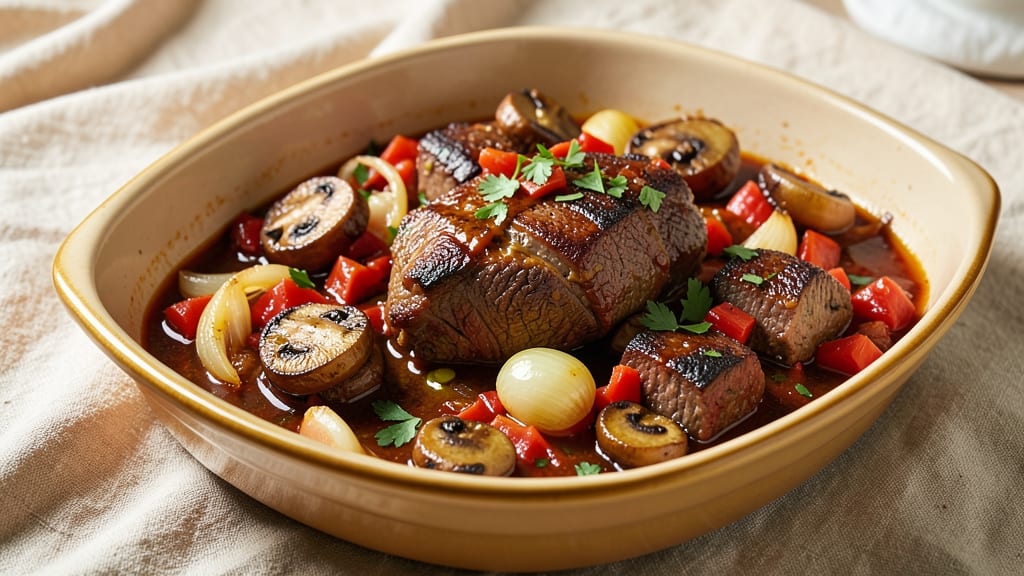
This beef and mushroom ragout recipe transforms tough cuts into melt-in-your-mouth tenderness with a deep, wine-infused sauce that clings to every bite. The secret lies in proper browning and slow braising—techniques that unlock maximum flavor while keeping the dish approachable for home cooks.
What starts as simple ingredients evolves into a restaurant-worthy braise with layers of umami and caramelized richness.
The process begins with searing beef chuck roast until deeply browned, then deglazing the pan to capture those flavorful bits that form the sauce's foundation. Mushrooms add earthy depth, while red wine and aromatics create a complex, velvety reduction that coats every piece of meat.
This isn't just a stew—it's a technique masterclass that delivers professional results with minimal effort.
By the time you serve this ragout, you'll have tender beef that practically falls apart at the touch, mushrooms softened to perfect consistency, and a sauce so rich it deserves its own bowl.
The aroma alone will have everyone gathering around the table, while the first bite confirms why this dish belongs in both weeknight rotations and special occasion menus.
Pair with crusty bread to soak up every last drop of that wine-infused sauce, or serve alongside mashed potatoes for a complete, comforting meal.
The wine pairing suggestions in the full recipe will elevate the experience even further—proof that great cooking doesn't require complicated techniques, just attention to detail and proper timing.
Ingredients for beef and mushroom ragout
Simple yet transformative ingredients that build restaurant-quality depth through proper technique and patience.
| Ingredient | Amount | Notes |
|---|---|---|
| Beef Chuck Roast 🥩 | 2 lb | With visible marbling, cut into 1.5-inch cubes |
| Cremini Mushrooms 🍄 | 1 ½ lb | Stemmed and halved, wiped clean |
| Red Wine 🍷 | 1 cup | Bold, dry variety like Cabernet Sauvignon |
| Yellow Onion 🧅 | 1 whole | Medium, diced into 1/4-inch pieces |
| Garlic Cloves 🧄 | 4 cloves | Peeled and smashed, not minced |
| Tomato Paste 🍅 | 2 tbsp | High-quality, no added salt |
| Beef Broth 💧 | 2 cups | Homemade or low-sodium store-bought |
| Olive Oil 🫒 | 2 tbsp | Extra-virgin, for searing |
| Fresh Thyme 🌿 | 2 tbsp | Leaves only, chopped (or 2 tsp dried) |
| Fresh Rosemary 🌿 | 1 tbsp | Needles only, chopped (or 1 tsp dried) |
| Salt 🧂 | 1 ½ tsp | Kosher or sea salt, coarse grind |
| Black Pepper 🌶️ | 1 tsp | Freshly cracked, coarse grind |
| All-Purpose Flour 🌾 | 1 tbsp | For thickening sauce if needed |
| Unsalted Butter 🧈 | 2 tbsp | Cold, for finishing sauce |
The beef chuck roast is non-negotiable—its marbling delivers unmatched richness when properly seared. Look for cuts with visible fat streaks at butcher counters or pre-cut sections in the meat department. Costco or Whole Foods typically carry high-quality chuck roasts; avoid pre-cubed packages with excessive water content. For mushrooms, cremini or portobello work best—their meaty texture holds up during braising. Wipe them clean with a damp paper towel to remove dirt without soaking them. The red wine should be bold and dry—Cabernet Sauvignon or Merlot from a trusted producer like Apothic or Bogle Vineyards ensures consistent results without overpowering the dish.
No red wine on hand? Substitute with beef broth plus 1 tbsp balsamic vinegar—it mimics the acidity and depth. Fresh herbs are ideal, but dried thyme and rosemary at one-third the amount work in a pinch. For tomato paste, San Marzano brands deliver superior quality, though any high-quality paste will suffice. The flour and butter are finishing ingredients—use Diamond Crystal kosher salt if you have it, as it dissolves more cleanly than table salt. For the olive oil, California Avocado oil has a high smoke point ideal for searing, while extra-virgin olive oil adds fruity complexity to the sauce. If your beef broth isn't low-sodium, reduce the added salt accordingly.
Store the raw beef and mushrooms separately in airtight containers for up to 3 days before cooking. The finished ragout reheats beautifully—simmer on the stovetop with a splash of broth if it thickens too much. Keeps for 5 days refrigerated or 3 months frozen. For meal prep, portion into individual containers with a generous spoonful of sauce—each serving makes a complete meal when paired with crusty bread. The sauce actually improves overnight as flavors meld, so consider making it a day ahead for even deeper flavor development.
Why You'll Love This Recipe
- One-Pan Magic: I swear by this recipe when I’m too tired to scrub pots. Chuck roast and mushrooms caramelize right in the same skillet—no extra pans, no fuss. Just toss in the wine, let it simmer, and walk away.
- Rich Without Effort: That first sip of red wine hitting the pan? Instant depth. The mushrooms soak up all the juices while the beef gets fork-tender, and the garlic? It’s like a little flavor bomb. Honestly, it tastes like you spent hours, but it’s ready in 45 minutes.
- Leftovers That Shine: This ragout actually improves the next day. The flavors meld into something even richer, and it reheats like a dream. I meal prep it for lunches—just add crusty bread or mashed potatoes, and suddenly you’ve got a gourmet meal.
- Budget-Friendly Luxury: You’re getting restaurant-quality richness for a fraction of the cost. Chuck roast stretches across multiple meals, and cremini mushrooms add that fancy touch without breaking the bank. Between us, this is my go-to when I want to feel fancy without overspending.
Step-by-step instructions for beef and mushroom ragout
Here's the precise method for developing deep umami flavors through proper searing and slow braising.
Sear the Beef Chuck Roast for Maximum Flavor
Heat a heavy Dutch oven over medium-high heat until very hot. Add the 2 tablespoons olive oil and swirl to coat the bottom evenly. Working in batches if needed, add the 2 lb beef chuck roast cut into 1.5-inch cubes, leaving space between pieces. Sear undisturbed for 3-4 minutes until deep golden brown on all sides.
This initial searing creates the Maillard reaction that forms the flavor foundation. Don't crowd the pan—if you must work in batches, return all browned beef to the pot after each batch. Once all pieces are seared, remove them to a plate and set aside. You'll notice the beef releases easily when properly seared.
Develop the Aromatic Base with Onions and Mushrooms
In the same Dutch oven, add the 1 whole yellow onion diced into 1/4-inch pieces and 1.5 lb cremini mushrooms stemmed and halved. Cook over medium heat for 8-10 minutes, stirring occasionally, until the onions soften and the mushrooms release their moisture and begin to brown.
Here's where the umami develops—don't rush this step. The mushrooms should release about 1/2 cup of liquid that evaporates during cooking. When the mushrooms are golden brown and the onions translucent, add the 4 smashed garlic cloves and cook for 30 seconds until fragrant. This aromatic base forms the flavor backbone of your ragout.
Build the Wine and Tomato Foundation
Deglaze the pot immediately with the 1 cup red wine, scraping up all the browned bits from the bottom with a wooden spoon. Let the wine reduce by half (3-4 minutes) until it coats the back of a spoon. Add the 2 tablespoons tomato paste and stir vigorously to dissolve completely.
This wine reduction removes alcohol while concentrating flavors. The tomato paste adds depth without overpowering the dish. Stir in the 2 cups beef broth, 2 tablespoons fresh thyme, 1 tablespoon fresh rosemary, 1.5 teaspoons salt, and 1 teaspoon black pepper. Return the seared beef to the pot, ensuring all pieces are submerged in the liquid.
Braise Until Tender with Perfect Texture
Bring the liquid to a gentle simmer, then reduce heat to low and cover with a tight-fitting lid. Braise for 2-2.5 hours until the beef is fork-tender with no resistance. You'll know it's ready when the meat pulls apart easily and the sauce has thickened slightly from the cooking process.
Check the liquid level halfway through—if it's reduced too much, add 1/4 cup water to maintain proper moisture. The beef should be submerged but not swimming in liquid. This slow cooking transforms tough chuck roast into melt-in-your-mouth tenderness while developing rich, complex flavors.
Finish with Butter for Silky Texture
Remove the lid and increase heat to medium-high. Stir in the 2 tablespoons cold unsalted butter and let it melt completely into the sauce, coating all the beef pieces. If the sauce is too thin, mix 1 tablespoon all-purpose flour with 2 tablespoons cold water to make a slurry, then whisk it into the pot. Simmer for 2-3 minutes until the sauce reaches your desired consistency.
The butter adds richness and helps emulsify the sauce for a velvety finish. Taste and adjust seasoning if needed—you may need a touch more salt as the flavors concentrate. Serve immediately over polenta or crusty bread to soak up every bit of that luxurious ragout sauce.
Pro Tips For Making Beef And Mushroom Ragout
- Sear the Chuck Hard: Don’t just brown the beef—get it deep golden, almost black in spots, with a cast-iron or heavy skillet. I used to rush this, and the ragout never had that rich, caramelized depth. Two minutes per side minimum, even if it looks dry. The crust locks in flavor and moisture later.
- Slice Mushrooms Thinly: Cremini mushrooms release their meaty goodness when sliced against the grain—about 1/8-inch thick. Thick slices stay tough; thin slices melt into the sauce. Use a sharp knife and don’t overcrowd the pan, or they’ll steam instead of sear.
- Deglaze with Wine Slowly: After searing onions and garlic, pour in the red wine gradually—let each splash sizzle and reduce slightly before adding more. Dumping it all at once just steams the alcohol away. This builds layers of flavor instead of a boozy aftertaste.
- Check Beef Temp Twice: Chuck roast needs 195°F internal temp for tender ragout, but pull it at 190°F—it’ll rise another 5°F while resting. Use a meat thermometer, and resist the urge to cut into it early. A fork tests doneness, but a thermometer guarantees it.
Best sauces and condiments for this dish
Wine-Infused Reduction
This ragout's signature sauce begins with a bold red wine reduction that transforms simple ingredients into something extraordinary. Use 1 cup dry Cabernet Sauvignon—its tannins and acidity cut through the richness while adding depth.
After deglazing, let the wine reduce by half (3-4 minutes) until it coats the back of a spoon. This step removes alcohol while concentrating flavors. For an extra layer of complexity, add 1 teaspoon soy sauce or 1 tbsp balsamic vinegar with the wine to enhance umami. 🍷
Herb-Forward Finishes
Fresh herbs elevate the sauce from good to restaurant-quality. After braising, stir in 2 tbsp chopped fresh thyme and 1 tbsp chopped rosemary for an aromatic finish. For a brighter twist, add 1 tbsp chopped parsley or 1 tsp chopped sage in the final minutes.
If using dried herbs, reduce to 1 tsp each—they're more concentrated. I love finishing with 1 tbsp cold butter right before serving, which adds a luxurious silkiness that ties all the flavors together. 🌿
Umami Boosters
For an extra umami punch, incorporate these optional ingredients into the sauce:
- 1 tbsp fish sauce (adds depth without overpowering)
- 1 tsp miso paste (blend with broth before adding to pot)
- 1 tbsp Worcestershire sauce (classic umami enhancer)
- 2 anchovy fillets (crushed into the wine during deglazing)
These work best when added early in the cooking process to meld with the other flavors. 💫
Creamy Variations
If you prefer a creamier sauce, stir in ½ cup heavy cream or ½ cup whole milk during the final 5 minutes of cooking. For a lighter option, use ½ cup coconut milk and finish with 1 tbsp crème fraîche for tang.
To avoid curdling, ensure the cream is warmed gradually over low heat. This works beautifully with portobello mushrooms, which have a meatier texture that holds up to the creaminess. 🧈
Acid Balance
The wine already provides acidity, but you can adjust with: - 1 tbsp lemon juice (brightens flavors) - 1 tsp Dijon mustard (adds subtle tang) - ½ tsp red wine vinegar (enhances depth) Add these in the final 2 minutes of cooking to preserve their freshness.
The acidity cuts through the richness, making each bite more vibrant. I often add a pinch of salt and black pepper at this stage to balance the flavors perfectly. 🌶️
Nutrition facts
Frequently asked questions
Can I substitute beef chuck roast with another cut?
Yes, but choose wisely! For best results, use beef short ribs or chuck shoulder—both have excellent marbling that renders flavor as they cook. Avoid lean cuts like sirloin, as they won't develop the same rich texture. If using short ribs, reduce braising time to 1.5 hours since they cook faster.
How do I make this ragout in a slow cooker?
Sear the beef and mushrooms first in a skillet, then transfer everything to the slow cooker with all other ingredients. Cook on low for 7-8 hours or high for 4-5 hours. The sauce may be thinner—reduce it on the stovetop later by simmering uncovered for 10-15 minutes. Stir in butter at the end for richness.
Why does my ragout taste bland after cooking?
Most likely, the wine didn't reduce enough or the beef wasn't properly seared. Always reduce the wine until it coats the back of a spoon, and ensure the beef develops a deep brown crust before adding liquid. For extra depth, add 1 tbsp soy sauce or 1 tsp miso paste during braising. Taste as you go—adjust with salt, black pepper, or a splash of red wine vinegar.
What's the best way to reheat leftovers?
Reheat gently on the stovetop over low heat with a splash of beef broth to prevent drying out. Avoid microwaving, as it can make the sauce watery. For extra richness, stir in 1 tbsp butter or 2 tbsp heavy cream while warming. Leftovers taste even better the next day as flavors meld further!
Can I make this ragout ahead of time?
This dish actually improves when made 1-2 days ahead. Store in an airtight container in the fridge, then reheat gently before serving. The flavors deepen as the sauce continues to reduce. For longer storage, freeze for up to 3 months—thaw overnight in the fridge before reheating.