
Main Courses
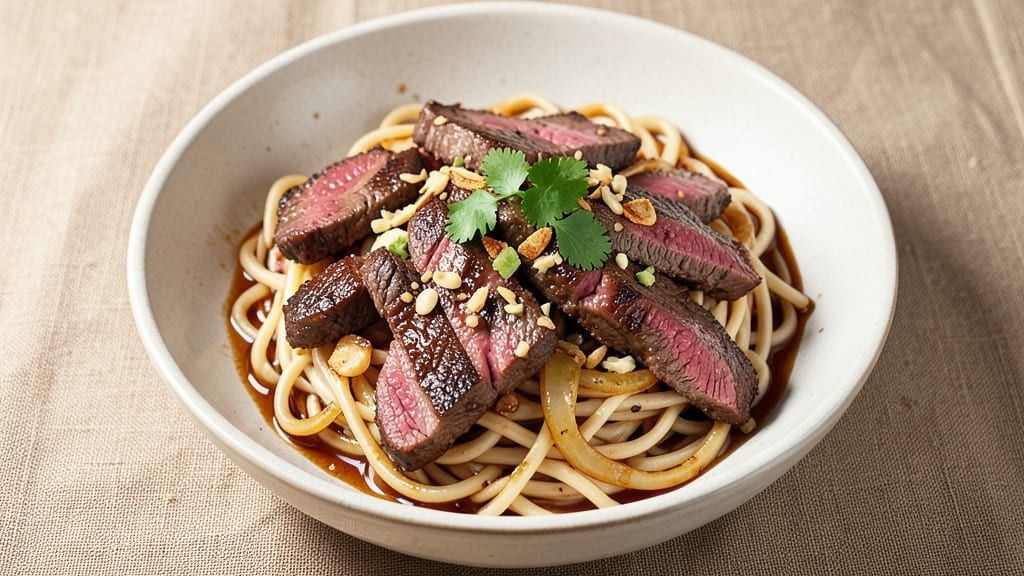
This stovetop beef and noodles recipe transforms simple ingredients into a restaurant-worthy bowl of rich, savory comfort. The secret lies in searing beef to lock in flavor, simmering it in a fragrant broth until tender, and finishing with noodles that soak up every last drop of that aromatic sauce.
I developed this method after years of testing—no pressure cooker, no shortcuts, just a hot stove and patience that pays off in every bite.
The beauty of this recipe is its flexibility—whether you want a quick weeknight meal or a weekend project, the technique stays the same. Thinly sliced beef cooks in minutes, releasing its juices into a broth that builds depth with garlic, ginger, and soy.
The noodles get tossed in at the end, absorbing the flavorful liquid while staying al dente. No soggy strands here; just perfectly textured noodles that cling to every strand of beef.
What you’ll end up with is a bowl that smells like home—steam rising from a deep, savory broth, tender beef that melts in your mouth, and noodles coated in a sauce so rich it disappears before you can take your last bite.
The broth reduces just enough to thicken slightly, creating a velvety consistency that clings to each noodle without being gluey. This is the kind of meal that disappears faster than you can say "second helping."
Serve it over steamed rice for extra heartiness or keep it classic with fresh herbs and a squeeze of lime. The leftovers reheat beautifully, making this a foolproof recipe for busy weeks. Ready to make your stove top shine? Let’s get started.
Ingredients for beef and noodles recipe stove top
Simple ingredients that build layers of flavor—no shortcuts, just rich, savory beef and noodles.
| Ingredient | Amount | Notes |
|---|---|---|
| Flank Steak 🥩 | 1 lb | Thinly sliced against grain |
| Egg Noodles 🍜 | 8 oz | Fresh or dried, al dente texture |
| Yellow Onion 🧅 | 1 whole | Thinly sliced, white and yellow parts |
| Garlic Cloves 🧄 | 6 cloves | Minced finely, aromatic |
| Fresh Ginger 🌿 | 2 tbsp | Finely grated, peel removed |
| Soy Sauce 🍶 | ½ cup | Light or all-purpose |
| Beef Broth 💧 | 2 cups | Low-sodium preferred |
| Dry Sherry 🍷 | ¼ cup | Or substitute with white wine |
| Sesame Oil 🫒 | 1 tbsp | Toasted, for finishing |
| Vegetable Oil 🫒 | 2 tbsp | High smoke point preferred |
| Cornstarch 🌾 | 1 tbsp | For thickening sauce |
| Green Onions 🧅 | ¼ cup | Sliced, for garnish |
| Salt 🧂 | 1 ½ tsp | Kosher or sea salt |
| Black Pepper 🌶️ | ½ tsp | Freshly ground |
The beef is everything here. Flank steak slices thinly against the grain for tender bites—ask your butcher to slice it if they won’t do it for you. Costco or Whole Foods usually have pre-sliced flank steak in their meat counter, which saves time. Look for bright red meat with good marbling. If you can’t find flank, sirloin or ribeye works too, but slice it extra thin. The egg noodles? Fresh is ideal—they hold their shape better than dried, but dried works in a pinch. Just cook them al dente and toss in at the end.
No sherry? Dry white wine or extra beef broth works just as well. Fresh ginger loses potency fast, so buy it small and use it up—the freezer is your friend here. The soy sauce matters: light or all-purpose keeps it balanced; dark adds sweetness. For the sesame oil, toasted is non-negotiable—it’s what gives that nutty aroma. If you’re using dried noodles, soak them in hot water for 5 minutes before adding to the broth to prevent sogginess. And that cornstarch slurry? Mix it with cold water first—hot water makes lumps.
This dish reheats like a dream—better the next day, honestly. Store leftovers in airtight containers for 4-5 days. Freeze portions for up to 3 months if you’re meal prepping. The broth thickens as it cools, so add a splash of water when reheating. Garnish with green onions and a drizzle of sesame oil right before serving—that’s when it smells best. Double the batch and freeze half; you’ll thank me later.
Why You'll Love This Recipe
- Here’s what sold me: this recipe doubles perfectly for leftovers, and the noodles hold up way better than you’d think. Pack the extra portions in containers, and you’ve got a hearty, protein-packed lunch that tastes just as good cold as it does hot. (Yes, even on a Tuesday night when you’re sick of salads.)
- One-Pot Magic: I swear by this recipe on nights when I’d rather not wash a million dishes. Just sear the flank steak, toss in the onions and ginger, then dump in the noodles—everything cooks together in the same pan. Minimal chopping, zero fuss, and that rich beef broth reduces right into the noodles like a hug in sauce form.
- Ginger-Garlic Bomb: Between us, the fresh ginger and garlic in this dish are everything. The ginger adds this bright, zesty kick that cuts through the richness of the beef, while the garlic? It caramelizes just enough to give every bite a deep, toasty punch. Not too sweet, not too sharp—just right, like someone tuned it for maximum flavor.
- Lunchbox Hero: Here’s what sold me: this recipe doubles perfectly for leftovers, and the noodles hold up way better than you’d think. Pack the extra portions in containers, and you’ve got a hearty, protein-packed lunch that tastes just as good cold as it does hot. (Yes, even on a Tuesday night when you’re sick of salads.)
Step-by-step instructions for stove-top beef and noodles
Here's how to create a rich, savory dish where every noodle soaks up flavorful beef broth.
Slice and Season the Flank Steak
Place the 1 lb flank steak on a cutting board and slice it thinly against the grain into ¼-inch strips. This ensures tender bites that cook quickly. Transfer the sliced steak to a bowl and season generously with 1.5 teaspoons salt and 0.5 teaspoon black pepper, tossing to coat evenly. Let it sit for 10 minutes while you prep the aromatics—this allows the seasoning to penetrate the meat.
While the steak seasons, thinly slice the whole yellow onion into half-moons and finely mince the 6 garlic cloves. Peel and grate the 2 tablespoons fresh ginger, removing any tough skin. These aromatics will form the flavor base of your dish, so take your time with even cuts—this makes all the difference in the final taste.
Sear the Beef and Aromatics
Heat 2 tablespoons vegetable oil in a large skillet or wok over medium-high heat until shimmering. Add the sliced flank steak in a single layer and sear undisturbed for 1-2 minutes until the edges turn deep golden brown. Stir and cook for another 1-2 minutes until the beef is 80% cooked—it should still have a slight pink center. Remove the steak and set aside on a plate.
In the same skillet, add the sliced onions and cook for 3-4 minutes until softened and slightly caramelized. Add the minced garlic and grated ginger, cooking for 30 seconds until fragrant—this prevents the garlic from burning. Pour in the 0.5 cup soy sauce and 0.25 cup dry sherry, scraping up any browned bits from the bottom of the pan. These bits are packed with flavor, so don't miss this step.
Simmer the Flavorful Broth
Return the beef to the skillet and add the 2 cups beef broth. Bring to a gentle boil, then reduce heat to medium-low and let it simmer for 5-7 minutes until the broth reduces slightly and the flavors meld together. Taste and adjust seasoning if needed—this is where you can add a pinch more salt or pepper if desired. The broth should be rich and savory, with a deep umami flavor from the soy sauce and sherry.
In a small bowl, whisk together the 1 tablespoon cornstarch with 2 tablespoons cold water to create a slurry. Slowly pour this into the simmering broth while stirring constantly. The sauce will begin to thicken almost immediately—keep stirring for 1-2 minutes until it reaches your desired consistency. If it thickens too much, add a splash of hot broth to loosen it.
Cook the Noodles and Finish
While the sauce thickens, cook the 8 oz egg noodles according to package instructions in a separate pot of boiling salted water until al dente. Drain and set aside, reserving ½ cup pasta water in case you need to adjust the sauce consistency later. Add the cooked noodles to the skillet with the beef and broth, tossing gently to coat them evenly in the sauce.
Remove from heat and stir in the 1 tablespoon sesame oil and 0.25 cup sliced green onions. Let the dish sit for 2-3 minutes to allow the flavors to meld together. The noodles should be fully coated in the rich, savory broth, with tender beef pieces peeking through. Serve immediately while hot, garnished with extra green onions if desired.
Pro Tips For Making Beef And Noodles Recipe Stove Top
- SEAR THE STEAK IN BATCHES: Flank steak releases a ton of liquid when you cut it—don’t drown it in its own juices. Slice it thin (¼-inch) first, then sear in two batches over medium-high heat. Crowd the pan, and the steak will steam instead of brown. Trust me, the first time I ignored this, I ended up with gray, soggy beef.
- GRATE THE GINGER FINE: Fresh ginger loses its punch when it’s chunky. Use the smallest holes on your grater or pulse it in a food processor until it’s almost like sand. A teaspoon of finely grated ginger will brighten the whole dish—skip this, and you’ll just taste "mild onion stew" instead.
- DON’T BOIL THE NOODLES RAW: I learned this the hard way: tossing uncooked egg noodles into the beef broth will turn them into mush. Par-cook them al dente (1-2 minutes less than package time), drain, and rinse with cold water to stop the cooking. Then add them to the pan—this keeps them tender but holds their shape.
- LET THE STEAK REST BEFORE SLICING: Slice that flank steak right after cooking, and it’ll shrink like a sad balloon. Give it 5 minutes under foil (yes, even if you’re impatient like me) to redistribute its juices. Cut against the grain for tenderness, and you’ll get fork-tender beef instead of chewy disappointment.
Make-ahead tips for beef and noodles recipe stove top
Broth Prep Ahead
Make the flavorful broth base the night before to save time—simmer the beef, aromatics, soy sauce, and sherry together, then store in an airtight container in the fridge. The flavors deepen overnight, and you’ll just need to reheat and thicken with cornstarch the next day.
I like to keep it in the skillet after searing, then refrigerate it all together for maximum convenience. 💫
Noodle Prep Shortcut
Cook the noodles ahead and store them in cold water in the fridge for up to 2 days. Drain, rinse with cold water, and toss with 1 tsp sesame oil to prevent sticking.
When ready to serve, reheat in boiling water for 30 seconds—they’ll be perfect every time. This trick saves 10 minutes on busy weeknights.
Freezer-Friendly Assembly
Assemble the entire dish except the noodles, then freeze in single-serving portions for up to 3 months. When reheating, thaw overnight in the fridge, then cook the noodles fresh and toss them in.
The broth will thicken slightly after freezing—just add 1-2 tbsp water when reheating to restore consistency. Perfect for meal prep! ❄️
Sauce Thickening Hack
If you’re prepping for multiple meals, make a double batch of sauce (without noodles) and freeze in ice cube trays. Pop out cubes and store in a freezer bag—thaw as needed and stir into fresh noodles.
This keeps the sauce from drying out and lets you control portion sizes perfectly. 🌡️
Garnish Prep Station
Slice all your green onions and store them in a small airtight container in the fridge for up to 5 days. Keep the sesame oil in a separate tiny jar—just add a quick drizzle when serving.
Prepping these garnishes ahead turns your dish into a 5-minute assembly when you’re ready to eat.
Reheating Like a Pro
For the best texture, reheat the beef and broth mixture on the stovetop over medium-low heat for 5-7 minutes, stirring occasionally. Add the noodles only in the last 2 minutes to prevent sogginess.
If using the microwave, cover loosely and heat in 1-minute bursts, stirring between each, until piping hot. The key is gentle heat—no boiling! 🔥
Nutrition facts
Frequently asked questions
Can I use ground beef instead of flank steak?
You can absolutely substitute! Use 1 lb lean ground beef (85/15 ratio) and brown it thoroughly in the skillet before adding aromatics. Ground beef works well but won't have the same tender texture as sliced flank steak. For extra flavor, press the beef into a thin patty before browning to create crispy edges.
How do I prevent the noodles from getting mushy?
Cook your noodles al dente (1 minute less than package instructions) and drain them well. Toss the hot noodles directly into the beef broth mixture off the heat—the residual heat will finish cooking them perfectly. Never add cold noodles to hot broth, as the temperature shock causes them to absorb too much liquid at once.
What's the best way to make this dish spicier?
Add 1-2 teaspoons of red pepper flakes when searing the beef, or stir in 1 tablespoon of gochujang (Korean chili paste) with the soy sauce. For heat control, add sliced jalapeños or serrano peppers at the end—remove seeds for milder spice. Finish with a squeeze of lime to balance the heat.
Can I make this recipe in a Dutch oven?
Yes! A Dutch oven works perfectly—its deep sides help prevent spills while tossing noodles. Use medium heat instead of high to avoid boiling over. The thick base also helps concentrate flavors during simmering. Just reduce the beef broth to 1.5 cups since Dutch ovens hold more liquid.
What if I don't have sherry?
No problem! Substitute with ½ cup dry white wine or ¼ cup beef broth + 1 teaspoon sugar to mimic the depth. For a non-alcoholic version, use ¼ cup apple cider vinegar + 1 teaspoon honey. The key is balancing acidity and sweetness—taste as you go and adjust if needed.