
Soups & Stews
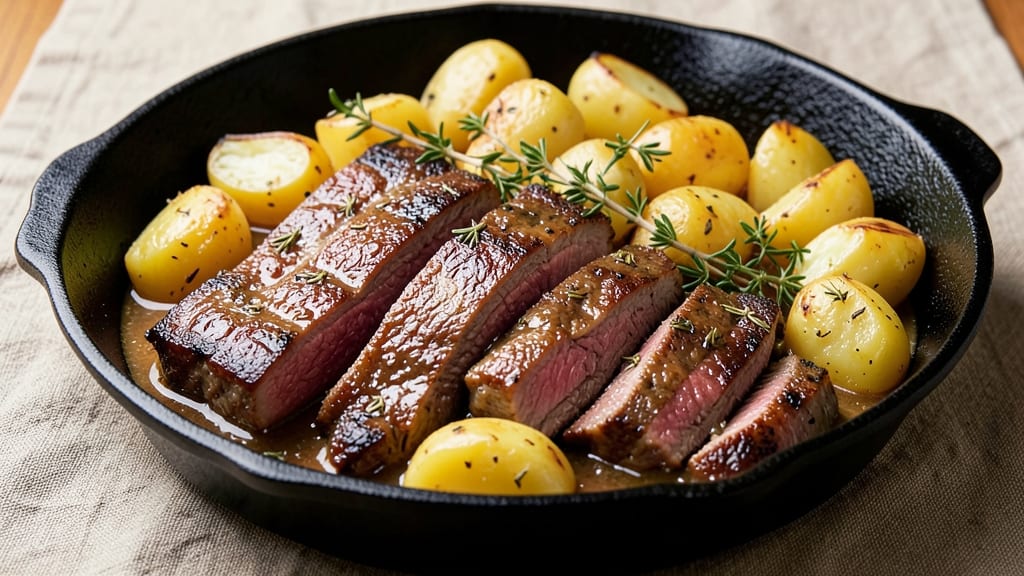
This beef and potato bake recipe delivers hearty, slow-cooked layers of melt-in-your-mouth potatoes and tender beef that transforms a simple meal into a comforting centerpiece.
The secret lies in browning the beef first to lock in flavor, then layering it with seasoned potatoes and herbs for a dish that feels indulgent yet straightforward.
Perfect for chilly evenings or family gatherings, this recipe builds rich, savory depth as it bakes, creating a crust on the potatoes while keeping the beef juicy and flavorful.
The beauty of this dish is its simplicity—just a few high-quality ingredients working together in harmony. You’ll start with a thick cut of beef (like chuck roast) that becomes fork-tender, while the potatoes develop a golden, caramelized crust from the slow bake.
A touch of Worcestershire sauce and thyme elevates the flavors, ensuring every bite is packed with depth. The result? A one-dish wonder that’s hearty enough to stand alone or pair with a crisp green salad for a complete meal.
What makes this recipe truly special is the textural contrast—creamy, buttery potatoes that practically fall apart alongside tender, seasoned beef. The slow cooking process infuses the dish with a satisfying richness, while the herbs and spices add layers of warmth.
It’s the kind of meal that feels like a hug on a plate, perfect for when you want something comforting without spending hours in the kitchen. Ready in about 2 hours, it’s a foolproof way to bring comfort to your table.
Serve this beef and potato bake with a side of steamed vegetables or a simple green salad to balance the richness. The leftovers reheat beautifully, making it an ideal make-ahead dish for busy weeks.
Whether you're feeding a crowd or treating yourself to a cozy dinner, this recipe delivers restaurant-quality results with minimal effort. Let’s get baking!
Ingredients for beef and potato bake
High-quality beef and potatoes create a rich, comforting bake with layers of savory depth.
| Ingredient | Amount | Notes |
|---|---|---|
| Chuck Roast 🥩 | 2 ½ lb | Thick cut, trimmed of excess fat |
| Yukon Gold Potatoes 🥔 | 3 lb | Medium size, cut into 1-inch cubes |
| Unsalted Butter 🧈 | ½ cup | Cold, cubed for even coating |
| All-Purpose Flour 🌾 | ¼ cup | For dredging beef slices |
| Worcestershire Sauce 🍶 | 1 tbsp | For depth of flavor |
| Fresh Thyme 🌿 | 1 tbsp | Leaves only, finely chopped |
| Garlic Cloves 🧄 | 4 cloves | Minced for even distribution |
| Dried Rosemary 🌿 | 1 tsp | Crushed between fingers |
| Kosher Salt 🧂 | 1 ½ tsp | Diamond Crystal preferred |
| Ground Black Pepper 🌶️ | 1 tsp | Freshly ground for best flavor |
| Beef Broth 💧 | 1 ½ cups | Low-sodium preferred |
| Heavy Cream 🥛 | ½ cup | Full-fat for creaminess |
| Fresh Parsley 🌿 | ¼ cup | Chopped for garnish |
The chuck roast is non-negotiable here—its marbling ensures tender, juicy beef after slow cooking. Costco and Walmart carry pre-cut chuck roast, but if buying whole, trim excess fat for cleaner slices. Yukon Gold potatoes develop the best creamy texture; Trader Joe's or local farmers markets often have them fresh. For the flour, King Arthur all-purpose works perfectly, but any high-quality brand will do. The Worcestershire sauce should be the heirloom-style variety—avoid the cheap imitations that lack depth.
No fresh thyme? Dried works at half the amount, but fresh brings that bright, aromatic punch. Substituting beef broth? Low-sodium chicken broth plus 1/2 tsp salt mimics the savory profile. The heavy cream can be swapped for full-fat coconut milk for a dairy-free option, though the texture will differ slightly. For the garlic, peeling ahead saves time—just don't chop until ready to use. The rosemary should be freshly crushed for maximum flavor, but if you only have dried, toast it lightly in a dry pan first to deepen its aroma.
This bake reheats beautifully—4-5 days in the fridge or up to 3 months frozen. For freezing, portion into individual servings before sealing. The potatoes release starch as they cool, so cover tightly to prevent drying**. Leftovers taste even better the next day as flavors meld. Store the beef and potatoes separately if reheating—this keeps the potatoes from turning gummy. Garnish with fresh parsley just before serving to brighten the dish.
Why You'll Love This Recipe
- One-Pan Magic: I swear by this when I’m too tired to scrub pots—just slice, layer, and bake. The chuck roast practically melts into tender perfection while the potatoes soak up all that rich butter and Worcestershire goodness.
- Deep Umami Boom: That flour slurry and Worcestershire sauce? It’s the secret weapon. The beef stays juicy with a glossy, savory crust, and the potatoes get this buttery, caramelized edge that’s dangerously hard to stop eating.
- Leftovers for Days: Between us, this dish tastes even better the next day. I make a double batch on Sundays—some for dinner, some for lunches—and honestly? No one notices it’s reheated. (Yes, even my picky teenager.)
- Budget Feast: Chuck roast stretches farther than steak, and Yukon Golds are cheaper than fingerlings but just as creamy. For under $15, I feed four people a meal that feels like a restaurant dish—no fancy ingredients, just pure satisfaction.
Step-by-step instructions for beef and potato bake
This method delivers perfectly tender beef and creamy potatoes with a rich, savory sauce.
Prepare the Chuck Roast and Potatoes
Begin by trimming the 2.5 lb chuck roast of any excess fat, leaving about ¼ inch of fat cap for flavor. Using a sharp knife, slice the roast into ½-inch thick slices—about 6-8 slices depending on thickness. Pat each slice dry with paper towels to ensure a good sear later.
Next, peel and cut the 3 lb Yukon Gold potatoes into 1-inch cubes, ensuring they're all roughly the same size for even cooking. Place both the potato cubes and beef slices in separate bowls. In a small bowl, whisk together 1.5 tsp kosher salt, 1 tsp ground black pepper, 1 tsp dried rosemary, and 1 tbsp finely chopped fresh thyme. Sprinkle this seasoning evenly over the potatoes and beef, tossing to coat completely.
Sear the Beef and Parboil the Potatoes
Heat a large oven-safe skillet over medium-high heat and add 2 tablespoons of the 0.5 cup unsalted butter, allowing it to melt and foam. Working in batches, add the beef slices and sear for 2-3 minutes per side until deep golden brown and cooked to 145°F internally. Transfer the seared beef to a plate and tent with foil to keep warm.
In the same skillet, melt another 2 tablespoons of the 0.5 cup unsalted butter over medium heat. Add the seasoned potatoes in a single layer and cook for 5 minutes, stirring occasionally, until they begin to brown slightly. Pour in 1 cup of the 1.5 cups beef broth and bring to a simmer. Cover and cook for 8-10 minutes until the potatoes are tender but not falling apart. Drain any excess liquid and return the potatoes to the skillet.
Build the Bake and Create the Sauce
Return the seared beef slices to the skillet with the potatoes. Sprinkle the 0.25 cup all-purpose flour evenly over the top, then pour in the remaining 0.5 cup beef broth and 1 tbsp Worcestershire sauce. Stir gently to combine, allowing the flour to toast slightly for 1-2 minutes until the mixture thickens into a light roux.
Reduce heat to medium-low and stir in the 0.5 cup heavy cream and the 4 minced garlic cloves. Let the sauce simmer for 3-4 minutes until it thickens slightly and coats the back of a spoon. The sauce should be smooth but still slightly glossy—if it's too thick, add 1-2 tablespoons of water to loosen it. Taste and adjust seasoning with additional kosher salt or black pepper if needed.
Finish in the Oven for Maximum Flavor
Transfer the skillet to a 400°F preheated oven and bake for 20-25 minutes until the potatoes are fork-tender and the beef reaches 160°F internally. The top should be golden brown with bubbles forming around the edges. If the sauce starts to thicken too much during baking, loosely cover the skillet with foil for the last 5 minutes to prevent over-browning.
Remove from the oven and let the bake rest for 5 minutes before serving. Garnish with 0.25 cup chopped fresh parsley just before serving. The potatoes should be creamy and buttery, the beef tender and flavorful, and the sauce rich and velvety, perfectly coating every bite.
Pro Tips For Making Beef And Potato Bake
- SEAR THE CHUCK ROAST: I used to skip this and just toss the raw roast into the oven—big mistake. Hit that chuck with a hot pan (no oil needed) until it’s deep brown on all sides. The crust locks in flavor and keeps the meat from drying out later.
- CUT POTATOES UNIFORM: I learned this the hard way—uneven slices mean some potatoes turn to mush while others stay rock-hard. Aim for ½-inch chunks, all roughly the same size, so they cook through at the same time.
- DON’T SKIP THE REST: After browning the meat, let it sit for 5 minutes before adding liquid. This lets the juices redistribute—trust me, you’ll see the difference when you slice into tender, not stringy, beef.
- USE COLD BUTTER: Melted butter in the sauce feels lazy, but cold butter in the roux (flour + butter) makes a real difference. It coats the potatoes better and gives that rich, velvety texture we all crave. Just melt it down slowly.
Regional styles of beef and potato bake
British Shepherd's Pie
In the UK, this dish is often called shepherd's pie when made with lamb instead of beef. The British version typically uses minced lamb instead of sliced roast, mixed with onions, carrots, and peas for a hearty filling.
The potatoes are mashed with butter and milk, then baked on top to create a golden crust. I love how the British version often includes a sprinkle of grated cheddar on top before baking for extra richness. 🥔
Irish Boxty Bake
In Ireland, a similar dish called boxty bake swaps potatoes for grated raw potatoes mixed with mashed potatoes and flour, creating a pancake-like base. The beef is often replaced with Irish stew meat (like lamb or beef chuck), slow-cooked with onions and Guinness for depth.
The dish is then topped with the boxty mixture and baked until golden. This version has a unique, slightly crispy texture from the potato pancake topping.
French Gratin Dauphinois
While not identical, French gratin dauphinois shares the potato-baked concept but focuses on the potatoes. Thinly sliced potatoes are layered with crème fraîche, garlic, and nutmeg, then baked until bubbly.
In a French-inspired beef and potato bake, you might layer thinly sliced potatoes with beef bourguignon (beef braised in red wine) for a luxurious twist. The French version often finishes with a sprinkle of Gruyère cheese for a nutty flavor.
American Pot Roast
In the US, this dish is often called beef pot roast or country-style pot roast, especially in rural areas. The American version frequently includes carrots and celery along with the potatoes, all slow-cooked in a Dutch oven with beef broth and herbs.
The potatoes are typically whole and halved, placed on top of the beef to soak up the flavors. I find the American version often includes a brown gravy poured over the top before serving, adding extra richness.
Canadian Tourtière
While not a direct match, Canada's tourtière (a spiced meat pie) sometimes includes potatoes in modern variations. Traditionally made with ground pork, veal, or beef, it's spiced with cinnamon, cloves, and allspice.
A Canadian-inspired beef and potato bake might combine tourtière spices with the potato bake technique, creating a sweet-savory hybrid dish. The potatoes would be layered with the spiced meat mixture and baked until tender and caramelized.
Scandinavian Potato Stew
In Scandinavian countries, a similar dish called potato stew often features beef or pork slow-cooked with potatoes, onions, and sometimes prunes or raisins for sweetness. The Swedish version, fläsklägg med rotmos, includes pork and mashed root vegetables, but a beef adaptation would work beautifully.
The Scandinavian approach often includes mustard seeds and dill for a bright, herby flavor profile that pairs wonderfully with the rich beef and potatoes.
Nutrition facts
Frequently asked questions
Can I use ground beef instead of sliced chuck roast?
Yes, but the texture will differ. Ground beef works well for a heartier, more rustic bake—just brown it thoroughly in batches first to avoid dryness. Use 1.5 lbs ground beef (85% lean) and season it with the same herbs and Worcestershire sauce. The cooking time will be slightly shorter (15-20 minutes in the oven), but you may need to add 2 extra tablespoons of beef broth to keep everything moist.
Why did my potatoes turn out gummy instead of creamy?
This usually happens from overcooking or not draining excess liquid after parboiling. For creamy potatoes, ensure you drain them well after the 8-10 minute simmer and pat them dry with a paper towel before baking. Also, avoid covering the bake with foil too early—let the top develop a crust first to trap steam properly.
Can I make this ahead of time?
This dish actually tastes better the next day as flavors meld. Assemble it completely, then refrigerate for up to 4 days before baking. For freezing, bake it first, then cool completely, portion into individual servings, and freeze for up to 3 months. Reheat covered at 350°F for 20-25 minutes until warmed through.
What's the best way to reheat leftovers?
For best results, cover the bake with foil and reheat at 325°F for 20-25 minutes—this prevents the potatoes from drying out. If using the microwave, cover with a damp paper towel and heat in 30-second intervals until warmed. For extra richness, add 1-2 tablespoons of beef broth when reheating in the oven.
Can I substitute sweet potatoes for Yukon Gold?
Yes, but expect a slightly different texture and flavor. Sweet potatoes will be denser and sweeter—reduce the baking time by 5-10 minutes and add ½ teaspoon cinnamon to complement their natural sweetness. For best results, cut them ¼-inch thinner than the Yukon Gold cubes to ensure even cooking.