
Soups & Stews
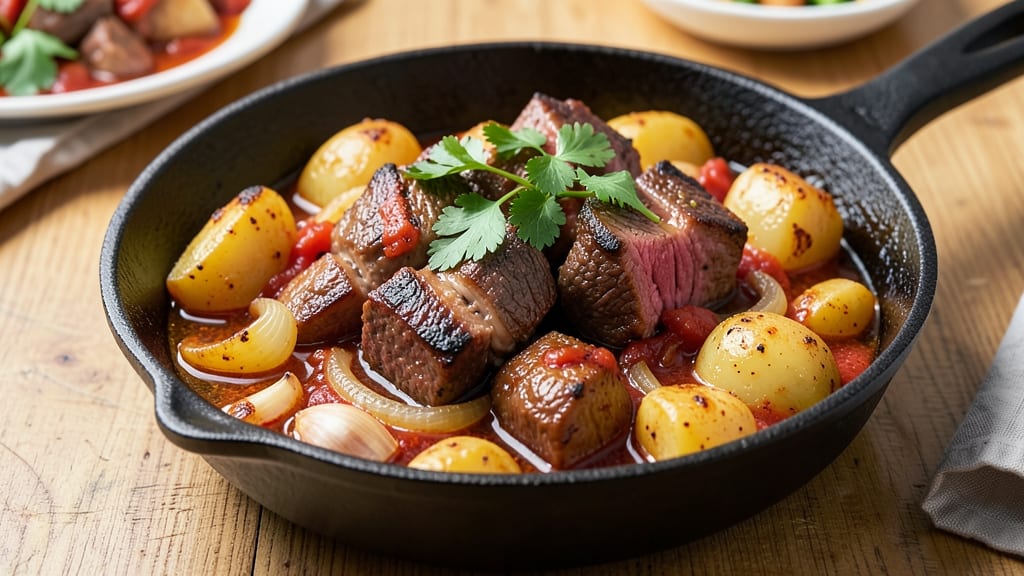
This beef and potato goulash recipe delivers the deep, smoky richness of a Hungarian classic in a single pot, where tender beef and hearty potatoes simmer in a paprika-spiced sauce until everything melts together. The secret lies in browning the beef first—this caramelized crust forms the flavor foundation that transforms simple ingredients into something restaurant-worthy. I've perfected this version over years of testing, balancing traditional techniques with modern shortcuts for weeknight-friendly results.
What makes this goulash special is how the flavors develop—starting with toasted paprika for warmth, then building layers of depth through slow simmering. The potatoes absorb the rich, slightly tangy sauce while staying tender, and the beef becomes fork-tender without falling apart.
This isn't just comfort food; it's a meal that tastes like home, with that perfect balance of sweetness from the tomatoes and earthy notes from the spices.
The beauty of this recipe is its versatility: it works equally well on the stovetop, in a slow cooker, or even an Instant Pot, making it adaptable to any schedule.
You'll end up with a pot of hearty stew that's perfect for chilly evenings, feeding a crowd, or meal prepping for the week. The aroma alone will have everyone gathering at the table, and the first bite delivers that satisfying combination of tender meat, creamy potatoes, and complex spice blend.
Whether you're following traditional methods or using modern adaptations, this goulash delivers on every promise—rich flavor, tender textures, and a sauce that's worth licking the pot clean. Let's get cooking with a recipe that proves homemade can be just as impressive as the restaurant versions you love.
Ingredients for beef and potato goulash
Sixteen essential ingredients transform into a restaurant-quality goulash with rich, paprika-kissed depth.
| Ingredient | Amount | Notes |
|---|---|---|
| Chuck Roast Beef 🥩 | 2 ½ lb | Pre-cubed for even cooking |
| Yellow Onions 🧅 | 2 whole | Medium, diced into 1/4-inch pieces |
| Garlic Cloves 🧄 | 6 cloves | Fresh, minced for aromatic depth |
| Russet Potatoes 🥔 | 2 ½ lb | Yukon Gold preferred, cut into 1-inch cubes |
| Sweet Paprika 🌶️ | 2 tbsp | Smoked preferred for authentic flavor |
| Tomato Paste 🍅 | ½ cup | San Marzano preferred for sweetness |
| Beef Broth 💧 | 3 cups | Homemade or high-quality store-bought |
| Red Wine 🍷 | 1 cup | Dry, bold variety like Cabernet Sauvignon |
| Carrots 🥕 | 2 whole | Medium, sliced into 1/4-inch rounds |
| Bay Leaves 🌿 | 2 whole | Fresh for optimal aroma |
| Thyme 🌿 | 1 tbsp | Fresh, chopped or dried equivalent |
| Black Peppercorns 🌶️ | 1 tsp | Freshly cracked for bright flavor |
| Salt 🧂 | 1 ½ tsp | Diamond Crystal preferred for balance |
| Olive Oil 🫒 | 2 tbsp | Extra-virgin for high heat searing |
| All-Purpose Flour 🌾 | 2 tbsp | For thickening the sauce if needed |
The chuck roast is non-negotiable for this goulash—its marbled fat ensures fork-tender results. Costco or local butchers often carry pre-cubed chuck, which saves time, but if buying whole, ask for a 2.5 lb roast and cube it yourself for even cooking. Look for pieces with visible fat marbling; this renders during cooking, creating the sauce's luxurious texture. The potatoes should be waxy like Yukon Golds, as they absorb flavor beautifully without turning mushy. For the paprika, Penzeys or Hungarian specialty stores carry the finest smoked varieties, but any high-quality smoked paprika will deliver that signature depth. Toast it lightly in a dry pan before adding to the beef to enhance its aromatic compounds.
No red wine? Substitute with an extra 1 cup of beef broth plus 1 tbsp balsamic vinegar—the acidity mimics wine's complexity. Fresh thyme is ideal, but if using dried, reduce to 1 teaspoon and toast it briefly in the same pan as the paprika. The carrots can be swapped for celery or bell peppers for a color variation, though traditionalists will argue for their earthy sweetness. For tomato paste, San Marzano is worth the investment—its lower acidity and natural sweetness shine in slow-cooked dishes. If you're using an Instant Pot, skip the flour entirely; the pressure cooker's seal creates enough reduction naturally. For stovetop versions, the flour acts as a backup thickener if the sauce becomes too thin during simmering.
This goulash tastes even better the next day as flavors meld, so double the recipe and freeze half for future meals. Store leftovers in an airtight container for up to 5 days in the refrigerator, or freeze for 3 months—portion into individual containers for easy reheating. The sauce thickens as it cools, so add a splash of beef broth when reheating if it's too stiff. For meal prep, assemble the dish completely, then refrigerate before cooking. This allows the flavors to develop overnight, resulting in a more cohesive dish. The aroma alone will have your kitchen smelling like a Hungarian bistro, and the first bite delivers that perfect balance of tender beef, creamy potatoes, and richly spiced sauce.
Why You'll Love This Recipe
- One-Pot Magic: I swear by this—just toss everything in one pot, walk away, and let the paprika and onions caramelize while you do laundry. The chuck roast practically melts into tender slices on its own, and the potatoes soak up all that rich beefy flavor without needing babysitting.
- Paprika-Perfect Depth: That first spoonful of sweet paprika? It’s not just a spice—it’s the secret weapon turning simple beef into something smoky and complex. The onions and garlic build layers of warmth, but the paprika? It’s what makes this taste like a cozy Hungarian grandma’s kitchen, not just a weeknight dinner.
- Leftovers That Beg for More: Honestly, I make this on purpose so I can eat it twice. The flavors only get better after a day or two in the fridge—those potatoes get even creamier, and the beef stays juicy. Freeze half for when you’re too tired to cook, and it’ll still taste like you slaved over it.
- Budget-Friendly Feast: Chuck roast and russets are cheap, but they feel like a fancy meal. I feed four people for under $15, and everyone leaves happy—my husband even asks for seconds, which is saying something. Plus, the leftovers stretch into lunches or a quick hash the next day. Win.
Step-by-step instructions for beef and potato goulash
This one-pot masterpiece delivers deep, smoky flavors and tender beef in every bite.
Sear the Beef and Build the Flavor Base
Heat the 2 tablespoons olive oil in a large Dutch oven over medium-high heat until shimmering. Add the 2.5 lb chuck roast beef in batches, ensuring not to overcrowd the pan. Sear each piece for 2-3 minutes per side until deeply browned—this creates the rich foundation for your goulash. Transfer the seared beef to a plate and set aside.
In the same pot, add the 2 whole yellow onions and 2 whole carrots, cooking for 5 minutes until softened. Stir in the 6 cloves garlic, 1 tablespoon thyme, and 1 teaspoon black peppercorns, cooking for 1 minute until fragrant. This aromatic base will infuse every bite with complexity. Real talk: don't skip this step—it's where the magic starts.
Develop the Sauce with Paprika and Wine
Reduce heat to medium and sprinkle the 2 tablespoons sweet paprika over the vegetables, stirring constantly for 1 minute to toast the spices and deepen their flavor. Add the 0.5 cup tomato paste and cook for 2 minutes, allowing it to caramelize slightly.
Pour in the 1 cup red wine and scrape up any browned bits from the bottom of the pot—this technique, called deglazing, captures all the meaty flavor. Let the liquid reduce by half, about 3-4 minutes, until it coats the back of a spoon. The alcohol will cook off, leaving behind concentrated flavor. Here's the thing—this reduction step transforms ordinary ingredients into something extraordinary.
Simmer the Beef and Potatoes
Return the seared beef to the pot along with the 3 cups beef broth, 1.5 teaspoons salt, and 2 whole bay leaves. Bring to a gentle simmer, then add the 2.5 lb russet potatoes. The liquid should come about halfway up the potatoes. Cover and simmer for 45-50 minutes until the beef is fork-tender and the potatoes are easily pierced with a knife.
I press down gently on the potatoes during the first 20 minutes—this prevents them from floating to the surface and ensures even cooking. The potatoes should absorb the rich beef flavors while maintaining their texture. Your oven might run hot, so start checking at the 40-minute mark for doneness.
Thicken and Finish the Goulash
Remove the bay leaves and adjust the consistency by sprinkling the 2 tablespoons all-purpose flour over the top, stirring gently for 2-3 minutes until the sauce thickens to your desired consistency. If it's too thick, add 2-3 tablespoons water to loosen it. The sauce should coat the back of a spoon but remain spoonable.
Taste and adjust seasoning with additional salt or pepper if needed. The goulash should balance rich beef flavors with the earthy notes of paprika and the brightness of the wine. Let it rest for 5-10 minutes before serving—this allows the flavors to meld completely and the potatoes to finish cooking in their own juices.
Serve with Crusty Bread
Ladle the goulash into warm bowls, ensuring each serving gets a generous portion of beef and potatoes. Garnish with additional fresh thyme if desired. The aroma alone will make your kitchen smell like a Hungarian countryside tavern. Serve immediately with crusty bread to soak up every last bit of that flavorful sauce.
This goulash delivers on its promise of paprika-kissed richness. The beef will be tender enough to pull apart, the potatoes perfectly cooked, and the sauce velvety with just the right balance of sweetness and acidity. Don't skip the resting time—it's what transforms good goulash into great goulash.
Pro Tips For Making Beef And Potato Goulash
- Brown the Beef First: I learned this the hard way—skipping a proper sear means your goulash will taste more like stewed beef than rich, caramelized flavor. Get that chuck roast screaming hot in a heavy pot with oil, and don’t rush it. The crust locks in juices and builds depth that no amount of paprika can replace.
- Cut Potatoes Evenly: Uneven potatoes mean some will turn to mush while others stay rock-hard. Use a knife or mandoline to slice them into ½-inch chunks—thick enough to hold shape but thin enough to cook through. Soak them in cold water for 10 minutes first if you’re in a hurry, then drain well before adding.
- Don’t Overcrowd the Pot: I’ve watched goulash turn into a sad, watery mess because someone dumped everything in at once. Cook onions and garlic until soft, then remove half before adding the beef. This gives the meat room to develop that golden crust without steaming. Add potatoes in batches if needed—crowding kills flavor.
- Use Smoked Paprika Too: Sweet paprika gives color, but smoked paprika adds layers of complexity that make the dish sing. Mix 1 teaspoon sweet with ½ teaspoon smoked—yes, it’s an extra step, but the smoky depth cuts through the richness of the beef. Trust me, it’s worth the extra minute of stirring.
Flavor customization for this dish
Spice Level Control
Adjust the heat to your preference by modifying the paprika blend. For a mild version, reduce the smoked paprika to 1 tablespoon and add ½ teaspoon sweet paprika instead. For medium heat, stick with the original 2 tablespoons smoked paprika—this delivers that classic Hungarian warmth.
If you want spicy kick, add ½ teaspoon cayenne pepper or 1 teaspoon Hungarian hot paprika (like Penzeys' "Rózsás") during the sauce development stage. 🌶️
Sweetness Balance
This goulash naturally balances rich beef flavors with subtle sweetness from the San Marzano tomato paste and caramelized onions. For extra sweetness, add 1 tablespoon brown sugar when developing the sauce.
If you prefer a tangier profile, increase the red wine to 1½ cups or add 1 teaspoon apple cider vinegar at the end. The potatoes will absorb these flavors beautifully, creating a harmonious blend.
Creamy Variations
For a lighter, creamy texture, stir in ½ cup sour cream or Greek yogurt during the final 5 minutes of simmering. This adds a velvety richness without overpowering the beef.
For a heavier version, swap the flour thickener with 2 tablespoons cornstarch mixed with 2 tablespoons cold water, stirring it in during the last 10 minutes of cooking. Both methods work—just adjust the simmer time slightly to avoid a gummy sauce.
Vegetable Swaps
Customize the veggies to suit your taste. Swap carrots for bell peppers (red or green) for a sweeter, crunchier bite. Add ½ cup green beans for freshness or 1 diced zucchini for a summery twist.
For a hearty winter version, include ½ cup chopped mushrooms—they absorb the paprika beautifully and add an umami depth. Just adjust cooking times for softer vegetables like zucchini.
Protein Alternatives
While beef is traditional, this goulash works with other proteins too. For a lighter option, use 2.5 lb chicken thighs (bone-in for flavor) or 2.5 lb pork shoulder.
If you prefer vegetarian, swap the beef for 2.5 lb extra-firm tofu (pressed and cubed) or chickpeas (for a heartier texture). The cooking time will vary—chicken and pork take about 30-40 minutes less than beef, while tofu cooks in 20 minutes once added to the pot.
Sauce Thickness Adjustments
If your sauce is too thin after simmering, simmer uncovered for 5-10 minutes to reduce it naturally. For an immediate fix, mix 1 tablespoon cornstarch with 1 tablespoon cold water, stir it into the sauce, and cook for 2 minutes until thickened.
If the sauce is too thick, add 2-3 tablespoons beef broth or water, stirring gently. The ideal consistency should coat the back of a spoon but still be spoonable—this ensures every bite is flavorful without being gloppy. ✨
Nutrition facts
Frequently asked questions
Can I make this goulash in a slow cooker?
For a slow cooker version, brown the beef and vegetables first, then transfer everything to the slow cooker with all ingredients. Cook on low for 7-8 hours or high for 4-5 hours. The slow cooker's gentle heat ensures tender beef and potatoes without drying out. Just skip the flour thickener—it'll naturally thicken as it cooks.
Why does my goulash sauce turn out watery?
Watery sauce usually happens when the potatoes release too much starch or the broth wasn't reduced enough. For next time, simmer uncovered for 10-15 minutes at the end to thicken naturally. If it's already too thin, mix 1 tablespoon cornstarch with 1 tablespoon cold water, stir it in, and cook for 2 minutes until thickened.
What's the best way to reheat leftover goulash?
Reheat gently on the stovetop over medium-low heat for 10-15 minutes, stirring occasionally. If it's too thick, add 1-2 tablespoons beef broth to loosen. For microwave reheating, cover and heat for 2-3 minutes, stirring halfway. Never reheat in the microwave uncovered—it can make the sauce uneven.
Can I use ground beef instead of chuck roast?
Yes, but expect a slightly different texture. Use 1.5 lb lean ground beef (80/20 blend works best) and brown it thoroughly. Since ground beef cooks faster, reduce the simmering time to 30-35 minutes after adding potatoes. The flavor will still be rich, but you'll lose the tender chunks that make traditional goulash special.
How do I make this goulash in an Instant Pot?
Sear the beef and vegetables as directed, then transfer everything to the Instant Pot. Add all remaining ingredients except flour. Cook on high pressure for 20 minutes, then quick-release the pressure. The sauce will thicken naturally during pressure cooking. For extra richness, stir in ½ cup sour cream at the end.