
Soups & Stews
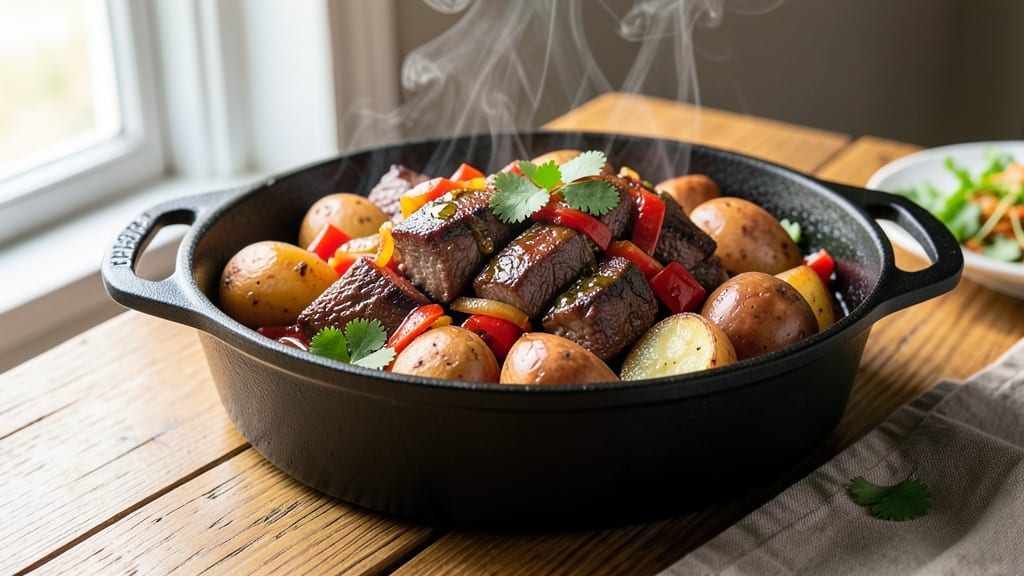
This beef and potato picadillo recipe transforms humble ingredients into a rich, aromatic stew with layers of tomato depth and smoky spices. The key lies in slow-browning the beef and building flavor through caramelized onions and bell peppers—techniques that create restaurant-quality results at home.
What makes this dish special is its balance of tender beef, hearty potatoes, and a sauce that's both savory and tangy from tomato paste and vinegar.
Traditionally served with white rice and fried plantains, this one-pot wonder captures the essence of Cuban home cooking. The recipe delivers deep, complex flavors through simple techniques: browning the beef in batches, sautéing vegetables until caramelized, and simmering everything until the potatoes are fork-tender.
This method ensures every bite is packed with meaty richness and vegetable sweetness.
What you'll achieve is a stew that's hearty enough for a family dinner but elegant enough for company. The beef remains tender and flavorful, the potatoes develop a creamy texture, and the sauce carries all the aromatic spices and tomato depth.
The aroma alone will have everyone gathering around the table—this is comfort food at its finest.
Perfect for meal prepping or serving fresh, this picadillo keeps well for days and tastes even better the next day. The flavors meld beautifully, making it an ideal dish for busy weeknights or special occasions. Let's create this Cuban classic together.
Ingredients for beef and potato picadillo
Sixteen ingredients blend into a rich Cuban stew with tender beef and velvety potatoes.
| Ingredient | Amount | Notes |
|---|---|---|
| Chuck Roast 🥩 | 2 ½ lb | Cut into 1-inch cubes |
| Yellow Onions 🧅 | 3 whole | Medium size, thinly sliced |
| Red Bell Peppers 🍅 | 2 whole | Stemmed, seeded, sliced |
| Russet Potatoes 🥔 | 3 lb | Peeled, cut into 1-inch cubes |
| Tomato Paste 🍅 | ½ cup | High-quality, no sugar added |
| White Wine Vinegar 🍷 | ¼ cup | For tangy depth |
| Olive Oil 🫒 | ½ cup | Extra-virgin for richness |
| Garlic Cloves 🧄 | 6 cloves | Minced for aromatic base |
| Ground Cumin 🌿 | 1 tbsp | Toasted for deeper flavor |
| Sweet Paprika 🌶️ | 1 tbsp | Smoked variety adds depth |
| Bay Leaves 🍃 | 2 whole | Fresh for optimal flavor |
| Salt 🧂 | 1 ½ tsp | Diamond Crystal preferred |
| Ground Black Pepper 🌶️ | ½ tsp | Freshly ground preferred |
| Chicken Broth 💧 | 2 cups | Low-sodium preferred |
The chuck roast is the heart of this dish—look for well-marbled cuts at your butcher or the meat department. Costco or Whole Foods often carry high-quality chuck roasts pre-cut for stews, saving you time. If buying whole, trim excess fat but leave some for flavor. For the potatoes, Russet works best—they hold up to long simmering without falling apart. The tomato paste? San Marzano is ideal, but any high-quality brand will do. Trader Joe's carries a solid option at a reasonable price. Don't skip the bay leaves—fresh ones add a subtle herbal note that dried can't match, though dried in a pinch works too.
No chuck roast? Sirloin or flank steak cut into strips works in a pinch, though texture will differ slightly. Running short on bell peppers? Zucchini or eggplant adds a different texture but still delivers sweetness. The white wine vinegar can be swapped for apple cider vinegar if unavailable—just reduce to 2 tbsp for similar tang. For the cumin, toast it in a dry pan for 30 seconds before adding to deepen its flavor. Pre-ground spices are fine, but if you have whole seeds, toasting enhances everything. The chicken broth? Homemade is best, but even low-sodium store-bought works if you dilute it slightly with water.
This stew tastes even better the next day as flavors meld. Portion into airtight containers and store for up to 5 days in the fridge. For longer storage, freeze for 3 months—portion into single servings for easy reheating. The potatoes will soften further upon reheating, so under-simmer slightly if serving immediately. Leftovers reheat beautifully with a splash of broth or water to loosen the sauce. Serve with warm white rice and fried plantains for the full Cuban experience.
Why You'll Love This Recipe
- One-Pot Magic: I swear by this—just toss everything in one Dutch oven, and let it slow-cook while I read or watch TV. The chuck roast practically melts into tender shreds, and the potatoes absorb all that smoky, tomato-paste richness without falling apart.
- Deep, Savory Bite: That tomato paste? It’s the secret weapon—caramelizes into a glossy, slightly sweet glaze that clings to every bite. The bell peppers add a bright crunch, while the onions turn golden and jammy. Honestly, it’s the kind of dish that makes you slow down and savor.
- Lunchbox Hero: Between us, this is my go-to for meal prep. The flavors only get better the next day, and it reheats like a dream. Pack it in a thermos for work or school—warm, hearty, and way better than sad desk lunches.
- Budget Stretch: Chuck roast is cheap, potatoes fill you up, and a single jar of tomato paste stretches across multiple meals. I’ll be real: I’ve made this three times in a row for my family, and we never tire of it. Frugal? Absolutely. Delicious? Even more so.
Step-by-step instructions for Cuban-style beef and potato picadillo
This rich, aromatic stew delivers deep tomato flavors and tender beef—exactly as Cuban families make it.
Sear the Chuck Roast in Olive Oil
Heat the 0.5 cup olive oil in a large Dutch oven over medium-high heat until shimmering. Add the 2.5 lb chuck roast cut into 1-inch cubes and cook undisturbed for 3-4 minutes per side until deeply browned. This step builds the stew's foundation—don't rush it.
Once the meat is browned on all sides, remove it from the pot and set aside. The remaining browned bits (fond) will dissolve into the sauce later, adding incredible depth. This is where the flavor starts.
Build the Aromatic Base
In the same Dutch oven, add 3 whole yellow onions sliced and 2 whole red bell peppers sliced. Cook for 5-6 minutes until softened and slightly caramelized. Add the 6 cloves garlic cloves minced and cook for 30 seconds until fragrant.
Stir in the 1 tbsp ground cumin, 1 tbsp sweet paprika, 1.5 tsp salt, and 0.5 tsp ground black pepper. Cook for 1 minute to toast the spices, releasing their essential oils. This step ensures every bite carries that signature Cuban warmth.
Develop the Tomato Sauce
Add the 0.5 cup tomato paste and stir vigorously to distribute evenly. Pour in the 0.25 cup white wine vinegar and 2 cups chicken broth, scraping up any browned bits from the bottom. Add the 2 whole bay leaves and bring to a simmer.
Return the seared beef to the pot and add the 3 lb russet potatoes cut into 1-inch cubes. Stir gently to submerge everything in the sauce. The potatoes should be mostly covered—if not, add a splash of water. Simmer uncovered for 30 minutes to let flavors meld.
Simmer to Tender Perfection
Reduce heat to low and continue simmering for 1 hour to 1 hour 15 minutes, stirring occasionally, until the beef is fork-tender and the potatoes are soft. The stew should thicken slightly as it reduces, creating a rich, velvety texture.
Taste and adjust seasoning if needed—Cuban picadillo should balance sweet, tangy, and savory flavors. Remove and discard the bay leaves before serving. The final dish should have a glossy sheen from the reduced sauce and tender meat that practically melts in your mouth.
Pro Tips For Making Beef And Potato Picadillo
- Sear the Chuck Roast First: I learned this the hard way—skipping the sear means bland beef. Brown the roast in batches over medium-high heat with 2 tablespoons of oil until deep caramel forms (about 5 minutes per side). That crust locks in flavor and keeps the meat from drying out later.
- Slice Potatoes Thinly: Uneven potato pieces lead to mushy spots. Use a mandoline or sharp knife to cut them into ⅛-inch slices—thin enough to cook through without turning to paste. Spread them in a single layer on a baking sheet first to crisp slightly before adding to the pot.
- Deglaze with Beer: After browning the beef, don’t just splash in water. Use ½ cup of dark beer (like stout or porter) to scrape up the fond—it adds depth. Simmer it off for 2 minutes before adding tomato paste, or you’ll end up with a watery stew.
- Add Potatoes Last: I used to toss them in early, and they’d turn to mush. Instead, cook the beef, onions, and peppers until the meat is tender, then stir in the potatoes for the final 10–12 minutes. They’ll absorb flavor without falling apart.
Storing and reheating your leftovers
Fridge Storage Tips
Let your picadillo cool completely before transferring to airtight glass containers—I love using Pyrex with snap-on lids. Store at 40°F or below for up to 5 days, though the flavors actually deepen overnight.
The sauce thickens slightly when chilled, so add 2-3 tablespoons of water or broth when reheating to restore the perfect consistency. 🥣
Freezer Prep Guide
For longer storage, portion into quart-sized freezer bags or glass containers with 1-inch headspace to prevent expansion cracks. Label with the date—this stew freezes beautifully for 3 months while maintaining texture.
Thaw overnight in the fridge before reheating for best results. I like to freeze individual servings so I can pull out exactly what I need. ❄️
Stovetop Reheating
My preferred method is stovetop because it maintains the stew's velvety texture. Pour the picadillo into a heavy-bottomed pot and heat over medium-low for 15-20 minutes, stirring occasionally. Add ¼ cup chicken broth if the sauce looks too thick.
Taste and adjust seasoning—it often needs a pinch of salt or a splash of vinegar to rebalance flavors after storage. 🔥
Microwave Shortcuts
For quick meals, transfer a single serving to a microwave-safe bowl and cover with a damp paper towel. Heat on 50% power for 3-4 minutes, stirring halfway.
If the potatoes seem dry, add 1-2 tablespoons of water and continue heating in 30-second intervals until reaching 165°F internal temperature. This method works best for individual portions. ⏱️
Leftovers Magic
Picadillo tastes even better the next day as the flavors meld completely. I often use leftovers for breakfast hash—simmer with a splash of broth, then crisp in a skillet with fried eggs on top.
For a Cuban sandwich, layer with ham, Swiss cheese, and pickles on crusty bread. The possibilities are endless! 💫
Reheating Safety
Always reheat to 165°F internal temperature to kill any bacteria. Use a meat thermometer for accuracy—insert it into the beef portion. If reheating from frozen, plan for extra time (about double) and stir frequently to prevent hot spots.
The potatoes will soften further, so under-simmer slightly if serving immediately after cooking. Safety first! 🌡️
Nutrition facts
Frequently asked questions about beef and potato picadillo
Can I substitute chuck roast with another cut of beef?
Yes, but texture will vary slightly. For similar tenderness, use brisket or short ribs—both stay juicy when slow-cooked. If using sirloin or flank steak, cut into thin strips and cook for 10-15 minutes less as they're leaner. The key is avoiding tough cuts like chuck eye or top round, which won't break down properly.
Why does my picadillo taste bland compared to recipes?
Most likely, the beef wasn't browned enough or spices weren't toasted. Always sear meat until deeply browned—this builds rich fond for the sauce. Toast spices in the oil for 30 seconds before adding liquids to release their flavors. A splash of white wine vinegar at the end also brightens the dish. Taste as you go and adjust salt gradually.
Can I make picadillo in a slow cooker?
Brown the beef first in a skillet, then transfer everything to the slow cooker. Cook on low for 6-7 hours or high for 3-4 hours. The slow cooker's gentle heat prevents potatoes from falling apart. Add ½ cup extra broth since evaporation happens differently. Stir occasionally to distribute flavors evenly.
What are the best sides to serve with picadillo?
Traditional pairings include white rice (absorbs the rich sauce beautifully) and fried plantains (adds sweet contrast). For a heartier meal, serve with crusty bread or toasted corn tortillas. A simple green salad with lime dressing cuts through the richness. The key is balancing textures—creamy potatoes with crispy sides works perfectly.
How do I fix stringy beef in my picadillo?
Stringy beef usually means overcooking. Always use a meat thermometer—beef should reach 195°F internal temperature when pulled (it'll rise to 203°F while resting). If already overcooked, shred the beef and mix it back into the sauce. For future batches, reduce simmering time by 15 minutes and cover the pot to retain moisture. The potatoes will continue cooking off heat.