
Side Dishes
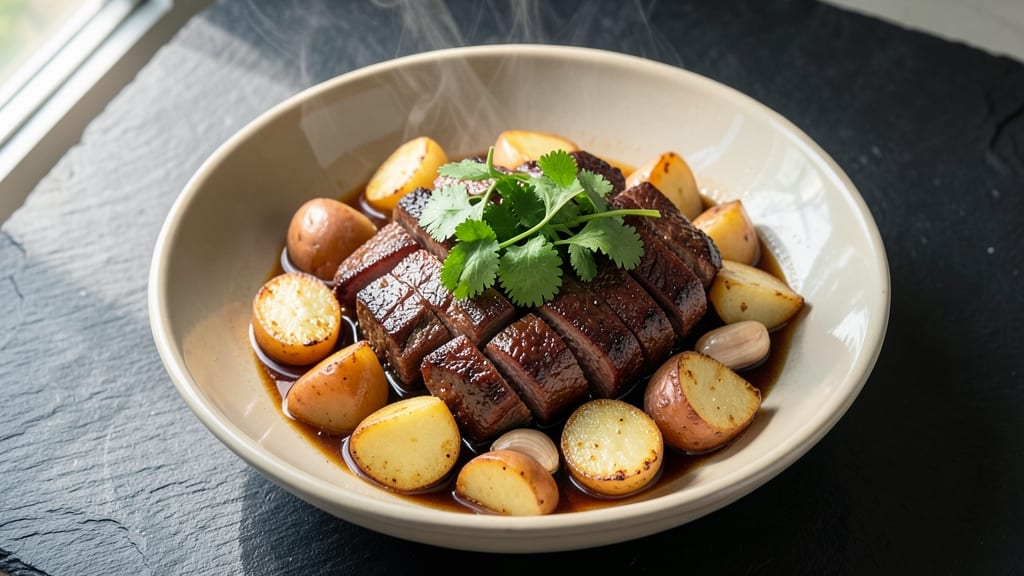
A fragrant Vietnamese beef and potatoes recipe delivers crispy edges and deep umami flavors through a carefully balanced fish sauce simmer. This recipe transforms simple ingredients into a restaurant-worthy side that pairs perfectly with rice or noodles.
The secret lies in slow-cooking the beef and potatoes until tender, then finishing with a quick sear to achieve that coveted crispy texture.
The dish draws from traditional Vietnamese techniques, where fish sauce serves as the flavor anchor, complemented by aromatic herbs and a touch of sweetness. Unlike many Western-style beef and potato dishes, this version relies on a lighter hand with spices, letting the natural flavors shine through.
The result is a harmonious blend of textures and tastes that will elevate any meal.
What sets this dish apart is the crispy edges achieved through a high-heat finish, creating contrast against the tender beef and potatoes. The fragrant fish sauce simmer infuses every bite with a savory depth that's both familiar and excitingly new.
This recipe is perfect for those looking to explore Vietnamese cuisine without sacrificing simplicity or flavor.
Serve alongside steamed jasmine rice and fresh herbs for an authentic experience. The dish reheats beautifully, making it ideal for meal prep or entertaining. Let's create this flavorful Vietnamese classic together.
Ingredients for beef and potatoes vietnamese
Fifteen ingredients blend traditional Vietnamese flavors with crispy edges for an unforgettable dish.
| Ingredient | Amount | Notes |
|---|---|---|
| Beef Chuck Roast 🥩 | 1 ½ lb | Cut into 1-inch cubes, trimmed of fat |
| Russet Potatoes 🥔 | 2 lbs | Cut into 1.5-inch chunks, peeled |
| Fish Sauce 🍶 | ½ cup | Red Boat brand preferred |
| Coconut Aminos 🥢 | ¼ cup | Or sub with soy sauce |
| Brown Sugar 🍯 | 2 tbsp | Light or dark variety |
| Garlic Cloves 🧄 | 6 cloves | Minced finely for depth |
| Fresh Ginger 🌿 | 1 tbsp | Grated, aromatic quality |
| Thai Bird's Eye Chilies 🌶️ | 2 whole | Seeds removed, finely chopped |
| Fresh Cilantro 🌱 | ¼ cup | Chopped, for garnish |
| Lime Juice 🍋 | 2 tbsp | Freshly squeezed |
| Vegetable Oil 🫒 | ½ cup | High smoke point preferred |
| Coconut Milk 🥥 | ½ cup | Full-fat for creaminess |
| Diamond Crystal Kosher Salt 🧂 | 1 ½ tsp | Adjust to taste |
| Black Peppercorns 🌶️ | ½ tsp | Freshly cracked |
| Jasmine Rice 🍚 | 1 ½ cups | Uncooked, for serving |
The beef and potatoes demand quality ingredients to achieve that signature crispy texture. Red Boat fish sauce is non-negotiable for authentic umami depth—avoid the cheap brands that taste like chemicals. For potatoes, Russet is ideal due to its high starch content, which promotes crispiness. The beef should be chuck roast for tenderness, and cutting it into even 1-inch cubes ensures consistent cooking. Whole Foods or Trader Joe's typically carry pre-cut chuck roast, saving you time. Ginger and garlic should be freshly grated and minced—pre-minced garlic lacks the aromatic punch this dish needs. Look for organic ginger with tight skin and no soft spots, and choose garlic bulbs with firm cloves.
No fish sauce? Coconut aminos or soy sauce work in a pinch, though the flavor profile shifts slightly. The brown sugar can be swapped for maple syrup if you prefer, but it will add a different sweetness. Thai chilies too spicy? Substitute with serrano peppers at half the amount. Fresh ginger unavailable? Ground ginger works at one-third the quantity, but it lacks the bright aroma. The coconut milk is essential for creaminess—full-fat canned coconut milk is best, while cartons often contain stabilizers that alter texture. For a lighter version, reduce to 0.25 cup and add 0.25 cup water to maintain balance. The lime juice should be freshly squeezed—bottled juice lacks the vibrant acidity needed to brighten the dish.
This dish reheats beautifully—the crispy edges soften slightly but maintain texture when warmed through. Store leftovers in an airtight container in the fridge for up to 4 days, though the flavor deepens overnight. For longer storage, freeze portions for up to 3 months. The potatoes will absorb flavors over time, so adding a splash of water when reheating helps maintain moisture. To achieve crispy edges again, sear the reheated dish in a hot pan with a little oil for 2-3 minutes per side. The jasmine rice pairs perfectly—cook 1.5 cups uncooked for a side portion, or double for a main. Fresh cilantro should be added just before serving to preserve its vibrant color and aroma.
Why You'll Love This Recipe
- One-Pan Magic: I swear by this recipe—just toss the beef, potatoes, and sauce in one deep skillet, cover it, and walk away. No chopping, no flipping, no stress. The potatoes caramelize right on the same surface as the beef, and honestly? That’s my kind of cooking.
- Umami Bomb: Fish sauce and coconut aminos? That combo is chef’s kiss—salty, sweet, and deeply savory without tasting like anything but pure comfort. The brown sugar gives it this unexpected caramelized depth that makes it taste like a fancy restaurant dish, not a weeknight meal.
- Leftovers That Don’t Suck: Between us, most beef and potato leftovers are sad. Not this. The sauce clings to everything, so reheating is a breeze—whether it’s lunch the next day or packed for work. (Yes, even on a Tuesday night when you’re tired of the same old reheated casserole.)
- Budget Beef Feast: A chuck roast is cheap, potatoes are cheap, and this recipe stretches them into something hearty enough for a family of four—or two very hungry people who want seconds. I’ll be real: I’ve made this on a $15 grocery run, and it still felt like a treat.
Step-by-step instructions for Vietnamese beef and potatoes with fragrant fish sauce
Master this technique and you'll achieve the perfect balance of tender beef, crispy potato edges, and aromatic fish sauce marinade.
Prepare the Beef and Potatoes for Maximum Flavor
Cut the 1.5 lb Beef Chuck Roast into 1-inch cubes, trimming any excess fat. This size ensures even cooking while maintaining tenderness. Place the beef in a bowl and set aside.
Peel and cut the 2 lbs Russet Potatoes into 1.5-inch chunks—this size creates crispy edges while keeping the centers tender. Rinse them under cold water and pat completely dry with a clean kitchen towel. The drier they are, the better they'll brown during cooking.
Create the Fish Sauce Marinade
In a large mixing bowl, combine the 0.5 cup Fish Sauce, 0.25 cup Coconut Aminos, 2 tbsp Brown Sugar, 6 cloves Garlic Cloves (minced), 1 tbsp Fresh Ginger (grated), 2 whole Thai Bird's Eye Chilies (seeds removed and finely chopped), 1.5 tsp Diamond Crystal Kosher Salt, and 0.5 tsp Black Peppercorns. Stir until the brown sugar dissolves completely.
Add the prepared beef and potatoes to the marinade, ensuring every piece is well-coated. Cover the bowl and refrigerate for at least 30 minutes (up to 2 hours for deeper flavor). This marinating step is crucial—it tenderizes the beef and infuses the potatoes with the signature umami and spicy notes.
Sear the Beef and Potatoes for Crispy Edges
Heat 0.5 cup Vegetable Oil in a large, heavy-bottomed pot or Dutch oven over medium-high heat until shimmering but not smoking. Working in batches if needed, add the marinated beef and potatoes, spreading them out in a single layer. Cook undisturbed for 4-5 minutes until the edges turn deep golden brown and crispy.
This searing step creates the signature crispy texture—don't rush it. If the oil smokes excessively, reduce the heat slightly. Once the first batch is browned, transfer it to a plate and repeat with the remaining pieces. All components should be evenly seared before proceeding.
Simmer in Fragrant Coconut Milk
Return all seared beef and potatoes to the pot, reducing heat to medium-low. Pour in the 0.5 cup Coconut Milk and bring the mixture to a gentle simmer. Cover and cook for 30-40 minutes, stirring occasionally, until the beef is fork-tender and the potatoes are easily pierced with a knife.
If the mixture appears too dry, add 2-3 tablespoons of water to maintain moisture. The coconut milk adds creaminess while balancing the fish sauce's intensity. The dish should have a rich, aromatic fragrance with hints of garlic, ginger, and chili.
Finish with Lime and Serve Over Jasmine Rice
Remove the pot from heat and stir in the 2 tbsp Lime Juice and 0.25 cup Fresh Cilantro (chopped). Let the dish rest for 5 minutes to allow flavors to meld. Taste and adjust seasoning if needed—you may want to add a bit more fish sauce or salt to taste.
Serve immediately over 1.5 cups cooked Jasmine Rice, dividing the beef and potatoes evenly among 4 servings. The crispy edges should contrast beautifully with the tender meat and rice. Garnish with additional cilantro if desired, and serve with steamed greens or a simple cucumber salad to balance the richness.
Pro Tips For Making Beef And Potatoes Vietnamese
- SEAR THE BEEF FIRST: I learned this the hard way—skipping the sear means your chuck roast will turn out soft instead of deeply flavorful. Hit that beef with high heat in a hot pan (no oil needed—it’ll render out) until it’s deep brown all over before adding anything else. That crust is what carries the caramelized depth through the slow cook.
- CUT POTATOES UNIFORM: I used to eyeball it, and half the batch ended up mushy while others stayed rock-hard. For this dish, aim for 1.5-inch chunks—big enough to hold shape but small enough to cook through evenly. No need to peel unless you’re picky; the skins add texture.
- SWEAT THE AROMATICS LOW: After burning three batches of garlic and shallots, I finally figured out: low and slow. Sauté them in coconut oil for 8-10 minutes until they’re golden but not crispy—this builds flavor without bitterness. Rush it, and you’ll taste burnt garbage. (Yes, even if you’re impatient like me.)
- BALANCE THE SAUCE IN LAYERS: Fish sauce and coconut aminos are potent—don’t dump them all at once. Start with half the fish sauce when deglazing, then add the rest after the beef has braised for 30 minutes. Taste, then adjust with brown sugar (1 tsp at a time) to cut acidity. The sauce should taste slightly unbalanced at first—it’ll round out as it simmers.
Make-ahead tips for leftovers
Marinade Prep Ahead
Prepare the fish sauce marinade up to 2 days in advance and store it in an airtight container in the fridge. This gives the flavors time to meld beautifully, especially the garlic, ginger, and Thai chilies.
When ready to cook, simply add the beef and potatoes to the pre-made marinade and let them soak for 30 minutes before searing. This shortcut saves you 30 minutes of prep time on the day you cook. 💡
Potato Pre-Cooking
For extra crispy edges with minimal effort, parboil the potatoes before marinating. Place the cut potatoes in a pot of salted boiling water for 5 minutes, then drain and pat them completely dry.
This step ensures they stay firm during the searing process and develop that perfect golden-brown crust. Store the parboiled potatoes in the fridge for up to 24 hours before marinating. ❄️
Beef Tenderizing Trick
If you're short on time, tenderize the beef in advance by pounding it lightly with a meat mallet or rolling pin. This step reduces cooking time by 10-15 minutes and ensures even tenderness.
Store the pre-cut, pounded beef in the fridge for up to 24 hours before marinating. Just add it to the marinade as usual—no extra steps needed. 💪
Full-Meal Prep
Make this dish a complete meal by prepping the jasmine rice and sides ahead of time. Cook the 1.5 cups jasmine rice and store it in an airtight container for up to 3 days.
For a fresh side, chop cucumber, mint, and lime into a quick salad and store it separately. When ready to serve, simply reheat the beef and potatoes and assemble everything together. This approach cuts 45 minutes off your dinner prep time. 🍚
Freezer-Friendly Components
Freeze the marinated beef and potatoes (uncooked) in a single layer on a tray for 1 hour, then transfer to a freezer bag for up to 3 months. When ready to cook, thaw overnight in the fridge, then proceed with the searing and simmering steps.
The texture remains intact, and the flavors stay vibrant. This is perfect for batch cooking or meal prep Sundays. ❄️
Reheating for Crispy Edges
To maintain crispy edges when reheating, transfer the dish to a skillet and heat over medium-high heat for 3-4 minutes, adding a splash of water or coconut milk if needed. For microwave reheating, cover with a damp paper towel and heat in 1-minute intervals, stirring in between.
The goal is to recreate the sear as much as possible for that restaurant-quality texture. 🔥
Nutrition facts
Frequently asked questions
Can I substitute regular potatoes for Russet potatoes?
Russet potatoes are ideal for their high starch content, which creates crispy edges. For a similar texture, use Yukon Gold potatoes—they'll be slightly creamier but still develop a nice crust. Avoid waxy potatoes like red or fingerlings, as they won't brown as well or achieve the same crispiness.
What makes this dish different from other Vietnamese beef dishes?
This recipe combines beef with potatoes—a fusion of Vietnamese techniques and Western comfort food. The key differences are the crispy potato edges (achieved through searing) and the fish sauce-coconut milk braise
How do I adjust the heat level if Thai chilies are too spicy?
Remove the seeds and membranes from Thai chilies to reduce heat, or substitute with serrano peppers (use half the amount). For a completely mild version, omit the chilies entirely and add an extra 1 tsp brown sugar to balance flavors. The dish will still be flavorful without the spice.
Can I make this dish in a slow cooker?
Yes! Sear the beef and potatoes first, then transfer everything to a slow cooker with the marinade and coconut milk. Cook on Low for 6-7 hours or High for 3-4 hours. The texture will be softer (less crispy), but the flavors will be just as rich. Add lime juice and cilantro at the end for brightness.
Why does my beef turn out tough instead of tender?
Overcooking is the most common cause. Use a meat thermometer and remove beef when it reaches 160°F—it'll continue cooking slightly while resting. Also ensure you're using chuck roast (not leaner cuts like sirloin) and marinating for at least 30 minutes. Avoid cutting into the meat too soon after cooking.