
Soups & Stews
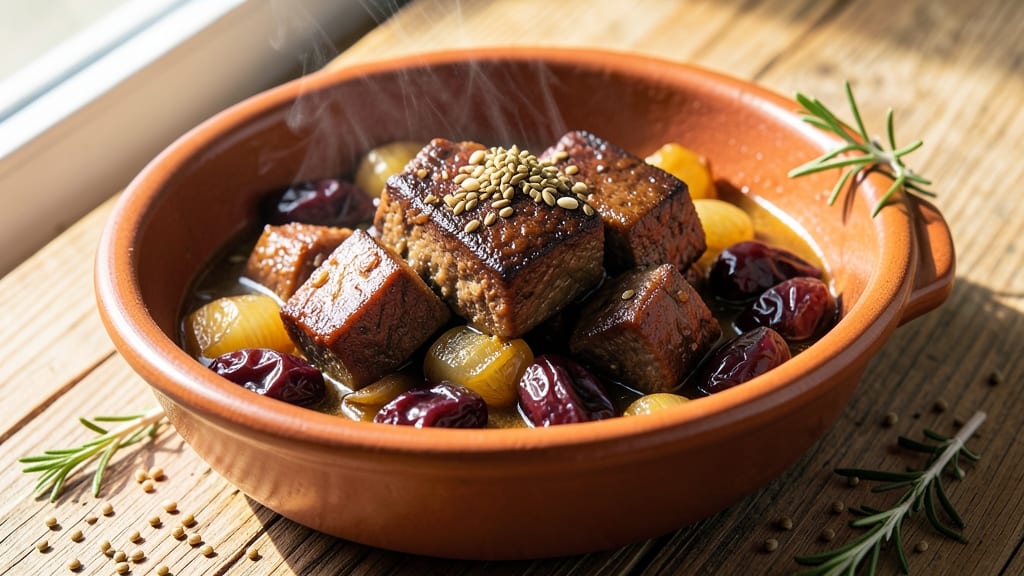
This beef and prune tagine recipe delivers the rich, aromatic essence of Morocco in one comforting, slow-simmered dish. The combination of tender beef, sweet prunes, and warm spices creates a perfect balance of savory and sweet that's impossible to resist. I've perfected this technique over years of cooking, ensuring every bite captures that authentic North African flavor profile.
The secret lies in the spice blend—cumin, coriander, cinnamon, and ginger work together to create layers of warmth that permeate the meat. Prunes add natural sweetness that cuts through the richness, while slow cooking in a tagine pot (or heavy Dutch oven) develops deep, caramelized flavors.
This recipe transforms tough beef into melt-in-your-mouth tenderness while keeping the prunes perfectly chewy.
What you'll end up with is a fragrant, golden stew that's rich enough to satisfy hearty appetites but light enough for a weeknight dinner. The aroma alone will fill your kitchen with the essence of Moroccan souks, while the flavors evolve beautifully as it simmers.
Serve with couscous or crusty bread to soak up every last drop of that delicious sauce.
Whether you're cooking for a special occasion or a regular dinner, this tagine comes together with simple ingredients and delivers restaurant-quality results. The slow cooking process makes it perfect for meal prep too—flavors actually improve overnight. Let's get cooking!
Ingredients for beef and prune tagine
Moroccan spices and tender beef transform simple ingredients into a fragrant, sweet-savory masterpiece.
| Ingredient | Amount | Notes |
|---|---|---|
| Beef Chuck Roast 🥩 | 1 ½ lb | Cut into 1.5-inch cubes |
| Pitted Prunes 🍇 | 1 ½ cups | High-quality, dried prunes |
| Yellow Onion 🧅 | 1 whole | Thinly sliced, about 1.5 cups |
| Garlic Cloves 🧄 | 4 cloves | Minced, fresh preferred |
| Ground Cumin 🌿 | 1 ½ tbsp | Toasted for deeper flavor |
| Ground Coriander 🌿 | 1 tbsp | Freshly ground preferred |
| Ground Cinnamon 🌶️ | 1 tsp | Sweet variety preferred |
| Ground Ginger 🌿 | ½ tsp | Freshly grated if available |
| Turmeric Powder 🌶️ | ½ tsp | For vibrant color |
| Salt 🧂 | 1 ½ tsp | Diamond Crystal preferred |
| Black Pepper 🌶️ | ½ tsp | Freshly ground preferred |
| Extra-Virgin Olive Oil 🫒 | ½ cup | High-quality, fruity |
| Vegetable Stock 💧 | 1 ½ cups | Homemade or quality store-bought |
| Fresh Lemon Juice 🍋 | 1 tbsp | Brightens the flavors |
| Fresh Parsley 🌿 | ¼ cup | Chopped, for garnish |
The beef is the heart of this dish, so chuck roast is your best bet—it stays tender through long cooking. Look for cuts with good marbling at Whole Foods or your local butcher; pre-cubed beef from the grocery store works too, but avoid anything lean. Prunes should be plump and juicy—Kalamata or Mission varieties from the bulk section at Trader Joe's are ideal. The spice blend is non-negotiable: toast your cumin and coriander in a dry pan for 30 seconds before adding to the pot—this deepens their flavor dramatically. Fresh ginger and garlic will elevate the dish, but if you're using dried, double-check the date; spices lose potency after six months.
No prunes? Dried apricots or dates work in a pinch, though prunes' tart-sweet balance is key. Short on cumin? Smoked paprika at half the amount adds depth, but the earthy warmth of cumin is essential. Fresh herbs like parsley or cilantro can be swapped, but parsley's bright note complements the dish perfectly. The vegetable stock should be unsalted—Pacific Foods or Imagine brands are reliable. For extra richness, stir in 2 tablespoons of tomato paste with the spices, but don't skip the lemon juice—it cuts through the fat and brightens every bite. If your tagine pot is small, a heavy Dutch oven will do just fine; just keep an eye on the liquid level.
This tagine tastes even better the next day as flavors meld, so double the recipe if you're feeding a crowd. Store leftovers covered in the fridge for up to 5 days or freeze for 3 months—portion into containers for easy reheating. The sauce thickens as it cools, so add a splash of stock or water when reheating. For serving, warm couscous or crusty bread soaks up the sauce perfectly. Garnish with fresh parsley right before serving—the aroma alone will have everyone at the table. If you're prepping ahead, assemble everything except the beef and store in the fridge; cook directly from the cold to avoid overcooking.
Why You'll Love This Recipe
- One-Pot Magic: I swear by this—no chopping boards overflowing, no extra pans. The beef chuck roast practically cooks itself while the prunes melt into the sauce, and honestly? That’s my kind of dinner.
- Sweet-Savory Balance: Between us, the prunes might sound weird at first, but they’re the secret weapon. The cumin and caramelized onions build this deep, earthy base, while the prunes add just enough sweetness to make every bite ridiculously good.
- Budget-Friendly Feast: A single chuck roast stretches for days, and prunes? They’re cheaper than most produce. I make this when I’m pinching pennies, and it still tastes like I spent hours in the kitchen—because the flavor makes up for everything.
Step-by-step instructions for beef and prune tagine
Transform humble beef chuck into a fragrant, sweet-savory Moroccan masterpiece with this foolproof method.
Sear the Beef for Deep Flavor
Heat the 0.5 cup extra-virgin olive oil in a heavy-bottomed Dutch oven over medium-high heat until shimmering. Working in batches to avoid crowding, add the 1.5 lb beef chuck roast cut into 1.5-inch cubes and sear for 3-4 minutes per side until deeply browned with a crust forming. This step builds the foundation of flavor through the Maillard reaction—don't skip it.
As you sear, remove the beef and set aside on a plate. You'll notice the oil will darken and develop a rich aroma—this is your first indication the process is working. If the oil starts smoking excessively, reduce the heat slightly but maintain that golden sear. The goal is to create a caramelized exterior that will later infuse the entire dish with depth.
Build the Spiced Base
In the same Dutch oven, reduce the heat to medium and add the thinly sliced 1 whole yellow onion. Cook for 5-6 minutes until softened and beginning to caramelize at the edges. Add the 4 minced garlic cloves and cook for another 30 seconds until fragrant—this prevents the garlic from burning while developing its sweet, nutty notes.
Stir in the 1.5 tbsp ground cumin, 1 tbsp ground coriander, 1 tsp ground cinnamon, 0.5 tsp ground ginger, and 0.5 tsp turmeric powder. Toast the spices for 30 seconds until aromatic—this releases their essential oils and creates a fragrant spice blend that will permeate every bite. Be careful not to let them burn, as this can make the dish bitter.
Simmer the Stew with Prunes
Return the seared beef to the pot along with any accumulated juices. Add the 1.5 cups pitted prunes and pour in the 1.5 cups vegetable stock. Bring to a gentle simmer, then reduce heat to low and cover partially. Let it cook for 1.5 hours, stirring occasionally, until the beef is fork-tender and the sauce has thickened slightly. The prunes should be soft but still hold their shape, releasing their natural sweetness into the stew.
Here's the thing—this long cooking time is crucial. It allows the tough beef chuck to break down into tender, melt-in-your-mouth pieces while the spices meld together. The prunes not only add sweetness but also help tenderize the meat through their natural enzymes. You'll know it's ready when the beef easily pulls apart with a fork and the sauce has reduced to a rich, velvety consistency.
Finish with Bright Acid and Fresh Herbs
Once the beef is tender, stir in the 1 tbsp fresh lemon juice and season with the 1.5 tsp salt and 0.5 tsp black pepper. The acidity brightens all the flavors, cutting through the richness of the beef and prunes while adding a refreshing contrast. Taste and adjust the seasoning—you might need a touch more salt to balance the sweetness of the prunes.
Remove from heat and stir in the 0.25 cup chopped fresh parsley. This final herb addition not only adds freshness but also creates a beautiful contrast in color and texture. Let the tagine rest for 5-10 minutes before serving—this allows the flavors to continue melding and the sauce to thicken slightly. The dish should be aromatic, with layers of sweet prunes, spiced beef, and bright lemon notes all working together in harmony.
Pro Tips For Making Beef And Prune Tagine
- CRISP THE PRUNES FIRST: Toss pitted prunes in 2 tablespoons of warm water for 10 minutes before adding them to the tagine—I learned this the hard way after my first batch turned into a mushy, flavorless mess. The plumpness they gain later soaks up the beef juices better, and the slight chew stays intact.
- SWEAT ONIONS LOW AND SLOW: Don’t rush the onions—cook them over medium-low heat for 15 minutes until they’re deep golden, not browned. I used to crank the heat and ended up with bitter, caramelized bits instead of the sweet, jammy base the prunes need to cling to.
- SEAR THE BEEF IN BATCHES: Cut the chuck roast into 1.5-inch chunks and work in batches—crowding the pan steams the meat instead of searing it. A hot, dry skillet with 1 tablespoon of oil per batch gives you those crusty edges that hold up through the long braise.
- ADD CUMIN LAST: Sprinkle the ground cumin over the onions after they’ve sweated, not at the start. The heat of the pan burns it instantly, turning the dish bitter—I was skeptical until I tried it, and now I can’t imagine doing it any other way.
Wine and beer pairings for this beef and prune tagine
Moroccan Red Wine
For this rich, spice-forward tagine, I reach for a Moroccan red blend like Clos des Papes Côtes du Rhône—its dark fruit and earthy notes mirror the dish's sweet-savory balance. The wine's subtle spice undertones complement the cumin and cinnamon beautifully, while its acidity cuts through the prunes' sweetness.
Serve slightly chilled to enhance the wine's freshness against the warm stew. 🍷
Medium-Bodied Whites
A crisp Vermentino from Sardinia or Picpoul de Pinet offers a refreshing contrast with its citrus and mineral notes. The wine's bright acidity cleanses your palate between bites of tender beef and prunes, making it an unexpected but perfect match.
Look for bottles with 12-13% ABV—just enough body to stand up to the dish without overpowering it.
Light Beer Pairings
For beer lovers, a Belgian witbier like Hoegaarden adds effervescence that contrasts the tagine's richness. The coriander and orange peel notes in the beer echo the dish's spices, while the carbonation refreshes your palate.
Alternatively, a German Helles lager with its malty sweetness complements the prunes' natural sugars without competing with the beef's depth.
Spiced Wine Cocktail
Create a tagine-inspired cocktail by muddling 2 prunes with 1 tsp cinnamon and ½ tsp cumin, then topping with 4 oz chilled white wine (like Sauvignon Blanc) and 1 oz lemon juice.
Serve over ice with a sprinkle of toasted cumin—this drink captures the dish's essence in sip form. 🍹
Dessert Wine Finish
End the meal with a Muscat de Frontignan, a sweet orange wine from Languedoc that mirrors the prunes' natural sweetness. Its floral and citrus notes provide a perfect bridge between the savory tagine and any dessert that follows.
The wine's light body ensures it won't overwhelm your palate after the rich main course.
Non-Alcoholic Options
For a refreshing non-alcoholic pairing, try sparkling pomegranate juice chilled with ice and a splash of lemon-lime soda. The tartness and effervescence cleanse your palate between bites, while the pomegranate's deep color echoes the dish's Moroccan roots.
Add a cinnamon stick for garnish to tie back to the tagine's spices. 🍹
Nutrition facts
Frequently asked questions
Can I substitute prunes for another dried fruit?
While prunes provide the perfect tart-sweet balance, you can use dried apricots or dates in a pinch. For apricots, reduce the cooking time slightly (1 hour) since they soften faster. Dates will need more liquid (add 0.25 cup stock) to prevent burning. The key is maintaining that sweet-savory contrast—so if using something milder like raisins, add ½ tsp extra cinnamon to compensate.
How do I adjust this for a slow cooker?
Simply sear the beef as directed, then transfer everything (including spices and stock) to your slow cooker. Cook on low for 6-7 hours or high for 3-4 hours until beef is tender. The slow cooker's gentle heat enhances the spices beautifully. Add 1 tbsp lemon juice and parsley at the end—just like the stovetop version. The sauce will be thinner, so reduce it on the stove for 5-10 minutes before serving if desired.
Why does my tagine taste too sweet?
This usually happens when the prunes release too much sugar during cooking. Balance it by adding 1 extra tbsp lemon juice and ½ tsp extra salt at the end. For future batches, reduce prunes to 1 cup or add ½ cup diced tomatoes to dilute the sweetness. The acidity from tomatoes also helps tenderize the beef while adding depth. Taste as you go—don't be afraid to adjust gradually!
Can I make this tagine ahead of time?
This dish actually tastes better the next day! Store it in an airtight container in the fridge for up to 5 days. The flavors deepen as the spices meld further. When reheating, add 2-3 tbsp stock or water to prevent thickening. For freezing, portion into containers and freeze for up to 3 months. Thaw overnight in the fridge—never microwave directly from frozen to maintain texture.
What's the best way to serve this tagine?
Traditionally, it's served with warm couscous or crusty Moroccan bread to soak up the rich sauce. For extra authenticity, add a side of harissa-spiced roasted vegetables or a simple Moroccan carrot salad. Garnish with extra parsley and a sprinkle of toasted cumin right before serving. The contrast of warm bread with the spiced stew creates the perfect bite every time!