
Sauces & Condiments
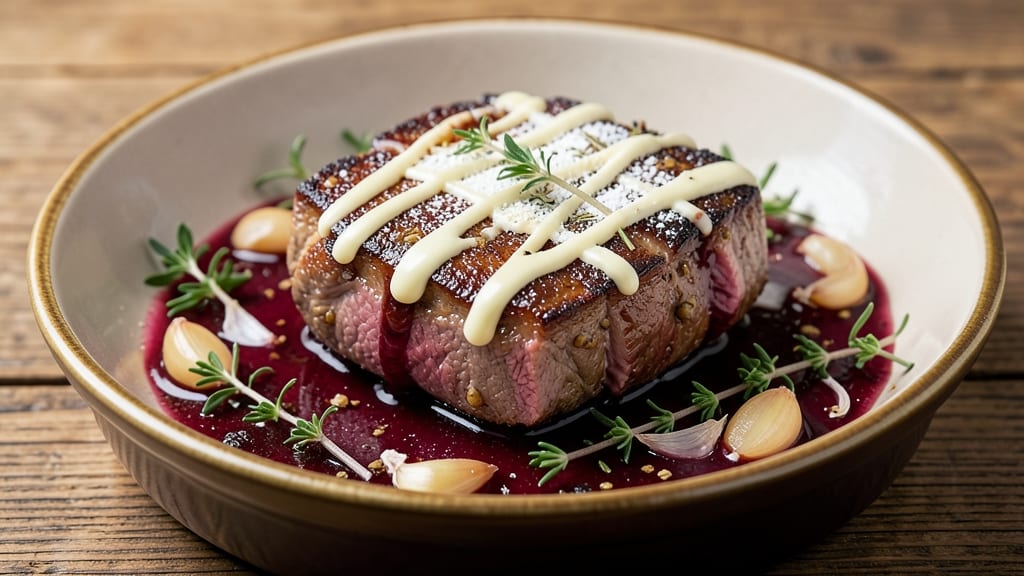
This beef and red wine sauce recipe transforms simple ingredients into a velvety, restaurant-worthy sauce that elevates any beef dish. The deep flavors develop through slow simmering, where red wine reduces into a rich base, balanced by aromatic herbs and a touch of butter for silkiness.
What makes this sauce exceptional is its versatility—it works equally well over braised beef, pasta, or steak, turning an ordinary meal into something extraordinary.
The secret lies in proper technique: browning the beef first creates a flavorful fond, while deglazing with red wine unlocks layers of complexity. A simple roux made from butter and flour thickens the sauce just enough to coat without being gluey, ensuring each bite delivers that luxurious mouthfeel.
Unlike store-bought versions, this sauce develops depth through time, with the wine’s acidity mellowing into a smooth, umami-rich finish.
By the time you’re done, you’ll have a sauce that’s deeply aromatic, with notes of red wine, thyme, and garlic harmonizing perfectly. The texture is velvety yet not overly heavy, clinging to meat or pasta like a second skin.
What’s even better? This sauce keeps beautifully in the fridge for up to 5 days, making it a go-to for meal prep or last-minute dinner upgrades.
Whether you’re serving it over tender beef short ribs, twirling it with fettuccine, or drizzling it over a perfectly cooked steak, this sauce delivers restaurant-quality richness in just one pan.
The process is straightforward, but the result is anything but basic—this is the kind of sauce that makes home cooking feel like a fine-dining experience.
Ingredients for beef and red wine sauce
Eleven ingredients, one pan, restaurant-quality richness you'll crave for weeks.
| Ingredient | Amount | Notes |
|---|---|---|
| Beef Chuck Roast 🥩 | 2 lb | Cut into 1-inch cubes |
| Red Wine 🍷 | 2 cups | Bold dry variety like Cabernet |
| Butter 🧈 | 4 tbsp | Unsalted, cold for roux |
| All-Purpose Flour 🌾 | 4 tbsp | Diamond Crystal preferred |
| Garlic Cloves 🧄 | 6 cloves | Peeled and smashed |
| Fresh Thyme 🌿 | 2 tbsp | Leaves only, chopped |
| Beef Broth 💧 | 1 cup | Low-sodium preferred |
| Tomato Paste 🍅 | 2 tbsp | Squeeze tube works best |
| Olive Oil 🫒 | 2 tbsp | For initial searing |
| Salt 🧂 | 1 ½ tsp | Kosher or sea salt |
| Black Pepper 🌶️ | ½ tsp | Freshly ground |
The beef chuck is non-negotiable—it's packed with flavor and fat that melts into the sauce. Trader Joe's or Whole Foods usually have it pre-cubed, which saves time, but if you're buying a whole roast, look for good marbling. For the red wine, any bold, dry variety works—Cabernet Sauvignon, Merlot, whatever's open in your cabinet. The butter and flour create the roux that thickens the sauce perfectly, so don't skip the cold butter step. Fresh thyme is ideal, but if you only have dried, use one-third the amount. The tomato paste adds depth without overpowering the wine's flavor, and those squeeze tubes from Trader Joe's are perfect because you won't waste half a can.
No red wine? Beef broth with a splash of balsamic vinegar gets you close—just reduce it longer to concentrate the flavor. Fresh thyme is best, but dried works in a pinch (one-third the amount). For the tomato paste, if you're feeling fancy, San Marzano tomatoes mashed into a paste are a game-changer, but the squeeze tube is just as good. The beef broth should be low-sodium—you can always add more salt at the end. If you're short on time, pre-minced garlic from a jar works, but fresh is always better. The olive oil is just for searing the beef initially, so any good-quality oil will do—no need to splurge here.
This sauce tastes even better the next day as the flavors meld. Store it in an airtight container in the fridge for up to 5 days, or freeze portions for 3 months. I like to portion it into small jars—perfect for meal prep or last-minute dinner upgrades. If it thickens too much in the fridge, just stir in a splash of warm water or broth to loosen it up. The sauce reheats beautifully, so it's perfect for tossing with pasta, drizzling over steak, or serving with braised beef. Make a double batch—you'll want leftovers.
Why You'll Love This Recipe
- Minimal Chopping Required: I swear by the slow cooker method here—just sear the roast, dump in the wine and spices, and walk away. The flour and butter make that sauce thick and luscious without any fancy knife work.
- Wine’s Magic Touch: That first sip of red wine sauce? Rich, deep, and almost too good to serve with food. The flour and butter turn it velvety, while the garlic cloves add a punch that lingers—like a fancy dinner without the fuss.
- Budget-Beef Luxury: A chuck roast is cheap, but it feels like a splurge when it’s braised in red wine and butter. Honestly, this is my go-to for feeding a crowd without breaking the bank—everyone thinks I spent hours, but it’s just smart shopping.
Step-by-step instructions for beef and red wine sauce
This method delivers restaurant-quality depth with simple techniques you can master at home.
Sear the Beef Chuck Roast for Maximum Flavor
Heat the 2 tablespoons olive oil in a large Dutch oven over medium-high heat until shimmering. Working in batches to avoid crowding, add the 2 lb beef chuck roast cut into 1-inch cubes and sear for 3-4 minutes per side until deeply browned. This step builds the sauce's foundation by developing rich Maillard reactions in the meat.
Don't rush this process—you'll know the beef is ready when it releases easily from the pan and develops a caramelized crust. Transfer the seared beef to a plate and set aside, leaving all the browned bits in the pot. These flavorful bits, called fond, will form the base of your sauce. If the oil looks too light after searing, add another 1 tablespoon olive oil to maintain proper heat for the next steps.
Build the Roux for Thickening the Sauce
Reduce the heat to medium and add the 4 tablespoons cold butter to the Dutch oven. Let it melt completely, then whisk in the 4 tablespoons all-purpose flour all at once. Cook the roux for 1-2 minutes, stirring constantly with a wooden spoon, until it turns a light golden color and smells nutty.
This roux is your secret weapon for achieving that velvety thickness. If the roux darkens too quickly, reduce the heat slightly—you want it to cook without burning. The flour will absorb the butter's moisture and create a paste that will later thicken your sauce beautifully. Don't skip this step; it's what transforms a simple wine reduction into a rich, clinging sauce.
Deglaze with Red Wine for Depth of Flavor
Pour in the 2 cups red wine slowly, whisking constantly to incorporate it into the roux. The mixture will bubble vigorously as the wine alcohol burns off, releasing its aromatic compounds. Let the sauce simmer gently for 3-4 minutes until it reduces by about half and the alcohol smell disappears.
This reduction step concentrates the wine's flavors and removes the harsh alcohol notes. You'll notice the sauce darkening and thickening as it transforms. If you're using a particularly bold wine like Cabernet, you might even see some sediment at the bottom—this is normal and adds complexity to your sauce. Keep the heat at medium-low to prevent the sauce from boiling over during this reduction.
Incorporate Aromatics and Simmer the Sauce
Add the 6 smashed garlic cloves, 2 tablespoons chopped fresh thyme, 2 tablespoons tomato paste, 1.5 teaspoons salt, and 0.5 teaspoon black pepper to the Dutch oven. Stir well to combine, then pour in the 1 cup beef broth. Return the seared beef to the pot, along with any accumulated juices from the plate.
Bring the mixture to a gentle simmer, then reduce the heat to low. Cover partially and let it cook for 45-60 minutes, stirring occasionally, until the beef is fork-tender and the sauce has thickened to your desired consistency. The sauce should coat the back of a spoon and cling beautifully to the beef. If it thickens too much, you can thin it with a splash of beef broth or water.
Finish and Rest for Optimal Texture
Once the beef is tender and the sauce has reached the perfect consistency, remove the pot from heat. Let the sauce rest for 5-10 minutes to allow the flavors to meld completely. This resting period is crucial—it lets the sauce thicken slightly as it cools and allows the beef to absorb some of the rich liquid.
Before serving, give the sauce one final taste and adjust the seasoning if needed. The beef should be fork-tender with a rich, dark sauce clinging to each piece. This sauce pairs beautifully with mashed potatoes, crusty bread, or over polenta. The red wine's acidity cuts through the richness of the beef, creating a perfectly balanced dish that's sure to impress your guests.
Pro Tips For Making Beef And Red Wine Sauce
- Sear the Roast First: High heat and patience—get that beef chuck roast screaming hot in a dry skillet for 3-4 minutes per side before you even think about adding wine. I learned this the hard way: skipping the sear means a sauce that tastes like it was made from undercooked beef, no matter how fancy the wine.
- Deglaze with Wine Immediately: As soon as you pull that roast out, dump in that red wine right away—don’t let the browned bits sit. Scrape every last bit off the pan with a wooden spoon while the wine bubbles, or you’ll end up with a sauce that’s more flour paste than wine-infused magic.
- Use a Splatter Screen: Red wine on your stove top is a disaster waiting to happen. Pop a splatter screen on the pan when you deglaze—yes, it’s one extra step, but you’ll thank yourself when you’re not scrubbing wine stains off your cabinets later. (I know, I know—you’re impatient, but trust the process.)
- Simmer the Sauce Low and Slow: After thickening with butter and flour, let that sauce bubble gently for at least 10 minutes—no rushing. A fast simmer turns it gluey; a slow one deepens the wine flavor and makes it silky. Sounds weird, but it works: your sauce will taste like it came from a restaurant, not a rushed weeknight.
Storing and reheating your leftovers
Fridge Storage Tips
Let your sauce cool completely before transferring to an airtight container—I use glass Pyrex jars with snap-on lids for best results. Store in the fridge at 40°F or below for up to 5 days, where the flavors actually deepen as the wine and aromatics meld.
The sauce will thicken slightly when chilled, so plan to stir in 1-2 tablespoons warm water or beef broth when reheating. 💫
Freezer-Friendly Methods
For longer storage, portion the sauce into freezer-safe jars or silicone ice cube trays (perfect for single servings). Leave ½ inch headspace to prevent cracking, then freeze for up to 3 months.
When ready to use, thaw overnight in the fridge and reheat gently—never microwave directly from frozen, as it can break the sauce's emulsion. 🧊
Reheating Like a Pro
For stovetop reheating, transfer the chilled sauce to a saucepan and warm over medium-low heat for 5-7 minutes, stirring frequently. If it thickens too much, add 1 tablespoon broth at a time until smooth.
Avoid high heat—this sauce is delicate and can separate if rushed. A splash of red wine (just 1 tablespoon) can revive its depth if stored flavors seem muted. 🔥
Reviving Thickened Sauce
If your fridge-stored sauce becomes too thick, don’t panic! Simply stir in 1-2 tablespoons warm water or beef broth while reheating. For extra richness, whisk in 1 tablespoon cold butter at the end—this restores that velvety texture without altering the flavor.
I’ve even added a pinch of salt if the sauce tastes flat after storage. 💡
Sauce Consistency Hacks
To prevent separation when reheating, keep the heat low and steady. If the sauce splits, whisk in 1 teaspoon cornstarch mixed with 1 tablespoon cold water until smooth.
For a smoother finish, strain through a fine-mesh sieve before serving—this removes any stray bits of thyme or beef while keeping the sauce’s body intact. 🍽️
Nutrition facts
Frequently asked questions
Can I use a different type of red wine for this sauce?
While bold dry reds like Cabernet or Merlot work best, you can use Pinot Noir or even a medium-bodied Chianti. Avoid sweet wines—they'll make the sauce taste cloying. For non-alcoholic versions, substitute with 2 cups beef broth + 1 tablespoon balsamic vinegar and reduce longer to concentrate the flavor.
Why did my sauce turn out too thin?
This usually happens if you didn't cook the roux long enough or added too much liquid. For a quick fix, whisk in 1 tablespoon cornstarch mixed with 1 tablespoon cold water while simmering. For prevention, always cook the roux to a light golden color and reduce the wine until it's cut in half before adding broth. The sauce should thicken naturally as it cools.
How can I make this sauce vegetarian?
Swap the beef for 2 cups mushrooms (cremini or portobello) or 1 block firm tofu, both cut into cubes. Use vegetable broth instead of beef broth, and add 1 teaspoon soy sauce for umami depth. The cooking time reduces to 20-30 minutes since vegetables cook faster than beef. The wine and tomato paste will still create that rich, velvety texture!
Can I make this sauce in a slow cooker?
Yes! Brown the beef and make the roux in a skillet first, then transfer everything to your slow cooker. Cook on low for 6-8 hours or high for 3-4 hours, stirring occasionally. The slow cooker method is perfect for hands-off prep, but you may need to reduce the sauce further on the stovetop at the end to reach the right consistency.
What's the best way to use leftover sauce?
This versatile sauce works perfectly over pasta, drizzled on steak or chops, or spooned alongside mashed potatoes. For extra richness, finish with a pat of butter and fresh thyme. It also makes an incredible filling for stuffed shells or lasagna. Store leftovers in the fridge for up to 5 days or freeze for 3 months—it tastes even better the next day!