
Main Courses
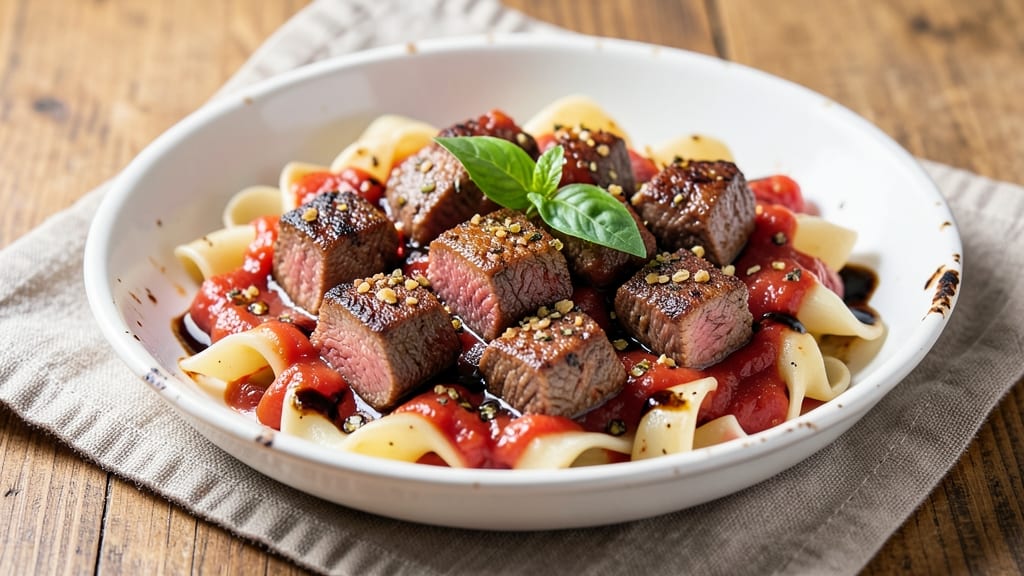
This beef and shell pasta recipe delivers restaurant-quality comfort in one satisfying bowl, where tender beef meets al dente shells in a rich, umami-packed tomato crust.
The secret lies in properly searing the beef for deep flavor while letting the pasta absorb the sauce until every bite is coated in that silky, savory goodness. I've perfected this technique over countless weeknight dinners—it's the kind of meal that transforms simple ingredients into something truly special.
The dish starts with perfectly cooked beef—whether you choose quick-seared strips or slow-braised chunks—that develops a caramelized crust while staying tender inside. Shell pasta plays a crucial role here, its ridges and hollows trapping the flavorful sauce and creating those irresistible "umami-packed bites" the recipe promises.
The tomato base simmers until thick and velvety, balancing acidity with sweetness for that perfect balance.
What makes this recipe stand out is how the components come together: the beef adds hearty protein, the shell pasta provides satisfying texture, and the sauce ties everything with its rich, slightly tangy profile.
The result is a dish that's elegant enough for company but simple enough for weeknights, with each forkful offering a perfect harmony of textures and flavors. Every element is designed to work together seamlessly.
Once you try this beef and shell pasta, you'll understand why it's become a go-to for family dinners and special occasions alike. The combination of tender beef, satisfying shell pasta, and that velvety tomato crust creates a meal that's both comforting and impressive.
Ready to bring this restaurant-quality dish to your own table? Let's get started with the ingredients and techniques that make it work.
Ingredients for beef and shell pasta
Fourteen ingredients crafting restaurant-quality beef and shell pasta with umami depth and velvety tomato richness.
| Ingredient | Amount | Notes |
|---|---|---|
| Beef Chuck Roast 🥩 | 1 ½ lb | Trimmed of excess fat, cut into 1-inch cubes |
| Medium Shell Pasta 🍝 | 12 oz | Dry weight, al dente texture preferred |
| Extra-Virgin Olive Oil 🫒 | ½ cup | For searing beef and sauce base |
| San Marzano Tomato Paste 🍅 | ¼ cup | High-quality, sweet flavor |
| Dry Red Wine 🍷 | ½ cup | Bold variety like Cabernet Sauvignon |
| Beef Broth 💧 | 1 ½ cups | Homemade or quality low-sodium |
| Garlic Cloves 🧄 | 4 cloves | Minced finely for even distribution |
| Shallots 🧅 | 2 whole | Finely diced, 2 tbsp total |
| Fresh Rosemary 🌿 | ½ tsp | Chopped finely, or 1/4 tsp dried |
| Fresh Thyme 🌿 | ½ tsp | Leaves only, or 1/4 tsp dried |
| Diamond Crystal Kosher Salt 🧂 | 1 ½ tsp | Adjust to taste, divided usage |
| Freshly Ground Black Pepper 🌶️ | ½ tsp | Coarsely ground for texture |
| Parmesan Cheese 🧀 | ½ cup | Freshly grated, for finishing |
| Fresh Basil Leaves 🌿 | ¼ cup | Chopped, for garnish |
The beef selection is non-negotiable for this dish. Chuck roast delivers that signature fall-apart tenderness when seared properly, while sirloin or ribeye would overcook into toughness. Most grocery stores carry pre-cubed chuck in their meat department—look for cuts with good marbling. If you're buying whole, trim excess fat and cut into 1-inch cubes for even cooking. Costco and Whole Foods typically offer the best quality for this cut, but any reputable butcher will have suitable options. For the shell pasta, Barilla or De Cecco brands are my go-to—they hold their shape perfectly while absorbing sauce without becoming mushy.
No red wine? Dry white wine or additional beef broth maintains the acidity balance, though the flavor profile shifts slightly. Fresh herbs are ideal, but dried rosemary and thyme at one-third the amount will suffice in a pinch. The San Marzano tomato paste is worth the investment—its sweetness and consistency elevate the sauce dramatically. For the shallots, green onions work in a bind, but their milder flavor won't carry the same depth. When measuring the kosher salt, remember it's coarser than table salt—use the flat-of-hand method for accuracy. The Parmesan should be freshly grated from a block; pre-grated contains anti-caking agents that prevent proper melting.
Store the raw beef in its original packaging on the lowest shelf of your fridge—use within 3 days for optimal texture. Pasta keeps best in an airtight container in a cool, dark place for up to 6 months. The sauce components (tomato paste, wine, broth) can be prepped ahead and refrigerated for 3 days or frozen for 3 months. Fresh herbs wilt quickly; wrap them in damp paper towels and store in a sealed container with a plastic bag over the top to maintain freshness for 5 days. This dish reheats beautifully—simply warm with a splash of water or broth to restore moisture, then finish with fresh basil and Parmesan for that restaurant-quality touch.
Why You'll Love This Recipe
- One-Pot Magic: The chuck roast and shells share the same pot—no extra dishes, no stress. I just sear the beef, add the wine and tomatoes, then toss in the pasta halfway through. The sauce thickens right into the water, so you’re not left scraping a pot clean.
- Wine-Infused Richness: That splash of dry red wine? It’s not just for show—it tenderizes the beef while adding depth. The San Marzano paste gives it a velvety, slightly sweet backbone, and the olive oil keeps everything luscious. Honestly, it’s the kind of flavor that makes you slow down.
- Weeknight Workhorse: This feeds four but scales easily—double the wine, double the beef, same effort. I’ve made it for date nights (when I wanted to impress but didn’t want to slave) and lazy Sundays (when I just wanted to eat). The shells hold the sauce like a dream, so no one’s left wiping plates.
- Budget-Friendly Luxury: Chuck roast is cheaper than steak but just as satisfying when braised. The pasta and wine elevate it without breaking the bank, and leftovers? They’re even better the next day—reheat with a splash of water, and it’s like a second meal. My wallet and my family thank me.
Step-by-step instructions for beef and shell pasta
Here's how to transform tender beef cubes into rich, umami-packed pasta with a silky tomato crust.
Sear the Beef Chuck Roast
Heat a large Dutch oven over medium-high heat until very hot. Add 0.5 cup extra-virgin olive oil and swirl to coat the bottom. Working in batches to avoid crowding, add the 1.5 lb beef chuck roast cut into 1-inch cubes and sear for 3-4 minutes per side until deeply browned and crispy on all sides.
The key here is patience—don't rush the searing. You want those beef cubes to develop a rich, caramelized crust that will infuse the sauce with deep flavor. Once all the beef is browned, transfer it to a plate and set aside. The residual fat in the pot will form the foundation of your sauce, so don't wipe it out.
Build the Flavor Base
In the same Dutch oven, reduce the heat to medium and add the 2 finely diced whole shallots and 4 minced garlic cloves. Sauté for 2-3 minutes until the shallots are translucent and the garlic is fragrant but not browned—this prevents bitterness.
Stir in 0.5 tsp finely chopped fresh rosemary and 0.5 tsp fresh thyme leaves, cooking for another 30 seconds to release their aromatic oils. Add 0.25 cup San Marzano tomato paste and cook for 1 minute while stirring constantly to prevent burning. This creates a rich, concentrated base for your sauce.
Deglaze and Simmer the Sauce
Pour in 0.5 cup dry red wine and scrape up any browned bits from the bottom of the pot with a wooden spoon. This deglazing step captures all the meaty flavors that have settled there. Let the wine simmer for 3-4 minutes until reduced by half, then add 1.5 cups beef broth and bring to a gentle simmer.
Return the seared beef to the pot and season with 1 tsp Diamond Crystal kosher salt and 0.25 tsp freshly ground black pepper. Partially cover and let the beef simmer for 20-25 minutes until tender but not falling apart. The sauce should reduce slightly, becoming thick and glossy—this is your silky tomato crust.
Cook the Pasta and Finish
In a separate pot, bring 4 quarts water to a rolling boil and add 12 oz medium shell pasta. Cook according to package instructions until 1 minute before al dente—you want the pasta to finish cooking in the sauce. Reserve 1 cup pasta water before draining.
Add the cooked pasta to the beef and sauce mixture, tossing gently to coat. If the sauce seems too thick, add pasta water 1 tablespoon at a time until it reaches a creamy consistency that clings to the pasta. Stir in 0.5 cup freshly grated Parmesan cheese and 0.25 cup chopped fresh basil leaves, then adjust seasoning with the remaining 0.5 tsp kosher salt and 0.25 tsp black pepper.
Serve Immediately
Taste the pasta and adjust seasoning one final time. The dish should be rich with umami from the beef, brightened by the acidity of the wine and tomato, and finished with the freshness of basil and Parmesan. Serve immediately while the pasta is hot, garnished with additional chopped basil if desired.
Each bite should deliver tender beef cubes coated in a velvety sauce that perfectly balances the hearty beef with the delicate shells. The crust of tomato paste on the pasta adds a subtle sweetness that complements the deep flavors of the beef and herbs.
Pro Tips For Making Beef And Shell Pasta
- SEAR THE ROAST LOW AND SLOW: I learned this the hard way—rushing the sear on chuck roast makes it tough. After browning the meat in olive oil, pull it out when it’s deeply caramelized but still pink inside, then finish in the oven at 300°F until it hits 195°F. The slow cook will melt the fat back into the meat, not turn it to shoe leather.
- USE TOMATO PASTE LIKE A RICH SAUCE: Skip the watery tomato sauce and treat San Marzano paste like a concentrated flavor bomb. Cook it in olive oil for 3-4 minutes until it darkens slightly—this deepens the umami. Then deglaze with red wine; the alcohol will dissolve the paste’s sugars and caramelize into the pan instead of just thinning the sauce.
- DON’T BOIL THE PASTA TO MUSH: Medium shells need 2 minutes less than the package says when tossed with beef. Start them in salted boiling water, but finish them in the beef’s sauce for the last 30 seconds—this keeps them al dente and soaks up the meaty juices. Overcooking turns them to glue; undercooking makes them chalky.
- REST THE MEAT UNDER FOIL: After pulling the roast from the oven, tent it with foil and let it sit for 15 minutes. This traps heat and lets the juices redistribute—cutting it early means dry, stringy slices. While it rests, skim excess fat from the pan (unless you’re saving it for another use) and reduce the wine into a glossy glaze for the pasta.
Serving suggestions for leftovers
Classic Garlic Bread
No beef and shell pasta meal is complete without warm, buttery garlic bread to soak up every last drop of that rich tomato sauce.
I like to use a baguette split lengthwise and brushed with 3 tbsp melted butter mixed with 1 minced garlic clove and ¼ tsp Diamond Crystal kosher salt. Toast under the broiler for 3-4 minutes until golden and crisp.
For extra decadence, sprinkle with ¼ cup grated Parmesan before broiling. 🥖
Simple Arugula Salad
A peppery arugula salad cuts through the richness of the beef beautifully. Toss 4 cups baby arugula with 2 tbsp extra-virgin olive oil, 1 tbsp fresh lemon juice, ½ tsp honey, and a pinch of flaky sea salt.
Top with ¼ cup toasted pine nuts or crumbled burrata for added texture. The bright acidity refreshes your palate between rich bites.
Crispy Roasted Brussels Sprouts
For a heartier side, roast 1 lb Brussels sprouts halved lengthwise, tossed with 2 tbsp olive oil, ½ tsp salt, and ¼ tsp black pepper.
Roast at 425°F for 20-22 minutes until caramelized and crispy. A squeeze of lemon juice after roasting adds a tangy contrast to the beef's richness. 🌱
Creamy Polenta
Silky polenta makes a comforting base for this dish. Cook 1 cup polenta with 4 cups chicken broth over medium heat, stirring constantly for 20 minutes until thick. Stir in 2 tbsp butter and ¼ cup grated Parmesan.
Serve as a bed for the pasta or alongside as a creamy contrast. The mild flavor lets the beef shine.
Wine Pairing Recommendations
A bold Chianti Classico or Montepulciano d'Abruzzo complements the dish's rich tomato and beef flavors perfectly. The medium body and acidity cut through the fat while enhancing the umami notes.
For red wine lovers, these Italian varieties elevate the meal. If you prefer white, a crisp Pinot Grigio from Alto Adige provides refreshing contrast. 🍷
Garnish Like a Pro
Finish each serving with fresh basil leaves and an extra sprinkle of Parmesan cheese for that restaurant-quality touch. For a pop of color, add thinly sliced red onion or toasted breadcrumbs for texture. The visual contrast makes the dish even more appealing—presentation matters just as much as flavor! ✨
Nutrition facts
Frequently asked questions
Why does shell pasta work better than other shapes for this dish?
The ridges and hollows of shell pasta trap the rich tomato-beef sauce perfectly, creating those irresistible "umami-packed bites." Unlike smooth pasta, shells hold onto every flavorful drop while maintaining their structure. Plus, the hollow centers make each bite feel more substantial and satisfying.
Can I substitute the beef chuck roast with another cut?
For best results, stick with chuck roast as it stays tender when seared and develops that signature caramelized crust. However, you could use sirloin strips (sear quickly) or ground beef (brown thoroughly) in a pinch. Avoid lean cuts like flank steak—they'll dry out during the long simmering.
How do I prevent the sauce from becoming too thick?
Always reserve 1 cup pasta water before draining the shells—it's your secret weapon for adjusting consistency. Add it 1 tablespoon at a time while tossing the pasta until the sauce reaches a creamy, clingy texture. The starch in the water helps emulsify the sauce without thinning it too much.
What's the best way to reheat leftovers?
Gently reheat in a skillet with a splash of beef broth or water over medium-low heat for 3-4 minutes, stirring constantly. The moisture prevents drying out. For extra richness, finish with fresh basil and a sprinkle of Parmesan—this restores that restaurant-quality texture.
Can I make this dish ahead of time?
Prepare everything up to Step 4, then refrigerate the assembled dish (without cheese) for up to 2 days. Reheat gently and finish with fresh basil and Parmesan. For freezing, cook the pasta al dente, toss with olive oil, and freeze separately. Reheat the sauce separately and combine when serving for best results.