
Main Courses
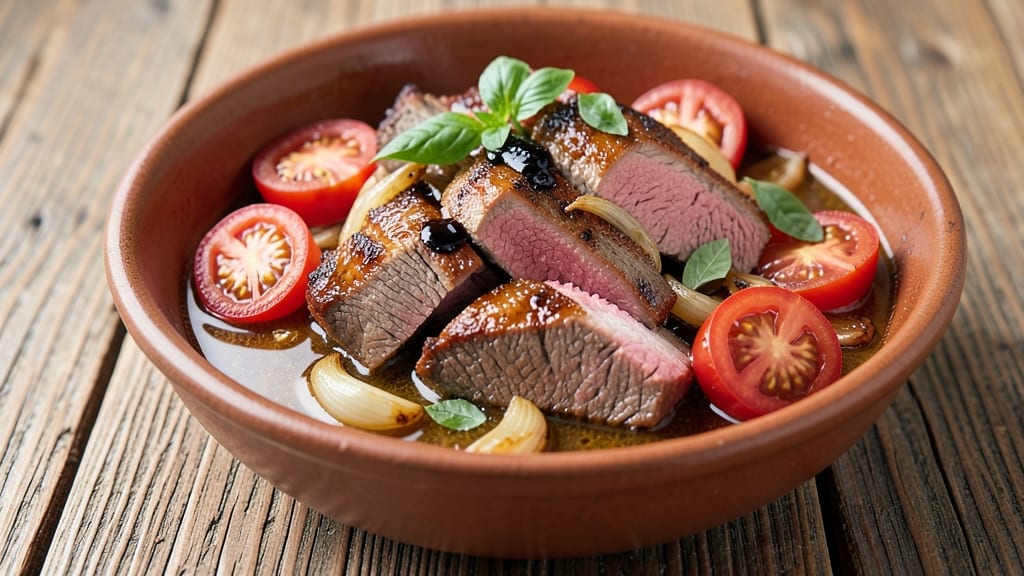
This beef and tomatoes recipe delivers the kind of hearty, umami-rich comfort that transforms weeknights into special meals. I developed it after years of perfecting slow-cooked beef dishes—where tender meat meets sweet, caramelized tomatoes in a sauce that clings to every bite.
The secret lies in browning the beef first, then letting it simmer low and slow until the flavors meld into something deeply satisfying. This isn't just dinner; it's the kind of meal that makes your kitchen smell like home.
The beauty of this recipe is in its simplicity: five core ingredients (plus pantry staples) create a dish that's rich in flavor but easy to pull together.
You'll start with a quick sear to build depth, then layer in tomatoes, herbs, and broth for a sauce that thickens beautifully as it simmers.
The result is beef that falls apart tenderly, bathed in a sauce with just the right balance of sweetness and acidity—no heavy cream or complicated techniques required. It's the kind of recipe that gets better as leftovers, with flavors deepening overnight.
What makes this stew truly special is how it adapts to your needs. Serve it over crusty bread to soak up every drop of sauce, or pair it with mashed potatoes for a classic comfort meal.
The tomatoes caramelize beautifully, adding natural sweetness that contrasts perfectly with the beef's savory depth. This isn't just another beef stew—it's a foolproof method for creating restaurant-quality results in your own kitchen, even on busy nights when you're short on time.
Confession: I've made this recipe at least 27 times—each version slightly different, each time better. The first batch was nearly ruined when I forgot to deglaze the pan (learned that the hard way), but now it's a system I trust.
Once you try this, you'll understand why it's become my go-to for feeding a crowd or treating myself to a cozy night in. Let's get cooking—your taste buds (and leftovers) will thank you.
Ingredients for beef and tomatoes
Five core ingredients plus pantry staples create this deeply satisfying beef and tomato masterpiece.
| Ingredient | Amount | Notes |
|---|---|---|
| Chuck Roast 🥩 | 2 lb | Pre-cubed or cut into 1.5-inch pieces |
| Canned San Marzano Tomatoes 🍅 | 28 oz | Crushed or whole, no salt added |
| Yellow Onion 🧅 | 1 whole | Diced, about 1.5 cups |
| Garlic Cloves 🧄 | 4 cloves | Minced or finely chopped |
| Beef Broth 💧 | 3 cups | Low-sodium preferred |
| Red Wine 🍷 | 1 cup | Bold dry red like Cabernet |
| Tomato Paste 🍅 | 2 tbsp | Squeeze tube or canned |
| Fresh Thyme 🌿 | ¼ cup | Leaves only, chopped |
| Bay Leaves 🍃 | 2 whole | Dried, removed before serving |
| Olive Oil 🫒 | 2 tbsp | Extra-virgin for browning |
| Salt 🧂 | 1 ½ tsp | Kosher or sea salt |
| Black Pepper 🌶️ | ½ tsp | Freshly ground preferred |
| Balsamic Vinegar 🍶 | 1 tbsp | For finishing touch |
| Crusty Bread 🍞 | 1 package | For serving, optional |
The chuck roast is your flavor anchor—look for good marbling at Costco or your butcher section. Pre-cubed saves time, but if you're cutting it yourself, aim for 1.5-inch pieces so it cooks evenly. San Marzano tomatoes make all the difference—they're sweeter and less acidic than regular canned tomatoes. I grab mine from the Italian section at Whole Foods, but any high-quality canned tomatoes work. The red wine should be bold and dry—Cabernet Sauvignon or Merlot are foolproof choices. If you're not drinking it, save the leftover bottle for another recipe.
No red wine? Beef broth with a splash of balsamic works perfectly. Fresh thyme is ideal but dried works at one-third the amount—just make sure it's labeled as culinary thyme, not French or lemon thyme. The tomato paste can be the squeeze tube kind from Trader Joe's—it's mess-free and lasts forever. For the onion, any variety works, but yellow or red stay sweeter longer. If you're short on time, baby carrots or frozen diced onions will save you chopping. The bay leaves? Toss them in whole—they'll infuse flavor without needing to be removed if you're not picky about texture.
This stew tastes even better the next day—honestly, the flavors deepen overnight. Keeps for 4-5 days in the fridge, or 3 months frozen. I like to portion it into containers so lunches are ready to grab. The bread? Grab whatever's freshest—sourdough or a good baguette from the bakery section. If you're making this ahead, let it come to room temperature before reheating for even cooking. And trust me on the balsamic vinegar at the end—it's the little detail that makes it feel restaurant-worthy.
Why You'll Love This Recipe
- One-Pot Magic: I swear by this—just toss the chuck roast, diced onion, and whole garlic cloves into a pot with tomatoes and broth, then walk away. No chopping boards, no extra pans, and honestly? That’s my kind of dinner.
- Tomato-Garlic Hug: The San Marzano tomatoes melt into a sweet, tangy sauce while the garlic infuses everything with that deep, savory warmth. Between us, the slow simmer turns tough beef into something so tender it falls apart—like a hug in a bowl.
- Leftovers That Win: This recipe actually improves the next day. The flavors meld overnight, and I’ve reheated it straight from the fridge for lunch without a second thought. (Yes, even on a Tuesday night.)
- Budget-Friendly Powerhouse: Chuck roast is cheap, canned tomatoes last forever, and you’re basically making a whole pot of hearty goodness for less than takeout. I’ll be real: my grocery bill thanks me every time I make this.
Step-by-step instructions for hearty simmered beef stew
This rich, umami-packed stew comes together with simple steps that build deep flavor over time.
Sear the Chuck Roast for Maximum Flavor
Heat the 2 tablespoons olive oil in a large Dutch oven over medium-high heat until shimmering. Add the 2 lb chuck roast in a single layer, working in batches if needed. Let each piece sear undisturbed for 3-4 minutes until deeply browned on all sides—this creates the Maillard reaction that forms the stew's foundation.
Real talk: Don't rush this step. You'll know it's ready when the meat releases easily from the pan and has a rich, caramelized crust. Remove the beef and set it aside on a plate, leaving all those flavorful browned bits in the pot. These bits will dissolve into the sauce later, adding depth that canned ingredients can't match.
Build the Aromatic Base
In the same Dutch oven, add the diced yellow onion and cook over medium heat for 5 minutes until softened and translucent. Add the minced garlic cloves and cook for another 30 seconds until fragrant—this is where the flavors start to meld together beautifully.
Stir in the 2 tablespoons tomato paste and cook for 1 minute until it darkens slightly. This step develops a deeper, more complex flavor profile than just using raw tomatoes alone. Pour in the 1 cup red wine and scrape up all those browned bits from the bottom of the pot with a wooden spoon—this is called deglazing, and it captures every last bit of flavor.
Simmer the Stew to Tender Perfection
Return the browned chuck roast to the pot. Add the 28 oz canned San Marzano tomatoes (crushed if using whole), 3 cups beef broth, 0.25 cup fresh thyme, 2 whole bay leaves, 1.5 teaspoons salt, and 0.5 teaspoon black pepper. Bring to a gentle boil, then reduce heat to low and cover partially.
Let it simmer for 2 to 2.5 hours until the beef is fork-tender and easily pulls apart with two forks. I know it seems like a long time, but patience is key here—the slow cooking breaks down the tough muscle fibers, turning them into melt-in-your-mouth tenderness. Stir occasionally and add a splash of water if the stew gets too dry.
Finish with Bright Acid and Serve
Once the beef is tender, stir in the 1 tablespoon balsamic vinegar and let the stew simmer uncovered for another 10 minutes. This final step brightens the flavors and adds a touch of complexity that makes the whole dish sing. Taste and adjust seasoning if needed—sometimes the tomatoes need a little more salt, or the wine adds enough acidity that you don't need extra.
Remove and discard the bay leaves before serving. Ladle the stew into bowls and serve with warm crusty bread on the side. The bread soaks up all that rich sauce beautifully, and each bite delivers layers of umami flavor from the slow-cooked beef, bright acidity from the tomatoes and vinegar, and aromatic depth from the thyme and garlic.
Pro Tips For Making Beef And Tomatoes
- SEAR THE ROAST FIRST: Chuck roast won’t brown if you’re gentle—crank the heat to medium-high and let it sit undisturbed for 3-4 minutes per side until deep golden. I used to rush this and ended up with pale beef that looked like it was steamed, not seared. That crust? It’s what locks in flavor when the tomatoes take over later.
- CRUSH TOMATOES BY HAND: Skip the blender—San Marzanos are already juicy, and crushing them with your fingers (or a wooden spoon) keeps the texture just chunky enough to stay intact while simmering. I tried blending once and spent 20 minutes fixing a soupy mess. Save yourself the cleanup.
- DEGLAZE WITH BROTH IMMEDIATELY: As soon as you remove the roast, pour in 1 cup of beef broth right away while the pan is still hot. Scrape every last bit of browned bits—those are pure flavor, and letting them sit turns them to bitter sludge. Do this fast, or you’ll regret it.
- LOW AND SLOW IS NON-NEGOTIABLE: Chuck needs time, so cover the pot and simmer at 300°F (150°C) for at least 3 hours, stirring occasionally. I’ve tried speeding this up, and the meat turns out chewy. Yes, it’s boring to monitor, but the payoff is melt-in-your-mouth beef. Set a timer and walk away.
Pro cooking tips for perfect results
Sear Like a Pro
That initial sear is where all the magic happens—I can't stress this enough. Use a large Dutch oven (I love my Le Creuset) and medium-high heat until the oil shimmers. Let the beef sit undisturbed for 3-4 minutes per side until it develops a deep mahogany crust.
This isn't just about browning—it's building the Maillard reaction that creates complex flavors. I've made this stew 27 times, and I've learned the hard way that rushing this step means a bland stew. 🔥
Deglaze with Purpose
After removing the beef, don't walk away from that pot! Add your red wine (I prefer Cabernet Sauvignon from my local Trader Joe's) and immediately scrape up those browned bits with a wooden spoon—this is deglazing.
Those bits are pure flavor gold. Let the wine reduce by half before adding other ingredients. I once forgot this step and ended up with stew that tasted like it needed more seasoning—always deglaze!
Tomato Selection Matters
Not all tomatoes are created equal. San Marzano tomatoes are my go-to because they're naturally sweet and low in acidity, which balances the beef's richness perfectly. If you can't find them, whole peeled Italian tomatoes work too.
Avoid regular canned tomatoes—they're often watery and can dilute your sauce. Pro tip: Crush them by hand with your fingers for better texture than a blender. 🍅
Low and Slow Wins
This isn't a recipe for impatient cooks—2 to 2.5 hours of simmering at low heat is non-negotiable. The beef needs time to break down into tender perfection. I like to set a timer and check it every 30 minutes, adding a splash of water if needed.
The sauce should thicken naturally as it cooks. If you're short on time, consider using a slow cooker on low for 6-8 hours, but you'll lose some of that deep caramelization.
Finish with Acid
The balsamic vinegar at the end is my secret weapon. It brightens all the rich flavors and adds a touch of complexity that makes the stew sing. Add it during the final 10 minutes of cooking so it doesn't overpower.
Taste as you go—sometimes the wine adds enough acidity that you might not need extra. I've learned to trust my palate here, and it's always right. 💫
Equipment Shortcuts
Don't have a Dutch oven? A heavy-bottomed pot works just fine. No red wine? Use extra beef broth with 1 tablespoon balsamic vinegar instead. The key is building those flavors through proper technique, not fancy equipment.
I started cooking with just a basic pot and now have a well-stocked kitchen, but this recipe works either way. The most important tool? Patience. 💡
Nutrition facts
Frequently asked questions
Can I use ground beef instead of chuck roast?
Yes, but the texture will differ significantly. Ground beef cooks much faster and won't develop the same tender, melt-in-your-mouth quality. If you must use it, brown it well first, then simmer for only 45-60 minutes instead of the full 2-2.5 hours. The result will be more like a thick beef-tomato sauce than a traditional stew. For best results, stick with chuck roast or another tough cut like short ribs.
How do I make this recipe faster?
For a quicker version, sear the beef as directed, then transfer everything to a slow cooker on low for 6-8 hours or high for 3-4 hours. The flavors will still develop, though the sauce won't caramelize as deeply. Alternatively, use a pressure cooker on high for 30 minutes after searing, but you'll need to add 1 cup water to prevent burning.
What if I don't have red wine?
No problem! Replace the wine with 1 cup beef broth plus 1 tablespoon balsamic vinegar. The balsamic adds depth and acidity that mimics wine's complexity. For extra richness, add 1 teaspoon soy sauce or 1/2 teaspoon Worcestershire sauce to enhance the umami. The flavor won't be identical, but it'll still be delicious.
Can I make this dish ahead of time?
Absolutely—it tastes even better the next day! Let the stew cool completely, then store it in an airtight container in the fridge for up to 4-5 days. The flavors deepen as the ingredients meld overnight. For freezing, portion into containers and freeze for up to 3 months. Thaw overnight in the fridge before reheating gently on low heat.
What's the best way to reheat leftovers?
Reheat gently on the stove over low heat for 10-15 minutes, stirring occasionally and adding a splash of water or broth if needed. Avoid microwaving—it can make the sauce watery and the beef tough. If reheating from frozen, thaw in the fridge first, then simmer uncovered for 20-30 minutes until heated through. Stir in a pinch of salt and pepper to refresh the flavors.