
Soups & Stews
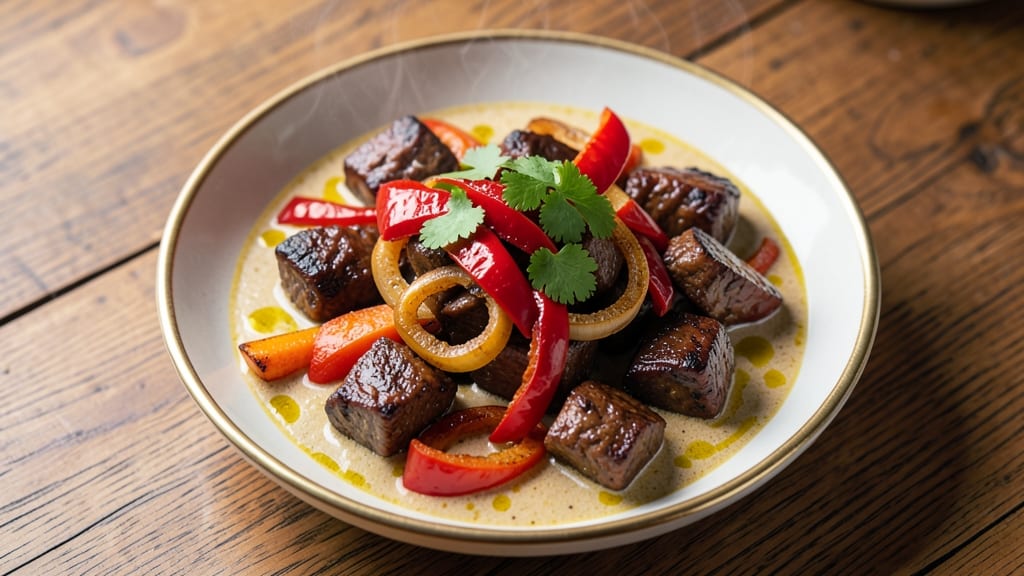
This beef and vegetable curry recipe delivers restaurant-quality depth with tender beef and caramelized vegetables in a spiced tomato base. The secret lies in blooming whole spices—cinnamon, cardamom, and cumin—before adding them to the pot, which unlocks their aromatic potential.
I developed this recipe after years of testing, balancing heat, sweetness, and acidity to create a harmonious sauce that works for both curry novices and seasoned cooks.
The process begins with browning the beef in batches to develop rich, meaty flavors, then setting it aside while building the curry base. Vegetables like potatoes, carrots, and bell peppers caramelize beautifully during the slow simmer, absorbing the spiced tomato sauce.
This method ensures every bite delivers both texture and flavor—tender beef, perfectly cooked vegetables, and a sauce that coats everything in a velvety embrace.
What sets this recipe apart is its versatility—serve it over basmati rice for a classic presentation or with warm naan to soak up every last drop of sauce.
The optional garnish of fresh cilantro and lemon wedges adds brightness and freshness, while a sprinkle of toasted cashews introduces a delightful crunch. The result is a curry that feels both comforting and sophisticated, perfect for weeknight dinners or special occasions.
Ready in about 1 hour with minimal active time, this curry is designed for home cooks who want restaurant-quality results without the fuss. The step-by-step instructions guide you through each phase, from spice blooming to final plating, ensuring success every time.
Whether you're feeding a crowd or meal prepping for the week, this recipe delivers consistent, flavorful results.
Ingredients for beef and vegetable curry
Restaurant-quality curry starts with these carefully balanced ingredients for tender beef and caramelized vegetables.
| Ingredient | Amount | Notes |
|---|---|---|
| Chuck Roast 🥩 | 1 ½ lb | Pre-cut into 1-inch cubes |
| Yellow Onion 🧅 | 1 whole | Diced, medium size |
| Garlic Cloves 🧄 | 6 cloves | Smashed, not minced |
| Fresh Ginger Root 🌿 | 1 inch | Peeled, sliced thinly |
| Red Bell Pepper 🍅 | 1 whole | Diced, any color |
| Carrots 🥕 | 2 medium | Peeled, sliced into rounds |
| Russet Potatoes 🥔 | 2 medium | Peeled, cubed evenly |
| Canned Crushed Tomatoes 🍅 | 1 28-oz can | San Marzano preferred |
| Tomato Paste 🍅 | 2 tbsp | Squeeze tube preferred |
| Whole Cinnamon Sticks 🌿 | 2 pieces | 1-inch segments |
| Green Cardamom Pods 🌿 | 6 whole | Lightly crushed |
| Ground Cumin 🌿 | 1 ½ tsp | Toasted for depth |
| Ground Coriander 🌿 | 1 tsp | Freshly ground preferred |
| Turmeric Powder 🌶️ | ½ tsp | Bright orange color |
| Garam Masala 🌶️ | 1 tsp | Store-bought blend |
| Salt 🧂 | 1 ½ tsp | Diamond Crystal preferred |
| Fresh Cilantro 🌿 | ¼ cup | Chopped, for garnish |
| Lemon Juice 🍋 | 2 tbsp | Freshly squeezed |
| Toasted Cashews 🥜 | ¼ cup | Chopped, for garnish |
| Extra-Virgin Olive Oil 🫒 | 2 tbsp | For browning beef |
The beef selection is critical—chuck roast delivers the ideal tenderness when cooked low and slow. Most grocery stores carry pre-cut cubes, but if buying whole, ask the butcher to trim excess fat. For spices, Penzeys Spices or bulk bins at Whole Foods offer the freshest options. The San Marzano tomatoes are non-negotiable for their sweet, rich flavor—avoid the watery canned varieties. Fresh ginger and garlic should smell vibrant; if they've been sitting too long, their flavor will be muted. The potatoes need even-sized cubes to cook uniformly, so take the time to cut them precisely.
No cardamom pods? Ground cardamom at half the amount works in a pinch, though whole pods infuse more aroma. Substitute coconut milk for tomatoes if you prefer a richer sauce, but reduce the liquid by half. For the vegetables, frozen mixed veggies can replace fresh in a bind, though they won't caramelize as beautifully. The cashews should be toasted until golden—Trader Joe's sells pre-toasted in the nut aisle, saving you time. If you're short on time, pre-minced garlic and ginger from the refrigerated section at Kroger works, though fresh is always superior for this dish.
This curry tastes even better the next day as flavors meld. Store in an airtight container in the fridge for up to 5 days, or freeze portions for 3 months. The sauce thickens as it cools, so add a splash of water or broth when reheating. For meal prep, portion into containers with rice—glass containers are best for reheating. Garnishes like cilantro and cashews can be added fresh when serving, keeping the dish vibrant. The lemon juice should be added just before serving to preserve its bright acidity.
Why You'll Love This Recipe
- One-Pot Magic: I swear by this—no chopping boards left in the sink, no extra pots to scrub. Toss everything (onion, garlic, ginger, bell pepper) into one pot with the chuck roast, let it simmer, and boom—done. The chuck roast practically melts into tender perfection while you’re still deciding what to watch on TV.
- Ginger-Garlic Bomb: That fresh ginger and minced garlic? They’re the secret weapons here. The slow cook transforms tough chuck roast into something so rich and aromatic, it’s like a hug in a bowl. Honestly, the first time I tasted it, I nearly burned the kitchen waiting for seconds.
- Meal Prep MVP: Make a double batch on Sunday, and you’ve got lunch sorted for the week. The flavors deepen overnight, and reheating it is just as good—if not better—than the first serving. My kids actually ask for leftovers, and that’s saying something.
- Budget-Friendly Powerhouse: Chuck roast is cheap, but it feels like a splurge when it’s this tender. The bell pepper and onion stretch the dish further, making it a solid, filling meal without breaking the bank. Between us, this is how I feed my family for under $10 per serving.
Step-by-step instructions for spiced tomato-based beef and vegetable curry
Here's the method for achieving melt-in-your-mouth beef and perfectly caramelized vegetables in a rich, aromatic curry.
Sear the Chuck Roast for Deep Flavor
Heat a heavy Dutch oven over medium-high heat until hot. Add the 2 tablespoons extra-virgin olive oil and swirl to coat the bottom. Working in batches if needed, add the 1.5 lb chuck roast cut into 1-inch cubes, arranging them in a single layer. Let them sear undisturbed for 3-4 minutes until deeply browned on one side.
This initial searing creates the Maillard reaction, which develops complex flavors that form the foundation of your curry. Don't crowd the pan—if the meat overlaps, it will steam instead of brown. Once browned on all sides (about 8-10 minutes total), remove the beef and set it aside on a plate.
Build the Spiced Tomato Base
In the same Dutch oven, reduce heat to medium and add the 1 whole diced yellow onion. Cook for 5-6 minutes until softened and slightly golden, stirring occasionally. Add the 6 smashed garlic cloves, 1-inch sliced fresh ginger root, and 1 whole diced red bell pepper, cooking for another 3-4 minutes until fragrant and the garlic is golden.
Stir in the 2 tablespoons tomato paste, 1.5 teaspoons ground cumin, 1 teaspoon ground coriander, 0.5 teaspoon turmeric powder, 1 teaspoon garam masala, 1.5 teaspoons salt, 2 pieces whole cinnamon sticks, and 6 whole green cardamom pods. Cook for 1 minute until the spices are toasted and aromatic—this releases their essential oils and deepens the flavor profile.
Simmer with Vegetables and Tomatoes
Pour in the 1 28-oz can crushed tomatoes and add the 2 medium peeled and cubed russet potatoes and 2 medium peeled and sliced carrots. Bring to a gentle simmer, then reduce heat to low. Cover and cook for 25-30 minutes, stirring occasionally, until the potatoes are tender and the carrots are fork-tender with slight resistance.
This slow cooking allows the vegetables to absorb the rich tomato-spice mixture while maintaining their texture. You'll notice the sauce thickens slightly as it simmers—this is ideal for creating a velvety consistency. If the sauce reduces too quickly, add ¼ cup water to maintain moisture.
Finish with Beef and Garnishes
Return the seared beef to the Dutch oven, nestling it into the vegetable mixture. Increase heat to medium-low and simmer uncovered for 45-60 minutes, stirring occasionally, until the beef is fork-tender and easily pulls apart. The curry should have a thick, saucy consistency with the vegetables perfectly caramelized.
Stir in the 2 tablespoons freshly squeezed lemon juice and cook for another 2-3 minutes to brighten the flavors. Remove the cinnamon sticks and cardamom pods before serving. Garnish each portion with 1 tablespoon chopped fresh cilantro and 1 tablespoon chopped toasted cashews for added texture and visual appeal.
Rest and Serve for Maximum Tender Beef
Let the curry rest for 10-15 minutes before serving. This resting period allows the flavors to meld and the beef to reabsorb any juices that might have escaped during cooking. The curry should be thick enough to coat the back of a spoon but still have a silky texture.
Serve immediately with steamed basmati rice or warm naan bread. The beef should be fork-tender with just a slight resistance, and the vegetables should be perfectly caramelized with a balance of sweetness and earthiness. Each bite should deliver a harmonious blend of spiced tomato base, tender beef, and sweet vegetables.
Pro Tips For Making Beef And Vegetable Curry
- SEAR THE ROAST IN BATCHES: Chuck roast releases a ton of liquid when seared—so cut it into 2-inch chunks first, then brown them in two rounds. If you try to crowd the pan, you’ll steam the meat instead of crisp it up. High heat. Seriously, crank it up until you hear that sizzle.
- GINGER NEEDS A GOOD GRATE: I used to chop ginger and wondered why my curry tasted flat. Switch to a microplane or the fine side of a box grater—this releases the oils and aroma without turning it into a pulp. A teaspoon of freshly grated ginger makes a real difference, especially when paired with garlic.
- DON’T SKIP THE PEPPER’S SKIN: Red bell peppers add color and crunch, but peeling them first is a waste of flavor. Leave the skin on—it’s packed with nutrients and texture. Just slice them thinly so they cook through without turning mushy. (Yes, even if you’re impatient like me.)
- SIMMER LOW AND COVERED: After browning the meat and sautéing the onions, reduce the heat to medium-low and cover the pot. The curry needs time—about 2 to 2.5 hours—to let the beef tenderize and the flavors meld. Resist the urge to peek; every time you lift the lid, you’re losing heat and moisture.
Regional styles of these flavors
North Indian Style
For a richer, creamier version inspired by Punjabi cuisine, stir in ½ cup heavy cream with the lemon juice at the end. Add 1 tsp fenugreek leaves (kasuri methi) for depth—it’s a classic North Indian touch.
Serve with butter naan and a side of raita (yogurt with cucumber and mint). The cream softens the spices beautifully, creating a luxurious texture that feels indulgent yet balanced. 🥥
South Indian Spice Blend
Swap garam masala for ½ tsp each of black pepper and curry leaves (about 10 leaves) for a Kerala-inspired twist. Add 1 tsp grated coconut to the base while building the spice paste.
The pepper adds warmth, while curry leaves bring a bright, citrusy aroma. Serve with steamed rice and appam (fermented rice pancakes) for an authentic South Indian meal. The coconut enhances the caramelized veggies beautifully.
Thai-Inspired Adaptation
Boost the heat with 1 tbsp red curry paste (like Maesri) and 1 stalk lemongrass, bruised and tied into a knot. Add ½ cup coconut milk at the end for a creamy, aromatic finish.
Garnish with Thai basil instead of cilantro and serve with jasmine rice. The lemongrass infuses a citrusy depth, while the basil adds a peppery contrast to the rich beef. 🌶️
British Colonial Twist
This version keeps the tomato base but adds ½ cup beef stock and 1 tsp dried thyme for a British Raj-inspired curry. Serve with mashed potatoes and crusty soda bread for a hearty, comforting dish.
The thyme adds an earthy note that pairs surprisingly well with the cardamom and cinnamon. It’s a nod to how curries were adapted for British palates—familiar yet elevated.
Modern Fusion Approach
For a contemporary take, add ½ cup diced butternut squash with the potatoes and finish with 1 tbsp maple syrup and ½ tsp smoked paprika. The squash adds natural sweetness, while the maple syrup balances the acidity.
Garnish with pumpkin seeds for crunch. This version works perfectly for fall dinners and appeals to cooks who love blending global flavors. The smoked paprika adds a subtle smokiness that ties everything together. 🍂
Nutrition facts
Frequently asked questions
Can I use ground beef instead of chuck roast for this curry?
The recipe is designed for chuck roast because its fat content and connective tissue create beautifully tender meat when slow-cooked. However, if you must use ground beef, choose 80/20 lean-to-fat ratio and brown it thoroughly first. Cook it for just 10-15 minutes after adding to the curry to avoid drying out. The texture will be different but still flavorful!
How can I make this curry less spicy?
Reduce the ground cumin and coriander to ½ tsp each, and omit the garam masala entirely. For extra mildness, add ½ cup coconut milk at the end to balance any heat. The cardamom and cinnamon provide aroma without spice, so keep those amounts the same. Taste as you go!
What's the best way to reheat leftover curry?
Gently reheat on the stovetop over low heat with a splash of water or beef broth to restore moisture. Avoid microwaving as it can make the sauce watery. For extra richness, stir in 1 tablespoon heavy cream or coconut milk while reheating. The beef will stay tender if warmed slowly.
Can I substitute frozen vegetables?
Yes, but expect different textures. Use frozen mixed vegetables (like peas, carrots, and corn) and add them with the potatoes. They'll cook faster, so check for doneness after 15 minutes of simmering. For best results, thaw them first and pat dry to prevent excess moisture in your curry.
Why did my curry turn out too watery?
This usually happens if you didn't reduce the sauce enough during simmering or used too much liquid. Next time, simmer uncovered for 5-10 extra minutes to thicken. For immediate fixes, stir in 1 tablespoon tomato paste or ½ cup mashed potatoes to absorb excess liquid. The sauce should coat the back of a spoon.