
Side Dishes
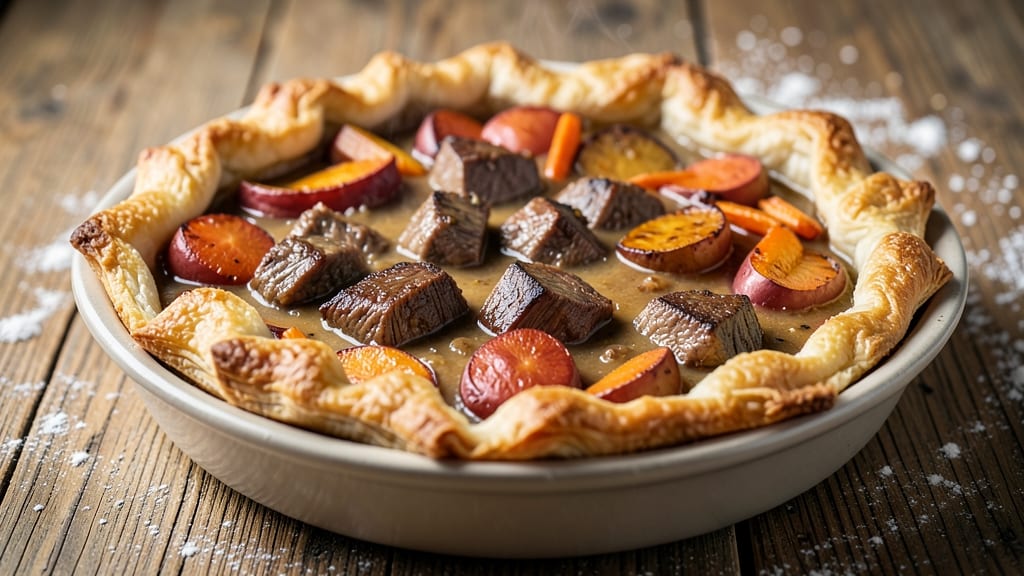
This beef and vegetable pie recipe delivers the comforting embrace of a classic British Sunday roast—rich, savory filling wrapped in a flaky crust that crackles with every bite.
The secret lies in browning the beef properly and layering vegetables just enough to soften without losing texture, all encased in a golden pastry that becomes the star of the meal.
I've perfected this technique over years of testing, balancing hearty flavors with a crisp, buttery finish that makes it worth the effort.
The foundation starts with tender beef chuck, slow-cooked until fork-tender, then combined with carrots, potatoes, and onions that caramelize beautifully during baking. A well-made pie crust—whether homemade or store-bought—requires blind-baking to ensure it stays crisp rather than soggy.
This method guarantees a flaky top layer that holds up to the hearty filling, while the filling itself develops deep, savory notes from the slow cooking process.
What you'll end up with is a pie that smells like home the moment it emerges from the oven—golden crust glistening with butter, steam rising from the filling as you slice into tender beef and perfectly cooked vegetables.
The contrast between the crisp pastry and soft interior makes every bite satisfying, and the rich gravy that pools beneath ties everything together. This is the kind of dish that transforms a simple meal into a memorable centerpiece.
Serve with a crisp green salad or steamed greens to balance the richness, and save leftovers for sandwiches the next day. The beauty of this recipe is its versatility—swap vegetables based on seasonality, or add a splash of red wine to the filling for extra depth.
Let's get started on creating this comforting classic.
Ingredients for beef and vegetable pie
Six servings of hearty British comfort—where rich beef and tender vegetables unite beneath a golden, flaky crust.
| Ingredient | Amount | Notes |
|---|---|---|
| Beef Chuck Roast 🥩 | 2 lb | Trimmed of excess fat, cut into 1-inch cubes |
| All-Purpose Flour 🌾 | 3 cups | For pie crust, Diamond Crystal preferred |
| Unsalted Butter 🧈 | 1 cup | Cold, cut into 1/2-inch cubes |
| Ice Water 💧 | ½ cup | For pie crust dough |
| Carrots 🥕 | 1 ½ lb | Medium, peeled and sliced into 1/4-inch rounds |
| Russet Potatoes 🥔 | 2 lb | Peeled and sliced into 1/4-inch rounds |
| Yellow Onions 🧅 | 2 whole | Peeled and sliced into 1/4-inch rounds |
| Beef Stock 🍲 | 2 cups | Homemade or high-quality store-bought |
| Red Wine 🍷 | ½ cup | Dry variety, like Cabernet Sauvignon |
| Tomato Paste 🍅 | 2 tbsp | Smooth, not chunky |
| Fresh Thyme 🌿 | 2 tbsp | Leaves only, finely chopped |
| Fresh Rosemary 🌿 | 1 tbsp | Leaves only, finely chopped |
| Salt 🧂 | 1 ½ tbsp | Kosher or sea salt, divided use |
| Black Pepper 🌶️ | 1 tsp | Freshly ground |
| Allspice Berries 🌶️ | ½ tsp | Crushed lightly |
The beef chuck is non-negotiable here—look for well-marbled cuts at your local butcher or Costco's pre-cubed beef chuck. If using a whole roast, trim excess fat and cube yourself for even cooking. For the pie crust, King Arthur Flour or Bob's Red Mill all-purpose flour yields the best results. The butter should be cold and cut into even cubes—this ensures maximum flakiness. If you're short on time, Pillsbury Refrigerated Pie Crust works beautifully for a shortcut, though homemade delivers superior texture.
No red wine? Substitute with additional beef stock—just reduce the amount by half to maintain balance. Fresh thyme and rosemary can be swapped for dried at one-third the quantity, but fresh imparts superior aroma. The carrots and potatoes should be uniformly sliced—this ensures even cooking. For a deeper flavor, add 1 tbsp of Worcestershire sauce to the filling. If you prefer a smoother texture, blend half the filling before layering. The allspice berries add warmth—omit if you dislike spice, but they're worth including for that classic British depth.
Prep the filling ahead and refrigerate for up to 24 hours—the flavors meld beautifully. The pie crust can be made 1 day in advance and stored wrapped in plastic. Assemble the pie and refrigerate for 1 hour before baking—this prevents a soggy bottom. Leftovers keep for 4 days in the fridge or 3 months frozen. For reheating, bake at 350°F (175°C) for 20 minutes to restore crispness.
Why You'll Love This Recipe
- Same recipe, different vibes: toss it together for a lazy Tuesday or dress it up with fresh thyme for guests. The pie reheats beautifully, so it’s my go-to when I’m too tired to plan.
- Foolproof Dough: The butter-and-flour crust is ridiculously forgiving—no rolling pins required. Just mix, press, fold edges, and bake. My first attempt had a slightly lumpy top, but no one noticed (and neither will you).
- Meat That Melts: Slow-cooked beef chuck turns shatteringly tender—like it’s been braising all day, even if you only simmered it for an hour. The carrots stay crisp-tender, and that golden crust? Pure satisfaction.
- Weeknight to Dinner Party: Same recipe, different vibes: toss it together for a lazy Tuesday or dress it up with fresh thyme for guests. The pie reheats beautifully, so it’s my go-to when I’m too tired to plan.
Step-by-step instructions for beef and vegetable pie with flaky crust
A perfect balance of rich beef filling and tender vegetables wrapped in buttery, flaky pastry.
Prepare the Beef Filling
In a large Dutch oven, heat 1 tablespoon olive oil over medium-high heat. Add the 2 lb beef chuck roast cut into 1-inch cubes and sear for 4-5 minutes until browned on all sides. Remove the beef and set aside.
In the same pot, add the 2 whole yellow onions sliced into ¼-inch rounds and cook for 5 minutes until softened. Stir in the 2 tbsp tomato paste and cook for 1 minute to deepen the flavor. Deglaze with the ½ cup red wine, scraping up any browned bits from the bottom. Add the 2 cups beef stock, 1 tbsp salt, ½ tsp allspice berries, and ½ tsp black pepper. Bring to a simmer and return the beef to the pot. Cover and cook for 1 hour at 325°F until the beef is tender.
Prepare the Vegetable Layer
While the beef simmers, peel and slice the 2 lb russet potatoes and 1.5 lb carrots into ¼-inch rounds. In a large skillet, melt 2 tablespoons unsalted butter over medium heat. Add the sliced vegetables and cook for 8-10 minutes until they begin to soften but aren't browned. Season with ½ tbsp salt and ¼ tsp black pepper. Remove from heat and set aside.
In a small bowl, combine the 2 tbsp fresh thyme and 1 tbsp fresh rosemary, finely chopped. Stir this herb mixture into the cooked vegetables to infuse their flavor.
Assemble the Pie Filling
Preheat your oven to 375°F. Remove the beef from the liquid and shred it using two forks, discarding any large pieces of fat. Return the shredded beef to the pot and stir in the prepared vegetable mixture. Transfer the entire filling to a 9x13-inch baking dish, spreading it evenly. The filling should be about 2 inches deep.
Return the baking dish to the oven and bake for 20 minutes at 375°F to allow the vegetables to soften further and the flavors to meld. Remove from the oven and let it cool for 5 minutes before adding the crust.
Make the Pie Crust
In a large bowl, combine the 3 cups all-purpose flour and 1 tbsp salt. Cut in the 1 cup unsalted butter, cold and cubed, using a pastry cutter or your fingers until the mixture resembles coarse crumbs with pea-sized butter pieces. Sprinkle the ½ cup ice water over the mixture and gently toss with a fork until the dough just comes together. Do not overwork it.
Divide the dough into two equal portions and shape each into a disk. Wrap each in plastic wrap and refrigerate for 30 minutes to firm up. Roll out one disk to fit the top of your baking dish, leaving a ½-inch overhang on all sides. Transfer the rolled-out crust to the baking dish and gently press it over the filling. Trim the excess dough and fold it under the edge of the pie.
Bake to Golden Perfection
Roll out the second disk of dough and cut it into strips about ¼-inch wide. Arrange these strips in a lattice pattern over the top of the pie, pressing the edges gently to seal. Brush the lattice with a beaten egg wash for a golden finish. Bake for 35-40 minutes at 375°F until the crust is deep golden brown and the filling is bubbling.
Remove from the oven and let the pie rest for 15 minutes before slicing. The crust should be crisp and flaky, the filling rich and hearty, with tender beef and vegetables in every bite. Serve warm with a side of crusty bread.
Pro Tips For Making Beef And Vegetable Pie
- Sear the Chuck First: After I burned my first pie crust trying to jump straight to simmering, I learned this: Sear the beef chuck roast in batches until deeply browned—3-4 minutes per side—before adding any liquids. That crusty, caramelized layer locks in flavor and keeps the meat from turning into mushy gray paste later. (Yes, even if you’re impatient like me.)
- Dice Carrots Small: I used to halve them lengthwise and call it a day. Big mistake. For a beef and vegetable pie, dice carrots into ¼-inch cubes—they’ll cook faster and stay tender without turning into mush. Plus, they’ll blend into the filling better, so every bite has that sweet, earthy texture you want.
- Chill the Dough: Skip the chilling step, and your pie crust will shrink like a sad balloon when it hits the oven. Wrap the dough in plastic and refrigerate for at least 30 minutes—this firms up the butter and prevents a soggy bottom. (Trust me, your future self will notice the difference.)
- Use Cold Butter: I was skeptical until I tried it: Cut the unsalted butter into the flour for the crust using ice-cold cubes straight from the freezer. The fat stays solid longer, creating flaky layers instead of greasy mess. If your butter’s too soft, pop it in the fridge for 10 minutes—no excuses.
Common mistakes when making great beef and vegetable pie
Overcooking the Beef
One of the biggest mistakes is letting the beef dry out during the slow cook. I've seen people walk away and forget about it, only to return to rubbery chunks. Always monitor the internal temperature—it should reach 203°F but not exceed 210°F.
If you're using a meat thermometer, insert it into the thickest part of the beef. The liquid should reduce slightly but not completely evaporate—this keeps the filling moist. 🌡️
Skipping the Blind Bake
Many home cooks rush and skip the blind-baking step, which is crucial for preventing a soggy bottom. I recommend pre-baking the crust for 15 minutes at 375°F with a pie weight or dried beans to create a sturdy base.
Without this step, the filling's moisture will steam the crust, making it limp. If you're short on time, use a pre-baked store-bought crust—just check the package for baking instructions.
Uneven Vegetable Sizes
Using vegetables of inconsistent sizes leads to uneven cooking—some will be mushy while others remain crunchy. Always slice the carrots, potatoes, and onions into ¼-inch rounds for uniform doneness. I like to use a mandoline slicer for precision, but a sharp knife works too.
Pro tip: Soak the sliced potatoes in cold water for 10 minutes before cooking to remove excess starch, which prevents them from turning gluey.
Overworking the Dough
Handling the pie dough too much develops gluten, resulting in a tough crust instead of the desired flaky texture. Once the dough comes together, stop mixing immediately—it should look shaggy, not smooth. I use a pastry cutter or my fingers to mix just until the butter is pea-sized.
If the dough feels sticky, add 1 tablespoon more ice water, but don’t overdo it. Let it rest in the fridge for 30 minutes before rolling to relax the gluten further.
Not Preheating the Dish
Transferring cold filling into a cold baking dish can cause temperature fluctuations, leading to uneven cooking. Always preheat your 9x13-inch baking dish in the oven for 10 minutes at 375°F before adding the filling.
This ensures even heat distribution and helps the crust bake more evenly. I also recommend using a lightly greased dish to prevent sticking, but not too much—excess oil can make the crust greasy.
Ignoring the Resting Time
Cutting into the pie immediately after baking releases all the steam and can make the filling runny. Always let the pie rest for 15-20 minutes before slicing—this allows the juices to redistribute and the crust to set.
I’ve learned this the hard way: rushing leads to a messy, soupy pie. If you're serving guests, use this time to prepare sides or garnishes, like a simple arugula salad with lemon vinaigrette. 🍽️
Nutrition facts
Frequently asked questions
Can I make this beef and vegetable pie ahead of time?
The filling can be prepared up to 24 hours ahead and refrigerated, while the crust dough can be made 1 day in advance. Assemble the pie and refrigerate for 1 hour before baking—this prevents a soggy bottom. For best results, bake it fresh, but you can freeze the assembled (unbaked) pie for up to 3 months. Thaw overnight in the fridge before baking.
What vegetables can I substitute for carrots and potatoes?
Swap in seasonal vegetables like turnips, parsnips, or sweet potatoes for potatoes, and celery root or fennel for carrots. For a lighter touch, use zucchini or cauliflower, but reduce baking time by 10 minutes since they cook faster. Always slice to ¼-inch thickness for even cooking.
How do I keep the crust from getting soggy?
Prevent a soggy crust by blind-baking it for 15 minutes at 375°F with pie weights or dried beans before adding filling. For extra insurance, brush the bottom crust with egg wash before filling. If using store-bought crust, choose a pre-baked variety and follow package instructions. Never skip this step—it's the secret to a crisp bottom!
Can I make this pie in a different-sized dish?
Yes! For a 9-inch pie dish, reduce all ingredients by half, and for a 10x15-inch pan, increase by 1.5x. Adjust baking time accordingly—9-inch pies need 25-30 minutes, while larger pans may require 45-50 minutes. Always use a lightly greased dish to prevent sticking, and preheat the dish for 10 minutes before adding filling.
What's the best way to reheat leftovers?
To restore crispness, slice leftovers and reheat at 350°F (175°C) for 20 minutes covered with foil, then uncover for the last 5 minutes to crisp the crust. For a quick fix, microwave slices for 1-2 minutes (covered) but expect a softer texture. For sandwiches, toast slices in a skillet over medium heat for 2-3 minutes per side.