
Soups & Stews
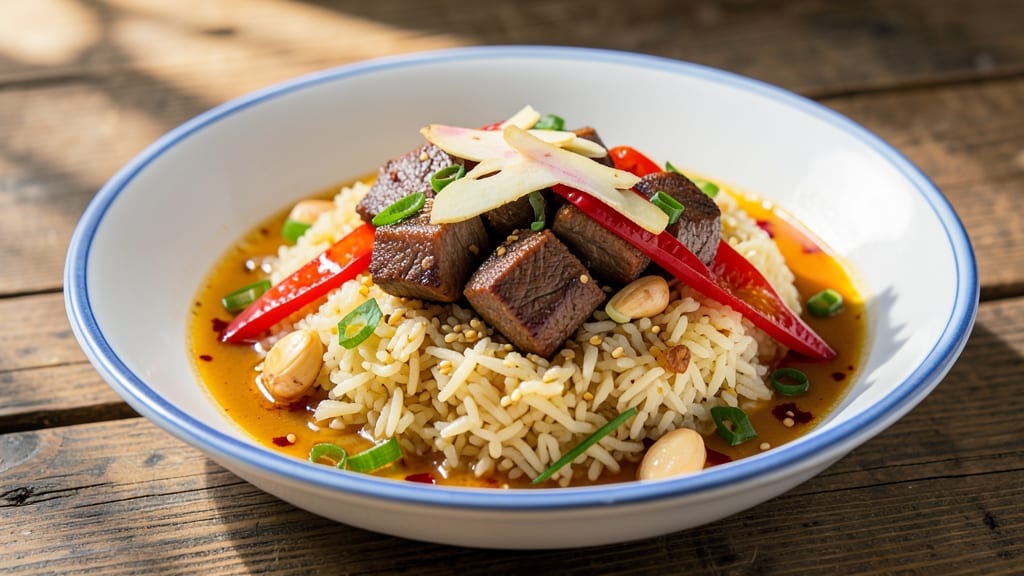
This beef arroz caldo recipe brings the soul-warming comfort of Filipino home cooking to your table, where tender beef and fragrant saffron-infused rice simmer together in a deeply savory broth. The secret lies in slow-cooked beef that melts in your mouth and rice that absorbs the rich, aromatic flavors—creating a dish that's both hearty and delicate. I've perfected this version to stay true to tradition while making it accessible for home cooks, so every spoonful delivers that nostalgic taste of home.
The beauty of arroz caldo is in its simplicity: just a few key ingredients—beef, rice, ginger, garlic, and saffron—transformed into a meal that feels like a hug. The broth develops its depth through hours of gentle simmering, while the rice cooks directly in the pot, soaking up all the flavors.
What makes this dish special is how it balances richness with lightness—the beef stays tender, the rice remains separate but infused, and the broth is neither too heavy nor too thin.
What you'll end up with is a steaming bowl of comfort that's perfect for chilly evenings or when you need a meal that nourishes both body and soul. The saffron gives the rice a golden hue and subtle floral notes, while the beef adds protein and warmth.
This isn't just a stew—it's a celebration of Filipino home cooking, where every ingredient plays its part in creating something truly special.
Serve it with a side of crisp lettuce or steamed vegetables to balance the richness, or enjoy it as-is with a sprinkle of fresh herbs. The leftovers taste even better the next day, making this an ideal dish for meal prep. Let's get started on creating this comforting classic.
Ingredients for beef arroz caldo
Here's what you need to make this comforting Filipino beef arroz caldo, where saffron rice and tender beef create a perfect hug in a bowl.
| Ingredient | Amount | Notes |
|---|---|---|
| Beef Chuck Roast 🥩 | 1 ½ lb | Cut into 1-inch cubes |
| Jasmine Rice 🍚 | 1 cup | Uncooked, long-grain preferred |
| Saffron Threads 🌼 | ¼ tsp | High-quality, crushed |
| Fresh Ginger Root 🧄 | 2 tbsp | Grated, peeled |
| Garlic Cloves 🧄 | 6 cloves | Minced, peeled |
| Yellow Onion 🧅 | 1 whole | Medium, sliced |
| Chicken Broth 💧 | 4 cups | Low-sodium preferred |
| Water 💧 | 2 cups | For broth dilution |
| Tomatoes 🍅 | 2 whole | Medium, quartered |
| Salt 🧂 | 1 ½ tsp | Kosher or sea salt |
| Black Peppercorns 🌶️ | ½ tsp | Ground fresh |
| Bay Leaves 🌿 | 2 whole | Fresh, if available |
| Green Onions 🌱 | 3 whole | Sliced, for garnish |
| Fresh Parsley 🌿 | ¼ cup | Chopped, for garnish |
| Olive Oil 🫒 | 2 tbsp | For searing beef |
The beef is everything here. Chuck roast is ideal—it stays tender through hours of simmering. Look for well-marbled cuts at Costco or your local butcher; if you're in a pinch, the pre-cubed beef section at Walmart or Kroger works fine. Slice it into even 1-inch pieces so it cooks uniformly. The saffron? Don't skimp—it's what gives this dish its signature golden color and floral aroma. A little goes a long way, so buy the good stuff. I grab mine from Penzeys Spices or the international aisle at Whole Foods.
No saffron? Turmeric at half the amount will give you color, though it lacks that floral note. Fresh ginger and garlic are non-negotiable—they build the aromatic base. If you've got galangal (that Thai root), use it instead of ginger for extra depth. The broth should be low-sodium; if yours isn't, cut the added salt in half. For the tomatoes, vine-ripened from the farmers market makes all the difference. No fresh parsley? Dried works at one-third the amount, but fresh is better for garnish. The rice should be jasmine—it absorbs flavors beautifully.
This dish tastes even better the next day, so make extra. Store the beef and broth separately in airtight containers for up to 5 days—reheat gently on the stove. The rice? Day-old rice reheats perfectly—just add a splash of water or broth. For meal prep, I portion the beef and broth into containers with individual rice servings. Freezes beautifully too—3 months for the broth, 1 month for the rice. Garnish with green onions and parsley right before serving to keep it fresh.
Why You'll Love This Recipe
- One-Pot Magic: I swear by this—just sear the beef, toss in the rice and broth, and let it simmer. No chopping, no fussing, no extra pots. That chuck roast practically melts into the broth, turning tough cuts into something tender and rich.
- Golden Threads Glow: Honestly, the saffron makes this dish. A single thread steeping in warm water transforms the broth into this luminous, aromatic gold—like liquid sunshine. It’s subtle but chef’s kiss when paired with the sharp ginger and garlic.
- Meal Prep MVP: Between us, this is my go-to for busy weeks. Cook a big batch on Sunday, and you’ve got hearty lunches all week—just reheat and add a fried egg on top. The rice stays fluffy, the beef stays juicy, and no one complains.
- Budget-Friendly Feast: A chuck roast stretches further than you’d think, especially when slow-cooked until fork-tender. I’ve fed six people for under $20, and they always ask for seconds. Plus, ginger and garlic are dirt cheap—flavor on a shoestring.
Step-by-step instructions for beef arroz caldo
Let's create this hearty, saffron-infused beef and rice dish that's perfect for chilly days.
Sear the Beef for Maximum Flavor
Heat the 2 tablespoons olive oil in a large Dutch oven over medium-high heat. Add the 1.5 lb beef chuck roast cut into 1-inch cubes, working in batches if needed to avoid crowding. Sear the beef for 4-5 minutes per side until it develops a deep golden brown crust. This step is crucial—it locks in juices and creates rich flavor that infuses the broth.
As you sear, you'll notice the beef releasing its natural juices and developing a caramelized exterior. Once all pieces are browned, transfer them to a plate and set aside. Don't drain the Dutch oven yet—those precious browned bits will form the flavor base for your arroz caldo.
Build the Aromatic Base
In the same Dutch oven, add the sliced 1 whole yellow onion and cook for 3-4 minutes until softened and translucent. Add the 2 tablespoons grated fresh ginger root and 6 minced garlic cloves, stirring constantly for 1 minute until fragrant. You'll smell that wonderful ginger-garlic aroma filling your kitchen—that's when you know you're on the right track.
Next, add the 2 whole quartered tomatoes and cook for another 2 minutes until they begin to break down. Stir in the 2 whole bay leaves, 1.5 teaspoons salt, and 0.5 teaspoon ground black peppercorns, mixing well to combine. This aromatic base forms the flavor foundation for your entire dish.
Infuse with Saffron and Simmer the Broth
Pour in the 4 cups chicken broth and 2 cups water, scraping up any browned bits from the bottom of the pot. Bring the mixture to a gentle boil, then reduce heat to medium-low. Add the 0.25 teaspoon crushed saffron threads and stir gently to distribute. The saffron will infuse the broth with its signature golden color and delicate floral aroma.
Return the seared beef to the pot and bring everything to a gentle simmer. Partially cover the Dutch oven and let it cook for 45 minutes, stirring occasionally. You want the beef to become fork-tender while the broth develops deep, rich flavors. The saffron will give the broth its beautiful golden hue—this is where the magic happens.
Cook the Jasmine Rice to Perfection
While the beef simmers, rinse the 1 cup jasmine rice under cold water until the water runs clear. This removes excess starch that could make the rice gummy. Add the rice to the beef and broth mixture, stirring gently to distribute. Increase heat to medium and bring to a gentle boil for 2 minutes to toast the rice slightly.
Then reduce heat to low, cover the pot, and let it simmer for 15-18 minutes. The rice should absorb all the liquid and become tender with a slight bite in the center. If you notice the rice is absorbing too quickly, add ½ cup hot water to maintain the proper consistency. The aroma of saffron-infused rice will fill your kitchen—this is your cue that everything is coming together beautifully.
Finish and Serve with Fresh Herbs
Once the rice is tender and the beef is fork-tender, remove the 2 bay leaves and discard them. Taste the broth and adjust seasoning if needed—you might want to add a bit more salt or pepper to taste. The dish should be flavorful but not overwhelmingly salty.
Garnish each serving with sliced green onions and chopped fresh parsley just before serving. The bright green herbs will contrast beautifully with the golden saffron rice and rich beef. Serve immediately while hot, family-style, and enjoy this comforting beef arroz caldo that's perfect for sharing.
Pro Tips For Making Beef Arroz Caldo
- Sear the Chuck First: Get that beef browned deep and dark before slow cooking—this isn’t just for flavor, it’s what makes the broth rich. I used to skip it, and the dish tasted like it was missing something. A hot pan, 2 tablespoons of oil, and 5 minutes of undisturbed searing on all sides changes everything.
- Bloom the Saffron Right: Crush those threads between your fingers first, then steep in warm water (not boiling) for 10 minutes. I learned this the hard way—whole threads just sit there like decorative confetti. A little effort here means the whole pot smells like luxury.
- Don’t Crowd the Ginger: Thinly slice that root—no, not julienne, just paper-thin so it dissolves. Crowding it in the pan turns it to mush, and you’ll end up with a bitter aftertaste. Spread it out, cook it low and slow until it’s just aroma left.
- Parboil the Rice Separately: Toss the jasmine rice in boiling water for 3 minutes first, then drain. This keeps it from turning mushy when you add it to the broth later. Sounds weird, but it works—your rice stays distinct, and the dish stays elegant. (Yes, even if you’re impatient like me.)
Wine and beer pairings for this recipe
Filipino Red Wine
For an authentic pairing, reach for a Filipino red wine like Petilla Red or Lambayec Red—both are made from local grapes and complement the dish's savory, ginger-infused flavors beautifully. The medium body and subtle fruit notes of these wines mirror the arroz caldo's warmth without overpowering it.
I love keeping a bottle of Petilla in my fridge for Filipino dishes—it’s widely available at Asian grocery stores or online retailers like FilipinoMart.com. 🍷
Crisp White Options
A dry Spanish white wine such as Albariño or Verdejo works wonderfully with the saffron-infused rice and beef. The bright acidity cuts through the richness, while the citrus notes enhance the ginger and garlic flavors. If you prefer something lighter, Sauvignon Blanc with its herbal undertones is another excellent choice.
I often serve this with Castillo de Monjardín Albariño—it’s a crowd-pleaser and easy to find at Total Wine or local wine shops.
Light Beer Pairings
For beer lovers, a crisp lager like San Miguel Pale Pilsen or Heineken provides a refreshing contrast. The light, slightly malty profile balances the dish’s heartiness without competing.
If you want something with a bit more character, try a Belgian witbier like Stella Artois—its citrusy notes complement the ginger and saffron beautifully. I always keep a six-pack of San Miguel on hand for Filipino meals; it’s the go-to beer in many Filipino households. 🍺
Non-Alcoholic Choices
For a non-alcoholic option, ginger beer or sparkling yuzu soda adds a zesty kick that enhances the dish’s flavors. The ginger in these drinks echoes the dish’s aromatic base, while the effervescence cleanses the palate.
I love San Pellegrino Aranciata for its bright orange flavor, which pairs surprisingly well with the saffron and beef. For a homemade twist, mix sparkling water with a splash of lime juice and a pinch of salt—it’s refreshing and complements the meal perfectly.
Traditional Filipino Pairings
If you want to stay true to Filipino traditions, serve your arroz caldo with calamansi juice or hibiscus tea (tsokolate). The tartness of calamansi cuts through the richness, while the floral notes of hibiscus tea mirror the saffron’s aroma.
For a heartier pairing, add a side of sinigang (sour tamarind soup) to contrast the dish’s savory depth. I often serve these together during family gatherings—it’s a match made in Filipino comfort food heaven. 🌸
Nutrition facts
Frequently asked questions
Can I use ground beef instead of beef chuck roast?
While you can use ground beef, it won't give you the same tender, melt-in-your-mouth texture that beef chuck roast provides. The chuck roast stays juicy and flavorful through the long simmer, whereas ground beef can become dry. If you must use ground beef, opt for 80/20 lean-to-fat ratio and cook it for just 10-12 minutes before adding the rice to prevent it from overcooking.
What can I substitute for saffron?
If you can't find saffron, use ½ teaspoon turmeric for color, though it won't have the same floral aroma. For a more authentic flavor, try annatto seeds (soaked in hot water for 10 minutes) or a pinch of safflower. The dish will still be delicious, but the golden hue and delicate perfume will be missing.
How do I make this dish vegetarian?
Replace the beef with mushrooms or tofu for a vegetarian version. Use shiitake or portobello mushrooms sliced thickly, or firm tofu pressed and cubed. Simmer them for 30-40 minutes to develop flavor. Boost umami with 1 teaspoon soy sauce or ½ teaspoon miso paste in the broth. The rice and saffron will still shine as the star of the dish!
Can I make arroz caldo in a slow cooker?
Brown the beef in a skillet first, then transfer everything to a 6-quart slow cooker. Cook on low for 6-7 hours or high for 3-4 hours. Add the rice during the last 30 minutes of cooking. The slow cooker method actually enhances the beef's tenderness and lets the flavors meld beautifully. Just check the rice doesn't absorb too much liquid—add water if needed.
Why does my arroz caldo taste too salty?
This usually happens when using store-bought broth that's high in sodium. Always choose low-sodium broth and reduce the added salt to 1 teaspoon instead of 1.5. If the dish is already too salty, you can dilute it by adding ½ cup water or broth and simmering for another 10 minutes to balance the flavors. Taste as you go—it's easier to fix early than later!