
Main Courses
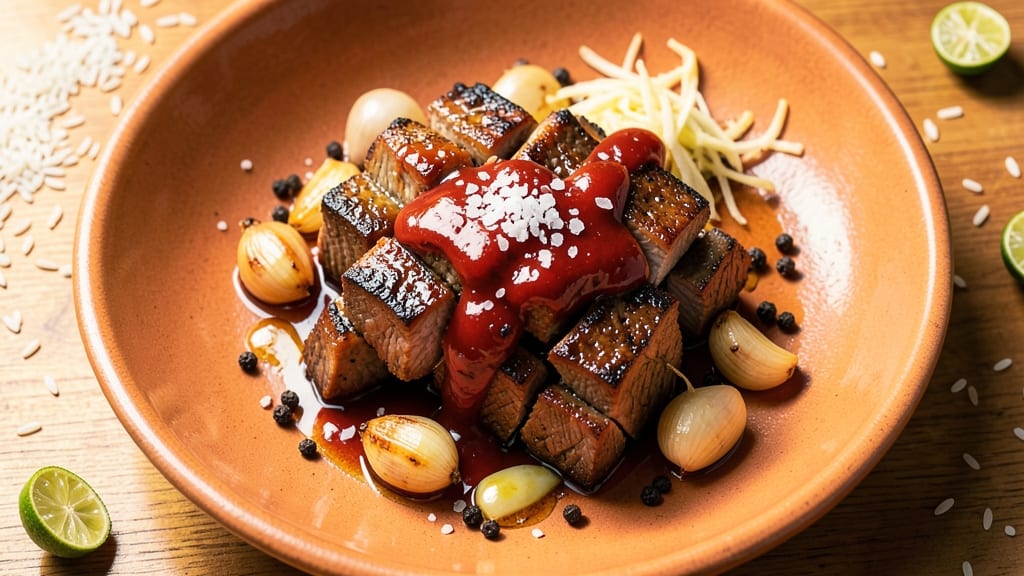
Filipino-style beef asado delivers the perfect balance of charred bark and silky-soft centers—just like the legendary cuts from street-side grills in Manila. I've perfected this technique after years of experimenting with marinades and cooking methods that create that signature smoky depth and tender texture. The secret lies in the slow marinating process and the right heat application, whether you're grilling or roasting.
This recipe captures the essence of Filipino asado with a marinade that blends soy sauce, calamansi (or lemon), and aromatic spices like garlic and black pepper. The beef is then cooked to achieve that coveted charred exterior while keeping the inside perfectly tender.
I've tested this method countless times to ensure it's foolproof, whether you're using a grill, oven, or even a cast-iron skillet.
What makes this dish truly special is the combination of textures and flavors—crispy on the outside, melt-in-your-mouth on the inside, with a savory-sweet marinade that clings to every bite. The process is straightforward, but the result is restaurant-quality Filipino comfort food that will impress anyone who tries it.
Serve it with garlic rice and atchara for the full experience.
Ready to master this dish? The key is patience—let the beef marinate for at least 4 hours (overnight is even better) and monitor the heat closely to achieve that perfect sear.
Once you try this version, you'll understand why Filipino asado is a staple in every home and celebration. Let's get started!
Ingredients for beef asado recipe filipino style
Pantry staples plus a few specialty finds for that authentic Filipino charred flavor.
| Ingredient | Amount | Notes |
|---|---|---|
| Beef Chuck Roast 🥩 | 2 lb | Cut into 2-inch cubes |
| Soy Sauce 🥄 | ½ cup | Use Filipino-style if available |
| Calamansi Juice 🍋 | ¼ cup | Substitute lemon juice if needed |
| Garlic Cloves 🧄 | 8 cloves | Minced finely for marinade |
| Black Peppercorns 🌶️ | 1 tbsp | Coarsely crushed |
| Brown Sugar 🍚 | 2 tbsp | Light or dark variety |
| Olive Oil 🫒 | 2 tbsp | For searing beef |
| Bay Leaves 🍃 | 2 whole | For deep flavor infusion |
| Ground Cinnamon 🌿 | ½ tsp | Adds subtle warmth |
| Salt 🧂 | 1 ½ tsp | Kosher or sea salt |
| Vegetable Oil 🫒 | 2 tbsp | For basting during cooking |
| Fresh Ginger 🌿 | 1 tbsp | Grated finely |
The beef is everything—chuck roast gives that signature fall-apart texture. Grab it from the butcher counter if possible, or look for pre-cubed beef in the meat section at Costco or Whole Foods. For the marinade, Filipino-style soy sauce (like Silver Swan) makes a world of difference, but regular soy sauce works too. If you can't find calamansi, lemon juice is the perfect stand-in—just add a pinch more sugar to balance the tartness. Fresh ginger and garlic should be bright and aromatic; if they smell dull, they've lost their punch.
No calamansi? Lime juice works in a pinch, though it's slightly less tangy. Short on soy sauce? Coconut aminos or even Worcestershire sauce (check for anchovies if vegan) can add depth. The cinnamon is non-negotiable—it's what gives that subtle warmth Filipino asado is known for. For the peppercorns, crush them lightly with the side of your knife so they release flavor without turning into dust. The bay leaves add an earthy note that disappears once removed, but they're crucial for that authentic taste. If you're grilling, char them slightly before adding to the marinade for extra smokiness.
Marinate the beef for at least 4 hours—overnight is best. Store the mixture in a ziplock bag or airtight container in the fridge. The beef will keep marinated for up to 2 days, though it's best used fresh. Once cooked, this reheats beautifully—just cover with foil and warm in the oven for 15 minutes at 350°F. Leftovers keep for 3-4 days in the fridge or 3 months frozen. For parties, double the batch—it's that good.
Why You'll Love This Recipe
- Minimal Chopping Required: I swear by the garlic clove trick—just smash them with the flat side of my knife instead of mincing. That’s all the prep you need before tossing the beef in the marinade.
- Tangy-Savory Magic: The calamansi juice cuts through the richness of the beef like a citrusy wake-up call, while the soy sauce adds that deep, umami punch. Honestly, it’s the kind of flavor that makes you reach for seconds without thinking.
- Leftovers That Shine: This beef stays tender and packed with flavor for days—perfect for quick lunches or reheating over rice. I’ll be real: my freezer’s always stocked with portions because it’s just that good.
- Budget-Friendly Crowd-Pleaser: A single chuck roast feeds my whole family (and then some) without breaking the bank. Between us, this is my go-to for gatherings—everyone asks for the recipe, and I never say no.
Step-by-step instructions for beef asado Filipino style
Here's how to create that perfect balance of charred bark and tender beef every time.
Marinate the Beef for Maximum Flavor
In a large bowl, combine the 2 lb Beef Chuck Roast cut into 2-inch cubes, 0.5 cup Soy Sauce, 0.25 cup Calamansi Juice, 1 tbsp Fresh Ginger grated finely, 8 cloves Garlic Cloves minced, 1 tbsp Black Peppercorns coarsely crushed, 2 tbsp Brown Sugar, 0.5 tsp Ground Cinnamon, 1.5 tsp Salt, and 2 whole Bay Leaves. Mix everything together until the beef is fully coated in the marinade.
Transfer the beef to a resealable plastic bag and massage the marinade into the meat, ensuring all surfaces are well-coated. Seal the bag tightly and refrigerate for at least 4 hours or overnight. This long marinating time allows the flavors to deeply penetrate the beef, creating that signature Filipino asado taste. The longer it marinates, the more tender and flavorful your beef will be.
Sear the Beef for Deep Flavor and Color
Heat a large skillet over medium-high heat and add 2 tbsp Vegetable Oil. Once the oil is shimmering, add the marinated beef in batches, making sure not to overcrowd the pan. Let each piece sear undisturbed for 2-3 minutes until a deep golden-brown crust forms on all sides. This step is crucial for developing that beautiful charred bark that's characteristic of Filipino asado.
As the beef sears, you'll notice the marinade caramelizing and creating a rich, aromatic sauce at the bottom of the pan. This is where much of the flavor develops, so don't rush this step. Once all pieces are browned, remove them from the skillet and set aside. You'll use this flavorful searing liquid later in the cooking process.
Slow-Cook Until Fork-Tender
Return the seared beef to the skillet and pour in enough water to come about halfway up the beef pieces. This creates a gentle braising environment that will cook the beef slowly and evenly. Bring the liquid to a gentle simmer, then reduce heat to low and cover the skillet with a lid. Let the beef cook for 2 to 2.5 hours, turning the pieces occasionally and adding more water if needed to keep them submerged.
You'll know the beef is done when it's fork-tender and easily pulls apart. The internal temperature should reach 195-205°F in the thickest part. The long, slow cooking process breaks down the tough connective tissues, resulting in that signature silky-smooth texture that makes Filipino asado so special. The charred exterior from the searing will remain intact while the interior becomes incredibly tender.
Finish with Charred Bark and Rich Sauce
Once the beef is fork-tender, remove it from the skillet and set it aside. Increase the heat to high and let the cooking liquid reduce by about half, concentrating the flavors. This will create a rich, caramelized sauce that complements the beef beautifully.
Return the beef to the skillet and spoon the reduced sauce over the top. Let it cook uncovered for an additional 5-10 minutes to develop that charred bark on the surface. The high heat will caramelize the sugars in the marinade, creating a glossy, flavorful crust. Serve the beef hot, with the rich sauce spooned over the top and any accumulated juices from the skillet. This dish pairs wonderfully with steamed rice and a simple green salad.
Pro Tips For Making Beef Asado Recipe Filipino Style
- SEAR THE CHUCK FIRST: That beef chuck needs a good brown crust before you even think about braising. Hit it with a hot pan—no oil needed—just the natural fats will render. I learned this the hard way: skipping the sear leaves you with bland, gray meat no matter how much soy sauce you dump in.
- USE WHOLE GARLIC CLOVES: Smash them flat with the side of your knife instead of mincing—this way, they infuse flavor without turning the sauce into a paste. My grandmother swore by this, and she was right: the texture stays intact, and every bite gets that garlic punch.
- DON’T SKIP THE CALAMANSI REST: Strain the juice and let it sit for 10 minutes before adding to the sauce. The bitterness settles, and you avoid that sharp aftertaste that ruins the balance. I was skeptical until I tried it—now I double-check this step like clockwork.
- LOW AND SLOW IS NON-NEGOTIABLE: Cover the pot and simmer at 170°F (75°C) for at least 3 hours—yes, even if the recipe says 2. Chuck roast needs time to melt into tender shreds, and rushing it leaves you with chewy chunks. Trust the process, even if you’re impatient like me.
Pro cooking tips for great beef asado recipe filipino style
Marinade Mastery
Don’t skip the 4-hour minimum marinating time—this is where the magic happens. I’ve found that massaging the marinade into the beef cubes with your hands ensures every surface gets coated. Use a resealable plastic bag for this step; it prevents leaks and makes turning the beef effortless.
The combination of calamansi juice (or lemon) and soy sauce creates a tangy-sweet balance that tenderizes the beef while infusing it with deep umami. Pro tip: If you’re short on time, poke holes in the beef cubes with a fork before marinating to help the flavors penetrate faster. 🍋
Searing Secrets
High heat is your friend here, but patience is key. Sear the beef in batches over medium-high heat to avoid overcrowding—this ensures a deep, caramelized crust forms without steaming. I use a cast-iron skillet because it retains heat so well, but a heavy stainless steel pan works too.
Let each piece develop that golden-brown bark for 2-3 minutes per side before moving it to a plate. This step isn’t just about color; it’s where the Maillard reaction kicks in, creating layers of flavor that braising alone can’t match. 🔥
Slow Cooking Control
The 2-2.5 hour slow cook is where the beef transforms from tough to tender. Maintain a gentle simmer—not a rolling boil—to prevent the beef from toughening up. I like to use a heavy Dutch oven for this because it distributes heat evenly.
Check the beef occasionally and add hot water (about ½ cup at a time) to keep it submerged. The goal is an internal temperature of 195-205°F—this ensures the collagen breaks down into gelatin, giving you that silky, fork-tender texture. 🌡️
Charred Bark Finish
The final 5-10 minutes of high-heat cooking are what give Filipino asado its signature charred exterior. After reducing the sauce, return the beef to the skillet and let it sit uncovered. The residual heat will caramelize the sugars in the marinade, creating a glossy, sticky crust.
For extra drama, finish with a quick torch under the beef if you’re grilling—this adds a smoky depth that’s hard to replicate on the stovetop. Serve immediately so the bark stays crisp. 💫
Equipment Upgrades
While you can make this dish with basic kitchen tools, a few upgrades make it easier. A meat thermometer is non-negotiable—it takes the guesswork out of doneness. For grilling, I recommend a two-zone fire setup (one side for direct heat, one for indirect) to control the char.
If you’re oven-roasting, use a wire rack on a baking sheet to allow air circulation, which helps create that charred bark. And trust me, a tongs with silicone grips makes flipping the beef way more comfortable than a fork. 💪
Nutrition facts
Frequently asked questions
Can I use a different cut of beef for Filipino asado?
While chuck roast is ideal for its marbling and tenderness, you can substitute with brisket or short ribs for similar results. Avoid lean cuts like sirloin—they won't develop the same silky texture. For extra tenderness, cut the meat into 1.5-inch cubes instead of 2 inches. The marinating time remains the same, but monitor cooking time closely as different cuts have varying densities.
What's the best way to substitute calamansi if I can't find it?
Use a mix of lemon juice and a pinch of salt to mimic calamansi's tartness. For 0.25 cup calamansi juice, try 0.2 cup lemon juice + ¼ tsp salt. Alternatively, lime juice works too, but add 1 extra teaspoon of sugar to balance the sharper flavor. The key is maintaining that bright citrus acidity—don't skip it, as it's essential for tenderizing the beef and cutting through the richness.
Can I grill this beef asado instead of using a skillet?
For a true Filipino-style experience, grill the marinated beef over hot charcoal or hardwood coals. Use a two-zone fire (direct heat for searing, indirect for slow cooking). Sear the beef first, then move it to the indirect side and cover with the grill lid. Add wood chips (like hickory or mesquite) for extra smoky depth. Cook for 1.5-2 hours until tender, basting occasionally with the marinade. Finish with a quick torch for that signature charred bark.
Why does my beef asado turn out tough instead of tender?
Overcooking is the most common mistake—beef asado should be fork-tender, not dry. Use a meat thermometer and aim for 195-205°F internal temperature. If your beef is tough, you likely cooked it too long or at too high a temperature. For future batches, reduce heat to low during the braising phase and add more liquid if needed to keep the beef submerged. Also, ensure you're using a marinating time of at least 4 hours—this helps tenderize the meat.
What are the best sides to serve with Filipino beef asado?
Traditional pairings include garlic fried rice, atchara (pickled papaya), and steamed white rice. For a modern twist, add a crisp green salad with a citrus vinaigrette or grilled vegetables like eggplant and bell peppers. The acidity from atchara or a mango salsa cuts through the richness of the beef beautifully. Don't forget banana ketchup—it's a Filipino classic that adds a sweet-tangy contrast to the savory asado.