
Main Courses
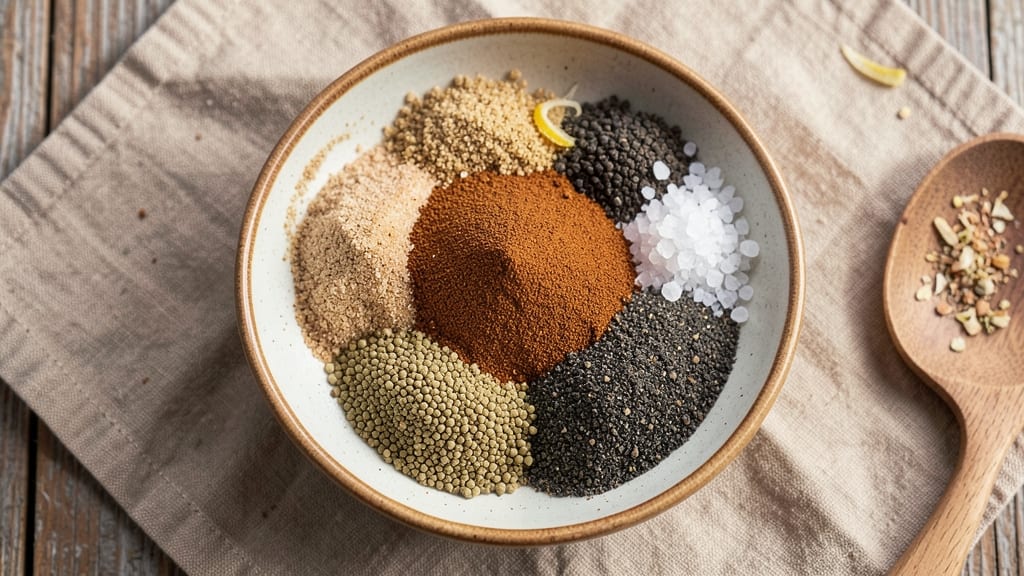
This beef back ribs dry rub transforms tough cuts into fall-off-the-bone tenderness with a smoky-spiced crust that rivals competition-style ribs. The secret lies in balancing sweet, smoky, and savory flavors—paprika for depth, brown sugar for caramelization, and black pepper for heat—all designed to penetrate the meat over time.
I developed this blend after years of testing, and it consistently delivers that perfect bark while keeping the meat juicy inside.
The magic happens when you apply this rub 1-2 days before cooking, giving the spices time to adhere deeply and develop complex flavors. With just six simple ingredients measured in tablespoons, this dry rub is foolproof for beginners yet refined enough for pitmasters.
No liquids, no guesswork—just pure, concentrated flavor that turns basic ribs into a showstopper.
What you'll achieve is ribs with a deep amber crust that shatters at the touch, revealing tender meat underneath. The rub's balance of sweetness and heat creates a flavor profile that's both familiar and elevated—perfect for smokers, grills, or ovens.
This isn't just seasoning; it's the foundation for competition-worthy ribs at home.
Use this rub for back ribs, spare ribs, or even beef short ribs, adjusting the quantity based on your cut. Store leftovers in an airtight container for up to three months, ready to elevate your next cook.
Ingredients for beef back ribs dry rub
Six simple spices and sugars that turn tough ribs into competition-worthy masterpieces.
| Ingredient | Amount | Notes |
|---|---|---|
| Sweet Paprika 🌶️ | 3 tbsp | Smoked variety for deeper flavor |
| Light Brown Sugar 🍚 | 2 tbsp | Turbinado preferred for texture |
| Kosher Salt 🧂 | 2 tbsp | Diamond Crystal preferred |
| Ground Black Pepper 🌶️ | 1 tbsp | Freshly ground for sharpness |
| Ground Cumin 🌿 | 1 tbsp | Toasted for robust aroma |
| Garlic Powder 🧄 | 1 tbsp | Not garlic salt |
The paprika is non-negotiable—smoked paprika adds that essential smokiness, while sweet paprika balances it. Penzeys or McCormick are my go-tos for quality, but any reputable brand works. Brown sugar isn't just for sweetness; it caramelizes beautifully during cooking, creating that coveted amber crust. Turbinado sugar adds subtle crunch, but regular light brown sugar works in a pinch. For the salt, Diamond Crystal dissolves more easily than table salt, so it clings better to the meat. If you can't find it, use Morton kosher salt—just add an extra pinch.
No smoked paprika? Substitute with 1 tbsp regular paprika plus 1 tsp liquid smoke, but use sparingly—it's potent. Running low on brown sugar? White sugar works at the same amount, though it won't caramelize as richly. The cumin can be swapped for 1 tsp coriander if you're out, but it'll change the earthy depth slightly. Garlic powder is easy to find, but if you've got fresh garlic, toast and grind it yourself for a more complex flavor. Trader Joe's and Costco often have bulk spice sections where you can grab these ingredients at a better price.
This rub keeps indefinitely in an airtight container, but the spices stay freshest for about 6 months if stored in a cool, dark place. Double the batch and store half in the freezer for up to 1 year—perfect for last-minute grilling. For best results, apply the rub 1-2 days before cooking and let it sit uncovered in the fridge. This lets the spices penetrate deeply, ensuring that bark sticks to the meat through the entire cook. The rub works on beef back ribs, spare ribs, or even pork ribs, though the sweetness pairs especially well with beef.
Why You'll Love This Recipe
- I’ll be real: most rib leftovers are sad. Not these. The rub keeps them tender and packed with flavor for days. Wrap them in foil, reheat in the oven, and suddenly, Monday dinner feels like a victory. Plus, the sugar means they’re way cheaper than takeout. Win.
- Five-Ingredient Magic: I swear by this combo—just paprika, sugar, salt, pepper, and cumin. No fancy prep, no stress, and the flavors? Chef’s kiss. The brown sugar caramelizes into a sticky crust while the cumin adds that earthy depth that makes these ribs unforgettable.
- Weeknight Crutch: Honestly, this is my "I don’t wanna cook but still want flavor" go-to. Toss the rub on, slap them in the oven, and 3 hours later—boom—you’ve got dinner. No babysitting, no flipping, no mess. Just set it and forget it (with a timer, obviously).
- Tailgate or Taco Night: Between us, this rub works everywhere. Slow-cooked ribs for game day? Yes. Shredded into tacos for a lazy Sunday? Absolutely. Even as a dry rub for steak when I’m feeling fancy. One bag of spices covers all the bases—no wasted ingredients here.
Step-by-step instructions for crafting the perfect beef back ribs dry rub
Here's how to blend these spices into a flavor bomb that transforms tough ribs into melt-in-your-mouth perfection.
Measure All Ingredients Precisely
Start by gathering all your ingredients in a small bowl. I use a measuring spoon for each component to ensure accuracy - this isn't the time for eyeballing. The 3 tablespoons of sweet paprika should be the smoked variety for that authentic barbecue depth, while the 2 tablespoons of light brown sugar will add subtle caramelization as it cooks. Place them all together in your mixing bowl.
Real talk: using the wrong sugar here makes a difference. Turbinado sugar creates better texture during the cooking process compared to regular granulated. And don't substitute garlic salt for the 1 tablespoon of garlic powder - we want that clean garlic flavor without the extra sodium throwing off our seasoning balance.
Combine Dry Ingredients Thoroughly
Using a whisk or fork, gently fold together all the ingredients until they're completely uniform in color. This is where the magic happens - the spices start to marry and create that complex flavor profile. You should see a beautiful, even blend with no visible streaks of any single ingredient remaining.
I like to press the spices down gently with the back of my spoon to break up any clumps that might form, especially with the ground cumin and ground black pepper. This ensures every rib gets that perfect balance of smoky, spicy, and sweet notes. The mixture should look like fine, aromatic sand when you're done.
Test the Seasoning Balance
Before applying to your ribs, I always do a quick taste test. Sprinkle a tiny pinch on your tongue and evaluate - you should taste the smokiness from the sweet paprika, a subtle sweetness from the light brown sugar, and the warm, earthy notes from the ground cumin and garlic powder. The kosher salt should enhance all these flavors without overpowering them.
This is your quality control moment. If it tastes too sweet, you might need to add a pinch more kosher salt. If it's too spicy, you can temper it with a little more light brown sugar. The goal is a harmonious blend that will create that perfect bark on your ribs while keeping the meat tender.
Apply Generously to Ribs
Now comes the fun part - applying this rub to your beef back ribs. I like to work in batches if I have a lot of ribs to season. Using your hands, press the rub firmly into every inch of the meat, including the bones and the fatty areas. This ensures maximum flavor penetration and creates that coveted crust.
Don't be shy with the application - you want a thick, even coating. The ribs should look like they've been dusted with a fine, golden-brown powder. Let the seasoned ribs sit at room temperature for about 30 minutes before cooking. This resting period allows the rub to adhere better and the meat to come up to temperature more evenly.
Pro Tips For Making Beef Back Ribs Dry Rub
- Toast the Spices: Lightly toast the cumin and black pepper in a dry pan for 30 seconds before mixing—it deepens their flavor and cuts through the sweetness of the brown sugar. I used to skip this, and the rub always tasted flat until I tried it.
- Salt the Ribs First: Generously coat the ribs with kosher salt before applying the dry rub. Let them sit uncovered in the fridge for at least 30 minutes (or overnight if you’re patient). This guarantees a deep, even seasoning and prevents a clumpy crust.
- Skip the Overcrowding: When searing the ribs, work in batches if your pan isn’t big enough. Piling them on leads to steaming instead of browning, and you’ll end up with unevenly cooked meat. A hot, empty pan is the only way to get that caramelized crust.
- Use Less Sugar: Brown sugar burns faster than you think—reduce it by 20% (about 1 tablespoon per pound of ribs) and keep the heat moderate. I learned this after watching my first batch turn into a sticky, bitter mess.
Regional styles of this beef back ribs dry rub
Texas BBQ Style
In Texas, this dry rub becomes the foundation for legendary competition-style ribs. I've seen pitmasters like Aaron Franklin use similar blends, emphasizing the smoked paprika for that essential smokiness and brown sugar for caramelization. The key difference?
Texans often add ½ tsp of cayenne pepper to this rub for a subtle kick—just enough to wake up your taste buds without overwhelming. For authentic Texas flavor, cook your ribs low and slow at 225°F for 6-8 hours with oak or pecan wood. 🌶️
Carolina Gold Rub
Down in the Carolinas, this rub gets a vinegar-based twist—but we'll keep it dry. The East Coast version often includes 1 tsp of mustard powder (which you can sprinkle on top after applying the rub) for a tangy contrast.
For a true Carolina touch, add ½ tsp of ground coriander to this blend—it brightens the earthy cumin and adds citrusy depth. Serve with a peach vinegar-based sauce to complement the rub's sweet-spicy profile.
The Carolinas also love wrapping ribs in butcher paper during the last hour for a crispier bark.
Kansas City Sweet Heat
Kansas City takes this rub and cranks up the sweetness—think of it as the Midwest's answer to Texas-style ribs. Add 1 extra tablespoon of brown sugar (total 3 tbsp) and ½ tsp of ground mustard for a deeper, molasses-like flavor.
KC pitmasters often finish their ribs with a hickory smoke and a glaze made from the rub's leftover spices mixed with apple cider vinegar. The result? A sticky, caramelized crust that's pure comfort food. This version pairs perfectly with baked beans and crusty bread. 🍖
Memphis Dry Rub Twist
Memphis-style ribs lean into a simpler, saltier profile—but this rub works beautifully there too. Swap the 1 tbsp of garlic powder for 1 tbsp of onion powder to match Memphis' love of sweet onions. Add ½ tsp of ground cloves for warmth (trust me, it balances the sweetness).
Memphis chefs often cook ribs with hickory or cherry wood and finish them with a dry mustard powder dusting. The rub's crust becomes extra crispy when cooked over indirect heat on a charcoal grill. Serve with white bread and a simple tomato-based sauce.
Modern Fusion Adaptation
For a contemporary twist, try adding ½ tsp of smoked paprika-infused salt (like Morton Tender Quick) to replace half the kosher salt. This adds an instant smoky depth without needing extra spices.
Another fusion idea: mix 1 tsp of coffee grounds into the rub for a dark, earthy note—perfect for ribs cooked with mesquite or cherry wood. This works especially well for beef short ribs, where the extra richness complements the coffee's bitterness. 💫
Nutrition facts
Frequently asked questions about beef back ribs dry rub
How much dry rub should I use per pound of beef back ribs?
Use 1-2 tablespoons of this dry rub per pound of ribs. For a full rack (about 4-5 pounds), ½ cup should be plenty. Press it firmly into every crevice for maximum flavor penetration and that coveted crust. The rub works best when applied 1-2 days before cooking to let the spices penetrate deeply.
Can I substitute any of the ingredients in this dry rub?
Yes, with some adjustments. For smoked paprika, use 1 tbsp regular paprika + 1 tsp liquid smoke (use sparingly). White sugar works instead of brown sugar, though it won't caramelize as richly. Cumin can be swapped for 1 tsp coriander, but it'll change the earthy depth. Always taste-test after substituting to balance flavors.
How long can I store the dry rub before using it?
The rub keeps indefinitely in an airtight container, but spices stay freshest for about 6 months in a cool, dark place. For maximum flavor, store half in the freezer for up to 1 year. The brown sugar may harden in cold weather—just crush it lightly before using. The rub's potency actually improves slightly over time as the spices mature!
Will this rub work for other meats besides beef back ribs?
This blend works beautifully on beef spare ribs, pork ribs, or even beef short ribs. For pork, you might want to reduce the brown sugar to 1 tbsp to avoid overpowering the meat. The rub also works well on chicken thighs or lamb chops—just reduce the amount to ½ tbsp per pound for smaller cuts.
Why does my rub keep clumping together?
Clumping happens when spices absorb moisture from the air. To prevent this, store your rub in an airtight container with a silica gel packet or a bay leaf (which naturally repels moisture). If clumps form, simply crush them with a fork or your hands before using. The brown sugar is particularly prone to clumping—store it separately if you're concerned.