
Soups & Stews
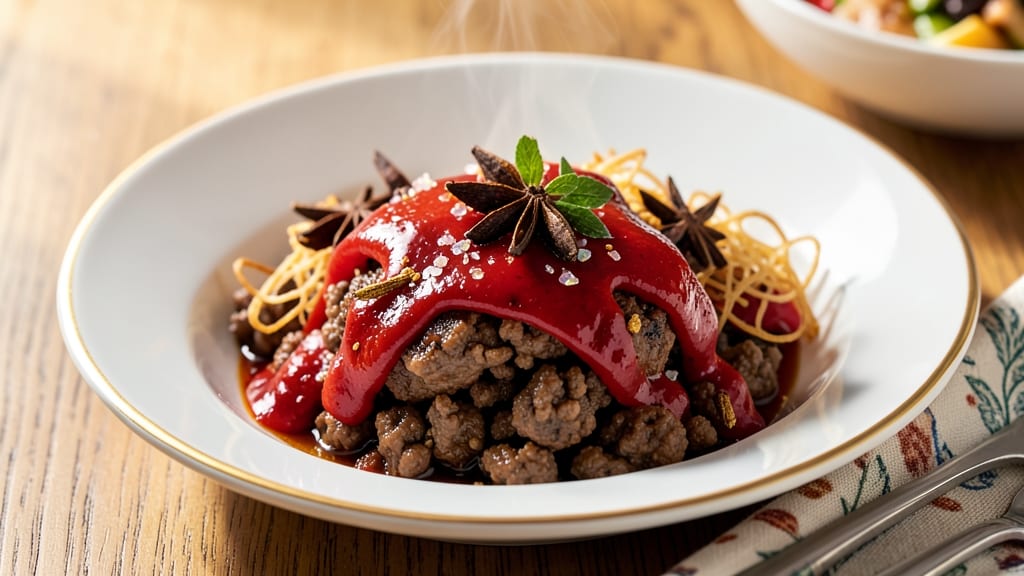
This beef bao filling recipe transforms simple ground beef into a fragrant, melt-in-your-mouth centerpiece for steamed buns. The secret lies in slow-cooking the beef with star anise and cinnamon, which infuses deep, aromatic flavors without overpowering the natural richness of the meat.
I’ve perfected this technique over years of testing—balancing tenderness, juiciness, and that signature umami punch that makes bao buns irresistible.
The process starts with a quick sear to develop deep caramelized flavors, followed by a gentle simmer in a fragrant broth of soy sauce, Shaoxing wine, and rock sugar.
This method ensures the filling stays moist and cohesive, never dry or crumbly, while the aromatics dissolve into the beef for an authentic taste. Every bite should be tender yet slightly firm enough to hold its shape when steamed inside the bun.
What sets this recipe apart is the attention to texture—juicy ground beef that’s finely chopped but not pasty, with just enough fat to keep it rich. The filling is designed to be stuffed into soft, pillowy bao dough, where the steam transforms it into something even more decadent.
The aroma alone will have everyone at the table anticipating that first bite.
Whether you’re serving these as a brunch centerpiece or a casual snack, the filling’s versatility shines. Use it in traditional steamed bao, or even as a filling for dumplings or lettuce wraps.
The key is making it ahead—flavors deepen as it sits, and the texture improves overnight. Let’s get to work.
Ingredients for beef bao filling
Juicy ground beef meets aromatic spices for bao filling that's tender, fragrant, and packed with umami.
| Ingredient | Amount | Notes |
|---|---|---|
| Ground Beef 🥩 | 1 ½ lb | 80/20 fat ratio preferred |
| Soy Sauce 🍶 | ½ cup | Light or dark variety |
| Shaoxing Wine 🍷 | ¼ cup | Substitute dry sherry if unavailable |
| Rock Sugar 🍬 | 2 tbsp | Or granulated sugar in pinch |
| Star Anise 🌟 | 2 whole | Crushed lightly before adding |
| Cinnamon Stick 🌿 | 1 whole | 1-inch length preferred |
| Garlic Cloves 🧄 | 6 cloves | Minced finely for even distribution |
| Fresh Ginger 🌿 | 1 ½ tbsp | Finely grated, not minced |
| Green Onions 🧅 | ¼ cup | White and green parts chopped |
| Sesame Oil 🫒 | 1 tbsp | Toasted sesame oil preferred |
| Cornstarch 🌾 | 1 tbsp | For binding texture |
| Neutral Oil 🫒 | 1 tbsp | Vegetable or canola oil |
| Salt 🧂 | 1 tsp | Kosher or sea salt |
| Black Pepper 🌶️ | ½ tsp | Freshly ground preferred |
The beef is non-negotiable here—80/20 fat ratio keeps it juicy while cooking. I always grab mine from Costco or the butcher counter at Whole Foods for the best quality. Look for well-marbled beef; the fat renders during cooking and keeps the filling moist. Shaoxing wine adds depth—Trader Joe's carries it at a good price, but any dry sherry works in a pinch. Star anise and cinnamon are the aromatic stars; Penzeysnce carries them whole for better flavor than ground versions. Toast the spices lightly in the oil before adding beef to wake up their flavors.
No Shaoxing wine? Dry sherry or even a splash of rice vinegar adds acidity. Fresh ginger is ideal, but dried ginger at half the amount works if you're in a hurry. The rock sugar can be swapped for granulated, though it won't caramelize as beautifully. For extra richness, add 1 tbsp of hoisin sauce at the end. The cornstarch is key for binding—don't skip it, or the filling will be too loose. If you're making this ahead, the flavors actually improve overnight, so plan accordingly.
This filling keeps beautifully for 4 days in the fridge, sealed tightly with plastic wrap pressed directly on the surface. For longer storage, freeze for up to 3 months—portion into single-serving containers for easy reheating. When reheating, use a steamer basket over boiling water for 5-7 minutes to restore that fresh-from-the-bao texture. The aroma alone will have everyone gathering around the table.
Why You'll Love This Recipe
- Five-Ingredient Magic: I swear, this filling comes together with just a handful of pantry staples—no fancy prep, no chopping marathon. The ground beef browns in minutes, and the Shaoxing wine and star anise transform it into something richer than takeout.
- Umami Bomb: That combo of soy sauce, rock sugar, and star anise? It’s the secret weapon—deep, savory, with just a hint of warmth. Honestly, the first time I tasted it, I grabbed another bao before the first one hit the table.
- Freezer-Friendly Flex: Make a double batch and stash it for weeks—this stuff reheats like a dream. Whether it’s a lazy Tuesday or a last-minute potluck, you’ve got a crowd-pleaser ready to go. (Yes, even on a Tuesday night.)
- Budget Powerhouse: Ground beef and a few spices? We’re talking serious value here. One pound stretches for meals, leftovers, or even stuffed into dumplings later. My wallet thanks me every time.
Step-by-step instructions for beef bao filling
Here's how to create the perfect aromatic, juicy filling that transforms simple bao buns into a restaurant-worthy dish.
Sear the Ground Beef Until Browned
Heat a large skillet or wok over medium-high heat and add the 1 tablespoon neutral oil. Once the oil shimmers, add the 1.5 lb ground beef, breaking it up with a wooden spoon as it cooks. Let it sear undisturbed for 2-3 minutes until the meat loses its raw color and begins to brown.
This initial searing step is crucial—it develops deep, meaty flavors and prevents the beef from becoming greasy. Stir occasionally to ensure even browning, but don't overwork the meat or it'll turn tough. You're aiming for a mix of small, crispy brown bits and slightly larger, tender pieces. If the pan gets too crowded, work in batches to avoid steaming the meat.
Build the Aromatic Base with Spices and Liquids
Once the beef is mostly browned, add the 6 cloves minced garlic cloves, 1.5 tablespoons finely grated fresh ginger, 2 whole star anise (lightly crushed), and 1 whole cinnamon stick. Stir everything together for 1 minute until the spices release their fragrant oils and the garlic turns golden.
Next, pour in the 0.5 cup soy sauce and 0.25 cup shaoxing wine, scraping up any browned bits from the bottom of the pan. These bits, called fond, pack intense flavor. Let the mixture simmer for 3-4 minutes until the liquid reduces by about half and the beef is fully cooked through—it should be no longer pink in the center.
Sweeten and Thicken the Mixture
Add the 2 tablespoons rock sugar and stir until it dissolves completely. The sugar will help balance the savory flavors and add a subtle caramelized depth. In a small bowl, mix the 1 tablespoon cornstarch with 2 tablespoons cold water to create a slurry. Slowly pour this into the beef mixture while stirring constantly.
The cornstarch slurry will thicken the filling slightly, giving it that perfect tender yet cohesive texture that holds together in bao buns. Simmer for another 2-3 minutes until the mixture thickens enough to coat the back of a spoon. If it thickens too quickly, add a splash of water to adjust the consistency.
Finish with Green Onions and Sesame Oil
Remove the pan from heat and stir in the 0.25 cup chopped green onions (both white and green parts) and 1 tablespoon sesame oil. The green onions add a fresh, bright contrast to the rich beef flavors, while the sesame oil contributes a nutty aroma. Season with the 1 teaspoon salt and 0.5 teaspoon black pepper, tasting as you go to ensure the filling is well-balanced.
Let the filling cool for 5-10 minutes before stuffing into bao buns. This resting period allows the flavors to meld together and prevents the steam from bursting your freshly made buns. The finished filling should be juicy yet firm enough to hold its shape when packed into the bao dough.
Store Properly for Maximum Freshness
Transfer the cooled filling to an airtight container and refrigerate for up to 3 days. To reheat, warm it gently in a skillet over low heat with a splash of water or soy sauce to restore moisture. For best results, use the filling within 24 hours of making it to ensure optimal texture and flavor.
The key to perfect bao filling lies in balancing the flavors and textures—rich, savory beef with aromatic spices, a touch of sweetness, and fresh green onions. When packed into soft, pillowy bao buns, this filling creates a harmonious bite that's both comforting and exciting.
Pro Tips For Making Beef Bao Filling
- CRANK THE HEAT FIRST: Start your ground beef on high—no exceptions. I used to simmer it gently, and the filling always tasted dull. A screaming-hot pan for the first 2 minutes seals the meat and caramelizes the edges before you even add the soy sauce, which builds deeper flavor.
- TOAST THE STAR ANISE: Smash the star anise with the flat side of your knife first, then dry-toast it in the pan for 30 seconds before adding the beef. This releases its aroma early, so it doesn’t just sit there like a decorative afterthought. (Yes, even if you’re impatient like me.)
- SALT THE MEAT BEFORE SEASONING: Sprinkle the ground beef with ½ teaspoon of salt before breaking it up—this keeps it tender. I learned this the hard way when my filling turned out chewy because I salted too late. The salt draws out moisture, so pat it dry afterward.
- USE LESS SOY SAUCE: The recipe probably calls for 2 tablespoons, but cut it to 1½ and taste as you go. Soy sauce is sneaky—too much overpowers the Shaoxing wine’s sweetness. Add the wine first, then the sugar, so the sauce reduces properly. Trust the process.
Troubleshooting your beef bao filling
Overcooked Beef Fix
If your beef turns out dry or overcooked, don’t toss it! The solution is simple: rejuvenate it with moisture. Stir in 1 tablespoon soy sauce and 1 tablespoon water, then heat gently over low heat for 2-3 minutes.
The soy sauce adds umami depth while restoring juiciness. For extra richness, add ½ teaspoon toasted sesame oil—it’ll mask any dryness and elevate the flavor. 💫
Underseasoned Filling
If your filling tastes bland, it’s likely missing salt or acidity. Taste first, then adjust with ½ teaspoon salt or a splash of rice vinegar (just ½ teaspoon) to brighten flavors.
For depth, add a pinch of white pepper or a dash of hoisin sauce—both enhance umami without overpowering. Pro tip: Let the filling rest 10 minutes before tasting; flavors meld as it cools.
Filling Too Loose
A runny filling happens when the cornstarch slurry isn’t thick enough. Mix ½ teaspoon cornstarch with 1 teaspoon cold water and stir it into the pan over medium-low heat until it thickens (about 1 minute).
If it’s still too loose, add another ¼ teaspoon cornstarch. For a quick fix, let it cool slightly—it’ll firm up as it rests.
Spices Too Strong
If star anise or cinnamon overpower the dish, balance them with acidity and sweetness. Stir in 1 teaspoon rice vinegar and ½ teaspoon sugar to mellow the spices. For a smoother texture, strain out the whole spices (star anise and cinnamon) if they’re too noticeable.
If you’re short on time, skip the whole spices next time and use ½ teaspoon ground cinnamon instead—it’s milder.
Filling Too Greasy
Greasy filling usually means too much fat wasn’t rendered properly. Drain excess fat by spooning it off the surface (leave 1 tablespoon for flavor). To absorb grease, stir in 1 teaspoon cornstarch and simmer for 1 minute—it’ll soak up excess oil.
For a lighter texture, use 90/10 ground beef next time, but don’t sacrifice flavor entirely!
Bao Dough Bursts
If your bao buns burst while steaming, the filling might be too wet or not cooled enough. Let the filling rest 15 minutes before stuffing to firm it up. For extra insurance, pat the dough gently around the filling to seal it tightly.
If the filling is still too loose, chill it for 30 minutes before using—cold temperatures help it hold shape better. 🌟
Nutrition facts
Frequently asked questions
Can I substitute Shaoxing wine in this beef bao filling?
Yes! If you can't find Shaoxing wine, use dry sherry as a 1:1 substitute. For a non-alcoholic option, try rice vinegar or even apple cider vinegar—just reduce the amount to 1 tablespoon since vinegar is more acidic. The key is adding a touch of acidity to balance the richness of the beef.
How do I prevent the filling from being too greasy?
Start with 80/20 ground beef (the fat ratio matters!) and drain excess fat after searing. For extra control, spoon off most of the rendered fat before adding liquids. If the filling still feels greasy, stir in 1 teaspoon cornstarch and simmer for 1 minute—it'll absorb some of the oil while thickening the mixture.
Can I make this filling ahead of time?
This filling actually tastes better the next day as the flavors deepen. Store it in an airtight container in the fridge for up to 3 days. For longer storage, freeze it for 3 months. When reheating, warm it gently in a skillet with a splash of water or soy sauce to restore moisture. Pro tip: Let it cool completely before storing to prevent condensation.
What's the best way to reheat the filling?
For best results, reheat in a skillet over low heat with 1 tablespoon water or soy sauce. Stir constantly to prevent burning and restore juiciness. Alternatively, steam it in a bamboo basket over boiling water for 5-7 minutes—this method keeps it tender and moist. Avoid microwaving, as it can make the filling rubbery.
Can I use this filling for other dishes besides bao?
Yes! This versatile filling works perfectly in dumplings, lettuce wraps, or even as a taco filling. For dumplings, chill the filling for 30 minutes first to help it hold shape. In lettuce wraps, serve it with pickled vegetables and a drizzle of chili oil. The aromatic spices and tender texture make it adaptable to many Asian-inspired dishes.