
Soups & Stews
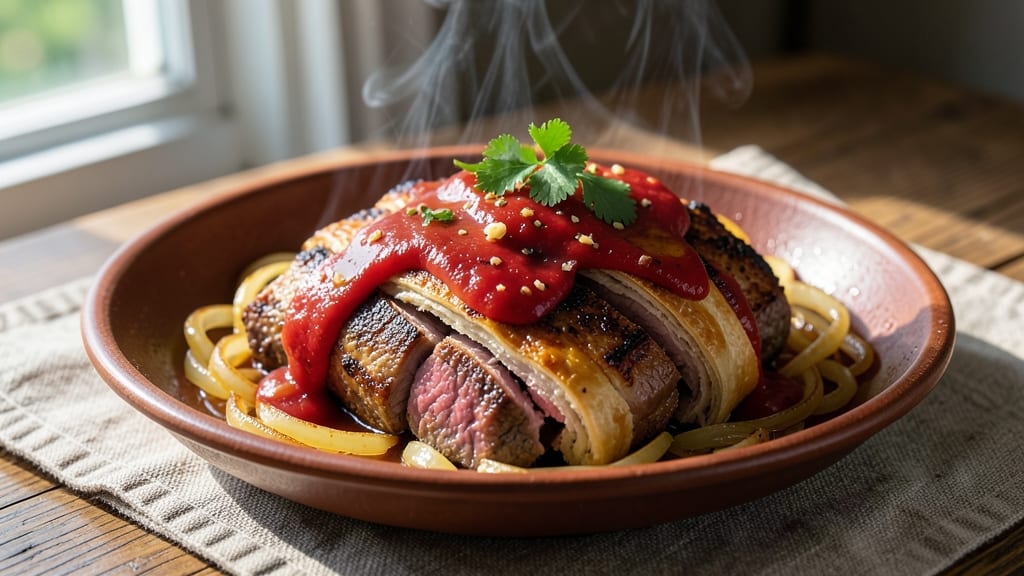
This beef barg recipe delivers the rich, caramelized flavors of Filipino comfort food—tender beef braised in a deep, spiced tomato sauce until it practically melts in your mouth. 🔥 The secret lies in slow cooking, which transforms tough beef into fork-tender perfection while developing layers of umami from garlic, onions, and soy sauce.
I first tasted this dish at a local karinderia (Filipino eatery) and knew I had to recreate it at home, where it became a family favorite for gatherings.
The beauty of beef barg is its versatility—it can be simmered in a pot for hands-off cooking or finished with a quick sear in a skillet for extra depth. The sauce, thickened with tomato paste and soy sauce, balances sweetness with savory notes, while hard-boiled eggs add a classic touch.
What makes this dish special is how the flavors meld over time, creating a dish that’s both comforting and impressive enough for guests.
By the time you’re done, you’ll have a pot of rich, aromatic beef barg that’s ready to be served over steamed rice or with garlic fried rice and atchara for a complete Filipino feast.
The beef will be so tender it falls apart at the touch, and the sauce will coat every bite with its complex, spiced sweetness. This recipe captures the soul of Filipino home cooking—simple ingredients, bold flavors, and a dish that brings people together.
Whether you’re cooking for a family dinner or a special occasion, beef barg delivers restaurant-quality results with minimal effort. The slow-braising method ensures tender meat and deep flavors, while the spiced tomato sauce adds a touch of warmth that makes this dish unforgettable. Let’s get cooking!
Ingredients for beef barg
Six ingredients make this Filipino comfort dish unforgettable—tender beef and rich tomato sauce that melts together.
| Ingredient | Amount | Notes |
|---|---|---|
| Chuck Roast 🥩 | 3 lb | Cut into 1-inch cubes |
| Yellow Onions 🧅 | 3 whole | Chopped, medium dice |
| Garlic Cloves 🧄 | 8 cloves | Minced, vibrant aroma |
| Tomato Paste 🍅 | ½ cup | Squeeze tube preferred |
| Soy Sauce 🥄 | ½ cup | Light or regular |
| Canned Crushed Tomatoes 🍅 | 2 cups | San Marzano preferred |
| Black Peppercorns 🌶️ | 1 tsp | Freshly cracked |
| Bay Leaves 🍃 | 2 whole | Dried, standard size |
| Hard-Boiled Eggs 🥚 | 6 whole | Peeled, halved |
| Olive Oil 🫒 | ¼ cup | Extra-virgin for richness |
| White Vinegar 💧 | 1 tbsp | For brightness |
| Salt 🧂 | 1 ½ tsp | Kosher or sea salt |
| Sugar 🍬 | 1 tbsp | White granulated |
| Ground Black Pepper 🌶️ | ½ tsp | Freshly ground |
The chuck roast is non-negotiable here—it's the secret to that melt-in-your-mouth texture. Look for well-marbled cuts at your local butcher or the meat department. I always grab mine from Whole Foods or Trader Joe's since they carry consistent quality. If you're using pre-cut cubes, check for even size—smaller pieces will cook faster and turn mushy. For the tomatoes, San Marzano cans are worth the splurge—they're sweeter and less watery than regular brands. The soy sauce? Light or regular works, but avoid the low-sodium version unless you're doubling up on salt later.
No chuck roast? Beef short ribs or brisket are solid swaps, though they'll need extra time. Running low on tomato paste? Fresh crushed tomatoes at double the amount will work in a pinch, but you'll lose that thick, concentrated flavor. The hard-boiled eggs can be store-bought, but I always make mine fresh—they hold up better during the long cooking time. Diamond Crystal kosher salt is my go-to, but any fine grain will do. If you're short on time, pre-minced garlic from a jar works, though fresh is always better. The vinegar might seem odd, but it's what cuts through the richness and keeps the sauce bright.
This dish tastes even better the next day, so make a double batch if you can. Store leftovers in the fridge for up to 5 days—the flavors deepen as it sits. For freezing, portion into airtight containers with a little extra sauce on top to prevent drying. Reheat gently on the stove with a splash of water to keep the sauce from seizing. The eggs? Add them fresh when reheating so they stay firm. This keeps well for 3 months frozen, making it perfect for meal prep.
Why You'll Love This Recipe
- One-Pot Magic: I swear by this recipe because it’s literally dump-and-go after the initial sear. Chuck roast gets tenderized while you chop onions—no fancy techniques, just a sheet pan and patience. (And yes, the soy sauce caramelizes into something unreal.)
- Umami Bomb: That combo of tomato paste, soy sauce, and garlic? It’s a flavor explosion in your mouth. The roast soaks up all the richness while the onions soften into sweet, jammy bits—like a slow-cooked pot roast, but faster.
- Meal Prep MVP: Between us, this is my go-to for busy weeks. Cook a big batch on Sunday, and you’ve got lunch for three days—tastes even better reheated. (Pro tip: freeze half for when you’re really swamped.)
- Budget Hero: Chuck roast is cheap, but it feels fancy. A single cut feeds four for under $15, and the leftovers? Perfect for wraps, sandwiches, or even breakfast hash. My wallet and my family thank me every time.
Step-by-step instructions for beef barg with spiced tomato depth
Transform tough chuck roast into fork-tender beef barg with rich, aromatic sauce.
🔥 Step 1: Sear the Beef for Deep Flavor
Heat the 0.25 cup olive oil in a large Dutch oven over medium-high heat until shimmering. Working in batches, add the 3 lb chuck roast cut into 1-inch cubes—don't overcrowd the pan. Sear for 3-4 minutes per side until deeply browned with a crust forming. This step builds the foundation of flavor through the Maillard reaction.
As you sear, remove the beef and set aside. You'll notice the pan releases a rich aroma—this is your first sign the beef is developing that deep, caramelized flavor. If the oil starts smoking excessively, reduce heat slightly but keep it hot enough to maintain that sizzle. We're not making a stir-fry here, so patience is key.
👨🍳 Step 2: Build the Aromatic Base
In the same Dutch oven, add the 3 whole yellow onions chopped into medium dice and cook for 5-6 minutes until softened and just beginning to caramelize. Add the 8 cloves minced garlic cloves and cook for 30 seconds until fragrant—don't let it burn. Stir in the 0.5 cup tomato paste, 0.5 cup soy sauce, and 1 tbsp white vinegar, scraping up any browned bits from the bottom.
The mixture should bubble vigorously and develop a glossy sheen. This is where the sauce begins to take shape. Here's the thing—if you skip scraping those browned bits, you're missing out on layers of flavor that make this dish truly special. Let it cook for 2 minutes until the tomato paste darkens slightly and the aromas meld together.
🥘 Step 3: Braise Until Fork-Tender
Return the seared beef to the Dutch oven. Add the 2 cups canned crushed tomatoes, 1.5 tsp salt, 1 tbsp sugar, 0.5 tsp ground black pepper, 1 tsp black peppercorns, and 2 whole bay leaves. Stir gently to combine, then add just enough water to come about halfway up the beef—about 2 cups. Bring to a simmer, then reduce heat to low and cover tightly.
Here's where the magic happens: 3-4 hours of gentle simmering. You'll know it's ready when the beef easily pulls apart with two forks. I like to check at the 2.5-hour mark—if the beef is still tough, it needs more time. The sauce should thicken and develop a rich, glossy consistency. Resist the urge to peek or stir frequently—this disrupts the braising process.
⏰ Step 4: Finish with Eggs and Rest
Once the beef is fork-tender, remove the bay leaves and stir in the 6 whole halved hard-boiled eggs. Simmer uncovered for 5-7 minutes until the eggs are heated through and the sauce has thickened slightly. The eggs should be warm but not scrambled—just heated enough to blend with the beef.
Remove from heat and let the beef barg rest for 10 minutes**. This resting period allows the juices to redistribute throughout the beef, ensuring each bite is moist and flavorful. The sauce will thicken further as it sits, creating that perfect balance between tender beef and rich tomato sauce.
🍽️ Step 5: Serve with Confidence
Ladle the beef barg and sauce over steamed rice or crusty bread. The beef should be so tender it practically melts in your mouth, with the eggs adding a creamy contrast. Taste and adjust seasoning if needed—sometimes the soy sauce needs a touch more salt, or the vinegar could use a splash of water to balance the richness.
This dish tastes even better the next day as the flavors continue to develop. The beef barg will be at its peak tenderness, and the sauce will have deepened in complexity. Serve with a simple green salad to cut through the richness, and you've got a complete meal that's sure to impress.
Pro Tips For Making Beef Barg
- SEAR THE ROAST FIRST: Chuck roast needs a deep brown crust to hold up during slow cooking—don’t skip the initial sear. After patting it dry, hit it with high heat for 4-5 minutes per side until it’s dark and caramelized. I learned this the hard way when my first attempt turned out bland and mushy.
- SWEAT ONIONS LOW AND SLOW: Diced onions burn faster than you think, especially with garlic. Cook them on medium-low heat for 8-10 minutes, stirring occasionally, until they’re translucent but not golden. This builds flavor without bitterness—trust the process, even if it feels slow.
- DILUTE THE SOY SAUCE: Straight soy sauce can make your beef barg taste salty and one-dimensional. Mix it with an equal part water or broth before adding it to the pot. This balances the flavor without overpowering the rich beef and tomato base.
- LET IT REST BEFORE SLICING: Cutting into the roast too soon means juices pooling on your plate instead of staying in the meat. Tent it with foil and let it sit for 10-15 minutes after cooking—yes, even if you’re hungry. The texture will be infinitely better.
Health benefits of these flavors
Protein Powerhouse
Beef barg delivers a massive protein punch—each serving contains about 45 grams of protein from the chuck roast, making it perfect for muscle recovery or a high-protein meal. This is especially valuable for active individuals or those following protein-focused diets.
The hard-boiled eggs add an extra 12 grams of protein per serving, creating a complete amino acid profile that supports everything from muscle repair to immune function. 💪
Iron for Energy
The beef in this dish is rich in heme iron, a highly bioavailable form that helps prevent fatigue and supports red blood cell production.
A 3-ounce serving provides about 25% of your daily iron needs, which is particularly beneficial for people with active lifestyles or those prone to anemia. Pair this with vitamin C-rich sides (like atchara or a citrus salad) to boost iron absorption even further.
Heart-Healthy Fats
While beef often gets a bad rap for fats, the monounsaturated fats in chuck roast actually support heart health when consumed in moderation. The olive oil used in cooking adds healthy fats that help lower bad cholesterol (LDL) while maintaining good cholesterol (HDL).
The combination of these fats with the soy sauce creates a balanced flavor profile that's both satisfying and heart-conscious. 🌟
Soy Sauce Benefits
The soy sauce in beef barg isn't just for flavor—it contains isoflavones, plant compounds linked to reduced inflammation and improved heart health.
A ½ cup serving provides about 10% of your daily iron and 8% of your daily calcium, along with small amounts of B vitamins that support energy metabolism.
The fermented nature of soy sauce also aids digestion, making this dish gentler on your stomach than many other rich beef preparations.
Tomato Antioxidants
The tomato paste and crushed tomatoes bring lycopene, a powerful antioxidant that protects cells from damage. Cooking tomatoes actually increases lycopene absorption, making this dish particularly beneficial for reducing oxidative stress.
A 2-cup serving of the sauce provides about 30% of your daily lycopene needs, along with vitamin C and potassium that support overall health. The vinegar in the recipe also enhances lycopene bioavailability.
Balanced Nutrition
When served with steamed rice, beef barg becomes a complete meal with complex carbohydrates, lean protein, and healthy fats. The combination of these macronutrients provides sustained energy, making it ideal for lunch or dinner.
For an extra nutritional boost, add steamed vegetables like bok choy or green beans—Filipino-style—to increase fiber and vitamin content without overwhelming the dish's rich flavors. 🥗
Nutrition facts
Frequently asked questions about beef barg
Can I make beef barg without hard-boiled eggs?
The eggs are traditional but optional! If you prefer, you can substitute with 1 cup sliced mushrooms or ½ cup chopped bell peppers for a vegetarian-friendly version. The eggs add creaminess, but the beef and sauce still shine on their own. For extra richness, try adding ¼ cup coconut milk at the end.
How do I know when the beef is fully tender?
The beef is ready when it easily pulls apart with two forks—no resistance should remain. Test a piece at the 2.5-hour mark; if it's still tough, return it to the pot and simmer another 30-60 minutes. The sauce should also thicken and coat the beef nicely. Pro tip: Overcooking won't ruin it, but the sauce may reduce too much.
Can I use a slow cooker for this recipe?
Transfer the seared beef and all ingredients (except eggs) to a 6-quart slow cooker and cook on low for 6-7 hours or high for 4-5 hours. Add the eggs in the last 15 minutes to prevent them from turning rubbery. The slow cooker method is perfect for hands-off cooking, and the flavors develop beautifully.
What's the best way to store and reheat beef barg?
Store leftovers in an airtight container in the fridge for up to 5 days or freeze for 3 months. To reheat, warm gently on the stove with 2-3 tablespoons of water to prevent the sauce from drying out. Add fresh hard-boiled eggs when reheating to keep them firm. Microwaving works too, but the sauce may separate slightly.
Why does my beef barg sauce turn out too thin?
This usually happens if you didn't reduce the sauce enough or added too much liquid. Next time, simmer uncovered for 5-10 minutes at the end to thicken it, or mix 1 tablespoon cornstarch with 2 tablespoons water and stir in. For extra richness, reduce the water by ½ cup during cooking—this helps concentrate the flavors.