
Soups & Stews
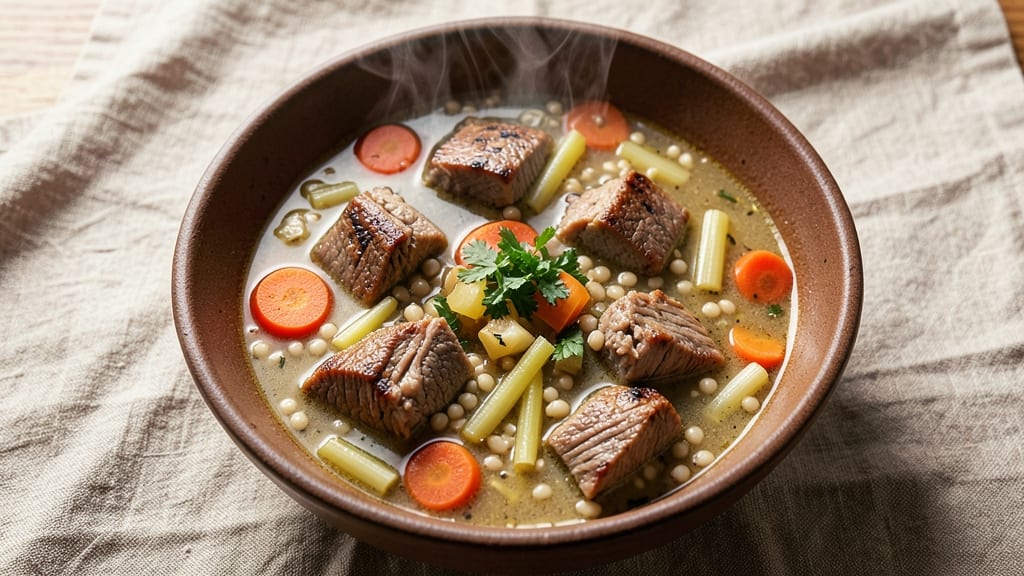
Transforming leftover beef roast into beef barley soup is the ultimate way to stretch a meal without sacrificing flavor. This recipe turns tough, dry scraps into tender, aromatic bites that simmer into a rich, hearty broth—perfect for chilly evenings or when you need a nourishing meal in under an hour.
The key is slow cooking, which melts collagen from the bones and infuses the broth with deep, savory notes.
Barley adds a satisfying chew and earthy sweetness that balances the beef's richness, while aromatic vegetables like carrots and celery build depth. Unlike store-bought versions, this soup starts with homemade stock from your roast's bones and scraps, maximizing every last bite.
The result? A restaurant-quality bowl of soup that’s lighter on the wallet and heavier on flavor.
What makes this recipe practical is its flexibility—use any leftover beef, from roasts to steaks, and adjust the broth's richness by adding extra vegetables or a splash of red wine. The barley softens just enough to be tender but still holds its shape, creating a comforting texture with every spoonful.
Serve with crusty bread to soak up every drop of that savory broth.
This soup isn’t just efficient; it’s a celebration of leftovers. By repurposing what you already have, you’ll save time, reduce waste, and end up with a meal that feels special. Let’s turn those scraps into something extraordinary—one simmer at a time.
Ingredients for beef barley soup recipe with leftover beef roast
Pantry staples meet leftover magic—turning scraps into restaurant-worthy beef barley soup.
| Ingredient | Amount | Notes |
|---|---|---|
| Leftover Beef Roast 🥩 | 2 cups | Diced into bite-sized pieces |
| Pearl Barley 🌾 | ½ cup | Rinsed before cooking |
| Yellow Onion 🧅 | 1 whole | Diced into small pieces |
| Carrots 🥕 | 2 medium | Peeled and chopped into chunks |
| Celery Stalks 🧄 | 2 whole | Chopped into small pieces |
| Garlic Cloves 🧄 | 4 cloves | Minced for depth of flavor |
| Beef Bones 🦴 | 1 lb | From leftover roast |
| Vegetable Oil 🫒 | 2 tbsp | For sautéing vegetables |
| Dried Thyme 🌿 | 1 tsp | Or 1 tbsp fresh thyme |
| Bay Leaves 🌿 | 2 whole | For aromatic depth |
| Salt 🧂 | 1 ½ tsp | Kosher or sea salt |
| Black Pepper 🌶️ | ½ tsp | Freshly ground preferred |
| Red Wine 🍷 | ½ cup | Dry red wine optional |
| Water 💧 | 6 cups | For simmering broth |
| Fresh Parsley 🌿 | ¼ cup | Chopped for garnish |
The beef is the star here. Use whatever scraps you’ve got—bones add richness, while diced meat provides heartiness. If you’re short on bones, add a beef bouillon cube to the broth for depth. Pearl barley is key—it holds its shape better than steel-cut, making it perfect for soups. Bob’s Red Mill or Trader Joe’s carry good quality, and it keeps for months in the pantry. For the veggies, carrots and celery should be chopped into similar sizes so they cook evenly. Onions and garlic? Roughly chopped is fine—they’ll soften as they simmer.
No red wine? Beef broth or a splash of balsamic vinegar works just as well. Fresh thyme is ideal, but dried at one-third the amount gets you close. Short on carrots? Sweet potatoes or parsnips add a nice twist. The barley can be swapped for wild rice or orzo if you’re feeling adventurous. For extra richness, stir in a spoonful of nutritional yeast at the end—it adds a cheesy, umami note without dairy. And if you’re using pre-diced veggies from the store, rinse them first to remove any excess starch that can make the broth cloudy.
This soup tastes even better the next day—flavors meld beautifully over time. Store leftovers in the fridge for 4-5 days or freeze for up to 3 months. I like to portion it into containers so I can grab a bowl straight from the freezer on busy mornings. For serving, a sprinkle of fresh parsley and a drizzle of olive oil make it feel extra special. And if you’ve got crusty bread on hand, it’s basically a requirement—everyone will ask for seconds.
Why You'll Love This Recipe
- Roast Rescue: I swear by this trick—turning yesterday’s beef roast into today’s soup. No waste, no stress, just rich, tender meat that melts into the broth with zero extra effort.
- Umami Bomb: That leftover roast? It’s packed with deep, savory notes from slow-roasting, and when it simmers with barley, onions, and carrots, the broth becomes ridiculously flavorful. Honestly, the first spoonful makes me pause mid-lunch.
- Budget Magic: Pearl barley is cheap, carrots and celery stretch forever, and you’re already using that roast. I’ve made this for under $10 and fed four people—plus, it reheats like a dream, so leftovers become tomorrow’s lunch without a second thought.
Step-by-step instructions for beef barley soup
Transform your leftover beef roast into a rich, comforting bowl of soup.
Sauté the Vegetables for Flavor
Heat the 2 tablespoons vegetable oil in a large pot over medium heat. Add the diced yellow onion, chopped carrots, and chopped celery stalks. Cook for 5-6 minutes, stirring occasionally, until the vegetables soften and begin to release their natural juices. You'll notice the mixture smells sweet and earthy—this is your aromatic base building.
Add the minced garlic cloves and cook for 30 seconds until fragrant. Be careful not to let the garlic burn—it should smell sweet and nutty, not bitter. This step is crucial for developing the soup's deep, savory foundation. If the vegetables start sticking, add a splash of water to deglaze the pot and keep everything moving.
Brown the Leftover Beef and Bones
Push the sautéed vegetables to one side of the pot and add the 2 cups diced leftover beef roast and 1 pound beef bones to the empty space. Cook for 3-4 minutes, stirring occasionally, until the beef begins to brown and the bones develop a light crust. This browning step, called the "Maillard reaction," creates rich, complex flavors that will infuse your soup.
Once the beef is browned, stir everything together in the pot. Add the 1 teaspoon dried thyme, 2 whole bay leaves, 1½ teaspoons salt, and ½ teaspoon black pepper. Stir well to coat the beef and vegetables with the spices. This ensures every bite will be packed with flavor. If you're using fresh thyme, measure out 1 tablespoon instead of the dried amount.
Deglaze and Simmer the Soup
Pour in the ½ cup red wine and scrape up any browned bits from the bottom of the pot with a wooden spoon. This deglazing step captures all the flavorful fond that would otherwise stick to the pot. Let the wine simmer for 2-3 minutes until it reduces by half and the alcohol cooks off, leaving behind a rich, concentrated flavor.
Add the ½ cup rinsed pearl barley and 6 cups water to the pot. Stir well to combine, then bring the mixture to a boil. Once boiling, reduce the heat to low and let the soup simmer uncovered for 45-50 minutes, stirring occasionally. You'll know it's ready when the barley is tender and the beef is fork-tender. The soup should have a thick, hearty consistency—if it's too thin, simmer uncovered for another 10 minutes to reduce.
Finish and Serve
Remove the 2 whole bay leaves from the soup and discard them. Taste the soup and adjust the seasoning if needed—add more salt or pepper as necessary. Stir in the ½ cup red wine (if you skipped it earlier) or a splash of water to reach your desired consistency. The soup should coat the back of a spoon but still be easy to ladle.
Ladle the soup into bowls and garnish each serving with ¼ cup chopped fresh parsley. The parsley adds a bright, fresh contrast to the rich, savory flavors of the soup. Serve immediately while hot, and enjoy the comforting, hearty meal you've created from your leftover beef roast. This soup is perfect for chilly days or as a nourishing dish after a long week.
Pro Tips For Making Beef Barley Soup Recipe With Leftover Beef Roast
- Trim the Barley First: Pearl barley takes forever to soften if it’s whole—so split each grain in half with a chef’s knife before adding it to the pot. I used to skip this, and my soup always needed another 20 minutes of simmering. A quick chop now means creamy texture in the usual time.
- Sweat the Veggies Slow: Onions, carrots, and celery won’t caramelize properly if you rush them—cook them over medium heat for 8–10 minutes until the onion is translucent and the veggies release their juices. The flavor base for your soup starts here, so don’t walk away.
- Shred, Don’t Shred: Leftover roast beef should be pulled into rough chunks, not minced—big pieces stay tender while smaller ones turn to mush. I learned this after my first attempt left a gritty texture. Aim for bite-sized pieces, not confetti.
- Simmer Low and Long: Barley needs steady, gentle heat to absorb liquid without breaking apart—keep the soup at a bare simmer, not a rolling boil. I used to crank the heat, and my barley turned to paste. A low simmer (just bubbles breaking the surface) does the job.
Flavor customization for these flavors
Spice Level Boost
For a kick of heat, stir in ½ teaspoon smoked paprika and ¼ teaspoon cayenne pepper when sautéing the vegetables. If you love spice, add 1 chopped chipotle pepper in adobo sauce to the simmering broth for smoky depth.
For a milder heat, swap cayenne for ½ teaspoon ground cumin—it adds warmth without sharpness. 🌶️
Umami Enhancers
Deepening the savory notes is easy! Stir in 1 tablespoon soy sauce or 1 teaspoon fish sauce during the final simmer for extra umami. For a vegetarian-friendly twist, add 1 tablespoon miso paste (white or red) when removing the bay leaves.
These ingredients amplify the beef’s natural richness without overpowering the dish.
Herb Variations
Swap out thyme for 1 teaspoon rosemary for a piney, earthy note or 1 teaspoon oregano for a Mediterranean flair. Fresh herbs like 1 sprig of rosemary or 2 sprigs of thyme tied in cheesecloth can infuse the broth beautifully.
For a brighter finish, garnish with chopped cilantro or dill instead of parsley.
Creamy Twist
For a velvety texture, stir in ½ cup coconut milk or ¼ cup heavy cream during the last 10 minutes of simmering. If you prefer dairy-free, blend ½ cup cooked cauliflower into the soup for a neutral, creamy base.
A splash of lemon juice brightens the flavor and balances the richness.
Vegetable Swaps
Replace carrots with sweet potatoes or butternut squash for natural sweetness, or add ½ cup diced mushrooms for an earthy depth. For a spring version, swap celery for asparagus or green beans—chopped into bite-sized pieces. These swaps keep the soup hearty while introducing seasonal flavors.
Broth Depth Upgrades
Boost the broth’s richness by adding 1 beef bouillon cube or 1 cup extra beef broth during simmering. For a smoky flavor, add 1 smoked paprika packet (about 1 teaspoon) or a liquid smoke splash (¼ teaspoon)—start with less and adjust to taste.
These tweaks turn a simple soup into a deeply flavorful experience. 💫
Nutrition facts
Frequently asked questions
Can I use any leftover beef for this soup?
Yes! While beef roast works perfectly, you can use any cooked beef scraps—like steak, pot roast, or even slow-cooked brisket. Just dice it into bite-sized pieces for even cooking. Avoid overly fatty cuts (like ribeye) as they can make the broth greasy. For extra flavor, include bones or fat trimmings to build rich stock.
How do I know when the barley is cooked?
Pearl barley should be tender but still hold its shape—like al dente pasta. Test by tasting a grain: it should be soft inside with a slight bite. If it’s mushy, reduce simmering time next batch. For steel-cut barley, add 10-15 extra minutes to the 45-50 minute cook time.
What if my soup tastes too salty?
Dilute with ½ cup hot water or beef broth and simmer for 5-10 minutes to balance flavors. For a fresh start, blend in ½ cup unsalted butter or ½ cup milk to mellow the saltiness. Avoid adding more liquid at the end—it’ll thin the soup.
Can I make this soup in an Instant Pot?
Sauté veggies and beef as directed, then add all remaining ingredients (including barley) and pressure cook for 15 minutes. Quick-release the pressure, stir, and let sit 5 minutes before serving. The barley may need 5-10 extra minutes on low heat to finish tenderizing.
Why did my beef turn out tough instead of tender?
Overcooking is the most common culprit. Simmer the soup at a gentle bubble (low heat) and check the beef after 40 minutes. If it’s still chewy, remove it, shred it, and return it to the pot. For next time, add 1 teaspoon baking soda to the broth (neutralizes tough fibers) or use younger, more tender cuts.