
Soups & Stews
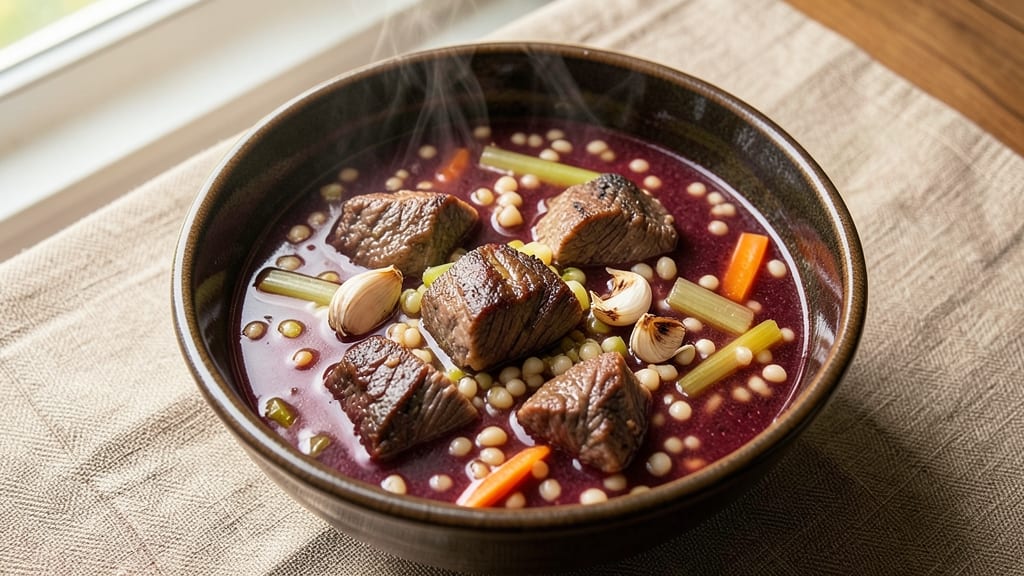
This beef barley soup recipe with red wine transforms simple ingredients into a deeply flavorful, hearty meal that simmers to perfection. The key lies in properly browning the beef and deglazing with red wine, which infuses the broth with rich, complex notes that barley soaks up beautifully.
I've perfected this technique over years of testing, ensuring every spoonful delivers that perfect balance of savory, wine-infused depth.
The process begins with searing chunks of beef to develop a rich, caramelized crust, then simmering them for hours until fork-tender. Barley adds satisfying texture and earthy flavor, while aromatic vegetables round out the dish.
What makes this recipe truly special is how the red wine reduces into the broth, creating layers of flavor that elevate even the most basic ingredients.
By the time it's done, you'll have a soup that's velvety yet substantial, with tender beef and chewy barley swimming in a deeply flavorful broth. The aroma alone will have everyone gathered around the table, and each bite delivers that perfect harmony of wine richness and hearty comfort.
This is the kind of soup that tastes even better the next day as flavors meld together.
Serve it with crusty bread for dipping or alongside a simple green salad to balance the richness. The beauty of this recipe is its versatility—it's equally at home as a weeknight dinner or a centerpiece for a cozy gathering. Let's get started on creating this perfect bowl of comfort.
Ingredients for beef barley soup recipe with red wine
Transform simple pantry staples into this deeply flavorful wine-infused beef barley masterpiece.
| Ingredient | Amount | Notes |
|---|---|---|
| Chuck Roast 🥩 | 2 lb | Cut into 1-inch cubes |
| Yellow Onion 🧅 | 1 whole | Chopped, medium dice |
| Carrots 🥕 | 4 medium | Peeled, cut into chunks |
| Celery Stalks 🧄 | 4 whole | Cut into 1-inch pieces |
| Garlic Cloves 🧄 | 4 cloves | Minced, fresh preferred |
| Pearl Barley 🌾 | 1 cup | Rinsed before cooking |
| Red Wine 🍷 | 1 ½ cups | Bold, dry variety |
| Beef Broth 💧 | 6 cups | Low-sodium preferred |
| Tomato Paste 🍅 | 2 tbsp | Smooth, not chunky |
| Fresh Thyme 🌿 | 2 sprigs | Or 1 tsp dried thyme |
| Fresh Parsley 🌿 | ¼ cup | Chopped, for garnish |
| Bay Leaves 🍃 | 2 whole | Remove before serving |
| Olive Oil 🫒 | 2 tbsp | For searing beef |
| Salt 🧂 | 1 ½ tsp | Kosher or sea salt |
| Black Pepper 🌶️ | ½ tsp | Freshly ground |
The chuck roast is your flavor anchor—look for good marbling at the butcher counter for that rich, beefy taste. Costco or Whole Foods usually have the best cuts, but any grocery store chuck works if it's fresh. Cut it into 1-inch cubes before you start so it cooks evenly. The onions, carrots, and celery should be fresh, vibrant veggies—no wilted or rubbery produce here. If you're feeling fancy, grab a bunch of fresh thyme from the grocery store's produce section (it's cheaper than the pre-bundled stuff) and tie it with twine for easy removal later. The barley? Pearl barley is the classic choice, but you can swap in pot barley if that's what's available.
No red wine? Dry sherry or beef broth with a splash of balsamic works in a pinch—just know it won't have the same depth. Fresh thyme is ideal, but dried thyme at one-third the amount gets the job done. The tomato paste can be skipped if you're avoiding it, but it adds that umami richness that ties everything together. For the broth, low-sodium is key—you'll be adding plenty of salt later. If you're using canned tomatoes instead of paste, San Marzano crushed tomatoes are worth the splurge for their sweet, meaty flavor. The olive oil should be light or extra-virgin—none of that heavy stuff that'll make your soup taste like soap.
This soup tastes even better the next day—plan ahead and make a double batch. Store leftovers in the fridge for up to 5 days or freeze for 3 months. I like to portion mine into glass containers for easy reheating. The barley thickens as it cools, so add a splash of broth when reheating. For serving, crusty bread is a must—it soaks up that rich broth like a dream. If you've got any extra broth, freeze it for future soups or sauces—waste not, want not!
Why You'll Love This Recipe
- One-Pot Magic: I swear by this recipe because it’s literally dump-and-simmer. Chuck roast goes in raw—no pre-cooking, no fuss—and the red wine reduces into a rich, meaty broth while you chop veggies. The onions and garlic caramelize right in the pot, so cleanup is just a quick wipe-down. (Yes, even on a Tuesday night.)
- Deep Umami Bomb: That red wine isn’t just for flavor—it’s the secret weapon. The acid cuts through the richness of the chuck roast, while the slow simmer pulls every last bit of flavor out of the beef and veggies. Between us, the first bite of that tender meat with the barley’s chewy bite? Dangerously addictive.
- Leftovers That Beg for More: This soup only gets better the next day. The flavors meld overnight, and the barley softens just enough to be perfect for lunch. I make a double batch on Sundays because it’s my go-to for busy weeks—reheats in minutes, and no one ever complains. (My daughter picks out the carrots but still asks for seconds.)
- Budget-Friendly Feast: Chuck roast is cheap, and this recipe stretches it into four hearty servings. The veggies are basic—onion, carrots, celery—but they disappear into the broth, making it feel luxurious without the price tag. Honestly, it’s the kind of meal that makes grocery day feel like a win.
Step-by-step instructions for beef barley soup with red wine
Let's create a hearty, wine-infused soup that simmers to rich, velvety perfection.
Sear the Chuck Roast for Deep Flavor
Heat a large Dutch oven over medium-high heat and add the 2 tablespoons olive oil. Once shimmering, add the 2 lb chuck roast cut into 1-inch cubes in a single layer. Let them sear undisturbed for 3-4 minutes until deeply browned on one side—this creates the Maillard reaction that builds incredible depth of flavor.
Real talk: Don't crowd the pan or you'll steam the meat instead of searing. Work in batches if needed. Once browned on all sides, transfer the beef to a plate. You'll notice the pan has developed a beautiful fond—those browned bits are pure flavor gold we'll dissolve later.
Build the Aromatic Base
In the same Dutch oven, add the chopped yellow onion, carrots, and celery stalks all at once. Cook for 5-6 minutes until the vegetables soften and the onion becomes translucent. This is where the vegetables release their natural sweetness and form the foundation of your soup.
Add the minced garlic cloves and cook for another 30 seconds until fragrant—you should smell that wonderful garlic aroma wafting through your kitchen. Here's the thing—don't let the garlic burn, or it'll turn bitter and ruin your soup.
Deglaze and Develop the Wine Sauce
Pour in the 1.5 cups bold red wine and scrape up all those browned bits from the bottom of the pan using a wooden spoon. This deglazing step captures all that meaty goodness and creates the rich base for your soup. Let the wine simmer for 3-4 minutes until reduced by about half—you'll see it thicken slightly and intensify in color.
Stir in the 2 tablespoons tomato paste and cook for 1 minute to toast it slightly. This helps deepen the wine flavor and adds a subtle sweetness that balances the acidity. The soup is starting to take shape now—you're building layers of flavor that will develop beautifully during the long simmer.
Simmer the Soup to Perfection
Add the 6 cups beef broth, 1 cup rinsed pearl barley, 2 sprigs fresh thyme, 2 whole bay leaves, 1.5 teaspoons salt, and 0.5 teaspoon black pepper. Bring everything to a gentle boil, then reduce heat to low and let it simmer uncovered for 1.5 hours. This long cooking time is crucial—it allows the barley to soften, the beef to become fork-tender, and all the flavors to meld together beautifully.
I know it seems like a long time, but trust me—this is where the magic happens. Stir occasionally and check the liquid level, adding water if needed to maintain the proper consistency. You'll know it's ready when the barley is tender and the beef pulls apart easily with a fork.
Finish and Serve with Fresh Herbs
Remove the 2 whole bay leaves and discard them. Stir in the 0.25 cup chopped fresh parsley just before serving—this adds a bright, fresh finish that cuts through the richness of the wine and beef. Taste and adjust seasoning if needed, remembering that the barley will absorb some of the liquid as it cooks further.
Ladle the soup into bowls and serve immediately while hot. The aroma alone will make your kitchen smell like a cozy restaurant. Each spoonful delivers tender beef, chewy barley, and that wonderful wine-infused broth that makes this soup truly special. Don't forget to offer extra crusty bread on the side—it's perfect for soaking up every last drop of that delicious soup!
Pro Tips For Making Beef Barley Soup Recipe With Red Wine
- Brown the Chuck Roast Hard: I learned this the hard way—skipping a deep brown means your soup will taste like it’s missing something. Use a heavy pot, medium-high heat, and let that chuck roast sit undisturbed for 3-4 minutes per side until it’s dark, crusty, and releases those caramelized bits. Those bits? They’re the flavor foundation for your wine-infused broth.
- Slice the Onions Thin: Sounds weird, but it works: thinly sliced yellow onions (about 1/8-inch) soften faster and sweeten up the broth without turning it mushy. Use a mandoline if you’re impatient—it’s worth the 30 seconds to save yourself from chewing on raw onion later.
- Deglaze with Wine Immediately: As soon as you pull that browned roast out, pour in the red wine and scrape the bottom of the pot like your life depends on it. Let it simmer for 2-3 minutes to cook off the alcohol—this isn’t a marinade, it’s a flavor bomb. Skip this, and your soup will taste like it’s missing depth.
- Add Barley Last, Stir Often: Barley soaks up liquid like a sponge, so toss it in just 10 minutes before serving and give it a quick stir every couple of minutes. If you add it early, you’ll end up with a watery soup and half-cooked barley—neither of which is ideal. (And yes, even if you’re impatient like me.)
Make-ahead tips for this beef barley soup recipe with red wine
Freezer Prep Essentials
Start by cooling your soup completely before freezing—never freeze hot soup as it creates steam pockets that ruin texture. I use quart-sized glass containers with tight-sealing lids for portion control.
Leave 1-inch headspace to prevent expansion cracks when frozen. Label each container with the date so you can track freshness—this soup stays delicious for up to 3 months. 🥫
Thawing Strategies
For quick use, transfer frozen soup to the refrigerator overnight. If you're in a hurry, place the sealed container in cold water (never hot) and change the water every 30 minutes until thawed.
I avoid microwave thawing—it creates uneven heating and can turn barley mushy. Once thawed, reheat gently on the stovetop with a splash of broth to restore consistency.
Reheating Perfection
Bring soup to a simmer over medium-low heat, stirring occasionally. If it looks too thick, add ¼ cup broth or water per quart. The barley absorbs liquid as it reheats, so monitor closely.
I like to finish with a sprinkle of fresh parsley and a crack of black pepper to revive the flavors. For best results, reheat only until steaming—overcooking can make the beef tough. 🔥
Batch Cooking Tips
Double the recipe and freeze half immediately for future meals. I make this soup every other Sunday—it's my go-to freezer staple. Store components separately if you prefer: freeze cooked beef and vegetables in one container, broth and barley in another.
When ready to serve, combine and simmer for 20 minutes to let flavors meld again. This method saves time and keeps everything fresh-tasting.
Flavor Preservation
The wine flavor actually improves during freezing, deepening as it sits. To maintain richness, avoid adding extra salt when reheating—taste first and adjust carefully. If the soup tastes flat after thawing, a splash of red wine or beef broth can revive the depth.
I keep a small bottle of dry red wine in my freezer specifically for this purpose—just 2 tablespoons works wonders for a quart of soup. 🍷
Serving Leftovers
This soup tastes even better the next day as flavors continue developing. Reheat gently and serve with crusty bread or a simple arugula salad to balance the richness. For a quick lunch, I often assemble soup bowls the night before and refrigerate—just reheat and serve.
The barley holds its texture beautifully when properly stored, and the wine-infused broth maintains its velvety consistency. 💛
Nutrition facts
Frequently asked questions
Can I substitute pearl barley for another grain in this recipe?
Yes! You can use pot barley or even wild rice for a slightly different texture. For a quicker option, try couscous (cook time reduces to 15 minutes) or quinoa (cook time 20 minutes). Just remember barley's chewy texture is key to this soup's heartiness—if using a different grain, adjust cooking time accordingly.
What's the best red wine to use in this soup?
Look for a bold, dry red wine like Cabernet Sauvignon, Merlot, or Syrah—these hold up well to cooking. Avoid fruity wines like Zinfandel as they can become overly sweet. If you don't have red wine, substitute with 1 cup beef broth + 1 tablespoon balsamic vinegar for a similar depth of flavor.
Why does my soup taste too salty after cooking?
This happens when the broth is already salted or the barley absorbs too much liquid. Start with low-sodium broth and taste as you go—add salt gradually. If it's too salty, stir in 1 extra potato or carrot while simmering (they'll absorb excess salt) or thin with ½ cup water before serving.
Can I make this soup in an Instant Pot?
Sear the beef first in a skillet, then transfer everything to the Instant Pot. Cook on high pressure for 30 minutes, then let pressure release naturally. The barley may need 10 extra minutes of simmering after pressure release to soften fully. For best results, use 3 cups liquid (instead of 6) to prevent overflow.
How do I know when the beef is tender enough?
The beef should be fork-tender—easily pierced with a fork but still holding together. For chuck roast, this typically takes 1.5-2 hours of simmering. If you're unsure, cut a small piece—it should be soft on the outside with slightly pink centers (safe to eat). Never overcook or the meat will turn to mush.