
Sauces & Condiments
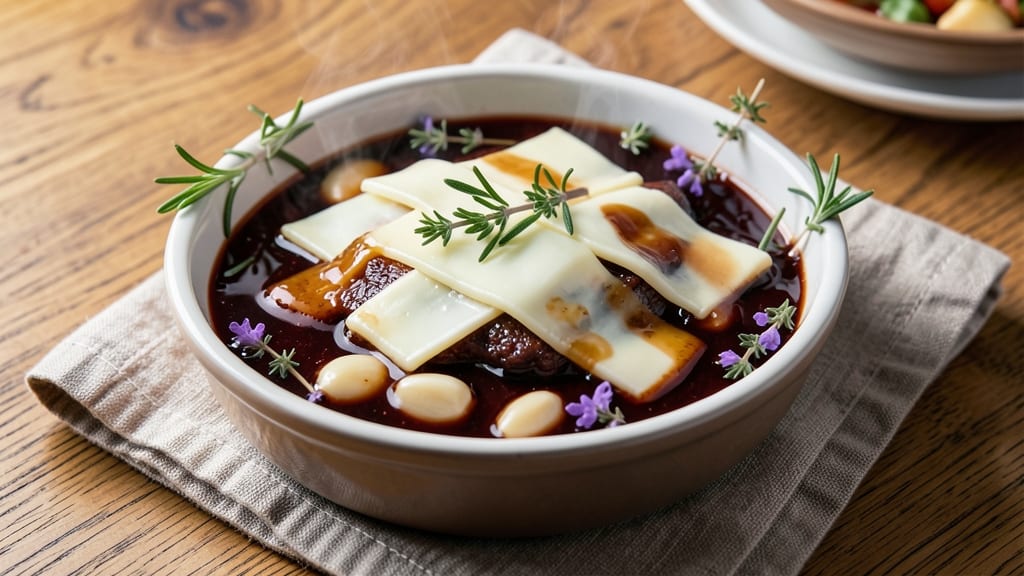
This beef basting sauce recipe transforms ordinary grilling and roasting into a showstopping experience with its deep, caramelized richness.
The secret lies in balancing beef broth, red wine, and aromatic herbs to create a sauce that clings to meat like liquid gold, locking in moisture and intensifying flavor with every brush. I developed this formula after years of testing—it’s the difference between a good roast and a restaurant-quality masterpiece.
The beauty of this sauce is its versatility—it works equally well on steaks, ribs, or even chicken, delivering that coveted glossy, smoky crust while keeping the meat tender.
The key ingredients (beef broth, red wine, butter, and fresh herbs) come together in a simple 10-minute process, yet the results are anything but basic. What sets this apart is the slow reduction technique, which concentrates the flavors into a thick, velvety glaze.
What you’ll achieve is meat that’s not just cooked but elevated—juicy, deeply flavored, and irresistibly caramelized. The sauce’s natural stickiness ensures every bite is infused with its rich, herby-sweet profile, while the wine adds a touch of acidity that cuts through the richness.
This isn’t just a basting sauce; it’s the secret weapon that turns weeknight dinners into unforgettable meals.
Perfect for holiday roasts, summer grilling, or anytime you want to impress, this recipe scales effortlessly and keeps well in the fridge for up to a week.
Whether you’re searing a prime rib or grilling a simple steak, this sauce will make your meat the star of the plate. Let’s get started!
Ingredients for beef basting sauce
Ten ingredients transform ordinary meat into restaurant-quality masterpieces with every brush.
| Ingredient | Amount | Notes |
|---|---|---|
| Beef Broth 🍲 | 2 cups | High-quality, unsalted preferred |
| Dry Red Wine 🍷 | ½ cup | Bold, dry variety like Cabernet |
| Unsalted Butter 🧈 | 4 tbsp | Full-fat for richness |
| Fresh Rosemary 🌿 | ¼ cup | Chopped, stems removed |
| Fresh Thyme 🌿 | ¼ cup | Leaves only, stems removed |
| Garlic Cloves 🧄 | 4 cloves | Minced for smooth texture |
| Tomato Paste 🍅 | 1 tbsp | Smooth, no sugar added |
| Balsamic Vinegar 🍶 | 1 tbsp | Aged for depth of flavor |
| Granulated Sugar 🍬 | 1 tsp | Balances acidity |
| Diamond Crystal Kosher Salt 🧂 | ½ tsp | For seasoning and balance |
The beef broth is where the magic starts—look for high-quality, low-sodium options like Kirkland Signature or Pacific Foods. The wine? Any bold, dry red works here—Cabernet Sauvignon, Merlot, or whatever's open. Fresh herbs are non-negotiable: rosemary and thyme from the grocery store's produce section will do, but if you've got a garden, even better. The butter should be unsalted and full-fat—this isn't the time for margarine or light versions. For tomato paste, avoid the canned kind with additives—the squeeze tubes at Trader Joe's are perfect for this recipe.
No red wine? Substitute beef broth with a splash of balsamic vinegar—it'll still give you that deep, caramelized flavor. Fresh herbs? Dried works at one-third the amount, but honestly, the difference is noticeable. Short on butter? Olive oil in a 1:1 ratio keeps the sauce rich. The tomato paste can be skipped entirely if you're in a pinch, but the balsamic vinegar and sugar combo will still give you that glossy finish. For a smokier profile, add 1/2 tsp smoked paprika—it's a game-changer for grilled meats.
This sauce is best made fresh, but it keeps beautifully in the fridge for up to 1 week sealed in a jar. For longer storage, freeze in ice cube trays—thaw and reheat as needed. The reduction process means it thickens as it sits, so you can always thin it with a splash of broth or water. I like to make a double batch—one for immediate use, one to freeze. The flavor actually improves after a day or two as everything melds together. Perfect for basting, drizzling, or even deglazing pans later.
Why You'll Love This Recipe
- Here’s what sold me: the way the wine and beef broth meld into something deeper than store-bought sauces. The rosemary and thyme? They’re not overpowering—they just hint at something special. Swirl in that butter at the end, and suddenly, even a simple steak feels like a restaurant-worthy dish.
- Pantry-to-Pot Magic: I swear by this sauce because it uses stuff I already have—no last-minute grocery runs. Just broth, wine, butter, and herbs from my garden (or the grocery store). That’s it. The red wine adds depth without needing fancy ingredients, and the butter ties everything together in minutes.
- Rich Without Effort: Here’s what sold me: the way the wine and beef broth meld into something deeper than store-bought sauces. The rosemary and thyme? They’re not overpowering—they just hint at something special. Swirl in that butter at the end, and suddenly, even a simple steak feels like a restaurant-worthy dish.
- Weeknight or Sunday Supper: Between us, this sauce works for everything. Drizzle it over grilled steaks, toss it with roasted potatoes, or even use it to deglaze a pan after searing meat. Honestly, I’ve made it for both my lazy Tuesday dinners and my “I’m hosting friends” Sunday feasts—and it never lets me down.
Step-by-step instructions for beef basting sauce
This rich, aromatic sauce transforms simple roasts into showstopping centerpieces.
Melt Butter and Bloom Aromatics
In a heavy-bottomed saucepan, melt the 4 tablespoons unsalted butter over medium heat. Once fully melted and foaming subsides, add the 4 cloves minced garlic and cook for 30 seconds until fragrant but not browned. This quick cooking preserves the garlic's sweetness without bitterness.
Next, add the 1 tablespoon tomato paste and stir vigorously for 1 minute to cook out the raw taste. The paste will darken slightly as it caramelizes—this deepens the sauce's complexity. Keep the heat at medium to prevent burning while developing these foundational flavors.
Deglaze with Wine and Broth
Pour in the 0.5 cup dry red wine, scraping up any browned bits from the bottom of the pan with a wooden spoon. These bits, called fond, contain concentrated flavor that builds the sauce's depth. Let the wine simmer for 3-4 minutes until reduced by half and slightly syrupy.
Add the 2 cups beef broth and bring to a gentle simmer. Here's where the magic happens: the broth carries all the aromatic compounds we've built so far. Let it reduce by one-third, about 8-10 minutes, until the liquid measures roughly 1 cup. This concentrated base ensures a thick, glossy finish.
Incorporate Herbs and Acid
Stir in the 0.25 cup chopped fresh rosemary and 0.25 cup fresh thyme leaves along with the 1 tablespoon balsamic vinegar. The acidity from the vinegar brightens the rich flavors while the herbs add earthy complexity. Simmer gently for 5 minutes to allow the herbs to steep and release their oils.
Add the 1 teaspoon granulated sugar and 0.5 teaspoon Diamond Crystal kosher salt, stirring well. The sugar balances the acidity while the salt enhances all flavors. Taste and adjust seasoning—you want a harmonious blend where no single element dominates. This sauce should taste like it's been simmering for hours, not minutes.
Finish with Butter for Richness
Reduce heat to low and whisk in the remaining 3 tablespoons unsalted butter, one tablespoon at a time, allowing each addition to fully melt and emulsify. This creates a silky, velvety texture that clings beautifully to meat. The sauce should coat the back of a spoon with a glossy sheen.
For best results, strain the sauce through a fine-mesh sieve to remove herb stems, then return it to the pan. Keep warm over low heat while basting your roast, adding a splash of water if it thickens too much. This sauce transforms ordinary roasts into restaurant-worthy masterpieces with minimal effort.
Pro Tips For Making Beef Basting Sauce
- Reduce the Wine First: Skip the slow simmer—flambé the red wine in the pan for 30 seconds until it’s just about evaporated. That concentrated alcohol depth cuts through the richness of the butter and beef broth better than a gentle boil ever will. (Yes, it’s faster and way more dramatic.)
- Bloom the Herbs in Butter: Toss the fresh rosemary and thyme into the melted butter before adding the wine. Let them sizzle for 20 seconds until fragrant—this releases their oils and prevents them from turning bitter. I learned this the hard way after burning my first batch.
- Strain for Smoothness: After reducing the sauce, strain it through a fine-mesh sieve to remove herb stems and any butter solids. It’s not mandatory, but your sauce will look restaurant-worthy and coat proteins like silk. (Your future self will notice the difference.)
- Salt in Stages: Taste the sauce before adding the unsalted butter—beef broth and wine can be sneaky with salt. Then, adjust the butter’s saltiness last. This gives you precise control instead of guessing whether to add more salt after everything’s mixed. (Trust me, you’ll regret it if you don’t.)
Flavor customization for these flavors
Herb Variations
Swap out rosemary and thyme for fresh sage and bay leaves for a more Mediterranean profile—perfect for lamb or pork. Use 1 tbsp chopped sage and 1 bay leaf, crushed lightly. Or try fresh tarragon for a lighter, anise-like note that pairs beautifully with beef tenderloin.
I love adding 1 tsp chopped parsley at the end for brightness—it freshens up the sauce without overpowering. 🌿
Wine Alternatives
No red wine? Substitute with ½ cup beef broth + 1 tbsp balsamic vinegar for depth, or use ½ cup dry sherry for a nutty, slightly sweet twist.
For a smokier flavor, replace the wine with ½ cup beef broth + ½ tsp liquid smoke—it’s a game-changer for grilled meats. I’ve also used white wine in a pinch (like Sauvignon Blanc), but the sauce will be lighter in color and flavor.
Sweet and Tangy Boost
Amplify the sauce’s complexity by adding 1 tbsp honey or maple syrup instead of sugar, balancing the balsamic’s acidity. For a tangy kick, increase the balsamic to 2 tbsp and add ½ tsp Dijon mustard—it adds a subtle depth that complements roasted beef perfectly.
I often finish with a splash of orange juice (about 1 tbsp) for a citrusy brightness that cuts through the richness. 🍯
Smoky and Spicy Twist
For a smoky profile, stir in ½ tsp smoked paprika or ¼ tsp chipotle powder during the reduction. For heat, add ½ tsp cayenne pepper or 1 tsp hot sauce (like Cholula) at the end.
If you’re grilling, brush the sauce onto the meat and sprinkle with crushed red pepper flakes—the charred flavor pairs amazingly with the basting sauce. This works especially well for ribs or steaks.
Creamy Upgrade
For a velvety texture, whisk in 2 tbsp heavy cream or sour cream at the end (after removing from heat) to create a creamy-beef basting sauce. This version is ideal for slow-cooked roasts like prime rib.
I also like adding 1 oz cream cheese for a thicker, richer consistency—just melt it gently into the warm sauce. Perfect for basting during the last hour of cooking. 🧈
Umami Depth
Boost umami by adding 1 tbsp soy sauce or 1 tsp Worcestershire sauce during the reduction. For a deeper, meatier flavor, stir in 1 tbsp miso paste (white or red) when adding the broth—it dissolves completely and adds a savory richness.
I’ve also used 1 tbsp fish sauce (sparingly!) for an unexpected but delicious depth, especially in Asian-inspired dishes. 🍜
Nutrition facts
Frequently asked questions
Can I make this beef basting sauce ahead of time?
This sauce actually improves when made a day ahead. Store it in an airtight container in the fridge for up to 7 days. The flavors meld beautifully, and the reduction continues slowly. Reheat gently before using to maintain its velvety texture. For longer storage, freeze in ice cube trays—thaw and reheat as needed for perfect results.
What's the best way to use this sauce on different meats?
For roasts, brush generously every 15-20 minutes during the last hour of cooking. For steaks, apply in the final 5 minutes of searing to create a glossy crust. For ribs, use it during the last 30 minutes of grilling or smoking. The key is to keep the sauce warm but not boiling—it should coat the meat like liquid gold without burning.
Why did my sauce turn out too thin?
This usually happens if you didn't reduce the broth enough or if the saucepan wasn't heavy enough to handle the heat. For next time, simmer uncovered and stir occasionally to encourage faster reduction. If it's too thin now, simply simmer uncovered for 5-10 more minutes until it reaches the desired consistency. A properly reduced sauce should coat the back of a spoon with a glossy sheen.
Can I make this sauce without wine?
Yes! Replace the wine with ½ cup beef broth + 1 tbsp balsamic vinegar for depth, or use ½ cup dry sherry for a nutty flavor. The acidity from the vinegar helps balance the richness. If you're avoiding alcohol entirely, ½ cup apple cider works surprisingly well—it adds a subtle sweetness that complements the beef beautifully.
How do I prevent the sauce from burning while reducing?
Use a heavy-bottomed saucepan to distribute heat evenly and prevent hot spots. Keep the heat at medium-low and stir occasionally to prevent scorching. If you see browned bits forming, immediately reduce heat and stir vigorously. For extra insurance, add 1 extra tablespoon of butter at the end—it creates a protective layer that helps prevent burning during basting.