
Soups & Stews
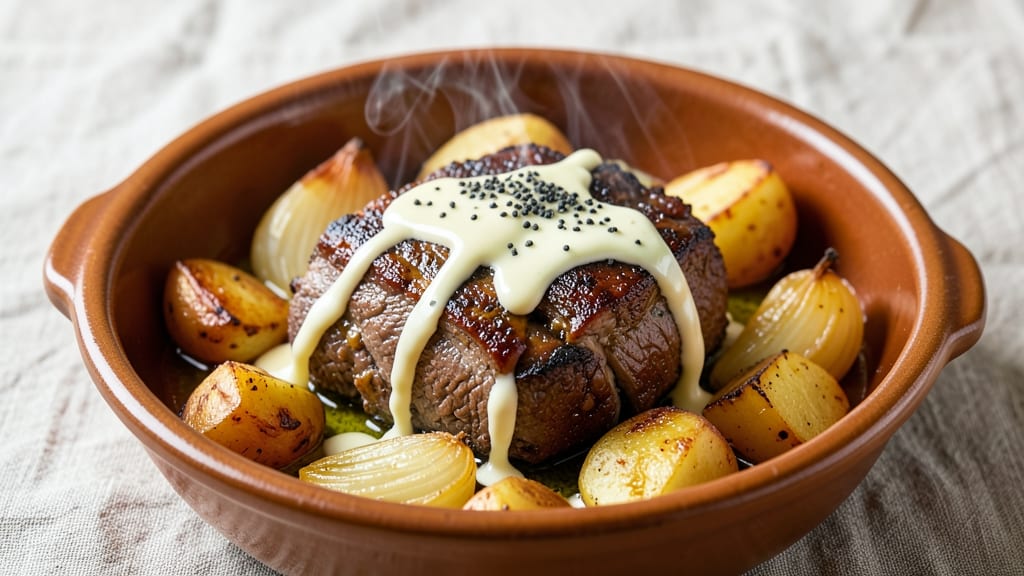
This beef Bengali recipe delivers the rich, aromatic essence of West Bengal in a single pot—where tender beef simmers with potatoes until melt-in-your-mouth perfection.
The secret lies in slow-cooking the meat with whole spices until the onions caramelize into a glossy, sweet glaze, creating layers of depth that balance heat and earthiness.
What makes this dish truly special is the traditional Bengali spice blend: mustard oil, poppy seeds, and dried fenugreek, which transform simple ingredients into something unforgettable.
The recipe begins with marinating the beef in yogurt and spices, allowing the flavors to penetrate deeply before a slow simmer reduces the sauce to a velvety consistency.
Potatoes absorb the rich gravy, becoming tender yet holding their shape, while the beef becomes so tender it nearly falls apart at the touch. This method ensures every bite is packed with flavor—smoky, slightly sweet, and deeply aromatic—without requiring hours of active cooking.
By the time you serve this dish alongside steamed basmati rice or warm roti, you'll have created a meal that feels both rustic and refined. The aroma alone will draw everyone to the table, while the first bite delivers that perfect harmony of spices, tender meat, and creamy potatoes.
Whether you're cooking for family or hosting a dinner, this recipe promises to impress with its authenticity and depth.
For those short on time, a quicker version uses pressure cooking, but the traditional method yields the most complex flavors. The key is patience—the longer the spices bloom, the more layers of flavor unfold. Let's bring the flavors of Bengal to your kitchen today.
Ingredients for beef bengali
The heart of Bengali flavor: tender beef, aromatic spices, and potatoes simmered to perfection.
| Ingredient | Amount | Notes |
|---|---|---|
| Beef Chuck Roast 🥩 | 2 lb | Cut into 1.5-inch cubes |
| Plain Yogurt 🥛 | 1 cup | Full-fat preferred |
| Yellow Onions 🧅 | 2 whole | Medium-sized, thinly sliced |
| Russet Potatoes 🥔 | 2 lb | Peeled, cut into chunks |
| Mustard Oil 🫒 | ¼ cup | For authentic flavor |
| Poppy Seeds 🌾 | 1 tbsp | Lightly toasted |
| Dried Fenugreek Leaves 🌿 | 1 tbsp | Crushed slightly |
| Bay Leaves 🍃 | 2 whole | For depth of flavor |
| Ground Cumin 🌶️ | 1 tsp | Freshly toasted |
| Ground Turmeric 🧂 | ½ tsp | Bright yellow color |
| Ground Coriander 🌿 | 1 tsp | Freshly ground |
| Fresh Ginger 🧄 | 1 ½ oz | Peeled, grated |
| Medium Tomatoes 🍅 | 2 whole | Ripe, chopped |
| Garlic Cloves 🧄 | 6 cloves | Peeled, minced |
| Salt 🧂 | 1 ½ tsp | Kosher or sea salt |
| Black Pepper 🌶️ | ½ tsp | Freshly ground |
| Water 💧 | 2 cups | For simmering |
The beef is non-negotiable—chuck roast delivers that melt-in-your-mouth texture. Look for well-marbled cuts at Whole Foods or your local butcher for the best quality. Mustard oil is the soul of this dish, but if you can't find it, vegetable oil works in a pinch. For the spices, Penzeys Spices or bulk bins at Indian markets ensure maximum freshness. The potatoes should be firm—Russets hold up best to the long cooking time. Don't skip the bay leaves; they add subtle earthiness that rounds out the dish.
No mustard oil? Sesame oil at half the amount gives a similar nutty depth. Fresh ginger and garlic can be swapped for powdered, but use half the quantity—fresh is always better. If you can't find fenugreek leaves, dried methi works too. The tomatoes can be canned (San Marzano if possible), but fresh is ideal. For a quicker prep, pre-chopped onions and garlic from the freezer section save time without sacrificing flavor. The yogurt should be plain and full-fat—Greek yogurt works if you're in a hurry, but traditional Indian yogurt adds authenticity.
This dish tastes even better the next day as the flavors meld. Store in an airtight container in the fridge for up to 5 days. For longer storage, freeze portions for 3 months. The mustard oil will separate—just shake before reheating. Serve with steamed basmati rice or warm roti. The leftovers reheat beautifully—just add a splash of water to prevent drying out. Double the batch if you're feeding a crowd; the flavors only deepen with time.
Why You'll Love This Recipe
- One-Pot Magic: The beef, potatoes, and onions all simmer together—no fancy layers or last-minute plating. Honestly, I dump everything in one pot, add the yogurt marinade, and walk away while it works its flavor.
- Mustard Oil Magic: That first hit of mustard oil when you open the lid? Pure satisfaction. It’s bold, aromatic, and cuts through the richness of the beef like a wake-up call—no subtlety needed, just flavor.
- Leftovers for Days: Between us, this dish only gets better after a day or two. The beef stays tender, the potatoes soak up all the juices, and reheating? Just a splash of water and a few minutes—no sad, dry meat here.
- Budget-Friendly Feast: A chuck roast stretches across meals, potatoes fill you up, and yogurt adds creaminess without breaking the bank. I’ll be real: this feeds four for under $20, and everyone leaves happy.
Step-by-step instructions for beef Bengali recipe
This slow-simmered dish delivers rich, aromatic flavors through careful layering and patience.
Prepare the Spice Base
Heat the 0.25 cup mustard oil in a heavy-bottomed pot over medium heat. Add the 1.5 oz fresh ginger and 6 cloves garlic, cooking for 2-3 minutes until the ginger turns golden and the garlic becomes fragrant but doesn't brown. This step builds the flavor foundation.
Add the 1 tbsp dried fenugreek leaves, 1 tbsp poppy seeds, 2 whole bay leaves, 1 tsp ground cumin, 0.5 tsp ground turmeric, and 1 tsp ground coriander. Stir constantly for 1 minute until the spices release their aroma and the oil becomes perfumed. The fenugreek leaves should darken slightly—this indicates proper activation of their earthy flavor.
Cook the Beef and Potatoes
Add the 2 lb beef chuck roast cut into 1.5-inch cubes and the 2 lb russet potatoes cut into chunks to the pot. Stir to coat the meat and potatoes evenly with the spice oil. Cook for 5 minutes on medium-high heat, stirring occasionally, until the beef begins to brown in spots.
Pour in the 1 cup plain yogurt and stir gently to combine. The yogurt will help tenderize the beef as it cooks. Add the 2 whole yellow onions and 2 whole medium tomatoes chopped, along with the 2 cups water. Season with 1.5 tsp salt and 0.5 tsp black pepper. Bring to a gentle simmer, then reduce heat to low to maintain a slow, steady bubble.
Simmer Until Tender
Cover the pot and let the mixture simmer gently for 2-2.5 hours, stirring occasionally. The beef should become fork-tender and the potatoes should be soft when pierced with a knife. If the liquid reduces too much before the beef is tender, add ½ cup water at a time to maintain the proper consistency.
After 1.5 hours, check the beef's tenderness. If it's still slightly firm, continue simmering. The potatoes should be falling apart easily by the end of cooking. The dish should have a rich, aromatic sauce that coats the beef and potatoes beautifully. The fenugreek and poppy seeds will add their distinctive flavors as they infuse into the sauce.
Adjust and Serve
Once the beef is fork-tender, remove the 2 whole bay leaves from the pot. Taste the sauce and adjust seasoning if needed—add more salt if the flavors seem mild, or a pinch of sugar if the tomatoes are too acidic. The dish should balance rich, spicy, and slightly sweet notes.
Serve the beef Bengali hot, with the tender beef and potatoes swimming in the fragrant, spiced sauce. This dish is traditionally enjoyed with steamed rice or roti, which helps soak up the delicious sauce. The combination of mustard oil's sharp aroma with the earthy fenugreek and nutty poppy seeds creates a complex flavor profile that's both comforting and deeply satisfying.
Pro Tips For Making Beef Bengali
- SEAR THE BEEF FIRST: Hit that chuck roast with a screaming-hot pan—no rushing—until it’s deep brown in spots. I learned this the hard way: skipping the sear means flavorless beef that just sits there like a sad, gray sponge instead of developing that caramelized crust that cuts through the yogurt’s tang.
- GRATE, DON’T CHOP, THE POTATOES: Use a box grater for the potatoes—even if it’s messy. The extra surface area soaks up the mustard oil and yogurt better, giving you those pillowy, flavorful bites instead of dense, watery lumps. (Yes, even if you’re impatient like me, take the 2 extra minutes.)
- LET THE YOGURT CURDLE SLOWLY: Simmer the yogurt sauce on low heat—just a whisper of a bubble—or it’ll split into a grainy mess. I used to crank the heat, and the sauce would curdle like cottage cheese. Now I stir it like I’m defusing a bomb: gentle, constant, and never in a hurry.
- COVER WITH PAPER, NOT FOIL: Trap the steam with parchment paper instead of foil when resting the beef. The paper lets it breathe just enough to keep the juices locked in while the crust stays intact. (Your future self will thank you when the slices don’t turn into a greasy puddle.)
Essential equipment for this dish
Heavy-Bottomed Pot
You’ll need a 6-8 quart heavy-bottomed Dutch oven—like the Le Creuset Signature or All-Clad D5 Stainless Steel—to handle the slow simmer without burning the spices. The thick base distributes heat evenly, preventing hot spots that could scorch the mustard oil or fenugreek.
I’ve found that cast iron works too, but it requires more attention to heat control. Avoid thin aluminum pots—they can’t maintain consistent temperatures for the 2-2.5 hour cook time.
Mustard Oil Bottle
Mustard oil is the soul of this dish, so store it in a dark glass bottle (like Kirkland Signature) to protect it from light. If you’re new to mustard oil, start with a small bottle—it’s potent! For authenticity, use 100% pure mustard oil (no additives).
If you can’t find it, vegetable oil works in a pinch, but the flavor won’t be the same. Keep the bottle in your pantry for future Bengali dishes like beguni or machher jhol.
Spice Grinder
A high-quality spice grinder (like the Spice Grinder by Oxo) is a game-changer for freshly ground spices. Toasting whole spices like cumin and coriander in a dry pan before grinding enhances their flavor. For fenugreek leaves, lightly crush them with a mortar and pestle to release their aroma.
If you’re short on time, pre-ground spices from Penzeys work well, but freshly ground spices add depth that store-bought can’t match.
Meat Thermometer
Use a meat thermometer (like the ThermoWorks Thermapen) to check the beef’s internal temperature—it should reach 195°F for fork-tender results. This is especially useful for busy cooks who want to avoid overcooking.
Insert the probe into the thickest piece of beef; if it’s still firm at 190°F, give it another 15-20 minutes. The potatoes will soften as the beef cooks, so don’t rush the process.
Wooden Spoon
A long-handled wooden spoon (like the OXO Good Grips) is essential for stirring the pot without damaging the non-stick surface. Wood distributes heat better than metal and won’t scratch your Dutch oven.
Use it to scrape up any browned bits from the bottom—these add rich, caramelized flavor to the sauce. Avoid plastic spoons, as they can melt in the hot oil.
Slow Cooker Option
For a hands-off approach, use a 6-quart slow cooker (like the Hamilton Beach) on low for 6-8 hours. Add all ingredients as directed, but reduce the water to 1 cup to prevent a watery sauce.
The slow cooker’s gentle heat mimics the Dutch oven’s even cooking, making it perfect for weeknight meals. Just
Nutrition facts
Frequently asked questions
Can I substitute beef with chicken or lamb?
While beef is traditional, you can adapt this recipe for chicken thighs (cook for 45-50 minutes) or lamb shoulder (simmer 2.5-3 hours). Use bone-in pieces for richer flavor, and reduce cooking liquid by ½ cup since poultry and lamb release more moisture. For chicken, marinate for 30 minutes instead of 2 hours.
Why does my sauce taste too bitter?
Bitter flavors usually come from overcooked spices or tomatoes. To fix it, add ½ tsp sugar or 1 tbsp honey to balance the bitterness. For prevention, remove the bay leaves after 1 hour of cooking and avoid browning the tomatoes too much. A pinch of salted butter at the end also smooths sharp flavors.
How do I make this recipe faster?
For a quicker version, use a pressure cooker (cook on high for 30 minutes) or Instant Pot (high pressure for 25 minutes). Skip the long marinade—just coat the meat in spices for 15 minutes before cooking. Reduce onions to 1 large and use 1 cup water instead of 2. The flavors will be good but less complex.
What's the best way to reheat leftovers?
Reheat gently in a pot with 2 tbsp water over low heat for 10-15 minutes, stirring occasionally. Avoid microwaving—it makes the sauce watery. For crispy edges, transfer to an oven-safe dish at 350°F for 10 minutes. The mustard oil will separate—just stir well before serving.
Can I make this dish vegetarian?
Yes! Replace beef with extra-firm tofu (pressed and cubed) or chickpeas (for heartiness). Use ½ cup coconut milk instead of yogurt, and add 1 tbsp soy sauce for umami. Simmer for 45 minutes instead of 2.5 hours. The potatoes and spices will still shine—just reduce water to 1 cup to prevent a thin sauce.