
Soups & Stews
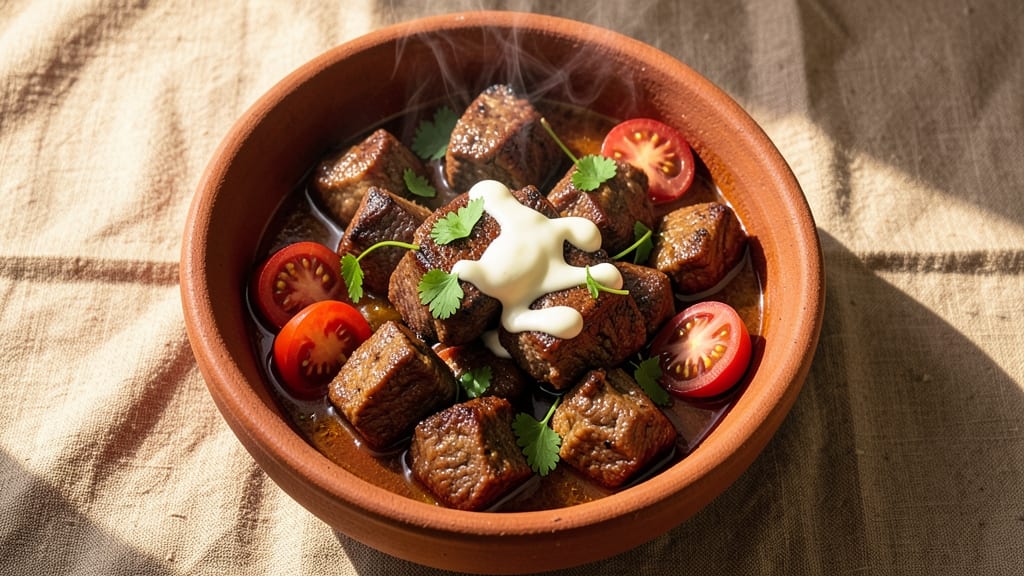
This beef bhuna gosht recipe transforms tough beef into melt-in-your-mouth perfection through slow simmering and aromatic spices. The secret lies in marinating the beef overnight with yogurt and garam masala, then cooking it until the meat practically falls apart in a rich, caramelized tomato gravy.
Every bite delivers layers of smoky, spicy, and sweet flavors that make this dish a centerpiece for any Indian feast.
The recipe begins with a fragrant ginger-garlic paste and whole spices like cardamom and cloves, which infuse the beef with deep, complex aromas. Slow cooking on low heat allows the spices to meld together, creating a sauce that's both velvety and packed with umami.
The fenugreek leaves add a unique bitterness that balances the richness, while tomatoes caramelize into a thick, glossy base.
By the time you serve this dish, you'll have tender beef swimming in a glossy, spice-infused gravy that clings to every bite. The aroma alone will have everyone gathering at the table, and the flavors—smoky, tangy, and just slightly sweet—will make this dish a standout.
Serve with warm naan, basmati rice, or a cooling raita to complete the meal.
This recipe is designed to be authentic yet approachable, with clear instructions that guide you through each step. Whether you're cooking for a family gathering or a special occasion, this beef bhuna gosht will impress with its depth of flavor and restaurant-quality results. Let's get started!
Ingredients for beef bhuna gosht
Sixteen ingredients for a dish that tastes like a restaurant favorite.
| Ingredient | Amount | Notes |
|---|---|---|
| Beef Chuck Roast 🥩 | 3 lb | Cut into 1.5-inch cubes |
| Plain Yogurt 🥛 | 1 cup | Full-fat for richness |
| Garam Masala 🌶️ | 2 tbsp | Authentic blend preferred |
| Fresh Fenugreek Leaves 🌿 | ½ cup | Packed, stems removed |
| Ripe Tomatoes 🍅 | 4 whole | Chopped, San Marzano ideal |
| Ginger 🧄 | 2 tbsp | Freshly grated, aromatic |
| Garlic Cloves 🧄 | 8 cloves | Peeled, roughly chopped |
| Green Cardamom Pods 🌿 | 6 whole | Lightly crushed |
| Cloves 🌶️ | 4 whole | Whole, lightly crushed |
| Bay Leaves 🌿 | 2 whole | Fresh preferred |
| Vegetable Oil 🫒 | ½ cup | High smoke point |
| Salt 🧂 | 1 ½ tsp | Kosher or sea salt |
| Black Peppercorns 🌶️ | ½ tsp | Freshly cracked |
| Sugar 🍯 | 1 tbsp | Balances acidity |
The beef is non-negotiable here—chuck roast with good marbling melts into tender perfection. Costco or Whole Foods usually carry it pre-cut, but if you're buying a whole roast, ask the butcher to cube it for you. The yogurt should be full-fat (Greek or Indian-style) for that rich, creamy sauce texture. Fenugreek leaves are the secret weapon—Indian grocery stores have them fresh year-round, or sub with arugula in a pinch. For the tomatoes, San Marzano canned ones are ideal, but fresh works too if you're willing to peel and chop them.
No garam masala? Mix 1 tsp each of cumin, coriander, turmeric, and cinnamon as a substitute. Running out of fenugreek? Spinach or kale at half the amount adds bitterness. Fresh cardamom pods are better than ground, but if you must use ground, toast the pods first for deeper flavor. The ginger and garlic can be made into a paste ahead of time—blend with a splash of water to make it smoother. If you're short on time, bottled minced garlic works, but fresh is always better.
This dish tastes even better the next day as the flavors meld. Store in the fridge for 4-5 days with a layer of oil on top to preserve freshness. Freezes beautifully for 3 months—portion into containers before freezing so you can grab just what you need. The sauce thickens as it cools, so add a splash of water when reheating. Serve with warm naan or basmati rice to soak up every last bit of that spice-infused gravy.
Why You'll Love This Recipe
- One-Pot Wonder: I swear by this recipe when I’m too tired to scrub pots. The beef simmers right in the yogurt and tomatoes—no extra pans, no fuss. Just dump, stir, and let the garam masala work its magic while you sip chai.
- Tangy Depth Bomb: That yogurt marinade and fenugreek leaves? It’s a flavor explosion. The beef stays tender but develops this caramelized crust, while the tomatoes add a bright acidity that cuts through the richness. Honestly, it’s the kind of dish that makes you close your eyes mid-bite.
- Weeknight to Weekend: Between us, this is my go-to for lazy Mondays and when my in-laws visit. Serve it with naan for a quick weeknight dinner, or pile it onto rice for a showstopping Sunday meal. The leftovers? Even better the next day.
- Budget-Friendly Feast: A whole chuck roast feeds six for less than takeout. The yogurt and fenugreek stretch the beef’s richness, and the spices cost pennies. I’ll be real—it’s the kind of recipe that makes me feel like I’m feeding a crowd without breaking the bank.
Step-by-step instructions for slow-simmered beef bhuna gosht
This rich, aromatic dish transforms tough beef into melt-in-your-mouth perfection through patience and layering flavors.
Prepare the Beef and Yogurt Marinade
Cut the 3 lb beef chuck roast into 1.5-inch cubes—this size ensures even cooking and maximum flavor absorption. In a large bowl, combine the beef with the 1 cup plain yogurt, 2 tbsp garam masala, 1.5 tsp salt, and 0.5 tsp freshly cracked black peppercorns. Mix gently until the beef is fully coated in the yogurt mixture.
Let the marinated beef sit at room temperature for 30 minutes—this allows the yogurt to tenderize the meat and the spices to penetrate deeply. Don’t skip this step; it’s what makes the beef tender and deeply flavorful. Cover the bowl with plastic wrap and let it sit while you prep the remaining ingredients.
Build the Spice Base and Cook the Aromatics
Heat the 0.5 cup vegetable oil in a heavy-bottomed Dutch oven over medium heat. Add the 2 tbsp freshly grated ginger, 8 peeled garlic cloves, 6 lightly crushed green cardamom pods, 4 whole cloves, and 2 whole bay leaves. Sauté for 2-3 minutes until the garlic turns golden and the spices release their aroma—this is where the magic begins.
Add the 4 chopped ripe tomatoes and cook for 5-6 minutes until they soften and break down into a thick, caramelized sauce. Stir occasionally to prevent burning. The tomatoes should release their juices and create a rich, slightly sweet base for the dish. This step develops the deep, complex flavor that defines bhuna gosht.
Brown the Beef and Add Fenugreek
Increase the heat to medium-high and add the marinated beef in batches, allowing space between each piece to ensure even browning. Cook for 5-6 minutes per batch until the beef develops a deep golden crust—this step is critical for adding depth of flavor. Remove the beef and set it aside temporarily.
To the same pot, add the 0.5 cup packed fresh fenugreek leaves and cook for 1-2 minutes until they wilt and release their earthy aroma. This leafy green is the secret to bhuna gosht’s signature depth and complexity. Stir well to incorporate the fenugreek into the tomato base, then return the beef to the pot.
Simmer the Beef Until Tender
Reduce the heat to low and cover the pot with a tight-fitting lid. Let the beef simmer gently for 2-2.5 hours, stirring occasionally to prevent sticking. The goal is to cook the beef slowly until it’s fork-tender and falls apart easily. You’ll notice the sauce thickens and darkens as it simmers, creating a glossy, aromatic coating.
After 1.5 hours, add 1 tbsp sugar to balance the acidity from the tomatoes and enhance the caramelization. This step is key to achieving the perfect harmony of flavors. The beef should be tender enough to pierce with a fork, but still hold its shape slightly. If it’s not tender enough, continue simmering for another 30 minutes.
Finish and Serve with Confidence
Once the beef is tender, remove the bay leaves and adjust the seasoning if needed—add a pinch more salt or a splash of water if the sauce is too thick. Let the bhuna gosht sit uncovered for 5-10 minutes to allow the sauce to thicken slightly and the flavors to meld. This resting step ensures the final dish is rich, cohesive, and bursting with flavor.
Serve the bhuna gosht hot, accompanied by steamed basmati rice or warm naan. The dish should be deeply aromatic, with tender beef swimming in a glossy, spice-infused sauce. Each bite should deliver layers of smoky, sweet, and earthy flavors—proof that slow cooking transforms simple ingredients into something extraordinary.
Pro Tips For Making Beef Bhuna Gosht
- Marinate Overnight: I learned this the hard way—skipping the overnight soak means tougher meat and less flavor. Use ½ cup yogurt, 1 tbsp lemon juice, and 1 tsp turmeric per pound of beef chuck, then refrigerate for 12-24 hours. The acid and fat break down collagen, and the yogurt keeps the meat tender even after slow cooking.
- Sear in Batches: After burning three batches, I finally figured out: beef chuck won’t release its juices if crowded. Cook in 2-inch-thick layers on medium-high heat for 3-4 minutes per side—yes, even if it looks messy. The crust seals in moisture, and the second batch won’t steam like a sad soup.
- Crush Tomatoes Roughly: Sounds weird, but it works: skip the blender for ripe tomatoes. Smash them with your hands or a rolling pin, leaving some texture. This keeps the sauce from turning gluey later, and the bits add depth—like a hidden layer of flavor your guests won’t question.
- Simmer Low and Long: My grandmother swore by this, and she was right: after browning, reduce heat to lowest possible and let it cook uncovered for 2.5–3 hours. The fenugreek leaves and garam masala need time to meld, and the yogurt will thicken naturally without curdling. Patience here makes the dish.
Regional styles of this recipe
Pakistani Peshawari Style
The original Peshawari version uses whole spices like cinnamon sticks and mace alongside garam masala, creating a richer, more aromatic profile. I add 1-inch cinnamon stick and 4 whole mace blades when sautéing the aromatics, letting them toast until fragrant before adding tomatoes.
The beef is traditionally cooked in a heavy cast iron pot on low heat for 3+ hours until it's almost falling apart. Serve with steamed jeera rice and a side of mirchi ka salan (spicy green chili relish) for the full Peshawari experience. 🌶️
Mumbai Street Food Twist
In Mumbai, bhuna gosht is often served as a street food staple with a tangier kick. I incorporate 1 tbsp amchur (dry mango powder) and 1 tsp chaat masala during the final 10 minutes of cooking to brighten the flavors.
For extra texture, I add ½ cup fried cashews and 2 tbsp toasted sesame seeds at the end. This version pairs perfectly with garlic naan and a cooling cucumber raita. The amchur adds that signature Mumbai street food tang that cuts through the richness. 💛
Delhi Awadhi Fusion
Awadhi cuisine brings a creamy, luxurious touch to bhuna gosht. I blend ½ cup yogurt with the finished sauce and simmer for 10 minutes to create a velvety consistency. Adding 1 tsp kewra water (available at Indian grocery stores) right before serving elevates the dish to restaurant-quality luxury.
Serve with malai roti (butter-rich flatbread) and dal makhani for the ultimate Delhi-Awadhi feast. The kewra water adds a floral aroma that's distinctly Awadhi. ✨
Bengaluru Spicy Kick
Bengaluru-style bhuna gosht leans into bold, fiery flavors with a South Indian twist. I add 1 tbsp freshly ground black pepper and ½ tsp asafoetida (hing) when browning the beef, along with 1 tsp curry leaves during the tomato cooking phase.
The dish finishes with 1 tsp red chili powder and a splash of lemon juice. Serve with steamed jeera rice and coconut chutney to balance the heat. The asafoetida adds that signature South Indian depth that sets this version apart. 🌶️
Hyderabadi Dum Style
For a slow-cooked, sealed-pot version, I use the dum cooking technique—sealing the pot after initial browning and cooking on lowest heat for 4 hours. The key is adding 1 tbsp ghee at the end and sealing the pot tightly with foil.
The steam infuses the beef with incredible tenderness. Garnish with fresh coriander and serve with biryani-style rice and mirchi ka salan. This method creates a restaurant-quality dish with minimal effort. 💫
Nutrition facts
Frequently asked questions
What's the secret to making the beef truly tender?
The magic happens with the overnight marinade (or at least 4 hours) using yogurt and garam masala, plus the slow simmering on low heat for 2-2.5 hours. The yogurt's acidity breaks down proteins while the spices penetrate deeply. Never rush the cooking time—patience is key for that melt-in-your-mouth texture!
Can I use a different cut of beef instead of chuck roast?
For best results, stick with chuck roast or brisket—they have enough fat and connective tissue to stay tender during long cooking. If you must substitute, stew beef works, but avoid lean cuts like sirloin. For tougher cuts, increase simmering time by 30-45 minutes to ensure tenderness.
Why does my bhuna gosht taste too acidic?
The tomatoes can make the dish taste sour if not balanced properly. Add 1 tbsp sugar during the final 30 minutes of cooking to counteract acidity, or finish with a pinch of amchur (dry mango powder) for a bright, tangy note. Also ensure you're using ripe tomatoes—they should be soft and juicy, not hard and tart.
How can I make this dish ahead of time?
This dish actually tastes better the next day as flavors meld! Store in an airtight container in the fridge for 4-5 days, or freeze for 3 months. Reheat gently on low heat, adding a splash of water if the sauce thickens too much. The textures improve with time—just avoid reheating from frozen without thawing first.
What's the best way to reheat bhuna gosht?
Reheat on low heat with a splash of water or broth to prevent drying. For best results, cover the pot and simmer for 10-15 minutes until heated through. If using leftover sauce, stir in a bit of yogurt or cream to restore richness. Never microwave—it makes the sauce watery and loses those beautiful caramelized flavors.