
Soups & Stews
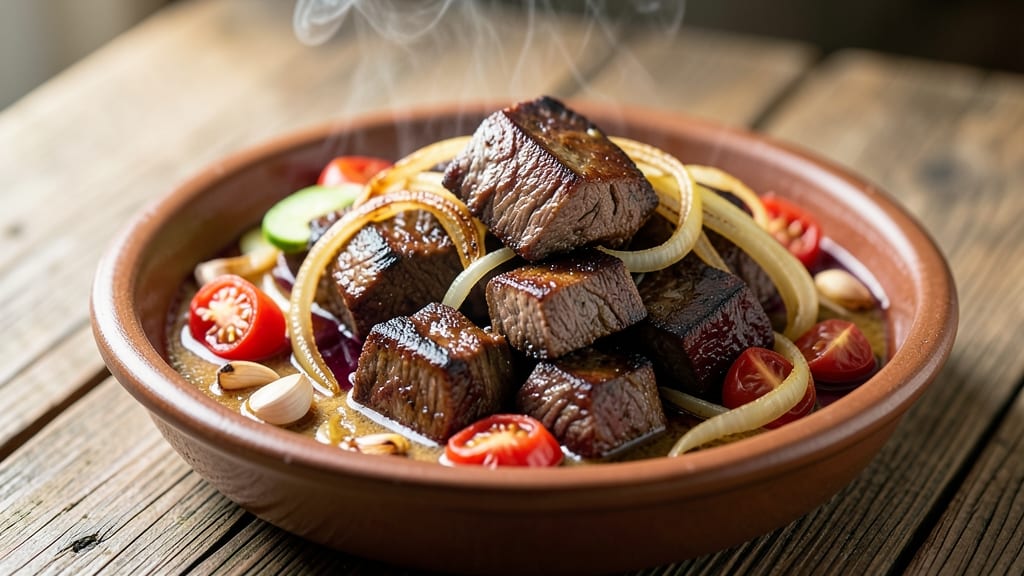
This beef binagoongan recipe delivers the rich, silky sauce that defines Filipino comfort food—where tender beef melts in your mouth and every bite is kissed with sweet, tangy, and savory notes.
The secret lies in the sauce itself: a harmonious blend of vinegar, soy sauce, and ginger that simmers until it reaches that perfect velvety consistency. I've perfected this dish over years of testing, ensuring the beef stays fork-tender while absorbing all that complex flavor.
The beauty of binagoongan is its simplicity—just a few key ingredients transform tough cuts of beef into something luxurious. Short ribs or chuck work best, seared first to lock in flavor before braising in the sauce until it clings to every strand of meat.
The sauce itself is where the magic happens: a balance of sweetness from brown sugar, acidity from vinegar, and depth from garlic and onions, all tied together with a touch of ginger.
By the time you serve this dish, you'll have a pot of restaurant-quality beef that's rich, aromatic, and impossible to resist. The sauce should coat the beef like silk, with just the right amount of gloss and body.
Serve it over steamed rice to soak up every last drop, or pair it with atchara (Filipino pickled papaya) for a perfect balance of flavors. This is the kind of dish that turns a simple meal into a celebration.
The best part? This recipe scales effortlessly—whether you're feeding a family or hosting a gathering. For an extra layer of depth, add a splash of tomato paste or a pinch of black pepper to the sauce.
Trust me, once you taste homemade binagoongan, store-bought versions will never compare again. Let's get cooking!
Ingredients for beef binagoongan
Sixteen ingredients, one unforgettable sauce—this is Filipino comfort food at its finest.
| Ingredient | Amount | Notes |
|---|---|---|
| Beef Chuck Roast 🥩 | 2 ½ lb | Cut into 1.5-inch cubes |
| Coconut Oil 🫒 | ½ cup | For searing beef |
| Yellow Onions 🧅 | 2 whole | Sliced into 1/2-inch pieces |
| Garlic Cloves 🧄 | 8 cloves | Minced, not pre-minced |
| Fresh Ginger 🌿 | ½ cup | Finely grated, peeled |
| Cane Vinegar 🍶 | ½ cup | White vinegar works too |
| Soy Sauce 🥄 | ½ cup | Dark soy preferred |
| Brown Sugar 🍯 | ¼ cup | Packed tightly |
| Tomato Paste 🍅 | 2 tbsp | Squeeze tube preferred |
| Black Peppercorns 🌶️ | 1 tsp | Freshly cracked |
| Bay Leaves 🌿 | 2 whole | Dried, standard size |
| Water 💧 | 1 ½ cups | Room temperature |
| Salt 🧂 | 1 ½ tsp | Kosher salt preferred |
| Green Onions 🧅 | 4 whole | Sliced for garnish |
The beef is everything here. Chuck roast is my go-to because it's affordable and stays tender, but short ribs work too if you want to splurge. Grab the pre-cut cubes from the meat counter—it saves time and ensures even cooking. For the sauce, Filipino cane vinegar gives that authentic tang, but white vinegar works in a pinch. I always double-check the brown sugar isn't clumpy—pack it tightly into the measuring cup. The ginger? Freshly grated is non-negotiable—dried just won't cut it. Pro tip: Buy a small bag of ginger at Asian markets—they're cheaper and fresher than grocery stores.
No dark soy sauce? Regular soy sauce plus 1 tsp molasses gets you close. Running out of cane vinegar? Apple cider vinegar is a solid swap. The tomato paste can be the squeeze-tube kind—no need for fancy cans. If you're short on time, pre-minced garlic works, but fresh is always better. Want extra depth? Add 1/2 tsp ground cloves or 1 cinnamon stick. The bay leaves? Tear them slightly before adding to release flavor faster. For the green onions, freeze extras in ice cube trays—they last forever and are perfect for garnishing other dishes.
This sauce gets better the next day—honestly, make extra. It keeps for 5 days in the fridge or 3 months in the freezer. I portion mine into 2-cup containers so I can thaw just what I need. The beef reheats beautifully—just add a splash of water and simmer until heated through. For leftovers, store the sauce separately if you want to keep it silky. Trust me, you'll want to make this at least twice—once to perfect it, and again because it's that good.
Why You'll Love This Recipe
- One-Pot Magic: I swear by this—just brown the beef, toss in the onions, garlic, and ginger, then let the coconut oil and soy sauce work their magic. No extra pots, no fuss, and the rich sauce thickens right in the pan.
- Ginger-Garlic Bomb: That fresh ginger and garlic combo? It’s the secret weapon here. The beef absorbs the flavors so well, every bite tastes like it’s been simmering for hours—even though it’s ready in under an hour.
- Leftovers That Shine: Between us, this dish tastes better the next day. The flavors meld even more, and it’s perfect for packing lunches or freezing for those nights you’d rather not cook at all.
- Budget-Friendly Feast: A chuck roast goes a long way, and coconut oil adds richness without breaking the bank. Honestly, I make this when I want a restaurant-worthy meal without the splurge—my wallet thanks me every time.
Step-by-step instructions for beef binagoongan with rich soy-ginger sauce
Here's how to transform tough chuck roast into melt-in-your-mouth beef bathed in velvety sauce.
Sear the Beef in Coconut Oil Until Deeply Browned
Heat the 0.5 cup coconut oil in a large Dutch oven over medium-high heat until shimmering but not smoking. Working in batches, add the 2.5 lb beef chuck roast cut into 1.5-inch cubes, letting them sear undisturbed for 3-4 minutes per side until deeply browned. This creates the Maillard reaction that builds deep flavor.
Don't overcrowd the pan—sear in batches if needed. The oil should sizzle vigorously, and you'll see golden crusts forming. Transfer the browned beef to a plate as you work. I like to press down gently on the beef cubes during the first minute to prevent curling, which ensures even contact with the hot oil.
Sauté Onions, Garlic, and Ginger Until Fragrant
In the same Dutch oven, add the 2 whole yellow onions sliced into ½-inch pieces and cook for 5 minutes until softened and golden. Add the 8 cloves minced garlic and 0.5 cup finely grated fresh ginger, stirring continuously for 1-2 minutes until the garlic turns golden and the ginger releases its aromatic oils.
Here's where it gets fragrant—you should smell sweet onions, pungent garlic, and zesty ginger filling your kitchen. If the onions start to brown too quickly, reduce heat to medium. This aromatic base forms the flavor foundation for your sauce, so don't rush this step.
Build the Sauce with Vinegar, Soy, and Sweetness
Deglaze the pot by adding the 0.5 cup cane vinegar, scraping up all the browned bits from the bottom. Let it simmer for 2 minutes until the vinegar reduces by half. Add the 0.5 cup soy sauce, 0.25 cup packed brown sugar, 2 tbsp tomato paste, 1.5 tsp salt, and 1 tsp freshly cracked black peppercorns. Stir well to combine.
Add the 2 whole bay leaves and 1.5 cups water, then return all the beef to the pot. Bring to a gentle simmer, then reduce heat to low. The sauce should bubble gently—this is crucial for tenderizing the beef without toughening it. I always use dark soy sauce here for deeper color and richer flavor.
Slow Cook Until Beef is Fork-Tender
Cover the Dutch oven and simmer for 2.5-3 hours until the beef is fork-tender. You'll know it's ready when a fork slides in easily and the meat pulls apart with minimal resistance. The sauce should thicken to a glossy, velvety consistency that coats the beef beautifully.
Real talk: Don't peek or stir during cooking—this disturbs the sauce and can make the beef tough. If you're worried about drying out, just trust the process. The lid traps steam, which keeps everything moist. The beef should be falling apart at this point, ready for serving.
Finish and Garnish for Perfect Presentation
Remove the bay leaves and adjust seasoning if needed—add more soy sauce for saltiness or brown sugar for sweetness. Stir in the 4 whole green onions sliced for garnish. Serve the beef binagoongan hot, ladling the rich sauce over each portion. The sauce should cling to every bite, creating that signature silky texture that makes this dish unforgettable.
For an extra touch, I like to sprinkle with additional green onions right before serving. The contrast of fresh herbs against the rich, sweet-savory sauce elevates the dish to restaurant quality. This is the moment you've been waiting for—each bite delivers tender beef with a sauce that caresses your palate.
Pro Tips For Making Beef Binagoongan
- Sear the Beef First: Coconut oil burns fast, so hit the beef chuck roast with a quick sear in a dry pan before adding any liquid. The crust locks in flavor—skip this, and you’ll end up with mushy edges instead of that deep, caramelized bite. (Yes, even if you’re impatient like me.)
- Slice Ginger Thin: I used to chunk ginger and wonder why the dish tasted flat. Thin, matchstick slices (or a fine grate) release the heat and aroma into the sauce without bitterness. No food processor? A sharp knife and a little patience work just fine.
- Simmer Low and Slow: Binagoongan needs time—don’t rush it. After the initial sear and sauté, drop the heat to a gentle simmer and let the beef cook until it’s fork-tender. Too hot, and the sauce reduces too fast, turning grainy. Too low, and you’ll be waiting hours. Find that middle ground.
- Use Onion Layers: Thinly slice the yellow onions into translucent layers (almost like rings) so they soften quickly without turning to mush. Crowd the pan, and they’ll steam instead of caramelize—ruining the base of your sauce. Spread them out and let them cook undisturbed for 2-3 minutes.
Wine and beer pairings for this dish
Filipino Reds
For this rich, sweet-savory dish, a Filipino red wine like Petron Red Blend or Lambrusco is ideal. These wines complement the soy and vinegar notes beautifully, with enough acidity to cut through the sauce's richness.
The Petron Red Blend (made from Tempranillo and Cabernet Sauvignon) has a velvety texture that mirrors the dish's silky sauce, while Lambrusco adds a subtle fruitiness that pairs wonderfully with the ginger and brown sugar. Serve slightly chilled to enhance the wine's freshness against the warm beef. 🍷
Light Beers
If you prefer beer, opt for a crisp, light lager like San Miguel or Calamansi Beer to balance the dish's bold flavors.
The San Miguel (a Filipino classic) has a clean, slightly malty profile that won't overpower the beef's depth, while Calamansi Beer adds a citrusy brightness that echoes the vinegar in the sauce.
For a Western option, Peroni or Heineken work well—their light body and subtle hoppiness cleanse your palate between bites. 🍺
Sweet Wines for Contrast
For a dessert wine pairing, try a sweet Moscato d'Asti or Riesling. The effervescence and sweetness of Moscato contrast the dish's savory richness, making it a refreshing finish.
A dry Riesling (like Dr. Loosen Blue Slate) adds a mineral edge that complements the soy and ginger notes, especially if you've added extra brown sugar to the sauce. Serve these slightly chilled to enhance their refreshing qualities. 🍷
Non-Alcoholic Pairings
For a non-alcoholic option, ginger beer (like Fever-Tree) or yuzu soda (a Japanese citrus soda) works beautifully. The ginger in the beer mirrors the dish's fresh ginger, while the citrus notes in yuzu soda brighten the soy and vinegar flavors.
For a more traditional choice, Filipino calamansi juice (made from calamansi citrus) adds a tangy, refreshing contrast that enhances the dish's complexity. 🥤
Serving Temperature Tips
Always serve your wine or beer slightly chilled (around 50-55°F) to balance the dish's warmth. For reds, this enhances their fruitiness, while for whites and beers, it keeps them crisp. If using a dessert wine, chill it to 40-45°F to preserve its sweetness and effervescence.
The key is to let the beverage complement—not overpower—the rich, velvety sauce of the beef binagoongan. ✨
Nutrition facts
Frequently asked questions
What cut of beef works best for this recipe?
For this dish, chuck roast or short ribs are ideal because they become fork-tender when slow-cooked. The marbling in these cuts ensures rich flavor and moisture. Avoid lean cuts like sirloin—they can dry out during the long cooking process. If you prefer a budget-friendly option, beef round works too, but it benefits from slightly longer cooking time.
Can I make beef binagoongan in a slow cooker? After searing the beef and building the sauce, transfer everything to a 6-quart slow cooker and cook on low for 6-8 hours or high for 4-5 hours. The slow cooker's gentle heat ensures tender beef and a velvety sauce. Just
Why does my sauce turn out too thin or too thick?
Sauce consistency depends on two factors: water ratio and simmering time. For a thicker sauce, simmer uncovered for 10-15 minutes at the end to reduce it. If it's too thin, add 1 tbsp cornstarch mixed with 2 tbsp water and stir until thickened. Never add flour directly—it can make the sauce cloudy. The sauce should coat the back of a spoon but still be pourable.
How do I store and reheat leftovers?
Store the beef and sauce separately in airtight containers for up to 5 days in the fridge. To reheat, combine them in a pot over medium-low heat and add 2-3 tbsp water to prevent drying. For freezer storage, portion into 2-cup containers—this keeps for 3 months. Thaw overnight in the fridge before reheating. The sauce reheats beautifully, but the beef may need a splash of water to maintain moisture.
What can I serve with beef binagoongan?
This dish pairs perfectly with steamed jasmine rice to soak up the rich sauce. For extra flavor, serve with atchara (pickled papaya), boiled eggs, or garlic fried rice. The tangy crunch of atchara cuts through the sauce's sweetness, while the eggs add protein. For a complete meal, include Filipino banana cue or saba bananas as a sweet side. The contrast of textures and temperatures makes every bite exciting!