
Main Courses
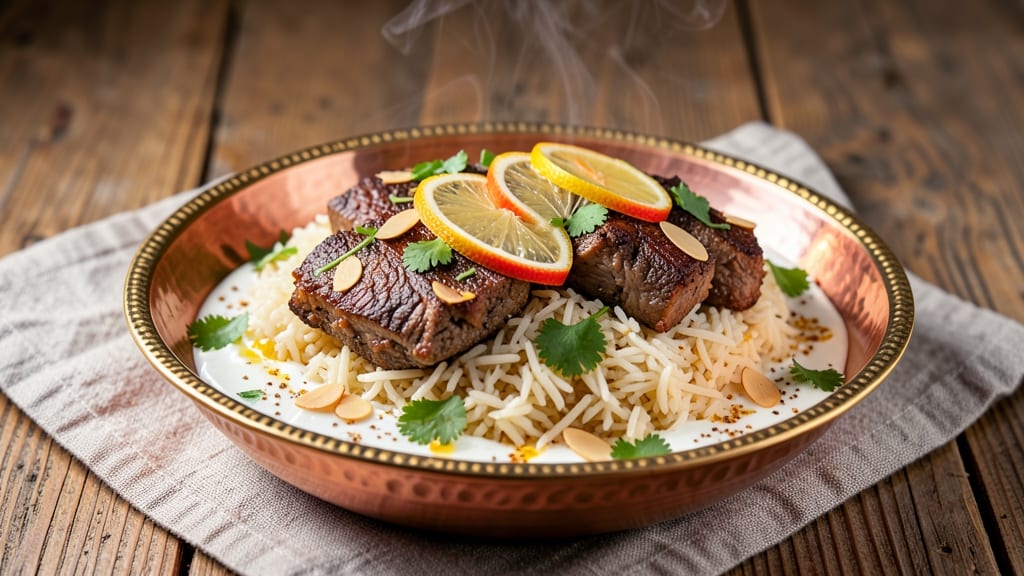
This Afghani beef pulao recipe brings the aromatic essence of Central Asian kitchens to your table, where fragrant basmati rice and tender beef marry in a symphony of cardamom, cinnamon, and saffron. 🌟 The secret lies in parboiling the rice separately—this traditional technique ensures each grain remains distinct, soaking up the rich beef broth without turning mushy.
I’ve perfected this method over years of testing, balancing authenticity with modern kitchen shortcuts like pressure cookers for busy weeknights.
The dish begins with a tender beef marinade—yogurt and lemon juice tenderize while warm spices like cumin and coriander build depth. Layering the rice and beef in a heavy pot allows flavors to meld gradually, with saffron threads dissolving into the broth for that signature golden hue.
The result? A one-pot wonder that’s hearty enough for family gatherings yet simple enough for weeknight dinners.
What makes this pulao truly special is the textural contrast: fluffy basmati grains clinging to succulent beef, each bite infused with warm spices and a hint of citrus brightness. The slow-cooking process transforms tough cuts into melt-in-your-mouth perfection, while the rice absorbs the aromatic broth like a sponge.
It’s the kind of dish that turns ordinary meals into a celebration of flavor.
Whether you’re serving it at a holiday feast or a casual dinner, this recipe delivers restaurant-quality results with minimal effort. The key is patience—letting the spices bloom and the rice cook undisturbed. Ready to bring a taste of Afghanistan to your kitchen? Let’s get started.
Ingredients for afghani beef pulao
Six aromatic spices, tender beef, and fluffy basmati rice—this pulao delivers restaurant-quality flavor at home.
| Ingredient | Amount | Notes |
|---|---|---|
| Basmati Rice 🍚 | 2 cups | Uncooked, long-grain preferred |
| Chuck Roast 🥩 | 2 lb | Well-marbled for tenderness |
| Plain Yogurt 🥛 | 1 cup | Full-fat for best marinade |
| Lemon Juice 🍋 | ¼ cup | Freshly squeezed |
| Ground Cumin 🌿 | 2 tsp | Toasted for deeper aroma |
| Ground Coriander 🌿 | 1 ½ tsp | Freshly ground preferred |
| Cardamom Pods 🌿 | 8 whole | Green, lightly crushed |
| Cinnamon Sticks 🌿 | 2 whole | Lightly crushed |
| Saffron Threads 🌼 | ¼ tsp | High-quality, soaked in 2 tbsp warm water |
| Onion 🧅 | 1 whole | Yellow, finely chopped |
| Garlic Cloves 🧄 | 6 cloves | Peeled, minced |
| Tomato Paste 🍅 | 2 tbsp | High-quality, no sugar added |
| Beef Broth 💧 | 3 cups | Homemade or low-sodium store-bought |
| Olive Oil 🫒 | ¼ cup | Extra-virgin for richness |
| Salt 🧂 | 1 ½ tsp | Diamond Crystal preferred |
| Black Pepper 🌶️ | 1 tsp | Freshly ground |
| Fresh Cilantro 🌿 | ¼ cup | Chopped, for garnish |
The beef is the star, so chuck roast is non-negotiable—it stays tender through slow cooking. Costco or Whole Foods carry the best marbled cuts, but any grocery store's pre-cut chuck works. For the spices, Penzeys or local Indian markets have the freshest cardamom and cinnamon, but the bulk bins at Trader Joe's are a solid budget pick. Saffron? Buy it by weight—thread count varies wildly. I always grab a tiny jar from Spicewalla online; it's pricey but worth it for that signature golden hue. Toast your whole spices lightly in a dry pan before grinding—this wakes up their flavors dramatically.
No cardamom? Substitute 1 tsp cinnamon plus 0.5 tsp allspice—it's not identical, but close. Short on yogurt? Plain Greek yogurt at half the amount works, but it won't tenderize as well. The tomato paste can be skipped if you're strict about authenticity, but a splash of balsamic vinegar adds depth if you omit it. For the rice, jasmine rice in a pinch, but basmati's distinct aroma is essential. The onions? Red or yellow both work, but yellow has a slightly sweeter flavor that pairs better with the beef. And if you're feeling fancy, soak the saffron in warm water for 10 minutes—it dissolves better and intensifies that floral note.
This dish tastes even better the next day as flavors meld. Store leftovers in the fridge for 4-5 days or freeze for 3 months—the rice reheats beautifully. For meal prep, cook a double batch and portion into containers. The beef stays juicy when reheated gently, and the rice absorbs extra broth for extra richness. Garnish with cilantro right before serving—it wilts fast, so wait until the last minute. And pro tip: Use a heavy-bottomed pot—it prevents scorching and ensures even cooking. The spices are potent, so start with less salt and adjust to taste.
Why You'll Love This Recipe
- One-Pot Magic: I swear by this recipe—just brown the chuck roast, toss in the rice and spices, then let it simmer. No fancy layers, no stressing over separate pans. The yogurt and lemon juice do all the work while you sip tea.
- Tender & Tangy: That chuck roast turns melt-in-your-mouth after hours of slow cooking, while the yogurt and lemon juice keep it bright, not dry. Honestly, the balance of rich beef and zesty tang is my new favorite combo—simple but ridiculously satisfying.
- Meal Prep MVP: Between us, this is my go-to for busy weeks. Cook a big batch on Sunday, and you’ve got lunch for three days. The flavors actually get better as it sits—perfect for lunches or potlucks where you can bring a single dish and feed a crowd.
- Budget-Friendly Feast: Chuck roast is cheap, basmati rice lasts forever, and a little yogurt goes a long way. I’ll be real: this feeds five for under $15, and the leftovers? Even better the next day. No wasted ingredients, just pure, hearty comfort.
Step-by-step instructions for cardamom and cinnamon spiced basmati rice with tender beef
Here's how to craft this aromatic Afghan classic—where tender beef and fragrant rice become one perfect dish.
🔥 Step 1: Marinate the Chuck Roast Overnight
In a large bowl, combine the 2 lb chuck roast, 1 cup plain yogurt, 0.25 cup lemon juice, 2 tsp ground cumin, 1.5 tsp ground coriander, 8 lightly crushed cardamom pods, 2 lightly crushed cinnamon sticks, 0.25 tsp saffron threads (soaked in 2 tbsp warm water), 1.5 tsp salt, and 1 tsp black pepper. Mix thoroughly until the marinade coats the beef completely.
Transfer the meat to a resealable plastic bag, ensuring it's fully submerged in the marinade. Seal tightly and refrigerate for at least 12 hours (overnight is ideal). This slow marinating breaks down the tough fibers, guaranteeing that tender result we're after. I know it seems like a long wait, but trust me—this step transforms the tough chuck into melt-in-your-mouth perfection.
👨🍳 Step 2: Sear and Layer the Beef
Remove the beef from the marinade (reserve the marinade for later) and pat it dry with paper towels. Heat a large, heavy-bottomed pot over medium-high heat and add 0.25 cup olive oil. Once the oil shimmers, add the beef and sear on all sides until deeply browned—about 4-5 minutes per side. This caramelization builds incredible flavor.
Remove the beef from the pot and set it aside. In the same pot, add the 1 whole finely chopped onion and 6 minced garlic cloves. Sauté for 3-4 minutes until softened and fragrant. Stir in the 2 tbsp tomato paste and cook for another 1 minute until it darkens slightly. Pour in the reserved marinade and scrape up any browned bits from the bottom of the pot—this is where all the flavor hides.
🥘 Step 3: Build the Pulao Layers
Rinse the 2 cups basmati rice under cold water until the water runs clear, then drain well. Spread half of the rice evenly over the tomato-onion mixture in the pot. Arrange the seared beef pieces on top of the rice, then sprinkle the remaining rice over the beef. Pour the 3 cups beef broth carefully over the rice, ensuring it's evenly distributed but not submerged.
Here's the thing—Afghan pulao is all about the layers. The rice should be mostly covered but not drowned in liquid. The residual heat from the beef and the slow cooking process will create the perfect steam environment for fluffy, separate grains. Don't worry if it looks dry at first—this is intentional.
🔥 Step 4: Cook the Pulao Low and Slow
Cover the pot tightly with a lid and reduce heat to low. Cook for 45 minutes without disturbing it. This gentle heat allows the rice to absorb the flavors gradually while keeping the beef tender. After 45 minutes, remove the lid and let the pulao sit for 5 minutes to let any excess steam escape.
Fluff the rice gently with a fork, then add another ½ cup beef broth if the top appears dry. Cover again and cook for another 10-15 minutes until the rice is tender and the liquid is absorbed. The beef should be fork-tender with just a slight resistance—this is the perfect texture we're aiming for. If you cut into the beef and it's not tender enough, add another ¼ cup broth and cook for 5-10 more minutes.
⏰ Step 5: Rest and Garnish
Once the rice is perfectly cooked and the beef is tender, remove the pot from heat and let it rest for 10 minutes covered with the lid. This resting period allows the flavors to meld together and the rice to finish steaming. During this time, prepare the garnish by chopping the 0.25 cup fresh cilantro.
After resting, gently fluff the pulao one last time with a fork, being careful not to break up the rice grains. Sprinkle the chopped cilantro evenly over the top and serve immediately. The aroma alone will make your kitchen smell like an Afghan home kitchen. Each bite should deliver perfectly tender beef, fragrant rice infused with cardamom and cinnamon, and a balance of tangy yogurt and savory spices.
Pro Tips For Making Afghani Beef Pulao
- Parboil the Rice: Soak your basmati rice for 20 minutes first, then parboil it for 5 minutes in salted water before adding to the pulao. I learned this the hard way—skipping it leaves you with uneven grains or mushy rice when the beef’s cooking liquid soaks in. Trust me, that extra step keeps every grain separate and fluffy.
- Marinate the Chuck: Tenderize the chuck roast overnight in yogurt, lemon juice, and ground cumin—no substitutions. The acid breaks down the tough fibers, and the yogurt adds moisture that turns dry beef into melt-in-your-mouth bites. I used to rush this, and the meat always came out chewy.
- Sear the Beef Hard: Get that chuck roast screaming hot in a heavy pot with oil—brown it until the edges are deep golden, not just pink. This isn’t the time to be gentle; the crust locks in flavor and prevents the meat from drying out later. (Yes, even if you’re impatient like me.)
- Layer Rice Last: Cook the beef and spices first, then spread the rice on top like a blanket. The steam from the meat will cook the rice perfectly without turning it into a soggy mess. I used to mix them together, and it always ended up gummy—this way, the rice stays light.
Regional styles of this recipe
Afghan Classic
In Afghanistan, this dish is called Qeema Pulao, where the beef is cooked with a rich blend of spices before being layered with rice.
The key difference is the longer marinating time—often 24 hours—and the use of dried apricots (about ½ cup chopped) added during cooking for natural sweetness. The dish is traditionally served at celebrations like Nowruz (Persian New Year) and Eid, symbolizing prosperity and unity. 🌟
Pakistani Twist
Pakistani versions often include caramelized onions cooked until deep amber, adding a sweet depth that balances the spices. They also use whole spices like cloves and bay leaves (add 2 cloves and 1 bay leaf to the marinade) and finish with a sprinkle of fried onions for texture.
The rice is sometimes parboiled separately and steamed over the beef for extra fluffiness. This style is common in Lahore and Peshawar cuisine.
Indian Adaptation
In North India, this dish is called Beef Pulao and often incorporates keema (finely ground beef) instead of chunks, creating a more rustic texture.
The spices lean heavier on garam masala (add 1 tsp at the end) and sometimes include kasuri methi (dried fenugreek leaves, ½ tsp crushed) for an earthy note. The rice is often cooked with whole spices like cardamom and bay leaves tied in cheesecloth for easier removal.
This version is popular in Kashmiri and Punjabi households.
Uzbek Golden Touch
Uzbekistan’s version, known as Osh Pulao, elevates the dish with plov techniques—layering the rice in a tazha (steaming basket) placed over the beef. They use more saffron (up to ½ tsp) and add barberries (about ¼ cup) for a tart contrast.
The beef is often marinated with red wine vinegar (replace half the lemon juice) for brightness. This style is a centerpiece at Uzbek weddings and is considered a national dish. 💛
Modern Shortcut
For busy home cooks, swap the overnight marinade for a 3-hour marinade with 1 tbsp vinegar and 1 tsp smoked paprika to mimic depth. Use a pressure cooker (set to high for 45 minutes) to cut cooking time by half.
The rice can be pre-cooked separately and reheated with broth to maintain texture. Garnish with toasted almonds (about 2 tbsp chopped) for crunch—a fusion touch that keeps it authentic while saving time.
Spice Variations
For a milder version, reduce cardamom to 4 pods and add ½ tsp nutmeg for warmth. For extra heat, include 1 tsp Kashmiri red chili in the marinade and top with pickled green chilies (about 4 thin slices).
In Herat province, they add dried plums (about ½ cup chopped) for a fruity-savory balance. Each variation keeps the layered rice-and-beef structure but adjusts spices to regional tastes. ✨
Nutrition facts
Frequently asked questions
Can I use ground beef instead of chuck roast for this recipe?
Ground beef works but will give a different texture—more rustic and less tender than the slow-cooked chuck. For best results, use 80/20 ground chuck and shape it into small patties before cooking. The fat content helps keep it juicy, but expect a shorter cooking time (30 minutes instead of 1.5 hours). For authenticity, chuck roast is ideal, but ground beef is a great shortcut for weeknights.
Why does the rice need to be parboiled separately in some regional versions?
Parboiling rice separately (in broth) creates perfectly fluffy, distinct grains that absorb flavors without turning mushy. This method is especially popular in Uzbek and Pakistani styles where the rice is steamed over the beef. For this recipe, the layered approach works because the beef's residual heat steams the rice gently. If you prefer separate cooking, parboil the rice in 1 cup broth for 10 minutes, then layer it over the beef for final steaming.
Can I make this pulao in an Instant Pot or pressure cooker?
For an Instant Pot, sear the beef as directed, then add all ingredients (including 1 cup extra broth) and cook on high pressure for 25 minutes. Let the pressure release naturally for 10 minutes, then fluff the rice. The rice may need 5-10 extra minutes off-pressure to absorb all the liquid. For a pressure cooker, follow the same steps but cook for 45 minutes on high pressure.
What's the best way to reheat leftovers without drying out the beef?
Reheat gently in a covered pot with 2-3 tbsp beef broth over low heat for 10-15 minutes. Avoid microwaving—it turns the rice rubbery. For extra moisture, place a damp paper towel over the rice before closing the lid. Leftovers taste even better the next day as flavors meld! Store in an airtight container for up to 5 days.
How can I make this dish spicier without overpowering the cardamom and cinnamon?
Add ½ tsp Kashmiri red chili to the marinade and 1 tsp smoked paprika to the beef while searing. For heat, top with pickled green chilies (4 thin slices) or a sprinkle of crushed red pepper flakes. Fresh chilies add brightness without masking the warm spices. Start with less—you can always add more!