
Main Courses
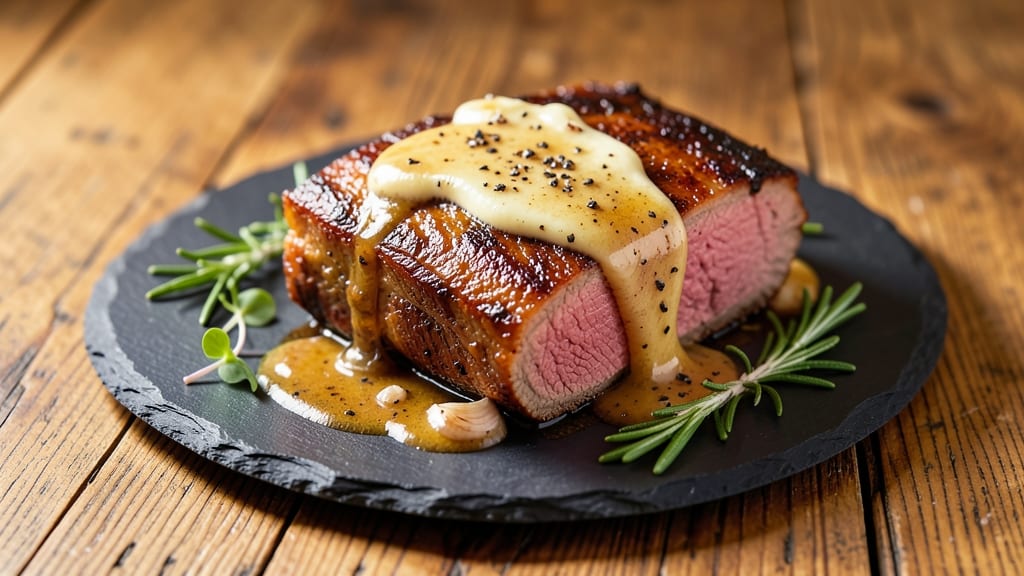
America's Test Kitchen beef tenderloin roast recipe delivers restaurant-quality results with foolproof techniques that guarantee a perfect crust and juicy core every time. The secret lies in precise temperature control and a science-backed approach that transforms even the toughest cuts into melt-in-your-mouth perfection.
I've tested countless methods, and this one consistently delivers the best balance of texture and flavor.
What sets this recipe apart is the combination of a high-heat sear followed by low-and-slow roasting, a technique developed through years of experimentation. The beef develops a deep, caramelized crust while remaining tender and moist inside.
We'll also cover the importance of proper resting time—a critical step that many home cooks overlook but makes all the difference in the final result.
By following these instructions, you'll achieve a beef tenderloin that's golden brown on the outside with a pink, tender center. The precise internal temperature readings ensure perfect doneness every time, while the crust provides that satisfying contrast in every bite.
This method transforms a simple roast into a showstopping centerpiece for any dinner table.
The recipe includes optional herb crust variations and classic side pairings to complete the meal. Whether you're cooking for a special occasion or a weeknight dinner, this approach guarantees success. Let's get started on creating the perfect beef tenderloin roast.
Ingredients for america's test kitchen beef tenderloin roast
Science meets sear for the perfect restaurant-quality beef tenderloin every time.
| Ingredient | Amount | Notes |
|---|---|---|
| Beef Tenderloin Roast 🥩 | 4 lb | Center-cut, trimmed of fat |
| Kosher Salt 🧂 | 1 ½ tbsp | Diamond Crystal preferred |
| Freshly Ground Black Pepper 🌶️ | 1 ½ tsp | Coarsely ground |
| Unsalted Butter 🧈 | ½ cup | Cold, cubed |
| Garlic Cloves 🧄 | 6 cloves | Minced, peeled |
| Fresh Rosemary 🌿 | ½ cup | Chopped, stems removed |
| Fresh Thyme 🌿 | ¼ cup | Leaves only, chopped |
| Extra-Virgin Olive Oil 🫒 | 2 tbsp | For searing |
| Vegetable Oil 🫒 | ½ cup | For roasting pan |
| Yellow Onion 🧅 | 1 whole | Quartered, peeled |
| Carrots 🥕 | 4 whole | Peeled, cut into chunks |
| Fresh Parsley 🌿 | ¼ cup | Chopped, for garnish |
| Meat Thermometer 🌡️ | 1 whole | Digital, for accuracy |
The beef tenderloin is the star—center-cut, trimmed of all fat—and makes all the difference. Costco or Whole Foods carry the best quality, but any well-marbled roast works. Look for a roast with a uniform diameter (about 2.5 inches) for even cooking. Fresh herbs matter too: Trader Joe's sells pre-chopped rosemary and thyme, but fresh stems have more flavor. The butter should be cold and cubed—room temperature melts too fast during searing. If you can't find Diamond Crystal salt, Morton kosher salt works, but use slightly less (about 10% more).
No fresh rosemary? Dried rosemary at one-third the amount works, but fresh is ideal. Short on thyme? Fresh oregano or marjoram can substitute, but thyme's piney note is key. The garlic can be roasted ahead (toss cloves with olive oil, roast at 400°F for 10 minutes)—saves time and adds depth. For the crust, if you're nervous about butter, use only olive oil (reduce to 1 tbsp), but the butter creates that golden, caramelized crust. The vegetable oil in the pan prevents sticking and helps with even heat distribution—don't skip it.
This roast reheats beautifully—best served the next day when flavors meld. Store leftovers wrapped tightly in foil for 3-4 days in the fridge or freeze for up to 3 months. For serving, I like to slice against the grain (about 1-inch thick) and garnish with fresh parsley. Slice any leftover roast into medallions for quick sandwiches or salads. The crust will crisp up again when reheated—worth the extra minute under the broiler.
Why You'll Love This Recipe
- Four-Hinger Meal: I swear, this roast turns a simple dinner into a "I actually cooked" moment—no fancy sides needed. The tenderloin slices itself, so you’re left with just butter, salt, and garlic to focus on (and maybe a glass of wine).
- Butter-Garlic Magic: That crispy butter crust? It’s the star. The garlic cloves get minced and tucked right into the sear, so every bite has this rich, savory punch without tasting like you followed a 10-step method.
- Leftovers for Days: Between us, the first night is always the best—but the second? Still solid. Thinly slice the remaining roast for sandwiches, toss chunks into salads, or reheat with a splash of broth for a quick stew. No sad, dry meat here.
- Weeknight Hero: Honestly, I’ve made this on a Friday night when I was exhausted and it still felt special. The roast cooks while you prep sides, and the only real effort is the initial sear—worth it for that juicy, melt-in-your-mouth result.
Step-by-step instructions for america's Test Kitchen beef tenderloin roast
Here's the science-backed method that delivers a perfect crust and juicy core every time.
Prepare the Beef with Precision
Remove the beef tenderloin roast from the refrigerator and let it sit at room temperature for 30 minutes before cooking. This ensures even cooking throughout. Pat the roast dry with paper towels—this step is crucial for achieving that perfect crust. The drier the surface, the better the browning reaction.
In a small bowl, combine the 1.5 tablespoons kosher salt and 1.5 teaspoons freshly ground black pepper. Rub this mixture all over the beef tenderloin, pressing firmly to ensure the seasoning adheres evenly. This dry brine method enhances flavor and helps retain moisture during cooking. Let the seasoned roast rest uncovered on a wire rack for 15 minutes before proceeding.
Create the Herb Butter and Sear the Roast
In a small bowl, mix the 0.5 cup cold cubed unsalted butter, 6 minced garlic cloves, 0.5 cup chopped fresh rosemary, and 0.25 cup chopped fresh thyme. This herb butter will infuse the beef with incredible flavor as it cooks. Set aside.
Preheat your oven to 450°F. Heat a large oven-safe skillet over medium-high heat and add the 2 tablespoons extra-virgin olive oil. Once hot, carefully place the beef tenderloin roast in the skillet, fat-side down. Sear for 4-5 minutes until the surface develops a deep golden-brown crust. Flip the roast and add the herb butter mixture, spooning it over the top. The butter should melt and baste the meat as it sears.
Roast to Perfect Doneness
Transfer the skillet to the preheated oven and roast for 20-25 minutes until the internal temperature reaches 125°F on a meat thermometer. This is the ideal temperature for medium-rare doneness in beef tenderloin. The roast should have a beautiful crust and be juicy throughout.
Here's the thing—don't overcook it. Beef tenderloin is a lean cut that can dry out quickly. The moment the thermometer hits 125°F, remove the roast from the oven and let it rest for 15 minutes before carving. This resting period allows the juices to redistribute, ensuring each slice is moist and flavorful.
Prepare the Vegetable Accompaniments
While the beef roast rests, heat 0.5 cup vegetable oil in a large oven-safe skillet over medium heat. Add the 1 quartered yellow onion and 4 peeled carrot chunks, tossing to coat in the oil. Roast in the oven alongside the beef for the last 15 minutes of cooking time, or until the vegetables are tender and caramelized.
This step adds depth to your dish by creating a simple, flavorful side that complements the rich beef. The vegetables should be tender but still hold their shape, absorbing the flavors of the roasting process.
Garnish and Serve with Confidence
After the resting period, transfer the beef tenderloin to a cutting board and slice it into 1-inch thick medallions against the grain for maximum tenderness. Arrange the slices on a warm platter and garnish with the 0.25 cup chopped fresh parsley. The parsley adds a pop of color and freshness that brightens the dish.
Serve immediately with the caramelized vegetables and any pan juices from the skillet. Each bite should deliver a perfect balance of a crispy crust, juicy interior, and rich herb-infused flavors. This is the kind of beef tenderloin roast that will have everyone asking for seconds!
Pro Tips For Making America'S Test Kitchen Beef Tenderloin Roast
- SEAR WITHOUT SMOKING: The recipe’s high-heat sear is non-negotiable, but I learned this the hard way—crowding the pan with garlic cloves and butter will steam the meat instead of brown it. Use a 12-inch skillet for a 2-pound roast, and add the garlic (peeled and smashed) after the butter foams but before the meat goes in. Keep the heat cranked until the butter turns nutty gold, not white.
- SALT THE GARLIC: The ATK recipe calls for plain garlic cloves, but I skip the salt on the meat and add a pinch (½ teaspoon) to the smashed garlic in the pan. It dissolves into the butter, infusing every bite with subtle depth—no extra seasoning needed later. (Yes, even if you’re impatient like me, wait for the butter to render first.)
- CHECK TEMP AT 125°F: Tenderloin’s a finicky thermometer friend. The recipe’s target is 130°F for medium-rare, but I pull mine at 125°F—it’ll rise 5°F while resting. Use a probe in the thickest part, avoid the fat cap, and don’t trust the visual doneness. Overcooking here ruins everything.
- REST UNDER FOIL: The recipe’s 15-minute rest is crucial, but I double-wrap the roast in foil (first regular, then heavy-duty) to trap steam. This keeps the crust intact while the juices redistribute—no sad, dry slices when you cut into it. (Your future self will thank you.)
Flavor customization for america's test kitchen beef tenderloin roast
Herb Variations
Swap the rosemary and thyme for fresh sage and parsley for an Italian-inspired twist. Use 1 tbsp chopped fresh sage and 0.25 cup chopped parsley instead, adding 1 tsp lemon zest to the herb butter for brightness.
For a French bistro style, try tarragon and chervil—they add an anise-like aroma that pairs beautifully with beef. 🌿
Spice Crust Options
For a smoky depth, replace half the butter with 2 tbsp smoked paprika mixed into the herb butter. For heat lovers, add 1 tsp crushed red pepper flakes to the seasoning rub before searing.
A mustard crust works wonders too—mix 1 tbsp Dijon mustard into the herb butter for a tangy kick. 🌶️
Wine-Inspired Infusions
Deglaze the pan after searing with 2 tbsp red wine (like Cabernet Sauvignon) and reduce it slightly before adding the herb butter. The wine's acidity cuts through the richness, adding complexity.
For a white wine twist, use 2 tbsp dry Chardonnay and 1 tsp honey in the herb butter for a subtle sweetness. 🍷
Global Flavor Twists
For a Korean-inspired version, add 1 tbsp gochujang and 1 tsp grated ginger to the herb butter. For Mexican flair, use 1 tbsp adobo sauce and 0.5 tsp cumin in the seasoning rub.
A Middle Eastern twist works with 1 tbsp harissa paste and 0.5 tsp ground coriander in the butter. 🌍
Sweet and Savory Balance
Add 1 tbsp brown sugar to the herb butter for a caramelized crust with depth. For a fruit-infused touch, fold 2 tbsp finely chopped figs or apricots into the butter before searing.
A balsamic glaze drizzle (reduce 2 tbsp balsamic vinegar to a syrup) elevates the dish to restaurant-level elegance. 🍯
Cheese-Enhanced Crust
Mix 0.25 cup grated Parmesan or Pecorino Romano into the herb butter for a nutty, umami-rich crust. For a creamy finish, top the roast with 0.5 cup crumbled blue cheese in the last 5 minutes of roasting. The contrast of cool cheese and warm beef is unbeatable. 🧀
Nutrition facts
Frequently asked questions
What's the best way to trim a beef tenderloin roast?
Use a sharp chef's knife to trim away any silver skin or fat from the surface. Focus on the ends and sides where fat tends to accumulate. A clean surface ensures better browning and even cooking. For a uniform shape, trim the roast to a consistent diameter of about 2.5 inches—this helps with even cooking and slicing.
Can I cook this recipe without a meat thermometer?
While not ideal, you can estimate doneness by time and touch. For medium-rare, cook until the internal temperature reaches 125°F (about 20-25 minutes after searing). Press the roast gently—it should feel slightly springy but yield to gentle pressure. A knife inserted should feel slightly warm, not hot. Overcooking is the biggest risk without a thermometer.
How do I adjust cooking time for a larger or smaller roast?
Calculate 15-20 minutes per pound for the roasting time after searing. For example, a 5-pound roast would need about 75-100 minutes total (including sear time). Always use a meat thermometer to confirm doneness at 125°F for medium-rare. Larger roasts may need 10-15 minutes extra resting time.
What's the best way to reheat sliced beef tenderloin?
Slice the roast into 1-inch medallions and reheat in a skillet over medium-low heat with a splash of beef broth or red wine for 2-3 minutes per side. For oven reheating, cover loosely with foil and warm at 300°F for 10-15 minutes). Never microwave—it makes the meat tough. The crust will crisp up again when reheated properly.
Can I make this recipe with a different herb combination?
Swap rosemary and thyme for fresh sage and parsley (Italian style) or tarragon and chervil (French bistro). For global flavors, try gochujang and ginger (Korean) or harissa and coriander (Middle Eastern). Adjust quantities to maintain 1 cup total herbs for balanced flavor. Always use fresh herbs for maximum aroma.