
Side Dishes
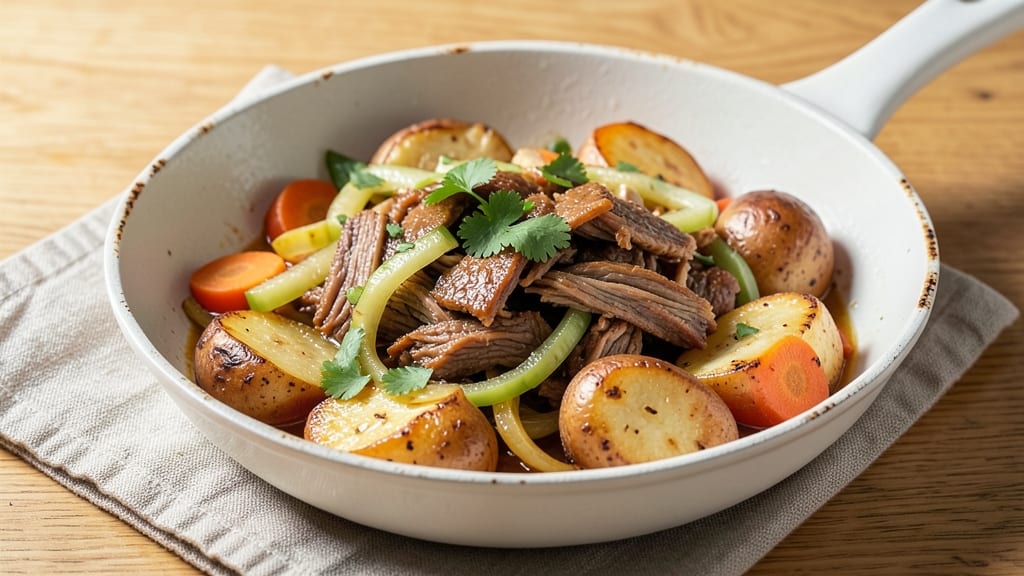
This ampalaya and corned beef recipe brings the comforting flavors of Filipino home cooking to your table with its perfect balance of tender pork and silky green vegetables.
The bitterness of ampalaya (bitter melon) is beautifully balanced by the savory richness of corned beef, creating a dish that's both hearty and satisfying. What makes this recipe special is how it transforms simple ingredients into a flavorful stew that's perfect for a weeknight dinner or a special family meal.
The cooking process is straightforward yet rewarding. You'll start by sautéing onions and garlic to build a flavorful base, then add the corned beef and vegetables for a gentle simmer that infuses every bite with rich, savory notes.
The ampalaya softens into tender, silky pieces that retain just a hint of their natural bitterness, while the potatoes and carrots add hearty texture. This dish is a great way to use leftovers or bulk ingredients efficiently, making it both practical and delicious.
By the time you're done, you'll have a steaming pot of ampalaya and corned beef that's packed with flavor and ready to be served with steamed rice.
The aroma alone will have everyone at the table anticipating the first bite, and the combination of textures—tender pork, soft vegetables, and silky ampalaya—makes every spoonful a delight. This recipe is a celebration of Filipino comfort food, brought to life in your own kitchen.
Whether you're serving it to family or friends, this dish is sure to impress. The simplicity of the ingredients doesn't compromise the depth of flavor, and the method is foolproof for achieving restaurant-quality results at home. Let's get started on creating this comforting and flavorful meal.
Ingredients for ampalaya corned beef
Simple ingredients, bold Filipino flavors—this dish delivers comfort in every bite.
| Ingredient | Amount | Notes |
|---|---|---|
| Ampalaya (Bitter Melon) 🥒 | 1 lb | Fresh, peeled and sliced thin |
| Corned Beef 🥩 | 1 lb | Pre-cooked, thick-cut preferred |
| Yellow Onions 🧅 | 1 whole | Medium size, thinly sliced |
| Garlic Cloves 🧄 | 4 cloves | Minced for aromatic base |
| Russet Potatoes 🥔 | 2 medium | Peeled and cubed evenly |
| Carrots 🥕 | 2 medium | Peeled and sliced into rounds |
| Tomatoes 🍅 | 2 medium | Ripe, quartered for stew |
| Bay Leaves 🌿 | 2 whole | Fresh for subtle aroma |
| Salt 🧂 | 1 ½ tsp | Adjust to taste |
| Black Pepper 🌶️ | ½ tsp | Freshly ground preferred |
| Vegetable Oil 🫒 | 2 tbsp | For sautéing onions |
| Water 💧 | 2 cups | Or vegetable broth |
| White Vinegar 🍶 | 1 tbsp | Balances bitterness |
| Sugar 🍚 | 1 tsp | Optional, for sweetness |
Ampalaya is the star here, so pick firm, vibrant green melons—they should feel heavy for their size. Asian grocery stores usually carry the best selection, but regular supermarkets work too. If you can't find fresh, frozen ampalaya (thawed and drained) is a decent substitute. The corned beef should be thick-cut for better texture—pre-cooked brands like Hormel are easiest. For the potatoes and carrots, smaller sizes ensure even cooking without overcrowding the pot. Bay leaves add depth, but skip them if you're sensitive to their flavor.
No ampalaya? Substitute with zucchini or okra, though the texture will differ. Short on corned beef? Pork shoulder or smoked sausage works in a pinch. For a vegetarian version, swap the meat for extra firm tofu or mushrooms. The tomatoes can be canned (drained) if fresh aren't available—Muir Glen is a reliable brand. If your dish tastes too bitter, add a splash more white vinegar or a pinch of sugar. The water can be replaced with vegetable or chicken broth for extra richness.
This stew tastes even better the next day as flavors meld. Store in an airtight container in the fridge for up to 4 days, or freeze for 3 months. I like to double the recipe and portion into containers—perfect for quick lunches. The ampalaya softens further when reheated, so add a splash of water if it thickens too much. Serve with steamed rice to soak up every last bit of that savory broth.
Why You'll Love This Recipe
- One-Pot Magic: I swear by this recipe—just toss everything in one pot, and the corned beef melts into the ampalaya like it’s been simmering for hours. No chopping boards to wash, no extra pans to scrub. That’s my kind of cooking.
- Bitter-Sweet Balance: The ampalaya’s sharp edge softens into something almost sweet when it cooks with the salty, savory corned beef. Add a splash of soy sauce or a pinch of sugar, and suddenly, you’ve got a dish that’s ridiculously good without trying too hard.
- Leftovers That Beg for More: This recipe actually improves the next day—yes, really. The flavors meld overnight, and reheating it turns it into something even heartier. I keep a jar in the fridge just for lazy mornings when I need something filling.
- Budget Feast: Corned beef and potatoes stretch this into a full meal for four, and ampalaya adds that extra wow without breaking the bank. Honestly, it’s the kind of dish that makes grocery day feel like a win—especially when you’re feeding a crowd.
Step-by-step instructions for ampalaya and corned beef stew
This method balances bitter melon's sharpness with rich corned beef for a harmonious, hearty dish.
Prepare the Ampalaya and Base Vegetables
Begin by peeling the 1 lb ampalaya (bitter melon) and slicing it into ¼-inch thick rounds. Immediately soak the slices in cold water for 10 minutes to reduce bitterness—this is crucial for balancing the dish's flavors. While the ampalaya soaks, peel and cube the 2 medium russet potatoes into ½-inch pieces and slice the 2 medium carrots into ¼-inch rounds. Quarter the 2 medium tomatoes and set all prepared vegetables aside.
Real talk: Don't skip the soaking step. Ampalaya's bitterness can overpower the dish if left untreated. After soaking, drain and pat dry with paper towels—this prevents the stew from becoming watery. I like to work quickly here because ampalaya oxidizes fast, turning brown and losing its fresh taste.
Sauté Aromatics and Corned Beef
Heat 2 tbsp vegetable oil in a large pot over medium heat until shimmering. Add the 1 whole yellow onion (thinly sliced) and cook for 5-6 minutes until softened and translucent. Stir in the 4 minced garlic cloves and cook for 30 seconds until fragrant—this prevents the garlic from burning, which would make the stew bitter.
Add the 1 lb corned beef (cut into ½-inch cubes) to the pot and brown lightly for 2-3 minutes on all sides. This step develops deep, savory flavors that form the stew's foundation. I press the beef down gently with a wooden spoon to ensure even browning without breaking the pieces apart.
Build the Stew Base
Pour in the 2 cups water and add the 1 tbsp white vinegar and 1 tsp sugar. The vinegar brightens the dish while the sugar subtly balances the bitterness. Stir in the 1.5 tsp salt, 0.5 tsp black pepper, and 2 whole bay leaves, then bring the mixture to a gentle boil over medium-high heat. Once boiling, reduce heat to low and simmer for 10 minutes to allow the flavors to meld.
Here's the thing—adding vinegar and sugar early prevents the ampalaya's bitterness from dominating. The bay leaves infuse subtle earthy notes, while the sugar isn't sweet enough to overpower but just enough to round out the flavors. Don't rush this simmering step; patience ensures the stew develops depth.
Add Vegetables and Simmer
Add the drained ampalaya, potatoes, carrots, and tomatoes to the pot. Stir gently to combine, then return to a simmer over low heat. Cover partially with a lid and cook for 25-30 minutes, stirring occasionally, until the potatoes are tender and the ampalaya is just slightly softened—it should still hold its shape but become more pliable. The stew should reduce slightly, creating a thick, velvety consistency.
Watch the color as it simmers. The ampalaya will turn a vibrant green, while the tomatoes add a deep red hue. If the stew looks too thin after 20 minutes, uncover it and let the liquid reduce further—this is normal as the vegetables release starch. The key is maintaining a gentle simmer; too high heat will make the ampalaya mushy and lose its texture.
Finish and Adjust Seasoning
Remove the 2 whole bay leaves and taste the stew. Adjust seasoning with additional salt or pepper if needed—this dish should balance the rich corned beef with the bright, slightly bitter ampalaya. Let the stew sit off heat for 5 minutes to allow the flavors to settle before serving. The resting period ensures the vegetables absorb the flavors evenly.
Serve the stew hot, ideally with steamed rice to soak up the rich, savory broth. The contrast of the silky green ampalaya against the deep red tomatoes and the tender corned beef creates a visually stunning and flavorful dish. This method guarantees a harmonious blend where no single ingredient overpowers the others.
Pro Tips For Making Ampalaya Corned Beef
- Sear the Corned Beef: DESCRIPTION: Hit the pan hard for 3-4 minutes on each side before simmering—this locks in flavor and keeps the meat from turning mushy when it cooks later. I used to skip this, and the beef always ended up dry, even with all the broth.
- Score the Ampalaya: DESCRIPTION: Cut the bitter melon lengthwise and make shallow crosshatches with a knife—it cooks faster and soaks up the sauce better without falling apart. (Yes, even if it looks like you’re carving a Thanksgiving turkey.)
- Parboil the Potatoes: DESCRIPTION: Boil the russets for 5 minutes first, then add them to the stew—this guarantees they stay firm instead of disintegrating into the sauce. I learned this after one disastrous batch where the potatoes turned to mush.
- Use Cold Corned Beef: DESCRIPTION: Pull the corned beef straight from the fridge and pat it dry before searing—it crisps up better and doesn’t steam in the pan. (Trust me, your future self will notice the difference.)
Make-ahead tips for ampalaya corned beef
Prep Ahead
Start by prepping all vegetables the night before—peel and slice the ampalaya, potatoes, and carrots, then store them in separate airtight containers in the fridge. This saves 30 minutes of prep time on cooking day.
I like to soak the ampalaya slices overnight in water with a splash of white vinegar—this reduces bitterness even more effectively than the 10-minute soak mentioned in the recipe. 💫
Corned Beef Pre-Cook
Corned beef can be pre-cooked and sliced into ½-inch cubes up to 2 days ahead. Store it in the fridge in an airtight container with a sprinkle of salt and pepper to keep it flavorful.
This works especially well if you're making a big batch—just reheat the beef in a skillet for 3-4 minutes before adding it to the stew. Pro tip: Use leftover corned beef from a sandwich to save money!
Flavor Base Prep
Make the aromatic base—sautéed onions and garlic—a day ahead and store it in the fridge. When ready to cook, simply reheat it in the pot with 2 tbsp vegetable oil over medium heat for 2 minutes.
This shortcut cuts 10 minutes off your cooking time. I also like to pre-mix the salt, pepper, and bay leaves in a small container so they're ready to go. 🌿
Freezer-Friendly Components
For a true make-ahead meal, freeze the fully cooked stew in quart-sized freezer bags or airtight containers. Label with the date—it keeps for 3 months. When reheating, thaw overnight in the fridge, then warm on the stovetop over low heat with ¼ cup water to prevent drying.
The ampalaya will soften further, but the dish still tastes amazing. I often make 2-3 batches at once for quick weeknight meals.
Portion Control
Divide the stew into individual portions before freezing or storing in the fridge. Use 1-cup portions for single servings or 2-cup portions for larger meals. This makes it easy to grab and reheat—just pop a portion into a pot with a splash of water and warm through.
I like to keep a few portions on hand for lazy days when I don't feel like cooking from scratch. The flavors actually improve after reheating as the ampalaya absorbs more of the savory broth. ✨
Nutrition facts
Frequently asked questions
Why does my ampalaya stew taste too bitter?
The bitterness comes from the ampalaya itself, but soaking slices in cold water for 10-15 minutes before cooking helps reduce it. If it's still too strong, add 1 extra tablespoon of white vinegar or ½ teaspoon of sugar to balance the flavors. The corned beef and tomatoes naturally counterbalance the bitterness as they simmer.
Can I use canned ampalaya instead of fresh?
Yes! Canned ampalaya works perfectly—just drain it well and skip the soaking step. For best results, choose canned ampalaya with minimal added water. Add it to the stew during the final 15 minutes of cooking to prevent it from becoming too soft. The texture will be slightly different but still delicious.
How do I make this dish less salty?
If the corned beef is already salty, reduce the added salt to ½ teaspoon and use vegetable broth instead of water to build the stew. For extra freshness, add 1 chopped tomato or 2 tablespoons of tomato paste to add brightness without more salt. Taste as you go—simmering longer helps dilute the saltiness.
What’s the best way to reheat leftovers?
Reheat gently on the stovetop over low heat with 2-3 tablespoons of water to prevent drying. If using the microwave, cover with a damp paper towel and heat in 30-second intervals, stirring between each. The stew tastes even better the next day as flavors meld! Store leftovers in an airtight container for up to 4 days.
Can I make this dish spicier?
Add ½ teaspoon of chili flakes or 1-2 slices of fresh chili (like siling labuyo) when sautéing the onions. For heat lovers, stir in 1 tablespoon of soy sauce or ½ teaspoon of ground black pepper at the end. Adjust to taste—Filipino stews often balance heat with sweetness, so a pinch of sugar helps too.