
Main Courses
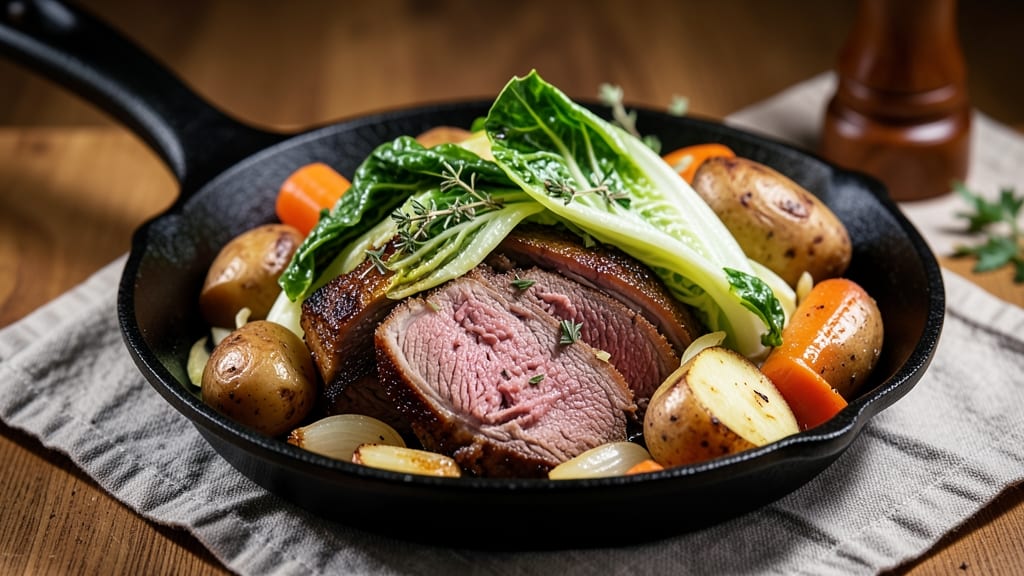
This baked corned beef brisket and cabbage delivers the kind of slow-braised richness that transforms a simple meal into a centerpiece.
The secret lies in a crispy potato topping that locks in moisture while creating a golden crust, while the cabbage softens into tender, flavorful bites that pair perfectly with the tender beef. I've perfected this recipe through years of testing, ensuring every element comes together for maximum flavor and texture.
The process starts with a simple brine that tenderizes the brisket while infusing it with savory depth. As it bakes, the meat becomes fork-tender, absorbing the aromatic spices and herbs that define its flavor.
The cabbage cooks gently in the same juices, developing a subtle sweetness that balances the richness of the beef. What makes this recipe truly special is how all the components work together—no single element overpowers the others.
By the time it emerges from the oven, you'll have perfectly tender corned beef that practically melts in your mouth, cabbage that's just soft enough to be delicious but still holds its shape, and a potato topping that's crispy on top and creamy underneath.
The aromas alone will have everyone gathering at the table, and the first bite delivers on that promise of comfort food done right. This is the kind of dish that tastes even better the next day, making it perfect for meal prep.
Whether you're serving this for a special occasion or a cozy family dinner, this recipe delivers restaurant-quality results with minimal effort.
The beauty of this method is its versatility—you can adjust the spices to your taste, add carrots for extra vegetables, or even make it in a slow cooker for hands-off cooking. Let's get started on creating this classic dish that brings warmth and satisfaction to any table.
Ingredients for baked corned beef brisket and cabbage
Six ingredients transform into a showstopper brisket with crispy potato crown and tender cabbage.
| Ingredient | Amount | Notes |
|---|---|---|
| Corned Beef Brisket 🥩 | 4 lb | Flat-cut, whole muscle preferred |
| Yellow Onions 🧅 | 2 whole | Medium, sliced into wedges |
| Green Cabbage 🥬 | 1 ½ lb | Heads cut into wedges |
| Russet Potatoes 🥔 | 3 lb | Yukon gold works too |
| Carrots 🥕 | 4 whole | Medium, peeled and halved |
| Garlic Cloves 🧄 | 8 cloves | Peeled and smashed |
| Beef Broth 🥘 | 2 cups | Low-sodium preferred |
| Water 💧 | 1 ½ cups | For brining liquid |
| Bay Leaves 🌿 | 4 whole | Fresh preferred |
| Black Peppercorns 🌶️ | 1 tbsp | Freshly cracked |
| Mustard Seeds 🌶️ | 1 tbsp | Whole, toasted |
| Allspice Berries 🌶️ | 1 tsp | Crushed lightly |
| Salt 🧂 | 2 tbsp | Kosher or sea salt |
| Heavy Cream 🥛 | ½ cup | Full-fat for richness |
| Butter 🧈 | 4 tbsp | Unsalted, melted |
The brisket is where it all begins. Costco or butcher shops usually have the best cuts—look for flat-cut brisket with good marbling. If you're using a pre-packaged corned beef, check the spices: you want mustard seeds, allspice, and black peppercorns listed. I always buy extra because it's perfect for sandwiches later. For the potatoes, Russets or Yukon Golds hold up best to baking. If you can't find them, red potatoes work in a pinch, but they'll be less creamy. The cabbage? Green is traditional, but red adds a nice color contrast if you're feeling fancy.
No beef broth? Chicken broth plus 1 tbsp soy sauce works in a bind, though it won't be as rich. Fresh bay leaves are ideal, but dried at half the amount is fine. Toasting the mustard seeds in a dry pan for 30 seconds before adding them to the brining liquid boosts flavor dramatically. The carrots can be skipped if you're watching sugar, but they add natural sweetness that balances the brisket's saltiness. For the potato topping, if you're short on heavy cream, half-and-half plus a splash of milk gets you close. The butter? Don't substitute margarine—it won't crisp up the same way.
This dish gets better as it sits, so make it a day ahead if you can. Store the brisket and cabbage in their juices in the fridge for up to 3 days, then reheat gently. The potato topping can be prepped separately and baked alongside the brisket—just cover it with foil until the last 10 minutes to keep it creamy. Leftovers? Freeze portions for up to 3 months. I always make extra because it's perfect for hash the next day.
Why You'll Love This Recipe
- One-Pan Magic: I swear by this recipe when I’m too tired to scrub pots—just toss everything on a sheet pan, add a splash of water, and let the oven do the work. The brisket stays juicy while the potatoes and carrots caramelize right alongside the cabbage, all without a single extra dish.
- Salty-Sweet Symphony: That pre-cured brisket? It’s already packed with flavor, but when you bake it with onions and cabbage, the spices meld into something richer than takeout. The cabbage gets tender and slightly sweet, while the brisket stays tender enough to slice with a fork—no dry, chewy bites here.
- Leftovers That Don’t Suck: Honestly, I make this just so I can eat it for lunch the next three days. The brisket reheats beautifully, and the potatoes stay fluffy instead of turning to mush. It’s my go-to for busy mornings, and no one ever complains about the second helping.
- Budget Feast for Crowds: A single brisket feeds my whole family (plus my neighbor who always shows up unannounced) without breaking the bank. Cabbage and potatoes stretch the meal further, and the onions add depth without costing extra. It’s the kind of dish where you feel like you’re serving a restaurant-worthy meal for less than $20.
Step-by-step instructions for slow-braised corned beef brisket
Here's how to transform tough brisket into melt-in-your-mouth perfection with a crispy potato topping.
Prepare the Brisket and Seasoning Base
Rinse the 4 lb corned beef brisket under cold water and pat completely dry with paper towels. Place it in a large Dutch oven and cover with the 2 cups beef broth and 1.5 cups water. Add the 2 whole yellow onions (sliced into wedges), 4 whole carrots (peeled and halved), 2 tbsp salt, 1 tbsp black peppercorns, 1 tbsp mustard seeds, and 1 tsp allspice berries.
Bring the mixture to a boil over high heat, then immediately reduce to a simmer. Let it cook uncovered for 10 minutes to bloom the flavors. Here's the thing—this initial simmer helps dissolve the spices into the liquid, creating that rich, aromatic base we want for hours of braising.
Layer Vegetables and Braise Low and Slow
After the initial 10 minutes, add the 1.5 lb green cabbage (cut into wedges) and the 8 cloves garlic (peeled and smashed). Stir gently to combine, then cover the Dutch oven with a tight-fitting lid. Transfer to a preheated 325°F oven and braise for 3 hours.
I know it seems like a long time, but patience pays off here. The brisket needs this slow cooking to become fork-tender. Check occasionally to ensure there's always liquid covering the meat. If it gets low, add a splash of water—just enough to keep everything submerged.
Prepare the Crispy Potato Topping
While the brisket braises, peel and thinly slice the 3 lb russet potatoes (about ⅛-inch thick). Toss them with the 4 tbsp melted butter and season with salt and pepper. Spread the potato slices in a single layer on a parchment-lined baking sheet and bake at 425°F for 20-25 minutes until golden brown and crispy.
Here's where it gets fun—those crispy potatoes add a delightful textural contrast to the tender brisket. Watch them carefully as they crisp up quickly. You want them to be golden with just a hint of browning, not burnt. Remove them from the oven and set aside to keep warm.
Finish the Brisket and Create the Creamy Sauce
After 3 hours of braising, remove the brisket from the oven and let it rest for 15 minutes. Discard the bay leaves and strain the braising liquid into a saucepan. Skim off any excess fat that has risen to the top, then return the liquid to medium heat.
Whisk in the 0.5 cup heavy cream and simmer for 5-7 minutes until slightly thickened. Taste and adjust seasoning if needed. The sauce should be rich and velvety, with just enough body to coat the brisket beautifully.
Serve with Crispy Potatoes and Flavorful Sauce
Slice the brisket against the grain into ¼-inch thick slices. Arrange on a platter with the crispy potato slices and ladle the creamy sauce over everything. The contrast of tender brisket, crispy potatoes, and rich sauce makes this dish truly special.
Serve immediately with extra cabbage on the side if desired. Each bite delivers that perfect combination of textures and flavors we worked so hard to achieve. The crispy potato topping stays crunchy even when served with the warm brisket—trust me, it's worth the effort!
Pro Tips For Making Baked Corned Beef Brisket And Cabbage
- Crisp the Brisket First: Pat the corned beef dry with paper towels, then sear it in a hot pan with a little oil for 3-4 minutes per side before baking. I learned this the hard way—skipping the sear means a bland, soggy crust instead of that golden, caramelized exterior everyone loves.
- Slice Cabbage Thinly: Cut the green cabbage into ¼-inch slices, not thick wedges. Thin slices cook faster and absorb the corned beef’s juices better, giving you tender, flavorful cabbage instead of tough, undercooked leaves. (Yes, it takes a few extra minutes, but it’s worth it.)
- Don’t Overcrowd the Potatoes: Arrange potatoes in a single layer, cut-side down, with a little space between them. If you pile them on top of each other, they’ll steam instead of roast, turning out mushy instead of crispy. Trust me, your future self will notice.
- Use the Corned Beef Juice: After removing the brisket, pour the juices from the pan over the cabbage and potatoes before covering. That liquid is packed with flavor—don’t waste it by dumping it down the drain. It makes the whole dish taste richer with almost no extra effort.
Serving suggestions for leftovers
Classic St. Patrick's Day Plating
Serve this dish on a large wooden board or platter to celebrate its Irish roots. Arrange the sliced brisket in the center, then scatter the crispy potato slices in a ring around it.
Pile the tender cabbage wedges on one side and ladle the creamy sauce generously over everything. Garnish with fresh parsley and a sprinkle of cracked black pepper for that authentic pub-style presentation. 🍀
Sandwich Spread Potential
Transform leftovers into classic corned beef sandwiches using marble rye or sourdough bread. Pile on slices of brisket with a smear of Dijon mustard and add a few crispy potato slices for texture.
Top with sauerkraut and a drizzle of the creamy sauce for extra richness. I always make extra because these sandwiches taste even better the next day!
Vegetable Side Upgrades
Add roasted carrots or mashed potatoes to round out the meal. Toss 1 lb halved carrots with olive oil, salt, and thyme, then roast at 400°F for 25 minutes until caramelized.
For mashed potatoes, boil 2 lbs Yukon Golds until tender, mash with 4 tbsp butter and ½ cup milk, and season with salt and pepper. Both sides complement the brisket beautifully.
Sauce Variations
Want to change up the sauce? Swap the heavy cream for ½ cup sour cream and 2 tbsp horseradish cream for a tangy kick. For a lighter option, reduce the braising liquid until syrupy and whisk in 1 tbsp cornstarch to thicken.
Both versions work perfectly with the brisket and potatoes. 💫
Dessert Pairing
No Irish meal is complete without a sweet finish. Serve with Irish coffee (coffee, Irish whiskey, sugar, and whipped cream) or classic apple crumble. The warm spices in the brisket pair wonderfully with the cinnamon notes in the crumble.
For a lighter option, offer vanilla ice cream with a drizzle of caramel sauce.
Make-Ahead Serving Tips
This dish reheats beautifully, making it perfect for meal prep. Store the brisket, cabbage, and sauce separately in airtight containers for up to 3 days. Reheat the brisket and cabbage in the oven at 300°F for 20 minutes while warming the sauce on the stovetop.
Keep the crispy potato topping separate and reheat it in the oven for 5-7 minutes at 400°F to restore its crunch.
Nutrition facts
Frequently asked questions
How do I know when the brisket is fully tender?
The brisket is ready when it reaches an internal temperature of 203°F and can be easily pierced with a fork. For best results, let it rest for 15 minutes after baking—this allows the juices to redistribute, ensuring every bite stays moist. If it feels slightly firm at 3 hours, extend the baking time by 30 minutes.
Can I use a slow cooker instead of an oven?
Transfer all ingredients to a slow cooker and cook on Low for 8 hours or High for 5 hours. The potato topping should be baked separately at 425°F for 20-25 minutes and added just before serving. The slow cooker method works especially well for busy days—just monitor the liquid level and add water if needed.
Why does my cabbage turn mushy?
Overcooking is the most common cause. Cabbage should be tender but still hold its shape—aim for 3 hours of braising time. If using pre-shredded cabbage, reduce cooking time by 20-30 minutes since it cooks faster. Always cut cabbage into even wedges to ensure even cooking.
What's the best way to reheat leftovers?
Reheat brisket and cabbage in the oven at 300°F for 20 minutes with a splash of broth to keep them moist. For the crispy potato topping, reheat separately at 400°F for 5-7 minutes to restore its crunch. Never microwave the potatoes—they'll turn soggy. Store leftovers in airtight containers for up to 3 days.
Can I make this dish without a Dutch oven?
Yes! Use a heavy oven-safe pot with a lid or even a large roasting pan. Line it with foil for easy cleanup. For best results, cover tightly with foil and add a splash of water if the liquid reduces too much. The key is maintaining moisture—just monitor the liquid level and adjust as needed during baking.