
Main Courses
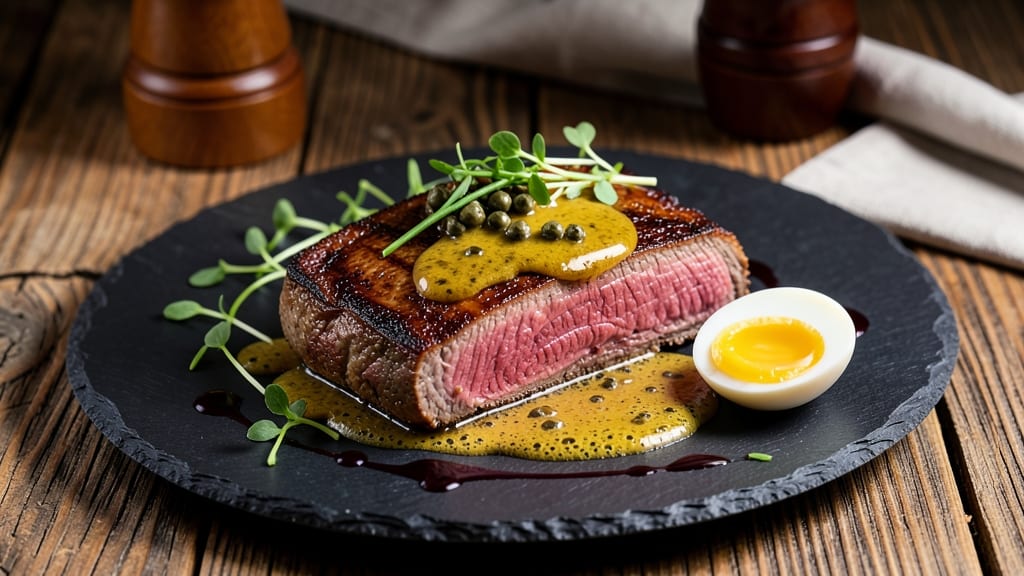
This angus beef filet mignon recipe delivers a buttery-crisp crust and melt-in-your-mouth tenderness—exactly what makes it the ultimate steakhouse centerpiece. The reverse-sear method guarantees perfect results every time, even for home cooks.
I’ve perfected this technique after years of testing, ensuring the internal temperature stays ideal while the exterior develops that coveted golden crust.
The secret lies in two stages: first, a gentle oven cook to bring the steak to near-done temperature, then a quick sear in a screaming-hot cast-iron skillet. This method prevents overcooking while creating that restaurant-quality crust.
Seasoning is simple—just salt and pepper—but the timing and heat control make all the difference. For medium-rare, aim for an internal temperature of 125–130°F, and let the steak rest before slicing to lock in juices.
Pair this steak with a bold red wine reduction, roasted garlic mashed potatoes, or a crisp arugula salad for a complete meal. The reverse-sear technique works equally well on the grill or stovetop, making it versatile for any occasion.
Whether you're cooking for a special dinner or treating yourself, this method ensures a steak so perfect, it’ll impress even the most discerning guests.
Ready in about 30 minutes with minimal effort, this recipe transforms a simple cut of beef into a showstopper. The key is patience—don’t rush the sear, and always let the steak rest.
Trust the process, and you’ll achieve a steak that’s tender, juicy, and packed with that unmistakable beefy flavor. Let’s get cooking!
Ingredients for angus beef filet mignon
Four ingredients transform this premium cut into restaurant-quality perfection—just salt, pepper, butter, and patience.
| Ingredient | Amount | Notes |
|---|---|---|
| Angus Beef Filet Mignon 🥩 | 1 ½ lb | Center-cut, 1-1.5 inch thick slices |
| Kosher Salt 🧂 | 1 ½ tbsp | Diamond Crystal preferred, freshly ground |
| Freshly Ground Black Pepper 🌶️ | 1 tbsp | Cracked peppercorns preferred |
| Unsalted Butter 🧈 | 4 tbsp | European-style, cold and cubed |
| Extra-Virgin Olive Oil 🫒 | 2 tbsp | High smoke point, fruity variety |
| Heavy Cream 🥛 | ¼ cup | Full-fat, cold for crust |
| Fresh Thyme Leaves 🌿 | ¼ cup | Finely chopped, from sprigs |
| Garlic Cloves 🧄 | 4 cloves | Minced, fresh preferred |
| Cast-Iron Skillet 🍳 | 1 whole | 10-12 inch, well-seasoned |
| Meat Thermometer 🌡️ | 1 whole | Instant-read preferred |
| Baking Sheet 🍽️ | 1 whole | Rimmed, for oven stage |
The Angus beef filet mignon is non-negotiable here—look for USDA Prime or A5 Japanese Wagyu if you're splurging. Snake River Farms or your local butcher with dry-aged options are ideal. Thickness matters: 1-1.5 inches ensures even cooking. The steak should feel firm but springy when pressed. For the best crust, let it sit at room temperature for 30-45 minutes before cooking. I always buy extra—this cut is worth repeating. The Diamond Crystal kosher salt is key; it dissolves more easily than table salt, creating that perfect crust without over-salting.
No Diamond Crystal salt? Maldon flaky salt works beautifully for texture, though you'll need about half the amount since it's coarser. Running short on butter? Ghee or duck fat adds incredible richness—just adjust the sear time slightly. Fresh thyme wilting? Dried thyme at one-third the amount keeps the flavor, though fresh is ideal. The garlic should be freshly minced—pre-minced jars lose potency fast. For the crust, I like mixing half butter and half heavy cream for extra tenderness. If you're grilling instead of searing, use high-heat charcoal and baste with melted butter during the final minutes.
Let the steak rest 10-15 minutes after cooking—this is non-negotiable for juiciness. Store cooked steak in an airtight container with parchment between slices for up to 3 days. For longer storage, freeze portioned slices wrapped in plastic for up to 3 months. The crust loses crispness when reheated, so enjoy it fresh. Pro tip: Save the butter drippings—they're perfect for basting or making a quick pan sauce. The cast-iron skillet should be your best friend; clean it immediately after use to maintain its seasoning. This method works equally well for ribeye or strip steak—just adjust the cooking time.
Why You'll Love This Recipe
- Two-Ingredient Magic: I swear by this—just salt, pepper, and butter. That’s it. The filet’s natural richness does all the heavy lifting; I’m not even joking.
- Leftovers That Don’t Suck: Cold slices the next day? Still buttery, still tender. I slice mine thin, toss with a drizzle of olive oil, and boom—steak salad for lunch. No sad, dry meat here.
- Weeknight Win: Twenty minutes on the clock, zero stress. The butter basting takes two minutes of my time, and the rest? The steak rests while I set the table. Done. (Yes, even on a Tuesday night.)
Step-by-step instructions for perfectly seared Angus beef filet mignon
Master the reverse-sear method for restaurant-quality steaks with a buttery crust every time.
Prep and Season the Filet for Even Cooking
Remove the 1.5 lb Angus Beef Filet Mignon from the refrigerator and let it sit at room temperature for 30-45 minutes. This ensures even cooking throughout. Pat the steak dry completely with paper towels—moisture is the enemy of a good sear.
Season both sides generously with 1.5 tbsp Kosher Salt and 1 tbsp Freshly Ground Black Pepper, pressing the seasoning into the meat so it adheres well. Let the seasoned steak rest for another 15 minutes before cooking. This dry-brining step creates a perfect crust and enhances flavor penetration.
Low-Temperature Oven Roast to Core Doneness
Preheat your oven to 275°F. Place the seasoned steak on the baking sheet and insert the meat thermometer into the thickest part. Roast until the internal temperature reaches 115°F—this is the perfect starting point for the reverse-sear method.
Check the temperature frequently during the last 5 minutes of roasting. The steak should be pale pink in the center with a slight resistance when pressed. This low-and-slow approach ensures tender meat without overcooking the exterior. The entire process should take about 20-30 minutes, depending on your oven.
Create the Buttery-Thyme Crust in the Skillet
While the steak is roasting, heat the cast-iron skillet over medium-high heat until smoking hot. Add 2 tbsp Extra-Virgin Olive Oil and let it shimmer for 1 minute. Add 4 tbsp Unsalted Butter and 4 cloves Garlic Cloves, stirring constantly until the butter foams and turns golden brown.
Remove the steak from the oven and immediately add 0.25 cup Fresh Thyme Leaves to the skillet. Place the steak in the hot skillet, butter-side down, and press gently with a spatula to ensure full contact. Cook for 2 minutes until a deep golden crust forms. Flip and cook the other side for another 2 minutes.
Finish with Heavy Cream for Richness and Rest
Remove the steak from the skillet and transfer it to a warm plate. Pour the 0.25 cup Heavy Cream into the skillet and scrape up all the browned bits from the bottom with a wooden spoon. Let it reduce for 30 seconds until slightly thickened.
Pour this creamy sauce over the steak and let it rest for 5-10 minutes before slicing. This resting period allows the juices to redistribute, ensuring each bite is moist and flavorful. The crust should remain crispy while the interior stays perfectly tender.
Slice and Serve with Confidence
Using a sharp knife, slice the steak against the grain into ½-inch thick pieces. The crust should be deep golden brown and buttery, with a rich thyme aroma. Serve immediately with the creamy sauce spooned over the top.
Each slice should reveal a perfect pink center with a smoky crust that melts in your mouth. This reverse-sear technique guarantees a steak that's both tender inside and impossibly crispy outside—exactly what makes filet mignon so special.
Pro Tips For Making Angus Beef Filet Mignon
- USE A THERMOMETER: I learned this the hard way—filet mignon’s tiny and cooks fast. A meat thermometer at 125°F (medium-rare) guarantees perfect doneness every time. No more cutting into it like a nervous first-timer.
- DRY THE MEAT LIKE IT’S SNOW DAY: Pat that filet thoroughly with paper towels before searing—wet surfaces steam instead of brown. I used to skip this, and my crust always suffered. Trust me, it’s worth the extra 30 seconds.
- SALT THE BUTTER FIRST: Season the cold butter with salt before adding it to the pan. That way, every bite gets flavor, not just the outside. (Yes, even if you’re impatient like me.)
- LET IT REST UNDER FOIL: After searing, tent loosely with foil for 5 minutes—this keeps it warm while the juices redistribute. I was skeptical until I tried it: no more dry, sad-looking steaks. (Your future self will thank you.)
Wine and beer pairings for this recipe
Bold Red Wine Pairings
The rich, buttery crust and tender interior of this filet mignon demand a full-bodied red wine with similar intensity. I always reach for a Cabernet Sauvignon from Napa Valley—its dark fruit notes and velvety tannins complement the beef's natural richness.
For something slightly lighter, a Merlot from Bordeaux offers softer tannins that won't overpower the delicate thyme crust. 🍷
If you prefer Italian wines, a Barolo from Piedmont delivers earthy complexity that pairs beautifully with the steak's caramelized exterior. For a budget-friendly option, look for a Malbec from Argentina—its juicy plum flavors bridge the gap between the steak's savory crust and creamy sauce.
Beer Pairing Secrets
A bold beer can stand up to the steak's richness without competing. I love pairing this dish with a Belgian Dubbel, like Westmalle's—its caramel and dark fruit notes enhance the buttery crust.
For something lighter, a German Dunkel offers malty depth that complements the thyme and garlic in the crust. 🍺
If you're grilling instead of searing, try a smoked porter—the coffee and chocolate notes in the beer mirror the steak's smoky crust. For a crisp contrast, a German Pilsner cuts through the richness while providing a refreshing finish.
Unexpected Wine Pairings
Don't overlook Syrah/Shiraz—its peppery notes enhance the crust's depth, while Zinfandel from California brings bright berry flavors that balance the dish's richness. For a white wine option, a Chardonnay with oak aging (like a Meursault) adds buttery texture that mirrors the steak's crust. 💫
If you're serving with a red wine reduction, a Portuguese Red Blend (like Douro) offers a perfect match—its dark fruit and spice notes complement the sauce's depth. For a lighter touch, a Pinot Noir from Oregon provides elegance without overwhelming the dish.
Beer Pairing for Grilled Filet
When grilling, I switch to a smoked ale—the caramel and toasty malt notes enhance the steak's smoky crust. For a lighter option, a Belgian Witbier (like Hoegaarden) adds citrus brightness that cleanses the palate between bites.
The coriander in these beers also pairs beautifully with the thyme in the crust. 🍻
Avoid heavy IPAs or stouts—they can overpower the delicate flavors of the filet. Instead, opt for a German Helles Lager—its subtle malt sweetness and crisp finish let the steak shine without competing.
Nutrition facts
Frequently asked questions
Can I use this reverse-sear method for other steak cuts?
The reverse-sear technique works beautifully for ribeye and strip steak—just adjust the starting temperature slightly. For ribeye, aim for 110°F before searing, while strip steak can go to 115°F. The key is maintaining 1-1.5 inch thickness for even cooking. Thin cuts like flank steak won't develop the same crust, but the method still prevents overcooking.
How do I know when my filet is perfectly cooked?
Use a meat thermometer for precision: 125°F for rare, 130°F for medium-rare (ideal for filet), and 135°F for medium. The steak should feel slightly springy when pressed—if it bounces back immediately, it's perfect. For visual cues, look for a deep golden crust and a pink center with a hint of red. Never rely on cooking time alone!
What if my steak doesn't develop a good crust?
This usually means the skillet wasn't hot enough or the steak was too wet. Make sure your cast-iron is smoking hot before adding oil, and pat the steak completely dry. For extra insurance, let it sit uncovered for 15 minutes after seasoning. If the crust still fails, try adding 1 tbsp cornstarch to the butter mixture before searing.
Can I make this recipe ahead of time?
Cook the steak fresh for best results—the crust loses crispness when reheated. However, you can prep components ahead: slice and store roasted garlic in the fridge for 3 days, or make the creamy sauce in advance and reheat gently. For serving, keep the steak warm in a 200°F oven for up to 20 minutes while you finish sides.
What's the best way to serve this steak with sides?
For a classic pairing, serve with creamy mashed potatoes or truffle risotto to complement the richness. A simple arugula salad with lemon vinaigrette cuts through the fat, while grilled asparagus or roasted mushrooms add earthy contrast. For a complete meal, include a red wine reduction made from the pan drippings—just deglaze with ½ cup red wine and reduce by half.