
Main Courses
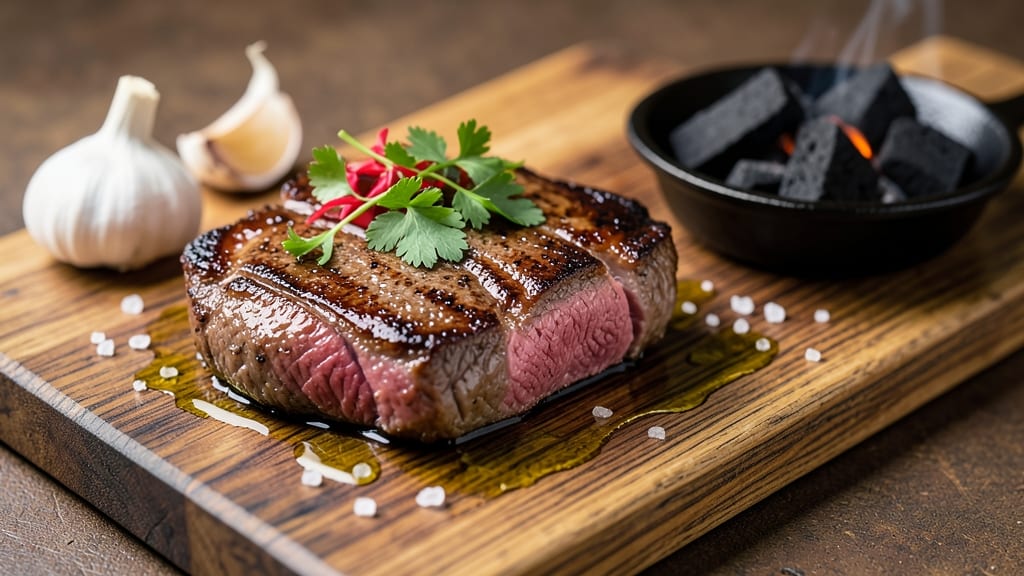
This Angus beef grilling recipe delivers the perfect balance of smoky crust and tender interior—exactly what separates backyard grilling from restaurant-quality results. After years of perfecting my technique, I’ve mastered the high-heat sear that locks in juices while creating that coveted caramelized crust.
The key? Precision timing and temperature control, not guesswork.
Start with a thick-cut steak (1.5 inches or thicker) to ensure even cooking, and let it sit at room temperature for 30 minutes before grilling.
A dry brine with coarse salt and black pepper for 12 hours enhances flavor and texture, while a reverse sear method guarantees a perfect medium-rare (130–135°F internal temperature) every time. This isn’t just grilling—it’s a science.
What you’ll end up with is a steak that sizzles when you slice it open, releasing juices that baste the meat from within. The crust is deep mahogany, with a hint of char that adds complexity, while the interior remains velvety and pink.
This is the kind of steak that makes people ask, “Where did you learn to grill like this?”
Pair it with a simple chimichurri sauce or garlic butter for extra richness, and serve with roasted vegetables or a fresh salad to let the steak shine. The secret? Confidence in the process—and a little patience. Let’s get grilling.
Ingredients for angus beef grilling
Thick-cut beef, bold seasonings, and high-heat precision create restaurant-quality steaks at home.
| Ingredient | Amount | Notes |
|---|---|---|
| Angus Beef Steak 🥩 | 1 ½ lb | Thick-cut, 1.5 inches minimum |
| Coarse Kosher Salt 🧂 | 2 tbsp | Diamond Crystal preferred |
| Freshly Ground Black Pepper 🌶️ | 1 tbsp | Cracked peppercorns preferred |
| Extra-Virgin Olive Oil 🫒 | 2 tbsp | For high-heat searing |
| Fresh Garlic Cloves 🧄 | 4 cloves | Minced for chimichurri |
| Fresh Parsley Leaves 🌿 | ½ cup | Chopped for chimichurri |
| Red Wine Vinegar 🍷 | ¼ cup | For chimichurri acidity |
| Unsalted Butter 🧈 | 4 oz | Cold for basting |
| Yellow Onion 🧅 | 1 whole | Thinly sliced for garnish |
| Fresh Rosemary Sprigs 🌿 | 2 sprigs | For grill aroma |
| Wood Chips 🔥 | ½ cup | Hickory or oak preferred |
| Charcoal Briquettes 🔥 | 20 pieces | For two-zone heat |
The Angus beef is non-negotiable here—look for USDA Prime with good marbling at Costco or your local butcher. Thickness matters: 1.5 inches minimum ensures even cooking. I always buy steaks with the fat cap intact—it renders beautifully during the sear. For the salt, Diamond Crystal flakes dissolve faster and give better texture than table salt. The pepper should be freshly cracked—pre-ground loses its punch after a few weeks. If you're buying whole peppercorns, Penzeys carry excellent varieties.
No chimichurri ingredients? Fresh basil plus extra garlic works in a pinch (swap parsley for basil at 1:1 ratio). Running short on red wine vinegar? Apple cider vinegar has a similar tang. The wood chips can be swapped for fruitwood blends if you don't have hickory or oak. For the butter basting, European-style unsalted butter (like Plugrá) has higher fat content—ideal for that silky crust. The onions? Red or yellow both work, but red adds a nice visual pop when sliced thin. And if you're grilling in cold weather, let your grill and charcoal sit for 20 minutes before cooking—temperature consistency is key.
Steaks should rest 10-15 minutes before slicing—this is where the magic happens as juices redistribute. Chimichurri keeps for 5 days in the fridge, but the flavor peaks within the first 2 days. For the wood chips, soak them in water for 30 minutes before using to prevent flare-ups. Leftover steak? Slice thin, wrap in foil, and freeze for up to 3 months. The chimichurri freezes beautifully too—just thaw in the fridge overnight. And save those onion slices—they make a great garnish for tacos or salads later in the week.
Why You'll Love This Recipe
- Five-Ingredient Magic: I swear by this combo—just salt, pepper, olive oil, and garlic. No fancy rubs or complicated steps. The steak practically cooks itself while you sip your drink and watch the grill.
- Crispy-Garlicky Perfection: That first sear on the hot grill? Unreal. Then the garlic cloves sizzle open, releasing their punch right into the meat. You’ll want to eat it straight off the plate—no shame.
- Weeknight or Weekend Star: Throw it on the grill for a lazy Sunday brunch or a quick weeknight dinner. Same recipe, different vibes. Even my picky teenage son asks for seconds when I make this.
- Leftovers That Don’t Suck: Cold slices the next day? Still delicious. Toss them in a sandwich, wrap, or salad—no one will guess it’s not fresh. And honestly, the second batch tastes just as good as the first.
Step-by-step instructions for grilling Angus beef to perfection
Here's how to transform a simple steak into a restaurant-worthy masterpiece using precise technique and bold flavors.
Prepare the Steak and Season Generously
Remove the 1.5 lb Angus Beef Steak from the refrigerator and let it sit at room temperature for 30 minutes. This ensures even cooking throughout. Pat the steak dry completely with paper towels—moisture prevents that perfect crust from forming.
Generously season both sides with 2 tbsp Coarse Kosher Salt and 1 tbsp Freshly Ground Black Pepper, pressing the seasoning into the meat so it adheres. I like to use my fingertips for this—it helps the salt penetrate deeper. This step is non-negotiable for developing that signature crust and locking in juices.
Set Up the Two-Zone Grill
Arrange the 20 pieces Charcoal Briquettes to create two distinct heat zones: one side with direct heat (for searing) and the other with indirect heat (for cooking). Soak the 0.5 cup Wood Chips in water for 30 minutes, then drain and sprinkle them over the hot coals. This adds that irresistible smoky depth to your steak.
Let the grill preheat for 15-20 minutes until the coals are covered with a thin layer of ash. The temperature should reach 450-500°F on the direct side—this is crucial for that initial sear. Place the 2 sprigs Fresh Rosemary Sprigs on the indirect side to infuse the air with aroma as the steak cooks.
Sear the Steak with Precision
Place the steak on the direct heat side of the grill, away from the flames. Sear for 4-5 minutes per side until you develop a deep, dark golden brown crust. I press down gently on the steak during the first minute—this prevents it from curling and ensures even contact with the hot grates.
After the initial sear, move the steak to the indirect heat side. This is where the magic happens—the steak will continue cooking through without burning. For medium-rare doneness, cook for an additional 8-10 minutes, checking the internal temperature with a meat thermometer. It should read 130-135°F—this is the sweet spot for tender, juicy perfection.
Baste with Butter and Aromatics
While the steak is cooking, prepare the basting mixture by combining 4 oz Unsalted Butter, 4 cloves Fresh Garlic Cloves (minced), and 0.5 cup Fresh Parsley Leaves (chopped) in a small bowl. This creates a luxurious, herb-infused butter that adds another layer of flavor.
When the steak reaches 130°F, brush the basting mixture generously over the top. The butter will melt and baste the steak, creating a glossy finish and enhancing the aroma. Let it cook for another 1-2 minutes to let the flavors meld together. This is where the steak truly becomes extraordinary.
Rest and Serve with Chimichurri
Transfer the steak to a cutting board and let it rest for 10-15 minutes. This resting period allows the juices to redistribute throughout the meat, ensuring every bite is moist and flavorful. Don't skip this step—it's the difference between a good steak and a great one.
While the steak rests, prepare the chimichurri by combining 0.5 cup Fresh Parsley Leaves (chopped), 0.25 cup Red Wine Vinegar, 2 tbsp Extra-Virgin Olive Oil, 1 tbsp Freshly Ground Black Pepper, and 1 thinly sliced Yellow Onion. Slice the steak against the grain into 0.5-inch thick portions and serve immediately with the chimichurri drizzled on top.
Pro Tips For Making Angus Beef Grilling
- SEAR HARD, THEN BACK OFF: Crank your grill to max heat first—Angus needs that initial crust, and it’ll take 2-3 minutes per side. Once you see deep brown searing, drop the temp to medium and finish cooking; rushing the high heat burns the outside before the inside cooks through.
- SALT THE NIGHT BEFORE: I used to salt steaks right before grilling, but the crust never got as crisp. Instead, sprinkle kosher salt generously (about 1 tsp per side) and let the steak sit uncovered in the fridge for 12-24 hours. The salt breaks down proteins, and the surface dries out—perfect for that golden crust.
- SKIP THE GARLIC SMASH: Minced or chopped garlic burns fast on a hot grill. Instead, slice each clove in half horizontally, peel, and rub the cut side directly onto the steak’s surface after searing. The oils caramelize without turning bitter, and you avoid the mess of garlic flakes sticking to the grill.
- REST UNDER FOIL: Angus stays juicy when you tent it loosely with foil right after grilling and let it sit for 5-10 minutes. I know, I know—you want to cut into it immediately. But slicing too soon turns that perfect melt-in-your-mouth texture into a sad, dry mess. Trust the wait.
Health benefits of this recipe
Protein Powerhouse
Angus beef packs an impressive 26 grams of protein per 3-ounce serving, making it one of the most efficient muscle-building foods you can grill.
This lean yet flavorful cut delivers all nine essential amino acids your body needs for tissue repair and immune function—perfect for post-workout meals or high-protein dinners. I always keep a few steaks on hand for my post-coastal ride protein boosts. 💪
Iron and Zinc Boost
A single 6-ounce serving of Angus beef provides 3.5mg of iron (20% of your daily needs) and 7mg of zinc (60% of daily needs). Iron supports oxygen transport in your blood, while zinc strengthens your immune system and aids in wound healing.
The high iron content makes this an excellent choice for anyone recovering from illness or intense training sessions.
Healthy Fats Matter
Contrary to old myths, the fat in Angus beef is rich in conjugated linoleic acid (CLA), a fatty acid linked to reduced body fat and improved metabolism. A 3-ounce serving contains about 12 grams of fat, but only 4 grams are saturated.
The marbling actually enhances flavor while providing these beneficial fats—just be mindful of portion sizes if you're watching your intake.
Vitamin B12 Rich
Angus beef is one of the best natural sources of vitamin B12, with a 6-ounce serving providing 50% of your daily needs. This crucial vitamin supports nerve function, red blood cell production, and energy metabolism.
I notice my energy levels stay steady when I include Angus beef in my weekly meals, especially after those long coastal rides. The B12 content makes this a brain-boosting food too.
Low-Carb, High-Flavor
With only 0 grams of carbohydrates and 0 grams of sugar, Angus beef fits perfectly into low-carb and keto diets while delivering maximum satisfaction. The natural fats and proteins help keep you full for hours, making it ideal for weight management plans.
I often serve it with roasted Brussels sprouts or a simple arugula salad to keep the meal balanced and nutrient-dense.
Creatine for Strength
Angus beef contains natural creatine, an amino acid that helps your muscles produce energy during high-intensity exercise. A 3-ounce serving provides about 1 gram of creatine, which can improve strength and recovery.
Athletes and fitness enthusiasts often include beef in their diets for this exact reason. I've seen noticeable improvements in my own endurance after adding more Angus beef to my meal rotation. 💪
Nutrition facts
Frequently asked questions
What's the best way to tell if my Angus beef is cooked to medium-rare?
Use a meat thermometer for accuracy—130-135°F is perfect for medium-rare. If you don't have one, press your finger firmly on the steak: it should feel like the base of your thumb (firm but yielding). For thicker cuts, the center should still look slightly pink with a cool red center.
Can I grill Angus beef on a gas grill instead of charcoal?
Preheat your gas grill to high (500°F) and use the same two-zone technique. For smoke flavor, add wood chips to a smoker box or wrap them in foil with holes poked through. The key is maintaining that high heat for the initial sear—gas grills can achieve this just as well as charcoal.
How do I prevent my steak from sticking to the grill grates?
First, make sure your grates are clean and oiled with high-smoke-point oil (like canola or avocado oil). Pat your steak completely dry before grilling—any moisture will cause sticking. For extra insurance, sprinkle a little coarse salt on the grates before placing the steak down. Never move the steak until it develops a good crust.
What should I do if my steak ends up overcooked?
Don't panic! Slice the steak thinly against the grain and serve it with a rich sauce like chimichurri or garlic butter to add moisture. For a quick fix, try the "reverse sear" method next time: bake the steak at 250°F until it reaches 110°F internally, then finish with a high-heat sear. Even overcooked beef can taste great with the right technique.
How far in advance can I prepare the chimichurri?
You can make chimichurri up to 5 days ahead and store it in an airtight container in the fridge. The flavors actually improve slightly over time! Just give it a good stir before using. For best results, use it within 2-3 days for maximum freshness and vibrant color. The parsley should stay bright green if stored properly.