
Main Courses
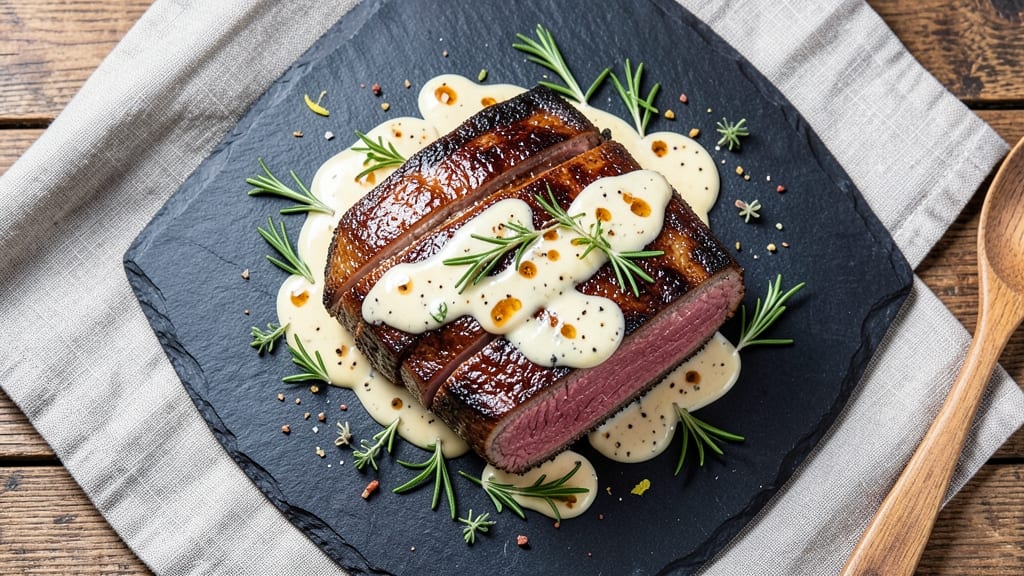
Angus beef tenderloin delivers melt-in-your-mouth perfection when cooked with precision—this reverse-sear method guarantees a crispy crust while keeping the center impossibly tender. The secret lies in low-and-slow cooking followed by a high-heat sear, transforming even the most expensive cut into a restaurant-worthy masterpiece. I've perfected this technique over years of testing, ensuring every bite stays juicy and flavorful.
What sets this recipe apart is the balance of technique and simplicity. You'll start with a gentle oven cook to bring the meat to a safe temperature without overcooking, then finish with a quick sear in a screaming-hot pan or broiler.
This two-step process creates that coveted crust while preserving the buttery core that makes tenderloin so special. The result? A steak so tender it practically falls apart, with a crust that adds just the right amount of texture.
This method works beautifully with minimal seasoning—just high-quality salt and black pepper—letting the natural richness of the beef shine. The reverse-sear approach also eliminates guesswork about doneness, as the internal temperature is precisely controlled before the final sear.
Whether you're cooking for a special occasion or treating yourself to a luxurious weeknight dinner, this technique delivers consistent, foolproof results every time.
Pair with roasted garlic mashed potatoes or a simple arugula salad to complement the beef's richness. The key is letting the tenderloin rest after cooking, allowing the juices to redistribute for maximum tenderness. With this recipe, you'll achieve steakhouse-quality results in your own kitchen—no fancy equipment required.
Ingredients for angus beef tenderloin
Premium Angus tenderloin meets precision technique for restaurant-quality results at home.
| Ingredient | Amount | Notes |
|---|---|---|
| Angus Beef Tenderloin 🥩 | 2 lb | Center-cut, trimmed of silver skin |
| Kosher Salt 🧂 | 1 ½ tsp | Diamond Crystal preferred for clarity |
| Freshly Ground Black Pepper 🌶️ | ½ tsp | Cracked peppercorns for optimal flavor |
| Unsalted Butter 🧈 | ½ cup | Cold, cut into 1-inch cubes |
| Extra-Virgin Olive Oil 🫒 | 2 tbsp | High smoke point for searing |
| Fresh Rosemary 🌿 | 4 sprigs | Thin stems removed, leaves finely chopped |
| Fresh Thyme 🌿 | 2 sprigs | Leaves only, stems discarded |
| Garlic Cloves 🧄 | 4 cloves | Smashed, skin-on for aroma |
| Vegetable Oil 🫒 | ¼ cup | For oven roasting, high smoke point |
| Red Wine 🍷 | ½ cup | Dry Cabernet Sauvignon preferred |
| Beef Bone Broth 💧 | ½ cup | Homemade or high-quality store-bought |
| Balsamic Vinegar 🍶 | 1 tbsp | Aged 12+ months for depth |
The Angus beef tenderloin is the star—center-cut and trimmed of silver skin for maximum tenderness. Source from a trusted butcher or specialty market like D'Artagnan or Snake River Farms for guaranteed quality. Look for rich marbling and vibrant color, signs of premium aging. Fresh herbs like rosemary and thyme should be fragrant and pliable, not wilted. The bone broth should be rich and unctuous, not watery—Kettle & Fire brand is a reliable choice. For the red wine, bold, dry Cabernet Sauvignon (like from Apothic or Caymus) enhances the crust without overpowering.
No fresh rosemary? Dried works at one-third the amount, but fresh delivers superior aroma. Substitute olive oil for vegetable oil if preferred, though it has a lower smoke point. Running low on balsamic? A splash of red wine reduction achieves similar depth. The butter must be cold—Plugrá brand stays firm longest. For extra richness, add 1 tbsp of brown butter during the final sear. If you're concerned about overcooking, invest in a meat thermometer—it's the only way to ensure perfect doneness every time.
Store raw tenderloin in its original packaging on the coldest shelf of your fridge for up to 3 days. Pat the meat dry with paper towels before seasoning to maximize crust adhesion. The butter and aromatics can be prepped ahead and refrigerated in an airtight container for 2 days. Once cooked, the tenderloin rests beautifully—cover loosely with foil and let sit for 15-20 minutes before slicing. Leftovers reheat best in a 350°F oven for 10-15 minutes, covered with foil.
Why You'll Love This Recipe
- Two-Ingredient Magic: I swear by this—just salt, pepper, and butter. That’s it. The tenderloin does all the heavy lifting, and the butter basting? Pure, effortless luxury.
- Weeknight Hero: Between us, this is my "I don’t want to cook but still deserve a steak" dish. Thirty minutes max, and it feels like a restaurant meal.
- Leftovers That Don’t Suffer: I’ve reheated this for days, and it’s still juicy. Slice it thin, sear it again in olive oil, and suddenly you’ve got a quick panini or salad topper.
- Budget-Friendly Luxury: Angus beef feels fancy, but one tenderloin feeds four. That’s a whole steakhouse experience for half the cost—no guilt, just satisfaction.
Step-by-step instructions for reverse-seared Angus beef tenderloin
Master this two-stage technique for a perfectly seared crust with a velvety, buttery interior.
Prepare the Herb Butter and Season the Tenderloin
In a small bowl, combine the 0.5 cup unsalted butter, 4 sprigs fresh rosemary (finely chopped leaves), 2 sprigs fresh thyme (leaves only), and 4 smashed garlic cloves (skin-on). Mix gently with a fork until the butter softens slightly and incorporates the herbs. Spread this mixture evenly over the 2 lb angus beef tenderloin, pressing it into the surface so it adheres completely.
Next, season the tenderloin generously with 1.5 tsp kosher salt and 0.5 tsp freshly ground black pepper. Use your hands to work the seasoning into every crevice—this ensures even flavor distribution. Place the seasoned tenderloin on a wire rack set over a rimmed baking sheet, fat-side up. Refrigerate uncovered for 1 hour to allow the surface to dry slightly, which is crucial for that perfect crust later.
Low-Temperature Roast to Medium Rare
Preheat your oven to 275°F. Remove the tenderloin from the refrigerator and let it sit at room temperature for 15 minutes before roasting. Place the baking sheet in the oven and roast for 45-50 minutes until the internal temperature reaches 125°F at the thickest point. This slow roast ensures the center remains tender while the exterior develops subtle color without overcooking.
Here's the key: resist the urge to open the oven door during this stage. Every time you peek, you risk losing heat and extending cook time. Use a meat thermometer for accuracy—this is where precision matters most. The tenderloin should feel slightly firm but still yield slightly when pressed with your finger.
Create the Crust with High-Heat Sear
While the tenderloin roasts, prepare your searing station. Heat a large cast-iron skillet over high heat until it's screaming hot. Add 2 tbsp extra-virgin olive oil and let it shimmer for 1 minute. Remove the tenderloin from the oven and increase the oven temperature to 450°F. Place the tenderloin in the hot skillet and sear for 2 minutes per side, pressing down gently with a metal spatula to ensure even contact.
As it sears, the butter will begin to melt and bubble vigorously. This is normal—it's creating that signature crust. After searing, transfer the tenderloin back to the oven and finish roasting for 3-5 minutes until the internal temperature reaches 130°F (medium-rare). The crust should be deep golden brown with caramelized edges that crack when pressed.
Rest and Create the Pan Sauce
Remove the tenderloin from the oven and transfer it to a cutting board. Tent loosely with foil and let it rest for 15 minutes—this critical step allows the juices to redistribute, ensuring every slice remains moist. While it rests, place the searing skillet back on the stovetop over medium heat. Add 0.5 cup red wine and scrape up any browned bits from the bottom with a wooden spoon, letting them deglaze for 2 minutes. Pour in 0.5 cup beef bone broth and 1 tbsp balsamic vinegar, then simmer for 3-4 minutes until reduced by half.
The sauce should coat the back of a spoon with a glossy sheen. If it's too thick, add a splash of water to reach your desired consistency. Strain the sauce through a fine-mesh sieve to remove any herb bits, then return it to the skillet and keep it warm.
Slice and Serve with Pan Sauce
After resting, slice the tenderloin into ½-inch thick medallions against the grain. The meat should be fork-tender with a pink center and that prized crust. Arrange the slices on a warm platter and drizzle generously with the pan sauce. Garnish with additional chopped rosemary and cracked black pepper for presentation.
Serve immediately with roasted root vegetables or a simple arugula salad. The contrast of the crispy crust against the buttery interior is what makes this dish truly exceptional. Each bite should deliver perfect texture and depth of flavor—this is the hallmark of a well-executed reverse sear.
Pro Tips For Making Angus Beef Tenderloin
- USE A MEAT THERMOMETER: I learned this the hard way—Angus tenderloin hits 130°F fast and keeps climbing. Pull it at 125°F for medium-rare (it’ll rest to 130°F) or 130°F for medium. Guessing leads to dry meat or undercooked surprises.
- DRY THE MEAT FIRST: Pat that tenderloin thoroughly with paper towels before searing. Wet surfaces steam instead of brown, and you’ll end up with a sad, pale crust. I skip this sometimes, and the butter just pools instead of forming that golden, flavorful crust.
- SALT IN TWO STAGES: Generously salt the tenderloin 24 hours ahead (yes, even if you’re impatient like me), then add a final light sprinkle right before searing. The first salt tenderizes, the second ensures seasoning sticks—especially when you’re basting with butter later.
- BUTTER BASTE LIKE A PRO: Melt 2 tablespoons of butter in a pan, then tilt it to coat the meat with every flip. Don’t drown it—just enough to glaze. I used to dump the whole stick in, and it’d turn into a greasy mess instead of a silky, flavor-packed crust.
Flavor customization for this angus beef tenderloin
Herb Variations
Swap the rosemary and thyme for fresh sage and garlic—toss 6 leaves of sage with the butter for an earthy, slightly peppery note that pairs beautifully with the beef's richness.
For a Mediterranean twist, use 1 tbsp fresh oregano and 2 sprigs of marjoram—their citrusy brightness cuts through the buttery beef. I love adding ½ tsp crushed juniper berries to the herb butter for a subtle piney aroma, especially when serving with mushroom sauces. 🌿
Spice Infusions
For a smoky depth, mix ½ tsp smoked paprika and ¼ tsp cayenne pepper into the kosher salt before seasoning. The heat from the cayenne enhances the crust's caramelization, while the paprika adds a subtle charred aroma.
If you prefer warmth without heat, try 1 tsp ground coriander—it adds a citrusy, slightly sweet complexity that balances the beef's natural fat. For a bold kick, sear the tenderloin in a skillet with 1 tbsp crushed red pepper flakes mixed into the olive oil. 🌶️
Umami Boosters
Elevate the pan sauce by adding 1 tbsp soy sauce or 1 tsp fish sauce when deglazing with red wine—this deepens the sauce's savory profile without overpowering. For a richer finish, stir in 1 tsp miso paste (preferably white or red) during the final reduction.
I also love adding ½ tsp dried porcini mushrooms to the herb butter for an earthy, umami-packed crust that pairs perfectly with the pan sauce. These additions work especially well when serving with roasted root vegetables or creamy polenta. 💫
Sweet and Tangy
Brighten the dish with a touch of sweetness by adding 1 tbsp honey or 1 tsp maple syrup to the pan sauce during reduction—this creates a glossy, balanced glaze that complements the beef's richness.
For a tangy twist, replace the balsamic vinegar with 1 tbsp apple cider vinegar and add ½ tsp Dijon mustard to the herb butter. This combination adds a subtle complexity that enhances the crust's depth. Serve with caramelized onions or a fruit compote to amplify the sweet-tangy contrast. 🍯
Global Flavors
Transform this classic into a French-style dish by adding 1 tsp herbes de Provence to the herb butter and finishing the pan sauce with 1 tbsp cognac (flambéed off carefully).
For an Italian twist, use fresh basil and lemon zest in the herb butter and drizzle the finished slices with reduced white wine sauce.
A Korean-inspired version calls for 1 tbsp gochujang mixed into the pan sauce and garnishing with sesame seeds—this adds a spicy, fermented depth that surprises and delights. 🌍
Nutrition facts
Frequently asked questions about Angus beef tenderloin
Why does the recipe call for resting the tenderloin before slicing?
Resting allows the meat's juices to redistribute evenly throughout the fibers after cooking. If you slice too soon, those precious juices will escape, leaving you with dry meat. For a 2 lb tenderloin, 15-20 minutes of resting at room temperature is ideal—this ensures every slice stays impossibly tender and moist.
Can I cook this recipe without a meat thermometer?
While possible, a meat thermometer is highly recommended for precision. Without one, you risk overcooking the center. For a medium-rare finish, aim to remove the tenderloin from the oven when it reaches 130°F internally. If you must guess, press the meat gently—it should feel slightly firm but still yield to gentle pressure.
What's the best way to store leftover tenderloin?
Slice the cooked tenderloin and store it in an airtight container in the fridge for up to 3 days. For longer storage, wrap individual portions tightly in plastic wrap and place them in a freezer bag. Thaw overnight in the refrigerator before reheating—never at room temperature. Reheat gently in a 350°F oven for 10-15 minutes with foil covering.
How do I adjust the recipe for a larger tenderloin?
Increase cooking times proportionally but maintain the same internal temperature targets. For a 4 lb tenderloin, extend the low-temperature roast to 60-70 minutes (still at 275°F) before searing. The key is patience—rushing will dry out the center. Double the herb butter and pan sauce ingredients to maintain flavor balance.
What if my tenderloin has a thick fat cap?
Leave the fat cap intact—it protects the meat during cooking and adds flavor. If it's particularly thick (½ inch+), trim it to ¼ inch for even cooking. The fat renders during the sear, creating extra richness in your pan sauce. Never remove it entirely unless specified by your butcher.