
Main Courses
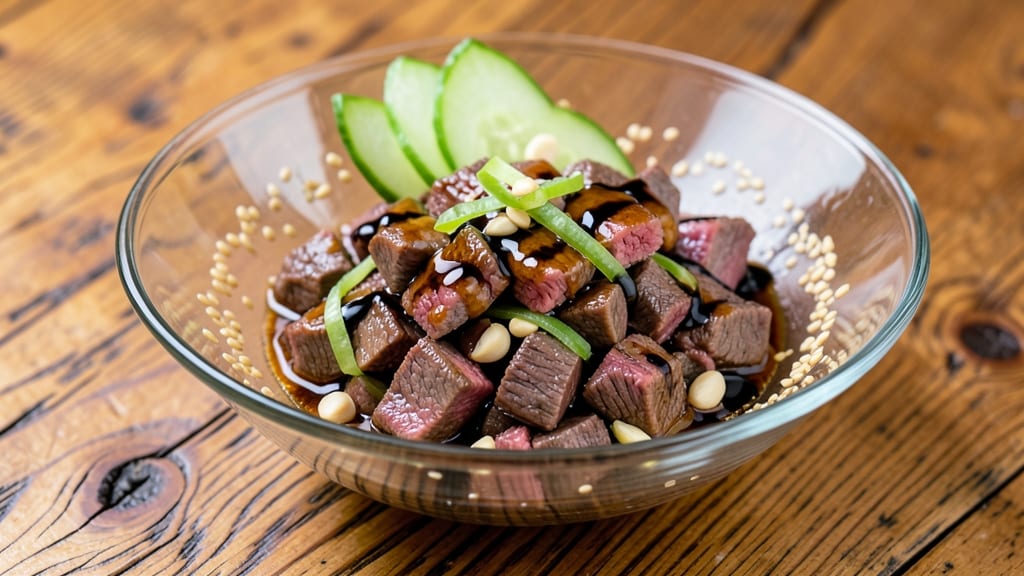
This Asian beef tartare recipe transforms raw ribeye into a silky, umami-rich masterpiece with a vibrant herb zing. ✨ The key lies in precision—thinly sliced beef, fresh ginger-garlic marinade, and a balance of bold flavors like sesame oil and chili.
Unlike traditional tartare, this version incorporates ponzu sauce for a bright citrus kick that cuts through the richness.
What sets this dish apart is the texture: tender, almost morsel-like beef that melts in your mouth, paired with crisp garnishes like toasted sesame seeds and thinly sliced scallions.
The ponzu sauce adds a tangy depth, while a drizzle of sriracha mayo brings heat and creaminess. It’s restaurant-quality at home, but with a fraction of the effort.
Safety is paramount—always source the freshest, highest-quality beef (like wagyu or ribeye) and keep it refrigerated until serving. The recipe includes optional searing for those who prefer a slightly warm center, though purists will love it raw.
This dish shines as a showstopper appetizer or light main course, especially with steamed rice or crispy noodles on the side.
The plating is where the magic happens: mound the tartare on a chilled plate, drizzle with sauce, and scatter garnishes for a visually stunning dish. Every bite delivers that perfect harmony of textures and flavors—smooth beef, crisp herbs, and a tangy-sweet finish. Ready to elevate your dining experience?
Ingredients for asian beef tartare
Fresh ribeye, zesty ponzu, and a kick of sriracha mayo make this tartare stand out.
| Ingredient | Amount | Notes |
|---|---|---|
| Ribeye Steak 🥩 | 1 ½ lb | Extra-thinly sliced, center-cut preferred |
| Fresh Ginger 🌿 | 1 tbsp | Finely grated, peeled |
| Garlic Cloves 🧄 | 4 cloves | Minced, fresh preferred |
| Sesame Oil 🫒 | 1 tbsp | Toasted, toasted preferred |
| Soy Sauce 🍶 | 2 tbsp | Low-sodium preferred |
| Ponzu Sauce 🍋 | ½ cup | Homemade or store-bought |
| Sriracha Mayo 🌶️ | ¼ cup | Homemade or store-bought |
| Green Onions 🧅 | 4 whole | Thinly sliced, white and green parts |
| Fresh Cilantro 🌿 | ¼ cup | Chopped, stems removed |
| Toasted Sesame Seeds 🥜 | 1 tbsp | For garnish |
| Red Chili Flakes 🌶️ | ½ tsp | Adjust to taste |
| Mayonnaise 🥫 | ¼ cup | For sriracha mayo base |
| Sriracha Sauce 🌶️ | 1 tbsp | For sriracha mayo |
| Lime Juice 🍋 | 1 tbsp | Freshly squeezed |
| Salt 🧂 | ½ tsp | Kosher or sea salt |
The beef is everything here—ribeye or wagyu is ideal for its marbling and tenderness. Ask your butcher to slice it paper-thin (about 1/8-inch thick) right at the counter. If you're buying pre-sliced, check for a vibrant red color—no gray or brown spots. Costco or high-end grocers like Whole Foods usually carry the best quality. For extra safety, freeze the beef for 24 hours to kill any potential parasites before slicing. The ponzu sauce? Miyoko's or homemade is the way to go—store-bought can be hit-or-miss.
No ponzu? Mix 2 tbsp soy sauce, 1 tbsp lime juice, 1 tbsp rice vinegar, and 1 tsp honey for a quick sub. Fresh ginger and garlic are non-negotiable—they add that bright, zesty punch. Substitute with 1 tsp each of ground ginger and garlic powder if needed, but you'll lose some depth. For the sriracha mayo, Hellmann's or Duke's mayo works best—just mix with sriracha to taste. The green onions and cilantro can be swapped for shallots and parsley if you're out, but the fresh herb zing is what makes this dish pop.
This dish is all about freshness—use the beef within 2 days of slicing, even if frozen. Store the ponzu and sriracha mayo in airtight containers in the fridge for up to 1 week. The garnishes? Keep them separate until serving so they stay crisp. Double the batch if you're feeding a crowd—it disappears fast. Pro tip: Chill the tartare for 30 minutes before serving so the flavors meld perfectly.
Why You'll Love This Recipe
- No Knife Skills Needed: I swear, this isn’t one of those recipes where you need to julienne or anything fancy. The ribeye gets finely chopped—yes, it takes a few minutes—but no special tools. Honestly, my butcher even pre-cuts it for me sometimes when I ask.
- Umami Bomb in Every Bite: That sesame oil and soy sauce combo? It’s like a flavor grenade. The ginger adds a little bite, the garlic cloves deepen the richness, and the ribeye stays tender enough to melt. Between us, it’s the kind of dish where you’ll catch yourself closing your eyes mid-bite.
- Weeknight or Date Night: Serve it with crusty bread and a cold beer for a no-fuss dinner. Or, if you’re feeling fancy, pile it onto toasted baguettes with a fried egg on top—trust me, it’s a crowd-pleaser. The best part? It’s ready in 20 minutes, so no one’s waiting around.
Step-by-step instructions for Asian beef tartare
Here's how to make this ultra-smooth, herb-packed tartare that's restaurant-quality at home.
🔪 Step 1: Freeze and Slice the Ribeye Steak
Place the 1.5 lb ribeye steak on a plate and freeze solid for 1 hour. This makes slicing easier and keeps the texture silky. Once frozen, slice against the grain into ⅛-inch thick strips—you should get about 1½ cups of meat. Real talk: if you skip freezing, you'll end up with chewy chunks instead of that perfect bite.
Transfer the sliced steak to a large mixing bowl. Here's the thing—don't worry if it looks like too much at first. The meat will reduce slightly as you work with it, but you're aiming for a generous portion per serving. Keep the bowl in the freezer while you prep the rest of the ingredients to maintain that cold, firm texture.
👨🍳 Step 2: Mix the Flavor Base
In a small bowl, whisk together the 0.25 cup mayonnaise, 1 tbsp sriracha sauce, and 1 tbsp lime juice until completely smooth. This creates the sriracha mayo base that'll give your tartare that signature kick. I like to use a fork for this—it's quick and gets the job done without overmixing.
In another small bowl, combine the 0.5 cup ponzu sauce with 2 tbsp soy sauce and 0.5 tsp salt. This tangy-savory blend is what makes this Asian twist so special. Taste it now—it should be bright and slightly sweet with a punch of umami. If it needs more depth, add a pinch of the 0.5 tsp red chili flakes (but don't skip this later—you want the heat to shine in the final dish).
🍳 Step 3: Combine All Ingredients for Maximum Flavor
Remove the sliced steak from the freezer and add it to the mixing bowl. Gently fold in the sriracha mayo mixture first, using a silicone spatula to combine without breaking up the meat. Here's where it gets fun—toss in the 1 tbsp finely grated fresh ginger and 4 cloves minced garlic cloves, mixing just until incorporated.
Now add the ponzu-soy mixture and mix gently but thoroughly. You're aiming for a uniform color throughout—this means every bite will have that perfect balance of flavors. Fold in 0.25 cup chopped fresh cilantro and 4 whole thinly sliced green onions (white and green parts). Don't overmix or you'll chop up the herbs too much—we want those bright pops of color and texture.
🥘 Step 4: Finish with Aromatics and Chill
Drizzle in the 1 tbsp toasted sesame oil and mix gently. This adds that nutty depth that ties everything together. Taste a small spoonful—you should get a perfect balance of spicy, tangy, umami, and fresh herb notes. If it needs more salt, adjust with a pinch of the remaining 0.5 tsp red chili flakes or a tiny bit more soy sauce.
Transfer the tartare to a serving bowl or individual ramekins. Cover and refrigerate for at least 30 minutes (up to 2 hours) before serving. This chilling time lets all the flavors meld together perfectly. The longer it sits, the more cohesive the flavors become—trust me, it's worth the wait.
🍽️ Step 5: Serve with Style
When ready to serve, give the tartare one final gentle mix. Garnish each portion with an extra sprinkle of 1 tbsp toasted sesame seeds and a few more thinly sliced green onions. Serve immediately with crispy rice crackers, toasted baguette slices, or fresh cucumber ribbons on the side.
Here's the moment that matters: the first bite should be silky-smooth with a perfect balance of heat, tang, and freshness. Each component should be distinct yet harmonious—you want that spicy kick from the sriracha mayo, the bright acidity from the ponzu, and the fresh herb zing that makes it feel special. Don't skip the garnishes—they're not just for looks, they add that final layer of texture and flavor.
Pro Tips For Making Asian Beef Tartare
- Freeze the Steak First: I learned this the hard way—skipping the 30-minute freeze makes the ribeye turn to mush when you dice it. Pop the whole steak in the freezer before cutting, then let it sit at room temp for 10 minutes to slice cleanly. Trust me, your tartare will hold its shape.
- Minced Ginger, Not Grated: That pre-grated ginger in the jar? Skip it. Fresh ginger loses its punch fast, and the texture’s all wrong. Use a microplane or the side of a knife to mince it finely—just a teaspoon or two is enough. The flavor will be brighter, and it won’t turn your tartare into a watery mess.
- Sear the Meat Separately: Raw ribeye tartare needs to stay cold, but searing it first adds depth. Quickly pan-sear thin slices until just pink (about 10 seconds per side), then shock in ice water. The heat kills bacteria while keeping the outside crisp—no overcooking, no rubbery texture.
- Balance the Soy Sauce: Too much soy sauce and your tartare tastes like a salty brick. Start with just 1 tablespoon, then taste as you go. If it needs more umami, add a dash of sesame oil or a splash of rice vinegar instead. The goal is flavor, not a one-note punch.
Wine and beer pairings for this recipe
Sake Pairings
For this vibrant Asian beef tartare, a crisp junmai daiginjo sake is my go-to choice. The delicate floral and citrus notes in sakes like Dassai 23 or Hakkaisan Junmai Daiginjo complement the dish's fresh herbs and ponzu sauce beautifully.
Serve the sake slightly chilled (45-50°F) to enhance its aromatic qualities and balance the dish's richness. 🍶
Dry Riesling
A dry German Riesling from the Mosel region offers a perfect match with its bright acidity and subtle mineral notes. Look for a Dr. Loosen Blue Slate or Erich Leitz—these wines cut through the tartare's richness while highlighting the dish's fresh ginger and lime.
The slight sweetness in these wines also harmonizes with the ponzu sauce's citrus punch.
Light Japanese Beer
For beer lovers, a Sapporo Premium Beer or Asahi Super Dry provides a clean, crisp canvas that won't overpower the tartare's delicate flavors. The light body and subtle hop bitterness enhance the dish's umami notes without competing. Serve at 40-45°F for optimal refreshment. 🍺
Sparkling Wine
If you prefer something bubbly, a French Crémant de Loire or Spanish Cava adds a celebratory touch. The effervescence cleanses the palate between bites, while the acidity brightens the ponzu and sriracha flavors. Opt for a Loire Valley Crémant with its crisp apple and citrus notes for the best match.
Herbal Gin
For a non-alcoholic or pre-dinner option, a London Dry Gin like Hendrick's or Tanqueray with tonic and a twist of lime works wonders. The botanical notes in the gin echo the fresh herbs in the tartare, while the lime adds a zesty harmony.
Serve with extra ice to keep it refreshing.
Nutrition facts
Frequently asked questions
Can I use a different cut of beef for this recipe?
While ribeye or wagyu are ideal for their marbling and tenderness, you can use filet mignon or strip steak as alternatives. Avoid lean cuts like sirloin—they lack fat for that silky texture. If using filet, trim any visible fat first for a cleaner presentation. The key is ultra-thin slicing (⅛-inch thick) against the grain, regardless of cut.
How do I make this recipe less spicy?
Reduce the sriracha sauce to ½ tbsp or swap it for ½ tbsp chili crisp (milder heat) in the mayo. For extra mildness, omit the red chili flakes entirely and add a pinch of sugar to the ponzu-soy mixture to balance acidity. Taste as you go—you can always add more, but you can't take it out!
Can I prepare this tartare ahead of time?
Yes, but with caveats: assemble the tartare 1 day ahead and store it in an airtight container in the fridge. The flavors meld beautifully, but the texture may soften slightly. For best results, chill for only 30 minutes before serving. Garnishes should always be added fresh to maintain crispness. Never freeze raw beef tartare—it alters the texture permanently.
What are the best sides to serve with this dish?
This tartare pairs perfectly with steamed jasmine rice, crispy rice crackers, or toasted baguette slices for scooping. For a complete meal, add quick-pickled cucumbers or steamed bok choy to balance the richness. Avoid heavy sides—the tartare is meant to shine as a light but flavorful centerpiece.
Is it safe to eat raw beef tartare?
Only if you use fresh, high-quality beef from a trusted source. Freeze the meat for 24 hours before slicing to kill parasites, and slice it at the butcher counter to ensure freshness. If you're concerned, sear the slices in a hot pan for 10-15 seconds per side to kill bacteria while keeping the center cool. Pregnant individuals or those with weakened immune systems should avoid raw beef. Always trust your instincts—if the meat smells off or looks discolored, don't risk it!