
Main Courses
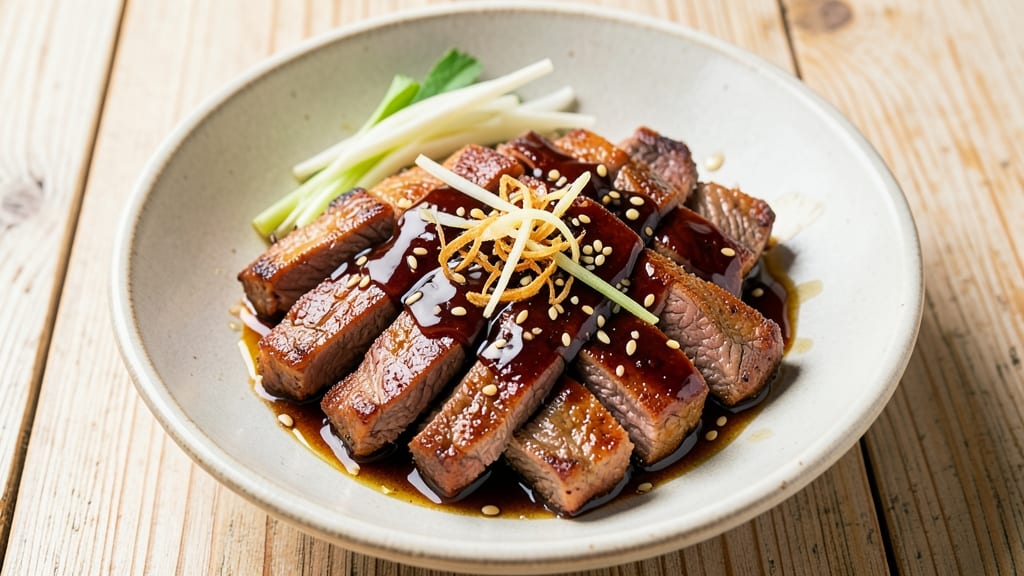
Crispy-crusted Asian fried beef delivers the perfect balance of texture and flavor—golden, shatteringly crisp edges with tender beef inside, all coated in a glossy soy glaze. This recipe draws inspiration from Korean bulgogi techniques and Japanese karaage methods, creating a dish that's both restaurant-worthy and easy to master at home. The secret lies in the marinade and double-frying process, which ensures every bite is packed with flavor and satisfying crunch.
The marinade transforms ordinary beef into something extraordinary, combining soy sauce, sesame oil, and a touch of sugar for depth. Thinly sliced beef absorbs the flavors while staying tender, then develops that signature crispy crust when fried.
This method isn't just about technique—it's about achieving that irresistible contrast between the crunchy exterior and the silky interior, which is what makes this dish so addictive.
By the time you plate these crispy-crusted bites, you'll have a dish that's ready to impress—whether served with steamed rice, a simple cucumber salad, or a drizzle of spicy mayo. The soy glaze adds a subtle sheen and extra flavor, making each piece shine on the plate.
This recipe proves that with the right method, you can create restaurant-quality fried beef at home.
Perfect for weeknight dinners or special occasions, this dish scales effortlessly for a crowd. The key is patience during the marinating and frying stages, but the result is worth every minute. Let's get started on creating these crispy, flavorful bites that will have everyone asking for seconds.
Ingredients for asian fried beef
Thinly sliced beef, aromatic marinade, and double-frying technique create crispy-crusted bites with silky interiors.
| Ingredient | Amount | Notes |
|---|---|---|
| Ribeye Steak 🥩 | 1 ¼ lb | Thinly sliced against grain |
| Soy Sauce 🍶 | ½ cup | High-quality, low-sodium preferred |
| Sesame Oil 🫒 | 1 tbsp | Toasted sesame oil for aroma |
| Brown Sugar 🍚 | 2 tbsp | Packed for accurate measurement |
| Garlic Cloves 🧄 | 6 cloves | Minced for marinade |
| Fresh Ginger 🌿 | 1 tbsp | Grated, for zesty kick |
| Vegetable Oil 🫒 | 2 cups | High smoke point for frying |
| All-Purpose Flour 🌾 | ½ cup | For dredging beef slices |
| Cornstarch 🌽 | ¼ cup | For extra crispiness |
| Green Onions 🧅 | 3 whole | Sliced, for garnish |
| Sesame Seeds 🌰 | 1 tbsp | Toasted, for garnish |
| Salt 🧂 | 1 tsp | Kosher or sea salt |
| Black Pepper 🌶️ | ½ tsp | Freshly ground |
| Rice Vinegar 🍶 | 1 tbsp | For soy glaze |
The ribeye steak is key—its marbling ensures tenderness after thin slicing. Look for well-marbled cuts at your local butcher or grocery store's meat department. If pre-sliced beef isn't available, freeze the steak for 30 minutes before thinly slicing against the grain. The soy sauce should be high-quality; Kikkoman or Lee Kum Kee brands are excellent choices. For the sesame oil, toasted varieties add more aroma, but regular works fine. Fresh ginger and garlic are non-negotiable—they provide the zesty backbone of the marinade.
No toasted sesame oil? Regular sesame oil plus a pinch of smoked paprika mimics the flavor. Running short on cornstarch? All-purpose flour works at double the amount, though the crust won't be quite as crispy. The rice vinegar in the glaze can be swapped for apple cider vinegar if needed. For extra crispiness, pat the flour-cornstarch mix onto each slice rather than dredging—this creates a more even, shatteringly crisp crust. The beef should marinate for at least 30 minutes, but overnight works best for maximum flavor penetration.
Marinated beef keeps 2 days in the fridge, covered tightly. For the glaze, store it separately in an airtight container—it'll last 1 week in the fridge. Double-fried beef reheats beautifully; 30 seconds in a hot pan restores the crispy texture. Garnishes like sesame seeds and green onions stay fresh for 5 days when stored in the fridge. Portion the fried beef into single servings before freezing—they'll stay crispy for up to 3 months when reheated properly.
Why You'll Love This Recipe
- One-Pan Magic: I swear by this for nights when I’m too tired to scrub pots. Slice that ribeye thin, toss it in the marinade of soy and sesame oil, and let the pan do the work—no flipping, no fuss. Just crispy edges and caramelized sugar clinging to every bite.
- Sweet-Savory Crunch: That brown sugar glaze? It’s the star. The moment the garlic sizzles in the pan and the soy reduces into a sticky, umami-rich glaze, you’ll understand why I keep making this. It’s rich but not heavy, with a little heat from the garlic that lingers.
- Meal Prep MVP: I double the batch on Sundays—it reheats like a dream in the air fryer or microwave. Pack it in bento boxes for work or freeze half for lazy nights. Honestly, the leftovers taste even better the next day, which never happens with steak.
- Budget-Friendly Luxury: Ribeye feels fancy, but here’s the trick: buy it on sale, slice it thin, and stretch it with rice or noodles. A few cloves of garlic and a splash of soy sauce turn a simple cut into something restaurant-worthy without breaking the bank. My wallet thanks me.
Step-by-step instructions for crispy-crusted Asian fried beef
Follow these precise steps to achieve that perfect balance of crispy crust and silky soy-glazed beef.
Prepare the Beef and Marinade
Begin by slicing the 1.25 lb ribeye steak thinly against the grain into ¼-inch thick slices. This ensures each bite remains tender. Place the slices in a bowl and set aside. In a small saucepan, combine the 0.5 cup soy sauce, 2 tbsp brown sugar, 6 minced garlic cloves, 1 tbsp grated fresh ginger, and 1 tbsp rice vinegar. Bring to a gentle simmer over medium heat for 3-4 minutes until the sugar dissolves and the aromatics meld together.
Pour the warm marinade over the beef slices and let them soak for 15-20 minutes at room temperature. This step infuses the meat with deep umami flavor while keeping it tender. The marinade should coat the beef evenly—if it looks dry, add 1 tablespoon of the marinade to ensure full coverage. Avoid over-marinating, as this can make the beef too soft for frying.
Create the Crispy Breading
In a medium bowl, whisk together the 0.5 cup all-purpose flour and 0.25 cup cornstarch. This combination creates a lighter, crispier crust than flour alone. Add the 1 tsp salt and 0.5 tsp black pepper, mixing well to distribute the seasoning evenly. The cornstarch also helps absorb excess moisture, preventing a soggy coating.
Remove the beef slices from the marinade, reserving 2 tablespoons of the liquid for later use. Pat the slices dry with paper towels—this step is critical for achieving maximum crispiness. Working in batches, dredge each slice in the flour mixture, pressing gently to adhere the coating. Let the breaded slices rest for 5 minutes to allow the flour to fully adhere before frying.
Fry to Golden Perfection
Heat 2 cups vegetable oil in a deep skillet or Dutch oven over medium-high heat until it reaches 350°F. Use a thermometer to monitor the temperature—this precision ensures even cooking without burning. Once the oil is hot, carefully add the breaded beef slices in a single layer, avoiding overcrowding. Fry for 2-3 minutes per side until the crust turns a deep golden brown and the beef reaches an internal temperature of 145°F.
Transfer the fried beef to a wire rack set over a paper towel-lined plate to drain excess oil. The crust should be shatteringly crisp, while the beef inside remains juicy and tender. If the oil smokes excessively, reduce the heat slightly—smoke indicates the oil is too hot and will burn the coating. Work in batches if needed, maintaining the oil temperature between 340°F and 360°F for consistent results.
Finish with Sesame Oil and Garnish
Return the fried beef to the skillet and drizzle with 1 tbsp sesame oil. Toss gently to coat, allowing the oil to seep into the crispy crust and enhance its aroma. The sesame oil adds a nutty depth that complements the soy glaze. Remove the beef from the skillet and transfer it to a serving platter, arranging the slices neatly.
Garnish with 3 sliced green onions and 1 tbsp toasted sesame seeds for color and texture. The green onions add a fresh contrast, while the sesame seeds provide a subtle crunch. Serve immediately while the crust is at its crispest. For extra sauce, warm the reserved marinade in a small saucepan over low heat until slightly thickened, then drizzle over the top or serve on the side for dipping.
Pro Tips For Making Asian Fried Beef
- CRANK THE HEAT FIRST: That ribeye needs a screaming-hot pan—no, really, get it smoking before the meat hits. I used to ease into it, and the beef would steam instead of sear, leaving me with a sad, gray slab instead of caramelized crust. Two minutes of full blast, then dial it back for the sauce.
- SLICE AGAINST THE GRAIN: Thin, even slices are key, but don’t just hack at it—cut perpendicular to the muscle fibers for tender bites. I learned this the hard way when I rushed and ended up with chewy strips. A sharp knife and patience (yes, even if you’re impatient like me) make all the difference.
- MARINATE THE GARLIC: Crush those cloves and toss them in the soy sauce mix at least 15 minutes before cooking. Raw garlic burns fast, and you’ll taste the bitterness if you skip this. My grandmother swore by this, and she was right: it adds depth without charring.
- REST THE STEAK AFTER SEARING: Five minutes under foil—no excuses—lets the juices redistribute. I know, I know, you want to toss it in the sauce immediately, but skipping this step means dry, stringy beef. Trust the process, even if your stomach growls.
Storing and reheating this asian fried beef
Marinated Beef Storage
The beef marinade keeps well in the fridge for 2 days if stored in an airtight container. I recommend using glass containers with tight-sealing lids to prevent any odors from absorbing.
If you marinate overnight, simply cover the bowl with plastic wrap pressed directly onto the surface to minimize air exposure. For longer storage, divide the marinade into 1-cup portions and freeze for up to 3 months—thaw in the fridge before using. 🌱
Fried Beef Reheating
To revive the crispy texture, reheat fried beef in a non-stick skillet over medium-high heat for 30-45 seconds per side. I use a splash of vegetable oil (about 1 teaspoon) to help crisp the coating back up.
For a healthier option, reheat in the oven at 400°F for 5 minutes on a wire rack—this prevents sogginess while maintaining crispness. Avoid microwaving, as it turns the crust rubbery. 🔥
Sauce Preservation
The soy glaze can be stored separately in an airtight container in the fridge for 1 week. To reheat, warm in a small saucepan over low heat for 2-3 minutes, stirring constantly until slightly thickened.
I like to add ½ teaspoon of cornstarch mixed with 1 teaspoon water to restore its glossy consistency. For extra depth, add a pinch of white pepper during reheating. 💫
Freezing Fried Beef
Portion fried beef into single-serving portions before freezing to maintain crispness. Place each portion on a parchment-lined tray, freeze solid, then transfer to a freezer bag. When ready to eat, reheat from frozen using the skillet method above—no thawing required.
The beef stays crispy for up to 3 months when stored properly. Label bags with the date to track freshness. ❄️
Garnish Freshness
Toasted sesame seeds and sliced green onions stay fresh for 5 days in the fridge when stored in separate airtight containers. To maintain crunch, keep them dry and avoid washing until ready to use.
For extra flavor, lightly toast sesame seeds in a dry skillet over low heat for 1-2 minutes before garnishing. Fresh herbs like cilantro can be added if desired, but they wilt quickly when reheated. 🌿
Oil Management
Used frying oil can be stored in a sealed container in the pantry for up to 1 month for future frying. Strain out any food particles first using a fine-mesh sieve. For best results, store oil in a cool, dark place away from direct sunlight.
If the oil develops an off smell, it's time to replace it. I keep a dedicated container just for frying to maintain oil quality between uses. 🫒
Nutrition facts
Frequently asked questions
Can I use a different cut of beef for this recipe?
Yes! While ribeye works best, you can use sirloin or flank steak for similar results. The key is thin slicing against the grain—this keeps the meat tender. Avoid tougher cuts like chuck, as they won't stay juicy when fried. If using pre-sliced beef, look for "thinly sliced for stir-fry" packages.
How do I get the crust extra crispy?
Double-frying is the secret! First fry at 325°F for 1 minute per side to cook through, then increase heat to 375°F and fry another 30 seconds per side for maximum crispiness. Pat slices very dry before dredging, and use a mix of cornstarch + flour (never just flour).
What's the best way to serve this fried beef?
This dish shines with steamed jasmine rice and a side of quick-pickled cucumbers or steamed bok choy. For extra flavor, serve with a dipping sauce made from 1 tbsp soy sauce + 1 tsp rice vinegar + ½ tsp sesame oil + 1 tsp honey. The contrast of cool, crunchy veggies balances the rich fried beef perfectly.
Can I make this recipe ahead of time?
Yes, but with a trick! Fry the beef fresh, then store it in an airtight container at room temperature for up to 2 hours to keep it crispy. For longer storage, freeze the fried beef (uncooked) in single layers on parchment paper before transferring to a bag—reheat in a skillet for 30 seconds per side to restore crispness.
What if my oil temperature isn't precise?
If you don't have a thermometer, use the cold water test: Drop a small amount of water into the oil—if it sizzles and evaporates instantly, it's ready. If the oil smokes too much, reduce heat slightly. For best results, maintain 350°F (±10°F). Overheated oil burns the crust, while oil that's too cool makes it greasy.