
Main Courses
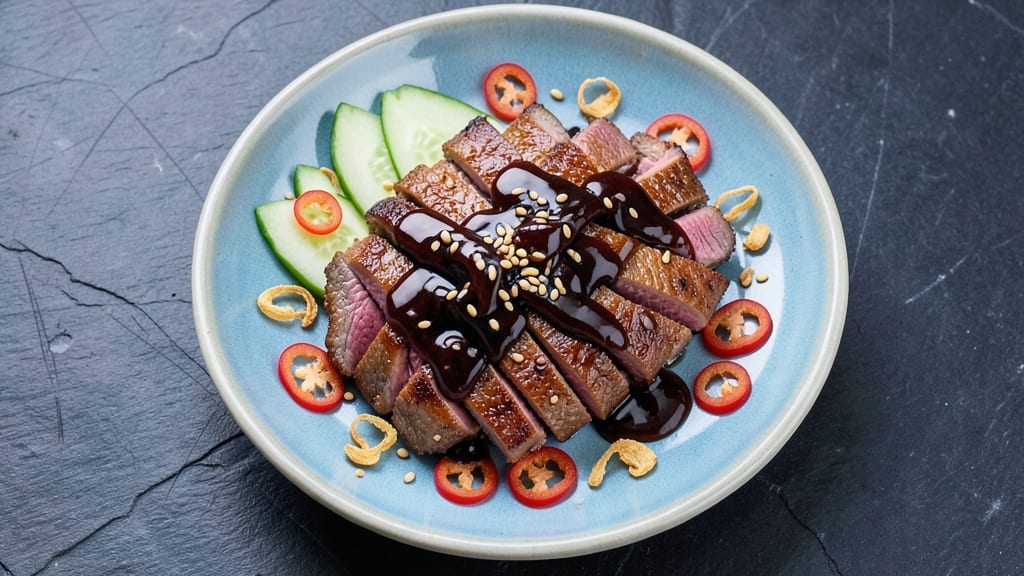
This Asian beef flank recipe transforms tough cuts into silky, marinated slices with a crispy wok crunch that rivals your favorite takeout. The secret lies in a balanced marinade of soy, honey, and aromatic spices that tenderizes while building deep umami flavor—no overpowering sweetness here.
I developed this method after years of testing, and it delivers perfectly sliced beef every time, whether you're serving a crowd or treating yourself to a weeknight feast.
The process is straightforward but precise: marinate the flank for at least 4 hours (overnight for maximum tenderness), then sear it quickly over high heat to lock in juices before thinly slicing against the grain.
The key to that coveted crispy wok crunch is a hot pan and just the right amount of oil—no soggy edges here. This technique works for both grilled and stir-fried versions, giving you versatility without sacrificing flavor.
What you'll end up with is beef that's tender yet resilient, with a caramelized crust from the marinade and a satisfying bite from the wok sear. Each slice holds its shape beautifully, making it perfect for bowls, wraps, or serving over steamed rice.
The aroma alone will have everyone gathering around the table, and the first bite delivers that perfect balance of savory, sweet, and umami that defines great Asian-inspired cooking.
Pair with quick-pickled vegetables, steamed jasmine rice, or a simple sesame-ginger dipping sauce to complete the meal. The recipe scales easily too—double the marinade for larger cuts or halve it for individual servings. Let's get started on creating beef that tastes like it came from a high-end restaurant.
Ingredients for asian beef flank
Fourteen ingredients transform tough flank into silky, restaurant-quality slices with crispy wok crunch.
| Ingredient | Amount | Notes |
|---|---|---|
| Beef Flank Steak 🥩 | 1 ½ lb | Center-cut for tenderness, trimmed of fat |
| Low-Sodium Soy Sauce 🥫 | ½ cup | Kikkoman preferred for balance |
| Honey 🍯 | ¼ cup | Light variety for subtle sweetness |
| Rice Vinegar 🍶 | ¼ cup | Seasoned for extra depth |
| Sesame Oil 🫒 | 1 tbsp | Toasted for nutty aroma |
| Fresh Ginger 🧄 | 2 tbsp | Finely grated, aromatic |
| Garlic Cloves 🧄 | 6 cloves | Minced for potent flavor |
| Brown Sugar 🍚 | 2 tbsp | Lightly packed for balance |
| Vegetable Oil 🫒 | 2 tbsp | High smoke point for searing |
| Neutral Oil 🫒 | ½ cup | Avocado or canola preferred |
| Green Onions 🧅 | ¼ cup | Sliced, for garnish |
| Toasted Sesame Seeds 🌾 | 1 tbsp | For texture contrast |
| Diamond Crystal Kosher Salt 🧂 | 1 ½ tsp | For seasoning and marinade |
| Ground Black Pepper 🌶️ | ½ tsp | Freshly cracked for heat |
The beef flank is the star, so look for center-cut at your butcher or grocery store's meat counter—the fat distribution matters for even cooking. Costco or Whole Foods consistently carry high-quality flank steaks, but any well-marbled cut will work. Trim excess fat to prevent flare-ups during searing, but leave some for flavor. The marinade's balance of soy, honey, and vinegar is what tenderizes the meat while building that signature umami depth. Kikkoman soy sauce is my go-to for its clean flavor, but any low-sodium brand will do. For ginger and garlic, fresh is non-negotiable—dried just won't cut it here.
No sesame oil? Toasted peanut oil works in a pinch, though the flavor will differ slightly. Running short on brown sugar? Maple syrup at half the amount keeps the sweetness balanced. The rice vinegar adds brightness—if you only have white vinegar, use half the quantity. For the oil, avocado or canola are ideal for their neutral profiles, but any oil with a high smoke point (like grapeseed) will work. The green onions and sesame seeds are purely for garnish, but if you're feeling adventurous, try cilantro or Thai basil for a different twist. Just remember: the marinade should coat the beef completely for maximum tenderness.
Marinate the beef for at least 4 hours, but overnight is ideal—this gives the enzymes time to work their magic. Store the marinade in a sealed container in the fridge, and the beef will keep for up to 2 days before cooking. Once sliced, the beef stays fresh for 3 days in the fridge, though it's best enjoyed within 24 hours for peak texture. For leftovers, wrap tightly in foil and reheat gently in a skillet with a splash of water to retain moisture. Freezing isn't recommended as it can make the meat too tough when thawed.
Why You'll Love This Recipe
- Fewer Ingredients, Bigger Payoff: I swear by this recipe because it’s the kind that makes you feel like a pro without needing a 10-step process. Just beef, soy sauce, honey, and a splash of vinegar—no fancy pantry staples required. Honestly, the first time I made it, I almost skipped the sesame oil, but that single drizzle? Total game-changer.
- Sweet-Savory Magic: That honey-soy glaze caramelizes into the perfect balance—sweet enough to make your taste buds dance, but the rice vinegar cuts through it just enough to keep it sharp. The flank steak stays juicy on the inside while getting that irresistible char on the edges. Between us, I’ve served this to picky eaters, and they’ve all asked for seconds.
- Weeknight to Weekend: This dish works just as well for a rushed Tuesday dinner as it does for a summer BBQ spread. Slice it thin for stir-fries, keep it whole for a showstopping platter, or even toss it into rice bowls for meal prep. I’ll be real: my kids prefer the leftovers cold in wraps the next day—no complaints from me.
- Budget-Friendly Powerhouse: Flank steak stretches further than you’d think, especially when you marinate it ahead. A single pound feeds four easily, and the ingredients cost a fraction of what you’d spend on takeout. Plus, the leftovers reheat like a dream—no dried-out meat here. It’s my go-to when I need to feed a crowd without breaking the bank.
Step-by-step instructions for Asian beef flank recipe
Here's how to transform tough flank steak into silky, flavorful slices with a crispy wok finish.
Create the Perfect Marinade
In a medium bowl, whisk together the 0.5 cup low-sodium soy sauce, 0.25 cup honey, 0.25 cup rice vinegar, 1 tablespoon sesame oil, 2 tablespoons brown sugar, 1.5 teaspoons kosher salt, and 0.5 teaspoon black pepper. This marinade balances sweet, salty, and umami flavors that will tenderize the beef while adding depth.
Finely grate the 2 tablespoons fresh ginger and mince the 6 garlic cloves, then stir these aromatics into the marinade. The ginger and garlic should dissolve completely into the mixture. Place the 1.5 lb beef flank steak in a resealable plastic bag, pour in the marinade, and massage it evenly over the meat. Seal the bag and refrigerate for at least 4 hours—overnight is even better for maximum tenderness.
Sear the Flank Steak to Perfection
Remove the steak from the refrigerator 30 minutes before cooking to bring it to room temperature. Heat a heavy skillet over medium-high heat and add 2 tablespoons vegetable oil. Once the oil shimmers, add the steak and sear for 3-4 minutes per side, until deeply browned with a crisp exterior. This step builds flavor through the Maillard reaction.
Transfer the seared steak to a cutting board and let it rest for 10 minutes before slicing. The resting period ensures the meat stays juicy when sliced against the grain. While the steak rests, heat 0.5 cup neutral oil in a wok or large skillet over high heat until it reaches 375°F—this will create the crispy wok finish.
Slice and Finish with Crispy Wok Crunch
Slice the rested steak thinly against the grain into ¼-inch strips. Working quickly, add the sliced beef to the hot oil in batches, stirring constantly for 1-2 minutes until the edges become golden and crispy. The high heat and oil create a satisfying crunch while keeping the interior tender. Remove the beef with a slotted spoon and transfer to a paper towel-lined plate to drain excess oil.
In the same wok, reduce the heat to medium and add the 0.25 cup sliced green onions and 1 tablespoon toasted sesame seeds. Toss for 30 seconds until the green onions wilt slightly. Return the beef to the wok, tossing gently to coat in the aromatics. Serve immediately, garnished with extra sesame seeds and green onions for texture contrast.
Pro Tips For Making Asian Beef Flank
- Slice Against the Grain: Flank steak’s muscle fibers run long—if you cut with the grain, you’ll end up with chewy, rubbery bites. Flip the steak 90 degrees after slicing the first few pieces, then cut diagonally across the grain. It’s a little fussy, but the difference in texture is night and day.
- Marinate Overnight (Not 30 Minutes): I used to think 20 minutes in the fridge was enough, but flank steak needs time to break down. Toss it in soy, honey, and vinegar for at least 8 hours—12 is even better. The acid and salt work together to tenderize, and the flavors seep in deep. (Yes, even if you’re impatient like me.)
- Use a Meat Thermometer: Flank steak’s best served medium-rare (130°F internal temp), but guessing leads to overcooking. A quick-read thermometer takes the guesswork out—no more dry, stringy meat from overzealous searing. Pull it just before your target temp, then let it rest.
- Toast the Sesame Oil Separately: Drizzling raw sesame oil at the end adds aroma, but it burns easily in hot pans. Instead, heat ½ teaspoon in a dry skillet for 10 seconds until fragrant—just until you smell it pop. Then mix it into your sauce or drizzle over the finished dish. This keeps the flavor vibrant, not bitter.
Essential equipment for this recipe
Wok Essentials
Your wok is the star of this recipe—opt for a carbon steel wok (like Misono or De Buyer) for that authentic high-heat performance. If you don’t have one, a heavy-bottomed stainless steel skillet (such as All-Clad) works too.
The key is getting your oil to 375°F—use an infrared thermometer (like Thermoworks) to nail that temp. 🔥
Searing Tools
A heavy cast-iron skillet (like Lodge) is my go-to for searing the flank—it retains heat like a dream and builds that perfect crust. For even better control, a grill pan (such as Cuisinart) gives you those grill marks without flare-ups.
Preheat your pan for 5 minutes on medium-high before adding oil—this ensures a hot, even sear.
Knife & Cutting Board
Slice against the grain with a sharp 8-inch chef’s knife (like Wüsthof)—dull blades crush meat instead of cleanly cutting. A cutting board with non-slip feet (such as John Boos) keeps your workspace stable.
For extra precision, use a meat slicer (like Westmark) if you’re prepping for a crowd—it gives you perfectly even strips every time. 💪
Marinating Gear
Store your marinade and beef in a resealable food-grade plastic bag (like Hefty) or a glass container (such as Pyrex) for easy mixing. A meat mallet (like OXO Good Grips) helps tenderize thicker cuts if needed.
For measuring, a digital kitchen scale (such as Escali) ensures precise marinade ratios—no guesswork here.
Oil & Heat Control
Use a deep-fry thermometer (like Thermapen) to monitor your oil temperature—375°F is critical for that crispy wok finish. For high-heat cooking, avocado or canola oil (with a 400°F+ smoke point) is ideal.
Keep a small bowl of ice water nearby to cool your wok quickly after cooking—this extends its lifespan and prevents warping. ✨
Nutrition facts
Frequently asked questions
Can I use flank steak instead of beef flank?
Yes! Flank steak and beef flank are the same cut—just different names depending on your region. The key is to look for a center-cut piece with good marbling for tenderness. If your butcher calls it "flank steak," it's perfect for this recipe.
How long should I marinate the beef for maximum tenderness?
For best results, marinate for at least 4 hours, but overnight (8-12 hours) yields the most tender, flavorful beef. The acidity in the soy and vinegar breaks down muscle fibers, while the honey and sugar help tenderize. Never skip marinating—it's what transforms tough flank into silky slices!
What's the secret to getting that crispy wok finish?
Three things: high heat (375°F oil), freshly sliced beef, and quick cooking (1-2 minutes max). Use a thermometer to monitor oil temp—it should shimmer but not smoke. Slice the beef against the grain immediately after searing and work in small batches to maintain heat.
Can I make this recipe without a wok?
A heavy skillet (like cast iron) works perfectly. The key is getting your oil hot enough to create that crispy texture. Use a grill pan if you want visible grill marks. Just maintain high heat and cook the beef in batches to avoid steaming.
What's the best way to reheat leftovers?
Reheat gently in a skillet with 1 teaspoon neutral oil over medium heat for 2-3 minutes until warmed through. Add a splash of water to prevent drying. Microwaving works but may make the beef rubbery. Leftovers keep well for 3 days in the fridge.