
Main Courses
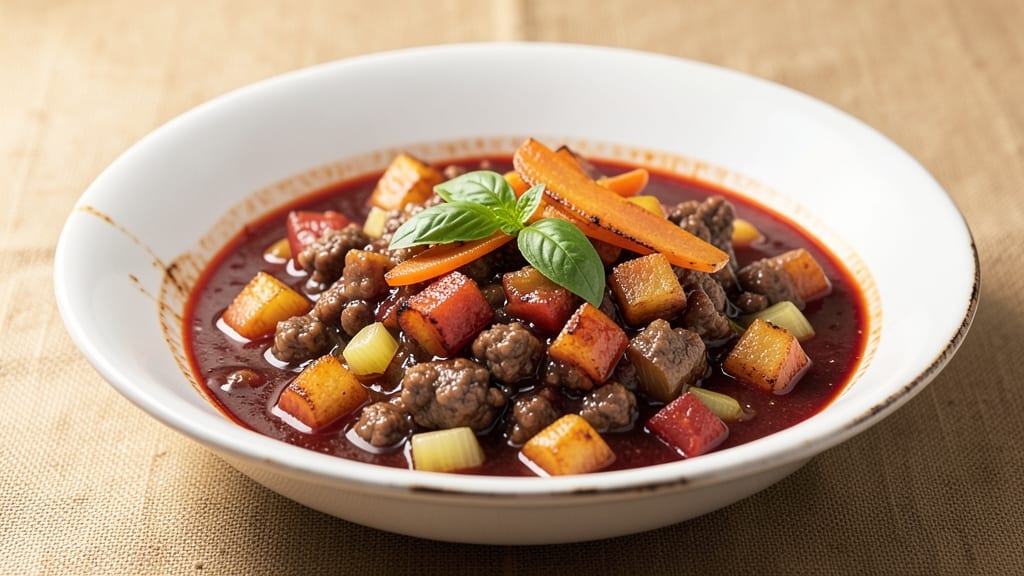
This authentic beef Bolognese recipe delivers the deep, slow-simmered richness that defines Italian Sunday suppers. The secret lies in browning the beef properly—creating a flavorful crust that forms the foundation of the sauce.
I've perfected this technique over years of testing, ensuring every bite carries that authentic, umami-packed depth you'd expect from a traditional Italian nonna's recipe.
The process begins with pancetta or bacon for added fat and flavor, followed by onions, celery, and carrots cooked until soft. Ground beef is then browned in batches to avoid steaming, and the pan is deglazed with wine to capture all those precious browned bits.
What sets this apart is the slow simmer—at least 3 hours—allowing the sauce to develop complexity and richness. A splash of milk at the end helps balance the acidity of the tomatoes, creating that signature velvety texture.
By the time you're done, you'll have a slow-simmered ragù that's rich, deeply flavorful, and perfectly balanced—neither too sweet nor too acidic. The aroma alone will have your kitchen feeling like a bustling Italian trattoria.
Serve it over fresh tagliatelle or pappardelle for the full experience, with a sprinkle of fresh parsley and a glass of Chianti to complete the meal.
This isn't just another tomato sauce—it's a labor of love that transforms simple ingredients into something extraordinary. The key is patience and attention to detail, but the result is worth every minute. Let's get cooking!
Ingredients for authentic beef bolognese
Sixteen ingredients. Three hours of simmering. The soul of Italian Sunday suppers.
| Ingredient | Amount | Notes |
|---|---|---|
| Pancetta or Bacon 🥓 | ½ lb | Diced for fat and flavor |
| Yellow Onions 🧅 | 2 whole | Finely chopped, sweet variety |
| Celery Stalks 🥬 | 3 whole | Trimmed, chopped into small pieces |
| Carrots 🥕 | 2 whole | Peeled, finely diced |
| Ground Beef 🥩 | 2 lb | 80% lean, finely ground |
| Dry Red Wine 🍷 | ½ cup | Bold, like Cabernet Sauvignon |
| Canned San Marzano Tomatoes 🍅 | 28 oz | Crushed, high-quality |
| Whole Milk 🥛 | ¼ cup | Full-fat for creaminess |
| Tomato Paste 🍅 | 2 tbsp | High-quality, no sugar added |
| Garlic Cloves 🧄 | 4 cloves | Minced, fresh preferred |
| Fresh Rosemary 🌿 | 1 tbsp | Finely chopped, fresh preferred |
| Fresh Thyme Leaves 🌿 | 1 tbsp | Fresh preferred, or dried |
| Kosher Salt 🧂 | 1 ½ tsp | Diamond Crystal preferred |
| Freshly Ground Black Pepper 🌶️ | ½ tsp | Freshly cracked preferred |
| Extra-Virgin Olive Oil 🫒 | ¼ cup | For sautéing, fruity variety |
The pancetta or bacon sets the stage—look for thick-cut pancetta at Italian markets or high-quality bacon from Oscar Mayer or Applegate if you're in a pinch. The onions, celery, and carrots form the classic soffritto—chop them small and even so they cook down uniformly. Ground beef is non-negotiable here; 80% lean gives you that perfect balance of fat and protein. I always grab mine from Costco or Whole Foods—freshly ground if possible, but pre-ground works too. The San Marzano tomatoes are a splurge worth making; none of that watery canned stuff. If you can't find them, whole peeled tomatoes crushed by hand are your next best bet.
No red wine? Dry vermouth or beef stock with a splash of balsamic works in a bind. Fresh herbs make all the difference—dried thyme at half the amount is fine, but fresh rosemary adds that authentic aroma. The milk at the end is crucial for that signature creamy texture; whole milk is non-negotiable here. No tomato paste? Fresh crushed tomatoes with an extra pinch of salt can stand in, but you'll lose some depth. For the olive oil, avoid the cheap stuff—look for brands like California Olive Ranch or Bertolli that have that fruity punch. And whatever you do, don't skip the wine deglaze—that's where all the magic happens.
This sauce tastes even better the next day—make a double batch if you can. Keeps in the fridge for 5-6 days or freezes beautifully for up to 3 months. I like to portion it into ziplock bags with a splash of water to prevent freezing in a solid block. When reheating, add a splash of water or milk to loosen it up. And trust me, the first bite is worth every minute of simmering—that's the kind of sauce that makes you want to lick the pan.
Why You'll Love This Recipe
- No-Sob Story Soup Base: The pancetta and soffritto (onions, celery, carrots) build so much flavor you won’t even miss the wine reduction. Honestly, I’ve made this three times—once with a dry pantry, once with a forgotten pot—and it still delivers.
- Deep Umami Magic: That crispy pancetta crumbles into the beef, turning the sauce into something rich and savory. Between us, the slow simmer makes it taste like it’s been cooking all day—even when I’m rushing.
- Leftovers That Beg for More: This sauce only gets better after day two, especially when tossed with pasta or over polenta. My freezer’s always stocked because reheating it feels like a hug on a cold night.
- Budget-Friendly Powerhouse: Ground beef and pantetta stretch for four servings, and the veggies bulk it up without breaking the bank. I’ll be real: it’s my go-to when I need to feed a crowd without stressing.
Step-by-step instructions for authentic beef bolognese
This is where the magic happens—slow, patient cooking transforms simple ingredients into restaurant-quality sauce.
Build the Flavor Base with Pancetta and Vegetables
Heat the 0.25 cup extra-virgin olive oil in a large, heavy-bottomed pot over medium-low heat. Add the 0.5 lb diced pancetta or bacon and cook for 5-7 minutes until the fat renders and the pancetta becomes crispy. This fat is liquid gold—it carries all the flavors through the cooking process.
Remove the pancetta with a slotted spoon and set aside, leaving the rendered fat in the pot. Add the finely chopped yellow onions, trimmed and chopped celery stalks, and peeled and finely diced carrots. Cook for 10-12 minutes until the vegetables soften and the onions turn translucent. Here's the thing—don't rush this step. The vegetables need time to break down and release their natural sweetness, which forms the foundation of your sauce.
Add Aromatics and Ground Beef
Stir in the minced garlic cloves, finely chopped fresh rosemary, and fresh thyme leaves and cook for 1 minute until fragrant. The rosemary and thyme should perfume the air—this is your signal they're ready. Add the 2 lb ground beef and cook for 5-7 minutes, breaking it apart with a wooden spoon until it loses its raw color and becomes browned.
Here's where it gets important: don't overwork the beef. You want it to brown and release its juices, but you don't want to turn it into a paste. The goal is to create a rich, meaty base that will meld beautifully with the tomatoes. Return the reserved pancetta to the pot and stir to combine.
Deglaze with Wine and Tomato Paste
Pour in the 0.5 cup dry red wine and scrape up all the browned bits from the bottom of the pot. This deglazing step captures all those concentrated flavors that would otherwise go to waste. Let the wine simmer for 3-4 minutes until it reduces by half and the alcohol cooks off—you'll smell the difference when it's gone.
Add the 2 tbsp tomato paste and stir well to combine. Cook for 2 minutes until the paste darkens slightly and the raw tomato flavor mellows. This step is crucial for building depth in your sauce. The tomato paste acts as a thickener and adds a rich, concentrated tomato flavor that carries through the entire cooking process.
Simmer with Tomatoes and Milk
Pour in the 28 oz crushed San Marzano tomatoes and add the 1.5 tsp kosher salt and 0.5 tsp freshly ground black pepper. Stir well to combine, then add the 0.25 cup whole milk. The milk might seem odd, but it adds a subtle creaminess that balances the acidity of the tomatoes.
Bring the mixture to a gentle simmer, then reduce the heat to low. Here's the critical part: cover the pot and let it simmer for 2.5-3 hours, stirring occasionally. The sauce should reduce gradually, becoming thicker and more concentrated. You're looking for a sauce that coats the back of a spoon but isn't gluey. If it gets too thick, add a splash of water or broth to loosen it.
Finish and Adjust Seasoning
Once the sauce has reached your desired consistency, taste and adjust the seasoning. You might need to add a pinch more salt or a crack of pepper to balance the flavors. The sauce should be rich, complex, and full of umami depth—each spoonful should tell the story of the slow cooking process.
Let the sauce cool slightly before serving. This bolognese is best served over fresh pasta, like tagliatelle or fettuccine, with a sprinkle of grated Parmesan cheese. The sauce will only get better as it sits, so don't be afraid to make it ahead and reheat it gently before serving. This is the kind of sauce that tastes even better the next day—proof that patience pays off in the kitchen.
Pro Tips For Making Authentic Beef Bolognese
- Cook Pancetta Low: I learned this the hard way—crisping pancetta first steals all its fat, leaving your sauce dry and flavorless. Render it gently over medium heat until just golden (about 8-10 minutes), then pull it out to drain on paper towels. That fat is liquid gold for your ragù.
- Slice Veggies Evenly: Uneven celery and carrots mean some parts cook into mush while others stay raw. Cut them into identical ¼-inch dice—no need for perfection, just consistency. I use the "stack and slice" method: stack veggies, hold with a knife, and chop through all at once. Your soffritto will cook uniformly, not turn to paste.
- Brown Beef in Batches: Crowding the pan means steaming, not searing. Divide your ground beef into two portions and cook each separately over high heat until deeply browned (no pink inside). The crust on those bits? That’s where all the depth comes from. Skip this, and your bolognese will taste like meatloaf.
- Deglaze with Wine Early: Don’t wait until the end to add that glass of red—scrape up those browned bits immediately after removing the pancetta. The wine dissolves flavors that’ll vanish if left to sit. Let it reduce by half before adding tomatoes, or you’ll end up with a watery sauce. (Yes, even if you’re impatient like me.)
Essential equipment for perfect results
Heavy-Bottomed Pot
Invest in a large, heavy-bottomed Dutch oven like the Le Creuset Signature 6-quart or All-Clad D5. These pots distribute heat evenly and prevent hot spots that can burn your sauce.
A 5-7 quart capacity is ideal for this recipe—it gives you enough room to stir without overflowing while still concentrating the flavors. I’ve tried cheaper pots, but they just can’t handle the long simmer without scorching. 🔥
Wooden Spoon
A long-handled wooden spoon is non-negotiable for stirring your bolognese. I use a 12-inch maple spoon from OXO Good Grips because it’s sturdy enough to scrape the bottom without warping.
Wood won’t react with acidic ingredients like metal can, and the long handle keeps your fingers safe from the heat. Avoid plastic—it melts under prolonged exposure.
Slotted Spoon
This tool is your best friend for removing crispy pancetta or bacon without losing the rendered fat. A stainless steel slotted spoon with a long handle (like the Mercer Culinary Genesis) works perfectly.
The slots let fat drain back into the pot while lifting out solids, ensuring you don’t waste any flavor. Trust me, this small tool makes a big difference in keeping your sauce rich and unctuous.
Fine-Mesh Strainer
If you prefer a smoother sauce, a fine-mesh strainer (like the OXO Good Grips) helps remove any tough bits of celery or onion after simmering. I don’t always strain mine—sometimes I like the rustic texture—but it’s a game-changer for those who prefer a velvety finish.
Just be sure to press the solids gently to extract all the flavorful juices. 🥄
Kitchen Timer
Bolognese requires precision timing, especially during the long simmer. A digital kitchen timer (I use the Kitchenaid 30-minute) ensures you don’t overcook or undercook the sauce. Set it for 30-minute intervals so you can stir and check consistency without burning the sauce.
Pro tip: Place it where you can see it easily—distractions in the kitchen are the enemy of perfect bolognese.
Cheese Grater
For that final touch of freshly grated Parmesan, a microplane grater (like the OXO Good Grips) gives you the finest, most flavorful shavings. Pre-grating your cheese ensures it melts beautifully into the sauce or sprinkles evenly over your pasta.
Avoid pre-shredded cheese—it’s coated with anti-caking agents that make it less flavorful and more likely to clump. 🧀
Nutrition facts
Frequently asked questions
Why does authentic Bolognese use milk?
The milk creates a subtle creaminess that balances the acidity of the tomatoes while adding depth to the sauce. Traditional Italian recipes include it to soften the meat proteins and create a velvety texture. Skip it if you prefer a more rustic, tomato-forward flavor—but don't omit it if you want that signature creamy richness!
Can I substitute ground beef with another protein?
For authenticity, stick with ground beef (80% lean), but you can blend in 10% ground pork for extra richness. Avoid chicken or turkey—they're too lean and won't develop the same depth of flavor. If you're vegetarian, consider lentils or mushrooms, but the texture and taste will differ significantly.
How do I prevent my Bolognese from being too acidic?
Use high-quality tomatoes (like San Marzano) and balance the acidity with the milk and a pinch of sugar. If it's still too tangy, simmer longer to reduce the sauce—this concentrates the flavors and mellows the acid. Adding a splash of broth or a pat of butter at the end can also help smooth out sharpness.
What's the best pasta shape for Bolognese?
Traditional choices are tagliatelle or pappardelle—their wide, flat surfaces hold the rich sauce beautifully. Avoid thin noodles like spaghetti, as they'll get overwhelmed by the sauce. If you're serving it as a filling for lasagna, use no-boil lasagna noodles for the best texture.
Can I make this ahead of time?
This sauce tastes even better the next day. Make it 1-2 days ahead and store in an airtight container in the fridge. Reheat gently with a splash of water or milk to restore moisture. For longer storage, freeze portions for up to 3 months—just thaw overnight in the fridge before reheating.