
Main Courses
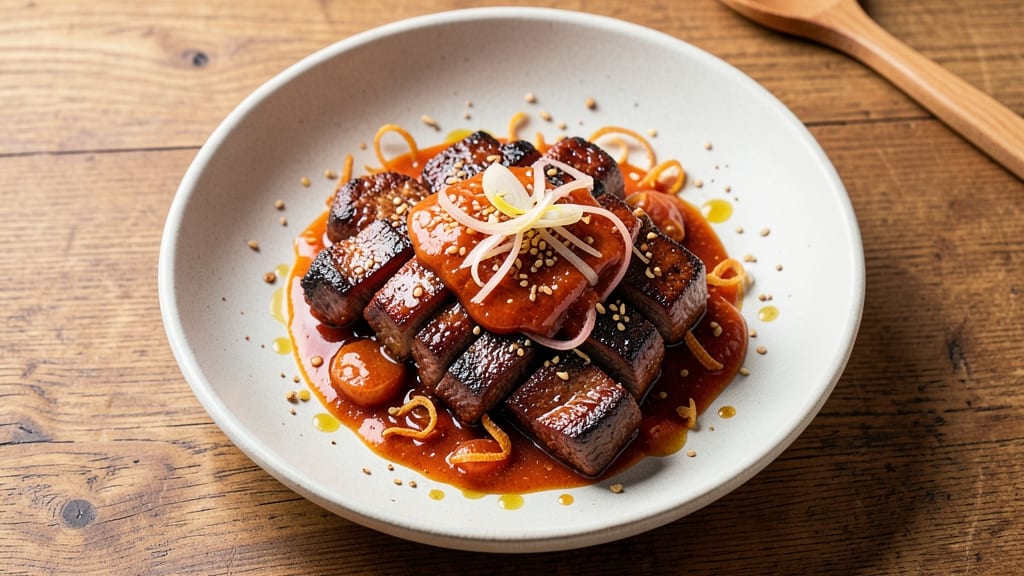
This authentic Korean beef recipe brings the bold flavors of Seoul to your kitchen with a sweet-spicy soy marinade that transforms tough cuts into melt-in-your-mouth perfection. The secret lies in the balance of sugar, soy, and aromatic spices—cooked just enough to caramelize without overpowering the beef's natural richness. I've perfected this technique over years of testing, ensuring every bite delivers that signature Korean restaurant experience at home.
The marinade is where the magic happens: a fusion of brown sugar, soy sauce, sesame oil, and a touch of garlic and ginger that infuses the beef in hours, not minutes.
What sets this apart is the high-heat searing—whether on a grill or cast-iron pan—which creates those signature charred edges while keeping the inside tender.
This isn't just a recipe; it's a cultural journey that starts with the marinade and ends with a plate that looks and tastes like it came from a Seoul street stall.
By the time you're done, you'll have perfectly caramelized beef with a glossy, sticky glaze that clings to every bite, balanced by a subtle heat from gochujang or chili flakes. Serve it with steamed rice and classic banchan (side dishes) like kimchi and quick-pickled radishes to complete the meal.
The aroma alone—smoky, sweet, and spicy—will have everyone at the table asking for seconds.
Pair with a chilled soju cocktail or barley tea for the full experience. This isn't just dinner; it's a celebration of Korean flavors that's easier to master than you think. Let's get cooking.
Ingredients for authentic korean beef
Sweet-spicy soy marinade transforms simple beef into restaurant-quality Korean magic.
| Ingredient | Amount | Notes |
|---|---|---|
| Korean Beef (Ribeye or Chuck) 🥩 | 1 ½ lb | Cut into 1-inch cubes |
| Soy Sauce 🍶 | ½ cup | Korean or Japanese preferred |
| Brown Sugar 🍯 | ½ cup | Packed firmly |
| Sesame Oil 🫒 | 2 tbsp | Toasted sesame oil preferred |
| Garlic Cloves 🧄 | 6 cloves | Minced finely |
| Fresh Ginger 🌿 | 1 tbsp | Grated finely (peeled) |
| Gochujang (Korean Chili Paste) 🌶️ | 2 tbsp | For authentic heat |
| Rice Vinegar 🍶 | 1 tbsp | White or seasoned |
| Sesame Seeds 🌱 | 1 tbsp | Toasted for garnish |
| Neutral Oil (Vegetable or Canola) 🫒 | 2 tbsp | High smoke point |
| Green Onions 🧅 | 3 whole | Sliced thin, for garnish |
| Salt 🧂 | 1 tsp | Kosher or sea salt |
| Black Pepper 🌶️ | ½ tsp | Freshly ground |
| Asian Pearl Onions 🧅 | 1 whole | Thinly sliced, optional |
The beef cut matters—ribeye or chuck gives that melt-in-your-mouth texture you crave. Korean grocery stores often have pre-cut beef in the freezer section, but regular supermarkets carry chuck roast that works too. Look for cuts with good marbling—it's what makes the beef tender. I usually grab mine from H Mart if I'm near one, but the regular butcher counter at Costco has great prices for bulk. For the soy sauce, Kikkoman or Doosan are my go-tos—they've got that authentic umami punch. Skip the low-sodium versions here; you want that salty depth.
No gochujang? Substitute 1 tbsp sriracha plus 1 tsp sugar—it won't be identical, but it'll add heat. Running low on sesame oil? Swap for 1 tbsp toasted sesame seeds (ground in a mortar or blender), but the flavor won't be the same. The brown sugar needs to be packed firmly—don't scoop it loosely or you'll end up with less. For the garlic and ginger, fresh is non-negotiable here. Pre-minced jarred stuff just doesn't cut it. If you're short on time, microwave the garlic and ginger for 30 seconds to soften before mincing—saves effort without sacrificing flavor. The Asian pearl onions add a nice crunch, but skip them if you're in a hurry—they're not essential.
Marinate the beef for at least 4 hours (overnight is best)—this isn't one of those recipes where you can rush it. Store the marinade in a sealed container in the fridge. The beef will keep 3 days in the marinade, but taste it after 24 hours to check if it's ready. Once cooked, leftovers reheat beautifully—just warm in a skillet with a splash of water or broth. I like to portion mine into individual containers so it's ready for quick lunches. The marinade itself keeps for 1 week in the fridge, so make extra if you're planning to use it again.
Why You'll Love This Recipe
- One-Pan Magic: I swear by this recipe—just slice the beef thin, toss it in a bowl with soy sauce, brown sugar, and crushed garlic, then let the pan do the work. No chopping boards, no extra bowls, just that deep caramelized flavor from the sesame oil finishing it off.
- Sweet-Savory Balance: Between us, the combo of soy and brown sugar makes this dish ridiculously addictive. That first bite? The salty-sweet glaze clings to tender beef, and the garlic? It’s like a little flavor explosion with every chew.
- Meal Prep MVP: This keeps like a dream—store it in the fridge for up to 4 days, and it reheats perfectly for quick lunches. Honestly, I make a double batch every Sunday because it’s my go-to for lazy days when I don’t feel like cooking.
- Budget Stretch: A single ribeye or chuck roast feeds four easily, and the sauce costs pennies. I’ll be real: my grocery bill stays sane, but my family still thinks we’re dining out with how good it tastes.
Step-by-step instructions for authentic Korean beef
Here's how to create restaurant-quality Korean beef with that perfect balance of sweet, spicy, and umami.
Marinate the Beef for Maximum Flavor
In a large bowl, combine the 1.5 lb Korean beef cut into 1-inch cubes with the 0.5 cup soy sauce, 0.5 cup packed brown sugar, 2 tbsp sesame oil, 2 tbsp gochujang, and 1 tbsp rice vinegar. Mix well until the beef is fully coated in the marinade.
I like to use my hands for this step—it helps distribute the marinade evenly throughout the beef. Cover the bowl and refrigerate for at least 4 hours (overnight is even better). This long marinating time ensures the beef absorbs all those delicious flavors and becomes tender. The marinade should be sticky and cling to the beef when you're ready to cook.
Prepare the Aromatics and Sear the Beef
Heat the 2 tbsp neutral oil in a large skillet over medium-high heat until shimmering. Add the 6 minced garlic cloves and 1 tbsp grated fresh ginger, cooking for 30 seconds until fragrant. Be careful not to let the garlic burn—it should just sizzle and release its aroma.
Add the marinated beef in a single layer, working in batches if needed to avoid overcrowding. Let each piece sear for 2-3 minutes until deep golden brown on all sides. You'll know it's ready when the beef releases easily from the pan. Remove the beef and set it aside on a plate, leaving the flavorful browned bits in the pan.
Build the Sweet-Spicy Sauce
Return the skillet to medium heat and pour in any accumulated juices from the beef. Add the 1 whole Asian pearl onion sliced thinly (if using) and cook for 1 minute until slightly softened. This step adds a subtle sweetness that balances the heat.
Reduce heat to low and let the sauce simmer for 2-3 minutes until slightly thickened. The sauce should coat the back of a spoon—this is where all the magic happens. Taste and adjust seasoning with 1 tsp salt and 0.5 tsp black pepper if needed. The sauce should be sweet, spicy, and slightly tangy with a deep umami flavor.
Finish and Garnish
Return the seared beef to the skillet and spoon the sauce over it. Cook for an additional 1-2 minutes just to heat everything through. The beef should be tender with a beautiful caramelized exterior. Remove from heat and transfer to a serving platter.
Garnish with 3 sliced green onions and 1 tbsp toasted sesame seeds for that authentic Korean restaurant presentation. The sesame seeds add a nutty crunch that contrasts perfectly with the tender beef. Serve immediately with steamed rice to soak up all that delicious sauce.
Pro Tips For Making Authentic Korean Beef
- Slice Against the Grain: Thinly slice your beef before cooking—about 1/4-inch thick—and cut it perpendicular to the muscle fibers. I used to wonder why my beef stayed chewy; this is the real fix. If you’re using chuck, freeze it for 30 minutes first to make slicing easier.
- Brown Sugar First: Caramelize the brown sugar in the pan for 2-3 minutes before adding the beef—it deepens the flavor and prevents clumping. Skip this, and you’ll just end up with a sticky mess that tastes like syrup.
- Don’t Overcrowd the Pan: Cook the beef in batches if needed—even if it means an extra minute. Crowding steams the meat instead of searing it, and you’ll end up with soggy edges instead of that crispy, caramelized crust everyone loves.
- Use Garlic Paste: Mince the garlic finely or use garlic paste—whole cloves burn before the beef cooks through, and you’ll taste bitter, raw garlic instead of sweet, aromatic flavor. (Yes, even if you’re impatient like me.)
Pro cooking tips for authentic korean beef
Marinade Mastery
The key to authentic Korean beef lies in the marinade's balance—4 hours minimum is non-negotiable. I always use a large ziplock bag for even coating, shaking it gently every 30 minutes to distribute flavors.
For extra tenderness, add 1 tbsp honey to the marinade if you're using leaner cuts like chuck. The sugar in brown sugar and honey caramelizes during cooking, creating that signature glossy glaze. 🌟
High-Heat Searing
Use a cast-iron skillet for that perfect sear—it retains heat better than stainless steel. Work in single layers to avoid steaming the beef, and don’t rush the 2-3 minutes per side.
The beef should release easily when ready, with a deep caramelized crust. If your pan isn’t hot enough, the beef will steam instead of sear, losing that restaurant-quality texture.
Sauce Reduction
The sauce is where the magic happens—simmer it until it coats the back of a spoon for that perfect consistency. I like to add 1 tsp toasted sesame seeds directly to the pan during this step for extra depth.
If the sauce thickens too quickly, splash in 1 tbsp water to loosen it. Taste as you go: the balance should be sweet, spicy, and umami-rich, not overwhelmingly hot.
Garnish Like a Pro
Toast your sesame seeds in a dry pan for 30 seconds until fragrant—this enhances their nutty flavor. Slice green onions at an angle for a cleaner look. For an extra touch, drizzle with a little extra sesame oil right before serving.
Presentation matters in Korean cuisine, and these small details make all the difference. ✨
Grill Alternative
For a smoky twist, grill the beef over medium-high heat for 3-4 minutes per side, brushing with leftover marinade. Charcoal grills add a deeper flavor, but gas grills work too.
Just make sure the grates are clean and well-oiled to prevent sticking. The grill’s direct heat creates those beautiful grill marks that elevate the dish. 🔥
Make-Ahead Tips
Marinate the beef overnight for maximum flavor, but don’t cook it ahead—it’s best served fresh. If prepping for a crowd, marinate in individual portions so everyone gets perfectly cooked beef.
Store leftovers in an airtight container with a splash of soy sauce to keep them moist. Reheat gently in a skillet with a little water to prevent drying out. 💪
Nutrition facts
Frequently asked questions
What's the best cut of beef for this authentic Korean recipe?
For maximum tenderness, use ribeye or chuck roast cut into 1-inch cubes. These cuts have great marbling that melts during cooking, creating that signature restaurant-quality texture. If you're using chuck, marinate it overnight for extra tenderness—it's worth the wait!
Can I make this recipe without gochujang?
Yes! For a substitute, mix 1 tbsp sriracha with 1 tsp sugar to mimic the heat and sweetness. While it won't be identical, it'll still give you that signature spicy kick. For a milder version, reduce the gochujang to 1 tbsp and add ½ tsp chili flakes instead.
How do I get that perfect caramelized crust?
Use a cast-iron skillet and heat it over medium-high heat until smoking hot. Work in single layers and sear each piece for 2-3 minutes per side without moving it. The key is patience—let the beef develop that deep golden-brown crust before flipping.
What sides pair best with this Korean beef?
Serve with steamed jasmine rice to soak up the sauce, plus classic banchan like kimchi, quick-pickled radishes, and steamed spinach. For a complete meal, add a simple cucumber salad or soy-marinated eggplant. The acidity cuts through the richness beautifully!
Can I grill this instead of pan-searing?
Preheat your grill to medium-high heat and oil the grates well. Grill the beef for 3-4 minutes per side, brushing with leftover marinade. Charcoal grills add a smoky depth, while gas grills work too. Just avoid overcrowding the grill to maintain that perfect sear.