
Main Courses
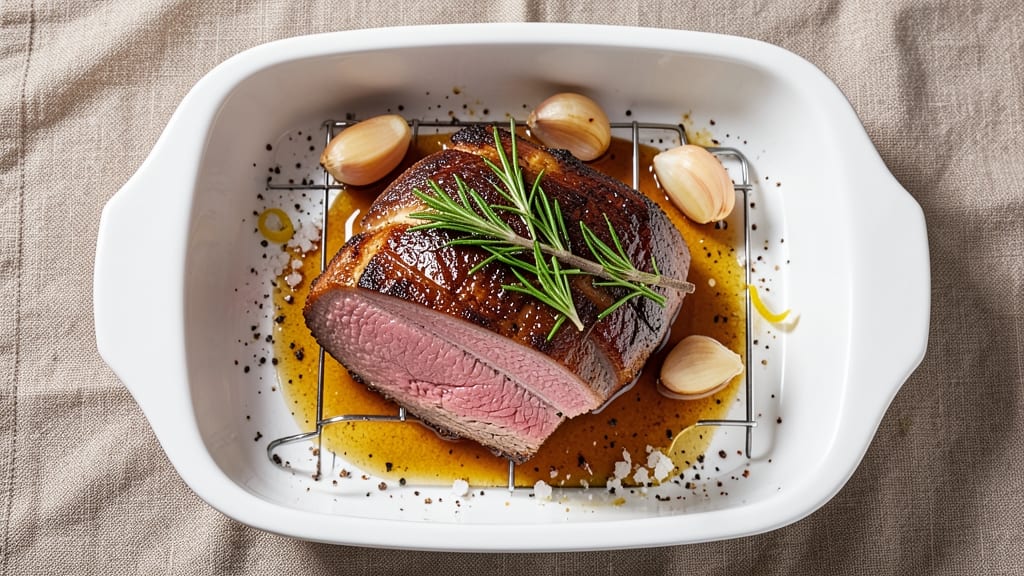
A baked beef tenderloin steak recipe delivers the perfect balance of a crispy, dry-brined crust and a juicy, melt-in-your-mouth core—the kind of restaurant-quality result you’d expect from a high-end steakhouse. This method eliminates guesswork by using a dry brine and precise oven temperature control, ensuring every slice is tender and flavorful without overcooking. The secret lies in patience: letting the seasoning penetrate deeply while maintaining an even internal temperature throughout.
The process starts with a dry brine, where coarse kosher salt works its magic over several hours to transform the tough exterior into a flavorful, caramelized crust.
Unlike traditional searing, this technique relies on the oven’s steady heat to render fat and develop texture evenly, while a meat thermometer guarantees perfect doneness—no more guessing. The result? A steak that’s foolproof for entertaining or a special weeknight dinner, with minimal effort but maximum impact.
What you’ll end up with is a steak that’s tender enough to cut with a fork but holds its shape beautifully, with a crust that’s crispy yet rich, not burnt. The dry brine enhances natural beef flavors without masking them, and the reverse-sear method ensures a consistent, juicy interior.
This isn’t just another steak recipe—it’s a technique that transforms a simple cut into something extraordinary, every time.
Pair it with roasted garlic mashed potatoes or a bold red wine reduction for a complete meal that feels like a celebration. Let’s get started on creating the perfect steak.
Ingredients for baked beef tenderloin steak
This dry-brined beef tenderloin transforms a simple cut into restaurant-quality perfection—crispy crust, juicy core, foolproof technique.
| Ingredient | Amount | Notes |
|---|---|---|
| Beef Tenderloin 🥩 | 2 lb | Center-cut, trimmed of silver skin |
| Coarse Kosher Salt 🧂 | ½ cup | Diamond Crystal preferred |
| Freshly Ground Black Pepper 🌶️ | 1 tbsp | Freshly cracked for best flavor |
| Unsalted Butter 🧈 | ¼ cup | Cold, cubed for basting |
| Garlic Cloves 🧄 | 6 cloves | Smashed, not minced |
| Fresh Rosemary 🌿 | ¼ cup | Chopped, stems removed |
| Fresh Thyme 🌿 | ¼ cup | Leaves only, stems discarded |
| Extra-Virgin Olive Oil 🫒 | 2 tbsp | For basting and crust |
| Meat Thermometer 🌡️ | 1 whole | Instant-read preferred |
| Baking Sheet 🍳 | 1 whole | Heavy-duty, rimmed |
| Heavy-Duty Aluminum Foil 📄 | 1 sheet | For tenting |
The beef tenderloin is the star here—center-cut for tenderness and trimmed of silver skin for even cooking. Whole Foods or high-end butchers carry the best cuts, but don’t stress if you find a good one at Costco. Look for bright red color and good marbling—this cut should be lean but not dry. The dry brine is non-negotiable: Diamond Crystal kosher salt (it’s coarser than Morton) works best for that perfect crust. Freshly cracked pepper and chopped herbs add depth without overpowering the beef’s natural flavor. Pro tip: Pat the meat dry before seasoning—moisture is the enemy of a crispy crust.
No instant-read thermometer? A digital kitchen thermometer works too, but avoid oven-safe ones—they’re less accurate. Short on rosemary? Thyme alone works at double the amount. The butter should be cold and cubed—don’t let it melt before basting. For extra flavor, infuse the olive oil with garlic and herbs before using. If you’re prepping ahead, brine the steak up to 24 hours early and keep it refrigerated, uncovered, until ready to bake. The foil? Heavy-duty is key—regular foil tears when tenting.
Once baked, let the steak rest 10-15 minutes before slicing—this keeps it juicy. Slice against the grain for maximum tenderness. Leftovers? Reheat gently in the oven (200°F for 10 minutes) to avoid drying out. The crust is best eaten fresh, but the interior reheats beautifully. For a showstopper presentation, slice into medallions and fan over mashed potatoes. This recipe scales perfectly for crowds—just adjust baking time by 10-15 minutes per pound.
Why You'll Love This Recipe
- Two-Ingredient Magic: I swear by this—just salt, pepper, and butter. No fancy rubs, no stress. The tenderloin does all the work while you sip wine and pretend you’re a chef.
- Crispy-Garlic Bliss: That butter-basted garlic? It caramelizes right on the steak, giving you a flavor bomb with zero effort. Honestly, I’ve cried happy tears over this.
- Weeknight to Dinner Party: Same recipe, different vibes. Toss it on a sheet pan for Tuesday, or platter it with roasted veggies for Sunday guests. No excuses, no stress.
- Leftovers That Don’t Suck: Cold slices the next day? Still melt-in-your-mouth tender. Slice thin, char on the grill, and suddenly you’ve got gourmet sandwiches for lunch. (Yes, even on a Tuesday.)
Step-by-step instructions for baked beef tenderloin steak
This dry-brined method delivers a perfect balance of crispy crust and melt-in-your-mouth tenderness every time.
Dry-Brining the Beef Tenderloin
Pat the 2 lb beef tenderloin completely dry with paper towels—this is absolutely critical for that coveted crust. Place it on a wire rack set over a rimmed baking sheet. In a small bowl, whisk together the 0.5 cup coarse kosher salt and 1 tbsp freshly ground black pepper. Generously coat every surface of the beef, pressing the salt into the meat so it adheres well.
Here's the thing—dry-brining for 24 hours in the refrigerator creates the ideal crust while keeping the interior juicy. I know it's tempting to rush, but trust me: this step transforms the texture completely. Cover loosely with plastic wrap and refrigerate, turning the beef every 8 hours to ensure even seasoning. The salt will draw out moisture, creating that perfect crust when we bake it later.
Preheat and Prepare the Herb Butter
Preheat your oven to 425°F while you prepare the herb butter. In a small bowl, combine the 0.25 cup cold unsalted butter, 6 smashed garlic cloves, 0.25 cup chopped fresh rosemary, and 0.25 cup fresh thyme leaves. Mix gently with a fork—you want the herbs distributed throughout the butter but not mashed into a paste. This aromatic compound will baste the beef and infuse it with incredible flavor.
Remove the beef from the refrigerator and let it sit at room temperature for 30 minutes before roasting. This ensures even cooking from edge to center. While it's coming to temperature, position the oven rack in the middle position—this gives you perfect heat circulation for even browning.
Sear and Baste for Maximum Flavor
Place the beef tenderloin on the baking sheet and rub the herb butter mixture all over its surface, pressing gently to help it adhere. Pour 2 tbsp extra-virgin olive oil into a small bowl and brush it over the beef as well—this creates an additional barrier for that crispy crust. Place the baking sheet on the middle rack and bake for 15 minutes to develop a golden-brown crust.
Here's where it gets exciting: every 5 minutes during the remaining 20-25 minutes of baking, use a spoon to baste the beef with the rendered juices and melted butter. This basting technique ensures every bite is packed with flavor. You'll know it's ready when the internal temperature reaches 125-130°F on your instant-read thermometer—this gives you that perfect medium-rare finish.
Rest and Slice for Perfect Texture
Remove the beef from the oven and transfer it to a cutting board. Tent loosely with the heavy-duty aluminum foil and let it rest for 15-20 minutes. This resting period is absolutely crucial—it allows the juices to redistribute throughout the meat, preventing them from running out when you slice. The internal temperature will rise another 5-10°F during this time, so don't be tempted to cut into it early.
Slice the beef tenderloin into 1-inch thick medallions against the grain for maximum tenderness. Each slice should be perfectly pink in the center with a beautiful golden-brown crust. Serve immediately with any pan juices spooned over the top—these are packed with concentrated flavor. The result should be a steak that's incredibly tender, juicy, and bursting with herb-infused richness in every bite.
Pro Tips For Making Baked Beef Tenderloin Steak
- Sear First, Bake Second: Hit the tenderloin with a screaming-hot pan—no butter yet—until deep brown crust forms on all sides. The residual heat carries into the oven, locking in flavor while the butter melts later for richness. (Yes, this adds 5 minutes, but it’s worth it.)
- Salt Like a Pro: Generously coat the tenderloin with kosher salt 24 hours ahead—don’t skimp, and pat it dry before baking. The salt penetrates deeper, and the dry surface ensures a perfect crust. (I learned this the hard way with a bland, soggy sear.)
- Butter the Cavity: Stuff the center of the tenderloin with softened butter and smashed garlic cloves before tying it up. The butter pools inside during baking, basting the meat from within for insane tenderness. (Skip this, and you’re missing the best part.)
- Use a Thermometer: Pull the beef at 120°F for medium-rare—it’ll rise to 125°F while resting. Guessing leads to overcooked, dry meat. (I was skeptical until I tried it—now I never go back.)
Wine and beer pairings for this recipe
Bold Red Wine Pairings
For this herb-infused beef tenderloin, I reach for Cabernet Sauvignon or Syrah—both have enough tannins to stand up to the rich crust while complementing the rosemary and thyme notes.
A Napa Valley Cabernet with its blackcurrant and vanilla undertones mirrors the beef’s depth, while a Crozes-Hermitage Syrah adds a peppery brightness that cuts through the butter. Chill slightly (about 60°F) to enhance the wine’s structure without muting its complexity. 🍷
Full-Bodied White Options
If you prefer white wine, Chardonnay from Burgundy or California delivers the creaminess to match the steak’s richness. Look for a unoaked or lightly oaked version with citrus and mineral notes—this balances the beef’s fat without overpowering it.
A Viognier from Condrieu adds floral aromas that harmonize beautifully with the rosemary. Serve at 50-55°F to preserve its crisp acidity.
Beer Pairings for Bold Flavors
A dark amber ale or porter works surprisingly well with this dish. The malt sweetness and caramel notes in a Samuel Smith’s Nut Brown Ale complement the herb butter, while the slight bitterness in a Deschutes Mirror Pond Porter cleanses the palate between bites.
For a lighter option, try a Belgian Dubbel like Westmalle Trappist—its fruity depth and spice echo the steak’s crust. 🍺
Unexpected but Delicious
Don’t overlook Malbec from Argentina—its juicy plum and dark chocolate flavors pair perfectly with the beef’s caramelized exterior. A 2018 Catena Zapata Malbec (around $30) is my go-to for special occasions.
For something truly unexpected, a Pinot Noir from Oregon with its red fruit and earthy notes offers a lighter contrast that still shines with the herbs. Decant for 30 minutes to soften tannins and enhance aroma.
Nutrition facts
Frequently asked questions
How do I know when my beef tenderloin is cooked to medium-rare?
Use an instant-read thermometer to check the internal temperature—125-130°F gives you that perfect medium-rare finish. The crust should be golden-brown, and the meat should feel slightly springy when pressed gently. Remember, the temperature will rise another 5-10°F while resting, so pull it out just before it hits your target.
Can I use this recipe for a larger crowd?
Scale the recipe by 10-15 minutes per pound for larger tenderloins. For example, a 4 lb tenderloin will need about 45-50 minutes total baking time. Keep the dry brine time proportional (e.g., 24 hours for 2-4 lbs) and adjust the herb butter quantity by 1/4 cup per pound of meat.
What if I don’t have a meat thermometer?
No thermometer? Use the finger test: press your finger gently on the meat—medium-rare should feel like the base of your thumb (slightly soft but firm). For a 4 lb tenderloin, bake for about 30-35 minutes total after the initial 15-minute crusting phase. Just remember, this method is less precise than a thermometer.
Why does my crust turn out uneven or pale?
Uneven crusts usually happen from moisture or inconsistent heat. Pat the meat extra dry before seasoning, and ensure your oven is fully preheated to 425°F. For extra insurance, broil the steak for 2-3 minutes at the end to intensify browning. Also, avoid opening the oven door during baking—this disrupts heat circulation and can cause steam pockets.
How far ahead can I prepare the dry brine?
You can dry-brine the beef tenderloin up to 48 hours in advance! Store it uncovered in the fridge, turning it every 8 hours for even seasoning. The longer it brines, the more intense the crust will be. Just