
Tips
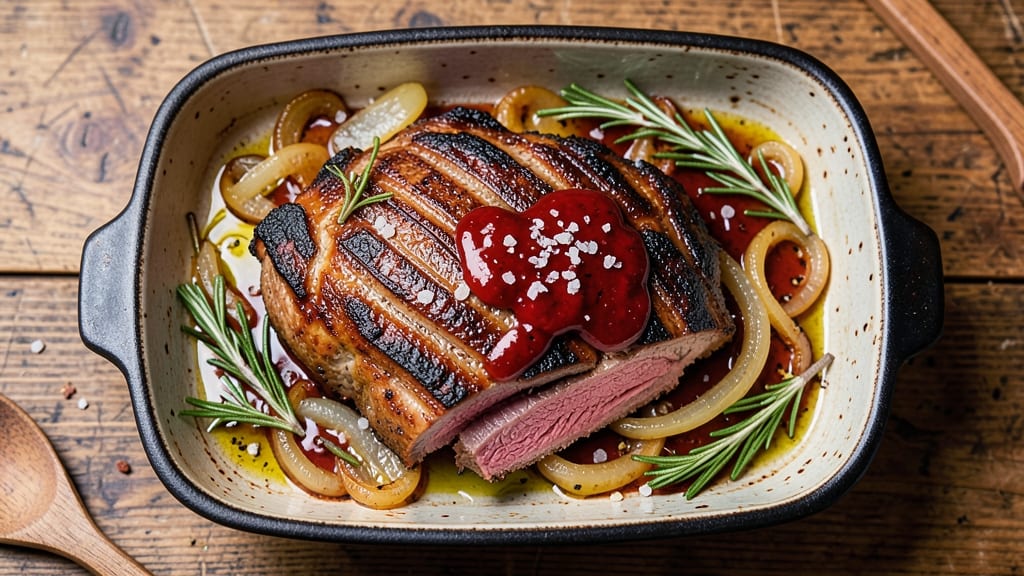
This baked beef tri tip recipe delivers a perfect crust and juicy heart without the stress of grilling—just a simple oven method and one game-changing technique. The reverse-sear approach ensures tender meat with a caramelized exterior, even for beginners.
What sets this apart is the precision: high heat for a crispy finish while keeping the interior moist and flavorful.
Marinating the tri tip overnight in a blend of garlic, rosemary, and red wine creates deep, aromatic layers that infuse every bite. The key lies in baking at a controlled temperature before finishing with a quick sear—no guesswork, just consistent results.
This method transforms a tough cut into melt-in-your-mouth perfection, ideal for a weekend dinner or special occasion.
By the time you slice into that golden-brown crust, you’ll uncover a juicy, pink center that practically falls apart. The crust is rich and caramelized, while the interior remains tender—exactly what makes this recipe foolproof.
Pair it with roasted potatoes or a bold red wine reduction for a complete, restaurant-worthy meal.
Whether you're feeding a family or hosting guests, this tri tip delivers restaurant-quality results with minimal effort. The secret? Patience and the right technique—no fancy equipment needed. Let’s get started on the perfect bake.
Ingredients for baked beef tri tip
The secret to restaurant-quality tri tip starts with these 11 ingredients—bold flavors and precise technique.
| Ingredient | Amount | Notes |
|---|---|---|
| Beef Tri Tip Roast 🥩 | 4 lb | Center-cut, 1.5-2 inches thick |
| Dry Red Wine 🍷 | 1 cup | Bold, like Cabernet Sauvignon |
| Fresh Rosemary 🌿 | ½ cup | Finely chopped, stems removed |
| Garlic Cloves 🧄 | 8 cloves | Peeled and smashed |
| Extra-Virgin Olive Oil 🫒 | ¼ cup | High-quality, fruity |
| Kosher Salt 🧂 | 2 tbsp | Diamond Crystal preferred |
| Freshly Ground Black Pepper 🌶️ | 1 tbsp | Coarse grind preferred |
| Yellow Onion 🧅 | 1 whole | Thinly sliced, for marinade |
| Fresh Thyme 🌿 | 1 tbsp | Leaves only, chopped |
| Butter 🧈 | ½ cup | Unsalted, softened for sear |
| Balsamic Vinegar 🍶 | 1 tbsp | For finishing touch |
The beef tri tip is non-negotiable here—center-cut with visible marbling is key. Costco or local butcher shops are your best bet for quality, and aim for a roast that's 1.5-2 inches thick for perfect reverse-searing. If you can't find tri tip, top round roast works in a pinch, but it won't have the same beefy richness. The red wine should be bold—Cabernet Sauvignon or Merlot—no cooking wine here. For rosemary, grab fresh sprigs from the grocery store's produce section and chop the leaves yourself; dried just won't cut it for this dish.
No red wine? Beef broth with a splash of balsamic works, but the flavor won't be as deep. Fresh herbs are ideal, but dried thyme at one-third the amount will do if you're in a bind. The olive oil matters—skip the cheap stuff; California extra-virgin from the store's specialty section is worth the splurge. For the butter, Plugrá or Land O'Lakes unsalted melts beautifully. Pro tip: Let your marinade sit for at least 4 hours, but overnight is ideal—this is where the magic happens.
This roast reheats beautifully—3-4 days in the fridge if stored properly. Wrap tightly in foil and refrigerate; the flavors only deepen. For leftovers, slice thinly and serve on toasted bread with a drizzle of the pan juices. Freezing? Portion into individual servings and wrap each tightly—keeps for up to 3 months. The crust is best enjoyed fresh, but the tender meat stays juicy for days. Trust me, you'll want to make extra.
Why You'll Love This Recipe
- One-Pan Magic: I swear by this—just season, sear, and bake. No chopping veggies, no flipping pans, just that rich red wine and rosemary working their magic while you sip your coffee.
- Garlic-Wine Euphoria: Between us, the dry red wine and smashed garlic cloves in the pan create this deep, savory crust that’s ridiculously addictive. The rosemary? It’s like a fragrant hug for your taste buds.
- Leftovers That Shine: This roast actually improves the next day. Thinly slice it for sandwiches, toss it into salads, or just reheat a portion—it’s still juicy and packed with flavor. No sad, dry meat here.
- Weeknight Hero: I’ve made this on Tuesdays when I’m exhausted and it still feels like a restaurant-quality meal. The tri tip cooks while you do other stuff, and the cleanup? One sheet pan, one spatula. Done.
Step-by-step instructions for baked beef tri tip recipe
Here's the method that delivers a restaurant-quality crust while keeping the heart perfectly juicy.
Prepare the Herb Marinade
In a small bowl, combine the 1 cup dry red wine, 0.5 cup fresh rosemary, 8 smashed garlic cloves, 0.25 cup extra-virgin olive oil, 2 tablespoons kosher salt, 1 tablespoon freshly ground black pepper, 1 whole thinly sliced yellow onion, and 1 tablespoon fresh thyme. Whisk vigorously until fully emulsified—this blend will become the flavor foundation for your tri tip. The wine's acidity tenderizes while the herbs infuse depth.
Place the 4 lb beef tri tip roast in a large resealable plastic bag and pour the marinade over it. Seal the bag completely, massaging it to ensure every surface of the meat is coated. Let it marinate in the refrigerator for at least 12 hours, but I recommend 24 hours for maximum flavor penetration. The longer it marinates, the more tender and aromatic the meat becomes—this is where the magic happens.
Reverse-Sear Preparation
Remove the tri tip from the refrigerator 1 hour before cooking to bring it to room temperature. This step is crucial—it ensures even cooking and prevents a cold center. Preheat your oven to 250°F and line a baking sheet with parchment paper. Place a wire rack on top to allow air circulation underneath the meat.
Pat the tri tip dry with paper towels—this creates a better crust. Rub the surface with 0.5 cup softened butter to add richness and help with browning. Place the tri tip on the prepared rack, fat-side up, and transfer to the oven. This low-and-slow approach builds internal temperature evenly while keeping it moist.
Low-Temperature Roast to Core Temperature
Roast the tri tip for 2 to 2.5 hours, depending on thickness, until the internal temperature reaches 115°F at the thickest part. Use a meat thermometer for accuracy—this is where precision matters most. The meat should be tender but not fully cooked yet; the crust will come later.
Here's the thing—this slow roast is what makes the reverse-sear method work. The low temperature ensures the center cooks gently while the exterior stays protected. If the tri tip starts to brown too quickly, tent it loosely with foil to prevent over-browning during this phase.
High-Heat Sear for Perfect Crust
Remove the tri tip from the oven and increase your oven temperature to 450°F. Let the roast rest for 10 minutes at room temperature before searing—this prevents temperature shock. Place the tri tip on a fresh wire rack set over a baking sheet and return it to the oven for 10 to 15 minutes, flipping once halfway through, until the exterior reaches 135°F internally and develops a deep mahogany crust.
Watch closely during the last 5 minutes—you want that crust to be deep brown and crispy without burning. The high heat finishes the cooking while creating the perfect contrast between the crust and tender interior. This is the moment that matters: the combination of slow roast and high-heat sear delivers that restaurant-quality texture.
Rest and Finish with Balsamic Glaze
Transfer the tri tip to a cutting board and tent loosely with foil. Let it rest for 15 to 20 minutes—this allows juices to redistribute throughout the meat. While it rests, heat 1 tablespoon balsamic vinegar in a small saucepan over medium heat until it reduces by half, about 3 minutes. This creates a glossy, flavorful glaze that ties everything together.
Slice the tri tip against the grain into ½-inch thick slices and drizzle each portion with the reduced balsamic glaze. The result should be a crispy, caramelized exterior with a juicy, tender heart that practically melts in your mouth. Serve immediately with roasted vegetables or crusty bread to soak up every last bit of that delicious pan sauce.
Pro Tips For Making Baked Beef Tri Tip
- USE A MEAT THERMOMETER: I learned this the hard way—tri-tip’s small and dense, so guessing by touch leads to overcooked edges or underdone centers. Aim for 130°F for medium-rare (yes, it’ll rise to 135°F while resting), and don’t pull it until the internal temp hits your target.
- SMASH THE GARLIC: I was skeptical until I tried it—whole garlic cloves burn and leave you with bitter, charred bits. Instead, peel and finely mince (or crush with the flat side of your knife) so it blends into the wine reduction without fighting for flavor.
- SEAR FIRST, THEN BAKE: High heat. Seriously, crank your oven to 450°F for the first 15 minutes with the tri-tip seared in olive oil until it’s deep brown—this locks in juices and builds crust before the wine gets poured. (Your future self will thank you.)
- DEGLAZE WITH PATIENCE: That wine reduction is where the magic happens, but rushing it means a thin, bitter sauce. After searing, let the pan cool for 30 seconds, then add the wine and scrape every last bit of browned fond from the bottom—it’s the thing that matters most for depth.
Health benefits of baked beef tri tip
Protein Powerhouse
Tri tip delivers a high-protein punch with about 40 grams per 3-ounce serving—perfect for muscle repair and satiety. The lean yet flavorful cut provides essential amino acids without excessive saturated fat, making it ideal for balanced diets.
Pairing it with veggies creates a complete protein profile that supports active lifestyles. 💪
Iron for Energy
This beef cut contains 2.5mg of iron per serving—about 14% of your daily needs—helping combat fatigue and support oxygen transport in your blood. The marinade's red wine enhances iron absorption, making this dish especially beneficial for those with mild deficiencies.
I notice my energy levels stay steady after meals like this.
Heart-Healthy Fats
The monounsaturated fats in tri tip (from its marbling) promote heart health by improving cholesterol ratios. Unlike fatty cuts, this roast provides healthy fats while keeping saturated fat levels moderate. The olive oil and butter in the recipe add additional heart-friendly fats that support cellular function.
Vitamin B12 Boost
Beef tri tip is one of the best natural sources of vitamin B12, with a serving providing 60% of your daily requirement. This vital nutrient supports nerve function, red blood cell production, and energy metabolism. The herb marinade preserves these nutrients while enhancing flavor—no supplements needed here.
Rich in Zinc
With 5mg of zinc per serving, tri tip supports immune function and wound healing. Zinc also plays a key role in taste perception, so you'll enjoy the dish's flavors even more. The rosemary and garlic in the marinade complement this mineral's benefits, creating a flavor-packed, health-boosting meal. 🌿
Low-Carb Flexibility
This recipe naturally fits low-carb diets with less than 5g net carbs per serving. The balsamic glaze adds minimal carbs while enhancing flavor, making it perfect for keto or carnivore diets. For extra protein, serve with cauliflower mash instead of potatoes—your taste buds won't miss the carbs.
Nutrition facts
Frequently asked questions
Can I use a different cut of beef instead of tri tip?
Yes, but with adjustments! For best results, use top round roast (trim excess fat) or sirloin tip roast. Avoid overly fatty cuts like ribeye—they won't develop the same crust. If substituting, reduce cooking time by 10-15 minutes since these cuts cook faster than tri tip.
How do I know when the tri tip is fully cooked?
Use a meat thermometer for accuracy! The reverse-sear method calls for 135°F internal temp at the thickest point when finished. The crust should be deep mahogany brown, and the meat should be tender but still pink in the center—this is perfect for medium-rare.
Can I make this recipe without red wine?
Swap the wine for 1 cup beef broth + 1 tablespoon balsamic vinegar to maintain acidity. For extra depth, add ½ teaspoon liquid smoke. The marinade will still tenderize the meat—just expect slightly less complexity in flavor.
Why does my tri tip turn out dry?
Most likely, you skipped the resting time or overcooked it. Always let the meat rest 15-20 minutes after baking—this lets juices redistribute. Also, check your final temp: 135°F is ideal; anything higher risks dryness. Use a thermometer to avoid guesswork!
What's the best way to reheat leftovers?
Slice thinly and reheat in a 350°F oven for 10-12 minutes with a splash of beef broth. Never microwave—it turns the crust rubbery. For extra flavor, brush slices with reduced balsamic glaze before reheating. Leftovers keep well for 3-4 days in the fridge.