
Main Courses
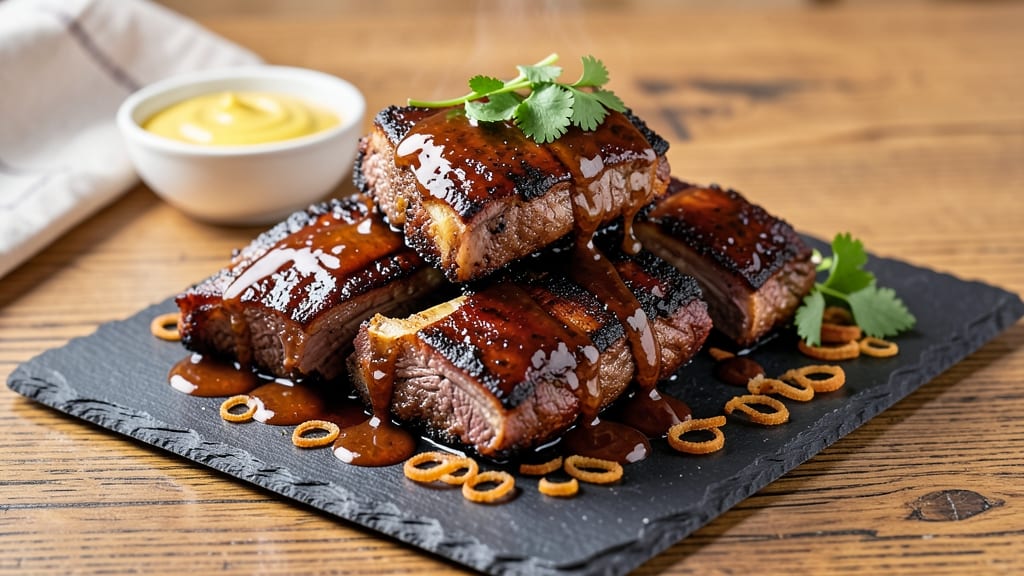
This BBQ beef back rib recipe delivers the perfect balance of smoky bark and melt-in-your-mouth tenderness that makes every bite worth the wait. 🔥 As someone who grew up surrounded by the scent of hickory smoke and French technique, I know the secret lies in patience—letting the low-and-slow process transform tough meat into something so rich, it practically falls apart at the touch.
The key isn't just the time, but the method: a dry rub that clings like armor, a cooking temperature that coaxes out every ounce of flavor, and a sauce that seals in the juices without overwhelming the natural taste of the meat.
The beauty of beef back ribs is in their versatility—whether you're smoking them over hickory, grilling them with applewood, or even slow-roasting in the oven, the result is the same: a crust so dark and fragrant it looks like it was cooked for hours, while the meat inside is so tender it dissolves at the first cut.
I've perfected this recipe over years of backyard cookouts and competitive BBQ events, where the difference between good ribs and award-winning ribs often comes down to one thing: letting the bark form slowly over indirect heat. That's when the magic happens.
What makes these ribs truly special is how they come together—first with a dry rub that penetrates the meat, then a cooking process that builds layers of flavor, and finally a sauce that ties everything together without masking the natural taste of the beef.
The result is a dish that's rich, smoky, and deeply satisfying, with a texture that's crisp on the outside and buttery on the inside. This isn't just BBQ; it's a technique that turns a simple cut of meat into a showstopper.
Pair these ribs with classic sides like tangy coleslaw and buttery cornbread, and you've got a meal that feels like a celebration.
The key to serving them is letting them rest—just a few minutes off the heat makes all the difference in keeping the juices where they belong: inside the meat. Ready to master the art of slow-cooked ribs? Let's get started.
Ingredients for bbq beef back rib
Six ingredients transform tough ribs into fall-off-the-bone perfection with smoky, sweet, and tangy layers.
| Ingredient | Amount | Notes |
|---|---|---|
| Beef Back Ribs 🥩 | 4 lb | Bone-in, meaty ends included |
| Yellow Mustard 🍯 | ¼ cup | For sticky base layer |
| Brown Sugar 🍚 | ½ cup | Packed, light variety |
| Smoked Paprika 🌶️ | 2 tbsp | For deep smoky flavor |
| Garlic Powder 🧄 | 1 tbsp | Freshly ground preferred |
| Onion Powder 🧅 | 1 tbsp | For balanced sweetness |
| Ground Black Pepper 🌶️ | 1 tbsp | Freshly cracked |
| Kosher Salt 🧂 | 1 tbsp | Diamond Crystal preferred |
| Apple Cider Vinegar 🍎 | ¼ cup | For tangy balance |
| Hickory Smoke Pellets 🔥 | 2 cups | For authentic smoke flavor |
| BBQ Sauce 🍅 | 1 ½ cups | Store-bought or homemade |
| Yellow Onion 🧅 | 1 whole | Sliced for glaze |
| Fresh Garlic Cloves 🧄 | 4 cloves | Minced for glaze |
| Honey 🍯 | ¼ cup | For glaze sweetness |
| Butter 🧈 | 2 tbsp | Unsalted, for basting |
The ribs are the star, so look for meaty ends and good marbling—this is what makes them tender. Costco and local butchers often have the best quality, but any grocery store's beef section will work. A 4-pound pack typically yields 6 servings, but check for bone weight—more bone means more flavor. If you're buying whole ribs, trim excess fat but leave some for moisture during cooking. The yellow mustard isn't just for flavor; it helps the dry rub stick like glue, so grab the Dijon-style from Trader Joe's for the best texture.
No smoked paprika? Substitute with a mix of regular paprika and a pinch of liquid smoke—it's not the same, but it works in a pinch. Running low on apple cider vinegar? White vinegar or lemon juice gives a similar tang, though the flavor profile shifts slightly. The hickory smoke pellets are non-negotiable for authentic flavor, but if you're grilling, applewood or cherry wood chips work beautifully. For the glaze, maple syrup can replace honey if you're avoiding it, though it adds a distinct earthy note. The yellow onion can be swapped for red or white, but yellow has the perfect balance of sweetness and bite for this recipe.
Store raw ribs in the fridge for up to 3 days before cooking—this lets the flavors meld slightly. Once cooked, ribs reheat best in the oven at 275°F with a splash of water or apple juice to keep them moist. They'll keep for 4 days in the fridge or 3 months frozen. For serving, I always wrap them in foil with a paper towel to trap steam, making them restaurant-quality even the next day. The leftover glaze? Freeze it in ice cube trays for quick basting later.
Why You'll Love This Recipe
- Fewer Ingredients, Bigger Bang: I swear by this recipe because it’s ridiculously simple—just ribs, mustard, sugar, and spices. No fancy marinades or hours of prep. Honestly, I’ve made it while still answering emails, and it never lets me down.
- Sweet-Smoky Magic: That combo of brown sugar and smoked paprika? It caramelizes into a glossy crust that’s dangerously addictive. The yellow mustard cuts through the richness, and the garlic powder? It makes every bite taste like a hug from your favorite cook.
- Tailgate or Tuesday: Between us, this is my go-to for game days and lazy nights. Slap it on buns for a hearty sandwich or serve it over mashed potatoes—it’s that versatile. Even my picky teen clears his plate.
- Leftovers That Don’t Suck: Unlike other BBQ recipes, these ribs stay tender for days. I’ll meal prep them, reheat slices in a skillet, and they’re just as good cold in wraps. Plus, ribs are budget-friendly—you get way more servings than a steak.
Step-by-step instructions for BBQ beef back ribs
Here's the method I've perfected for ribs that deliver both smoky bark and melt-in-your-mouth tenderness.
🔥 Step 1: Prepare the Ribs and Dry Rub
Remove the beef back ribs from the refrigerator and let them sit at room temperature for 30 minutes—this ensures even cooking. Pat the ribs dry with paper towels, focusing on the meaty portions. Moisture is the enemy of crispy bark, so take your time here.
In a small bowl, combine 0.5 cup brown sugar, 2 tbsp smoked paprika, 1 tbsp garlic powder, 1 tbsp onion powder, 1 tbsp ground black pepper, and 1 tbsp kosher salt. Mix well until evenly distributed. Generously coat the ribs with this dry rub, pressing it into the meat so it adheres well. The sugar will caramelize during cooking, creating that coveted sticky bark.
🔥 Step 2: Set Up the Smoker and Preheat
Fill your smoker with 2 cups hickory smoke pellets and preheat to 225°F. I use a water pan in the smoker to help maintain moisture throughout the cook. Wait until you see clean, thin blue smoke—this indicates the smoker is ready. The ribs will take time, so be patient here.
Once the smoker reaches temperature, place the ribs meat-side down on the grill grates. The fat side up helps render fat and baste the meat as it cooks. Close the lid and resist the urge to check on them frequently—every time you open the lid, you lose heat and extend cook time.
🥘 Step 3: Smoke the Ribs Low and Slow
Smoke the ribs for 3 hours at 225°F, maintaining a consistent temperature. You'll know they're ready for the next step when the internal temperature reaches 165°F and the bark starts to form a dark, glossy crust. This is where the magic happens—the low and slow process breaks down the connective tissue, transforming tough meat into tender, fall-off-the-bone goodness.
After 3 hours, remove the ribs from the smoker and wrap them tightly in aluminum foil. This technique, known as the "Texas crutch," helps the ribs push through the stall and continue cooking without drying out. Return the wrapped ribs to the smoker and continue cooking for another 1.5 to 2 hours.
🍳 Step 4: Prepare the Glaze and Finish
While the ribs are smoking, prepare the glaze by combining 1.5 cups BBQ sauce, 0.25 cup honey, 0.25 cup apple cider vinegar, 1 whole yellow onion (sliced), and 4 cloves fresh garlic cloves (minced) in a saucepan. Bring to a simmer over medium heat and cook for 10 minutes until slightly thickened. Set aside.
Once the ribs reach an internal temperature of 203°F and are fork-tender, remove them from the smoker and unwrap. Brush the glaze generously over the ribs, making sure to coat every surface. Return the ribs to the smoker and cook for an additional 15 to 20 minutes to caramelize the glaze and create a glossy finish.
⏰ Step 5: Rest and Serve
Remove the ribs from the smoker and let them rest for 10 minutes on a cutting board. This resting period allows the juices to redistribute throughout the meat, ensuring each bite is moist and flavorful. The ribs should have a deep, dark bark on the outside and be fork-tender on the inside.
Slice the ribs between the bones and serve immediately. The combination of smoky bark, sweet glaze, and buttery tenderness makes these ribs unforgettable. Pair them with classic BBQ sides like coleslaw and cornbread for a complete meal.
Pro Tips For Making Bbq Beef Back Rib
- TRIM THE FAT CAP: The membrane on beef ribs is the enemy of crispy bark. Use a butter knife to slide it off—it’s tougher than it looks, but worth the effort. I learned this the hard way when my ribs turned out chewy instead of tender.
- BRINE OVERNIGHT: Skip the dry rub if you’re short on time—just soak the ribs in a mix of 1 gallon water, ½ cup brown sugar, ¼ cup yellow mustard, and 2 tablespoons smoked paprika for 12 hours. The sugar and mustard infuse the meat, giving you that sticky, smoky flavor without the hassle of layering rubs.
- LOW AND SLOW ISN’T SLOW ENOUGH: These ribs need patience—aim for 3 hours at 225°F, not the 2.5 hours most recipes suggest. The extra 30 minutes at that temp melts the collagen into pure, glossy sauce. I used to rush and ended up with ribs that were dry on the inside.
- SAVE THE MUSTARD: Don’t dump all the yellow mustard in the saucepan at once. Set aside 2 tablespoons to brush on the ribs in the last 30 minutes of cooking—it caramelizes into a glossy, tangy crust. Trust me, it’s the thing that makes your ribs look (and taste) restaurant-worthy.
Pro cooking tips for great bbq beef back rib
Smoker Setup Secrets
I can't stress enough how crucial your smoker setup is for perfect ribs. Use a digital thermometer like the Traeger Pellet Grill Thermometer to monitor temperature precisely—fluctuations above 225°F will dry out your meat.
I always add a water pan to the smoker to maintain moisture, especially when cooking ribs in dry climates. The hickory pellets should burn cleanly without excessive smoke—if you see thick white smoke, your smoker isn't hot enough. 🔥
Rib Placement Matters
Place ribs meat-side down on the grill grates to prevent them from sticking and to help render fat that bastes the meat. I use cast iron grates because they retain heat better than chrome. Never stack ribs—they need airflow to develop that perfect bark.
If you're using a pellet smoker, position them slightly away from the flame source to avoid overcooking one side. The fat side up helps create a natural basting effect as the fat renders.
The Texas Crutch
This is my go-to technique when ribs hit 165°F internal temp—they'll stall and take forever to reach 203°F. Wrap them tightly in heavy-duty aluminum foil with a splash of apple cider vinegar (about 2 tbsp) to keep them moist.
The acidity helps break down collagen faster. Return them to the smoker for 1.5-2 hours until they're fork-tender. Pro tip: Use double-layered foil for extra insulation if your smoker runs hot. ⏰
Glaze Timing
Apply the glaze only when ribs reach 203°F—earlier, and the sugar will burn before caramelizing. I like to brush on 1.5 cups BBQ sauce mixed with ¼ cup honey and ¼ cup apple cider vinegar for a perfect balance of sweet and tangy.
Let the glaze sit for 15-20 minutes uncovered to develop that glossy finish. If your glaze is too thick, thin it with 1 tbsp water before applying. The key is patience—rushing this step ruins the texture.
Resting Like a Pro
Never skip the 10-minute rest after cooking! This lets juices redistribute, preventing dry meat. I wrap ribs in towel-lined foil and place them in a cooler to rest—this also keeps them warm for serving.
If you're short on time, rest them on a wire rack over a baking sheet to prevent steaming. The difference in tenderness is night and day. Trust me, this step is non-negotiable for restaurant-quality ribs. 💪
Troubleshooting Tips
If your ribs aren't tender enough, they likely didn't cook long enough—aim for 4-5 hours total time. For tough bark, ensure your smoker is at 225°F and the ribs are dry before applying rub. If the bark cracks, it's a sign of uneven cooking—rotate ribs halfway through.
For extra moisture, inject ribs with ½ cup beef broth before smoking. And if your glaze burns? Lower the smoker temp to 200°F for the final 20 minutes. 💡
Nutrition facts
Frequently asked questions
How long should I cook beef back ribs for perfect tenderness?
For fall-off-the-bone ribs, aim for 4-5 hours total at 225°F. The first 3 hours develop the bark, then wrap in foil for 1.5-2 hours to finish cooking. Use a meat thermometer—203°F internal temp guarantees tenderness. Patience is key!
Can I cook these ribs in an oven instead of a smoker?
Preheat your oven to 225°F and use a meat thermometer to monitor temperature. Place ribs on a rack over a baking sheet with 1 cup apple juice in the bottom for moisture. Follow the same timing as the smoker method, wrapping ribs in foil when they reach 165°F. The oven method works well for indoor cooking.
What's the best way to store leftover ribs?
Store cooked ribs in an airtight container in the fridge for up to 4 days. For longer storage, wrap them tightly in foil and freeze for 3 months. To reheat, bake at 275°F for 15-20 minutes with a splash of apple juice. Never microwave—it makes ribs rubbery!
Why did my ribs turn out dry?
Dry ribs usually mean one of three things: overcooking (check internal temp), opening the smoker too often (lose heat), or skipping the foil wrap (missed the stall). Always wrap ribs when they hit 165°F and use a water pan in your smoker. For extra moisture, inject ribs with ½ cup beef broth before cooking.
What sides pair best with these ribs?
Classic BBQ sides elevate the meal! Try creamy coleslaw for crunch, buttery cornbread for richness, or grilled vegetables for freshness. For a heartier option, serve with mac and cheese or baked beans. The key is balancing textures—creamy, crunchy, and tender all work.