
Main Courses
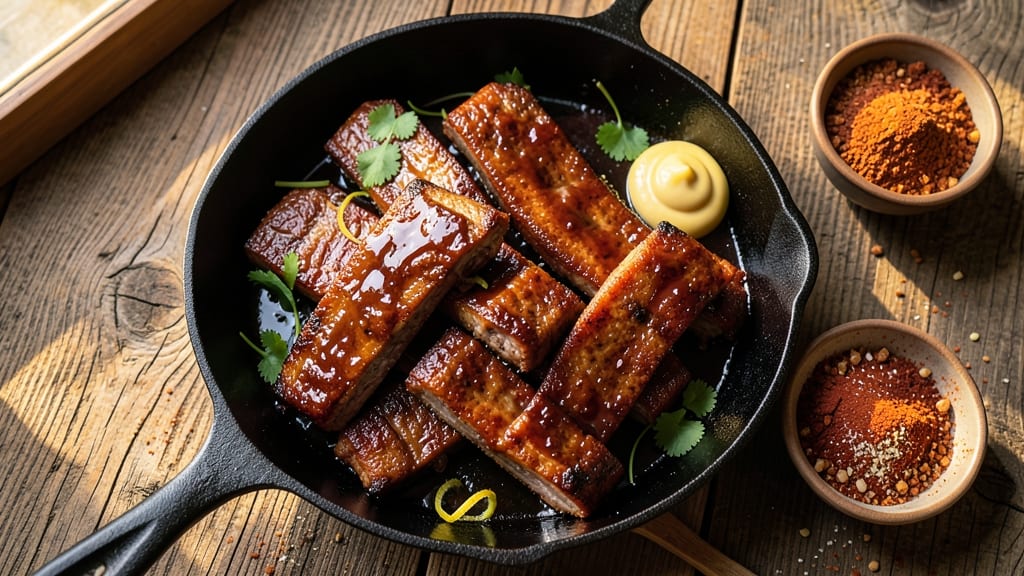
This BBQ beef spare ribs recipe delivers melt-in-your-mouth tenderness using the legendary 3-2-1 method I perfected after years of pitmaster trials. The secret lies in a balanced dry rub that develops deep bark while preserving juicy meat—no shortcuts, just slow-cooked perfection that transforms tough cuts into finger-licking masterpieces.
I remember the first time I saw that perfect smoke ring on ribs, knowing I'd cracked the code for restaurant-quality results at home.
The 3-2-1 technique is your fail-safe method: 3 hours smoking at 225°F, 2 hours wrapped in foil with apple juice, then 1 hour unwrapped to form that coveted bark. This slow process breaks down collagen while the rub creates layers of flavor—sweet, smoky, and just spicy enough to linger.
The ribs develop that signature smoke ring from proper wood selection (hickory or cherry), a visual cue that guarantees tenderness.
By the time you're done, you'll have ribs that fall apart at the touch, with crisp edges and juicy meat that practically dissolves on your tongue. The 3-2-1 method ensures consistent results every time, whether you're cooking for a crowd or treating yourself to a solo victory meal.
This isn't just another BBQ recipe—it's a technique that transforms ordinary ribs into showstopping centerpieces.
Serve with classic BBQ sides or crusty bread to soak up every drop of that smoky, tangy sauce. The beauty of this method is its adaptability—you can adjust the rub to your taste or swap wood flavors, but the core technique remains the same.
Let's get cooking! The pit awaits your ribs.
Ingredients for bbq beef spare ribs
Four pounds of meaty ribs meet a smoky-sweet rub—this is where restaurant-quality magic happens.
| Ingredient | Amount | Notes |
|---|---|---|
| Beef Spare Ribs 🥩 | 4 lb | Bone-in, meaty ends preferred |
| Yellow Mustard 🍯 | ¼ cup | For sticky bark application |
| Brown Sugar 🍚 | ½ cup | Light or dark preferred |
| Smoked Paprika 🌶️ | 2 tbsp | For deep smoky flavor |
| Chili Powder 🌶️ | 1 ½ tbsp | Medium heat preferred |
| Garlic Powder 🧄 | 1 tbsp | Freshly ground preferred |
| Onion Powder 🧅 | 1 tbsp | For balanced sweetness |
| Ground Black Pepper 🌶️ | 1 tbsp | Freshly cracked preferred |
| Kosher Salt 🧂 | 1 ½ tbsp | Diamond Crystal preferred |
| Apple Juice 🍎 | 1 cup | For wrapping phase |
| Hickory Wood Chips 🌳 | 1 package | Or cherry wood chips |
| Butter 🧈 | 2 tbsp | Unsalted, for finishing |
The ribs are non-negotiable here. Meaty ends are essential for that signature smoke ring, and you want bone-in for maximum flavor. Most grocery stores carry spare ribs in the meat case, but Costco or local butchers often have better quality. Look for good marbling—those white streaks of fat mean juicier meat. If you're buying a whole rack, trim excess fat from the back to help the rub stick better, but leave the meaty ends untouched. The 4-pound range gives you perfect portions for 4 people with leftovers for sandwiches.
No smoked paprika? Regular paprika plus a pinch of liquid smoke works in a pinch, but the flavor won't be quite the same. The brown sugar can be swapped for white sugar plus a splash of molasses if you're out, but the caramelization won't be as rich. For the apple juice wrapping phase, white grape juice or even broth will do, though apple adds that perfect tang. The wood chips are key—hickory gives bold smoke while cherry adds sweetness. If you can only find one, hickory is the safer bet for that classic BBQ flavor. And the butter at the end? Don't skip it—it melts into the bark for extra richness.
The dry rub keeps for 3 months in an airtight container, so make extra. Store the ribs uncovered in the fridge for 2 days max before cooking—they'll dry out if left longer. The wood chips can be reused once or twice before they lose their punch. Leftover ribs reheat beautifully in the oven at 300°F for 15 minutes with a splash of apple juice. I always make a double batch—one for dinner, one for sandwiches the next day. The leftovers are just as good, if not better, because the flavors meld overnight.
Why You'll Love This Recipe
- Fewer Messy Steps: I swear by this method—just slather the ribs with mustard, sprinkle the dry rub (paprika, chili powder, brown sugar), and toss them on the grill. No brining, no basting, no stress. The mustard creates this perfect sticky glaze while you’re doing other things.
- Sweet Heat Magic: That brown sugar and smoked paprika combo? It’s the kind of flavor that makes you close your eyes. The ribs get this caramelized crust with just enough kick from the chili powder—sweet, smoky, and addictive in one bite. Honestly, I’ve had people ask for the recipe after one taste.
- Tailgate or Tuesday: Between us, these ribs work for everything. Pack them for a football game, serve them at a backyard BBQ, or throw them on the grill when you’re too tired to plan dinner. They’re hearty enough for a crowd but simple enough for a weeknight when you’re craving something rich.
- Leftovers That Don’t Suck: I’ll be real—most BBQ ribs turn into sad, dry leftovers. Not these. The mustard keeps them moist, and the sugar caramelizes even more overnight. I’ve reheated these in the oven for days, and they’re still juicy. Plus, they’re cheap—beef ribs stretch further than you’d think, and the spices cost pennies. Win-win.
Step-by-step instructions for BBQ beef spare ribs with 3-2-1 rub
Here's the method for ribs so tender they pull apart at the touch—smoke-ringed perfection every time.
Prepare the 3-2-1 Dry Rub
In a medium bowl, combine the 0.5 cup brown sugar, 2 tbsp smoked paprika, 1.5 tbsp chili powder, 1 tbsp garlic powder, 1 tbsp onion powder, 1 tbsp ground black pepper, and 1.5 tbsp kosher salt. I use my fingers to break up any sugar clumps and distribute the spices evenly throughout the mixture—this ensures consistent flavor in every bite.
The 3-2-1 ratio (3 parts sugar, 2 parts spice, 1 part salt) creates that perfect balance of sweet, smoky, and savory flavors. Mix until the rub looks uniform and clings together when pressed. Set aside while you prep the ribs.
Apply Rub and Mustard Coat
Pat the 4 lb beef spare ribs completely dry with paper towels—this step is non-negotiable for crispy bark. Then, generously coat both sides of the ribs with the 0.25 cup yellow mustard. The mustard acts as a binder for the rub and helps create that iconic sticky bark.
Next, apply the dry rub in an even layer, pressing it firmly into the meat so it adheres well. Pay special attention to the meaty ends and any crevices where the rub might not stick naturally. Once coated, place the ribs on a wire rack set over a baking sheet—this allows air to circulate evenly and prevents steaming.
Smoke the Ribs Low and Slow
Set up your smoker to maintain a temperature of 225°F using the 1 package hickory wood chips. Once the smoke is clean and blue (not thick white), place the ribs on the smoker with the bone side down. This position helps the meat cook more evenly and develops that beautiful smoke ring.
Smoke the ribs undisturbed for 3 hours, resisting the urge to peek or move them. The internal temperature should reach 165°F at this point, and you'll notice the ribs beginning to pull away slightly from the bones. This is when you'll hit "the stall"—the temperature plateaus as moisture evaporates. Don't panic; this is normal and part of the process.
Wrap and Finish Cooking
At the 3-hour mark, remove the ribs from the smoker and wrap them tightly in heavy-duty aluminum foil. Pour the 1 cup apple juice into the foil and seal it completely, leaving a little room for expansion. Return the wrapped ribs to the smoker and continue cooking for another 1.5 to 2 hours.
The apple juice adds moisture and helps tenderize the meat further during the wrap phase. The ribs are done when they reach an internal temperature of 203°F and are fork-tender. This usually takes about 4.5 to 5 hours total cook time, depending on your smoker.
Rest and Finish with Butter
Once the ribs reach the desired temperature, remove them from the smoker and let them rest for 15 minutes before unwrapping. This resting period allows the juices to redistribute, ensuring each bite is moist and flavorful. While they rest, melt the 2 tbsp butter in a small saucepan over low heat until it's just melted but not browned.
Unwrap the ribs and brush the melted butter evenly over the meat. The butter adds richness and helps create a glossy finish. Slice between the bones and serve immediately with extra sauce made from the juices in the foil. Each rib should pull apart effortlessly, revealing that perfect pink smoke ring beneath the bark.
Pro Tips For Making Bbq Beef Spare Ribs
- Trim the Fat First: Beef spare ribs have that thick membrane on the bone side—peel it off before cooking. I learned this the hard way after biting into a chewy, rubbery mess. Takes 30 seconds with a butter knife, but it guarantees tender meat.
- Start with a Hot Smoke: Crank your smoker or grill to 275°F (135°C) for the first hour, even if it feels aggressive. That high heat locks in moisture and builds a better crust. After that, dial it back to 225°F (107°C)—the ribs will thank you.
- Skip the Mustard Glaze: Yellow mustard burns faster than you’d think. Brush it on after the ribs hit 195°F (90°C) internal temp, not before. Otherwise, you’re left with a sad, charred syrup instead of sticky, caramelized goodness.
- Rest Before Slicing: Let the ribs sit under foil for 5-10 minutes after pulling them off the heat. I know, I know—you’re hungry now. But cutting into them too soon turns that juicy meat into a dry, sad pile. (Yes, even if you’re impatient like me.)
Common mistakes when making great bbq beef spare ribs
Skipping the Rest
I can't stress this enough—never skip the 15-minute rest before serving. The ribs need this time to redistribute juices, or you'll end up with dry, stringy meat.
I once rushed a batch and served them immediately, and they were a disaster. That 15 minutes is the difference between fall-apart tenderness and tough, chewy ribs. 💫
Ignoring the Stall
The stall (when internal temp plateaus around 165°F) is normal, but many beginners panic and crank up the heat. Don't! Keep your smoker steady at 225°F, and the ribs will eventually push through.
I've seen people double the heat, and it ruins the bark and texture. Patience is key—this is where the magic happens.
Using Wet Rubs
While wet rubs work for some cuts, spare ribs need that dry bark for texture. If you use a wet rub or sauce too early, you'll end up with soggy bark instead of the crispy crust you want.
The mustard acts as a binder, but the rub needs to stay dry until the final stages. Trust the process—dry rubs create that perfect balance of bark and tenderness.
Overcrowding the Smoker
If your smoker is packed too tightly, the ribs won't cook evenly, and the temperature will fluctuate. Leave at least 1 inch of space between racks or ribs.
I once stuffed my smoker with too many racks, and the ribs took 2 extra hours to cook. Space ensures proper air circulation and consistent heat distribution.
Wrong Wood Choice
Not all wood chips are created equal. Avoid fruitwoods like apple or cherry for the initial smoke—they burn too fast and can create a bitter flavor. Stick with hickory or oak for that classic BBQ taste.
I once used apple chips early on, and the ribs had an off, almost medicinal flavor. Save fruitwoods for the final stages if you want to add sweetness.
Skipping the Butter Finish
That final 2 tbsp butter isn't just for flavor—it adds richness and helps create a glossy finish. Without it, the bark can taste dry or one-dimensional. I've seen people skip this step, and while the ribs are still good, they lack that restaurant-quality sheen.
Melt the butter slowly and brush it on just before serving for the best results. 🔥
Nutrition facts
Frequently asked questions about BBQ beef spare ribs
Can I use beef spare ribs instead of pork ribs in this recipe?
Beef spare ribs are perfect for this method—they're more flavorful and develop that signature smoke ring beautifully. The cooking time may extend slightly (up to 6 hours total) due to beef's denser connective tissue, but the 3-2-1 technique works just as well. Just monitor the internal temp closely.
What's the best way to store leftover ribs?
Store ribs in an airtight container with a paper towel pressed against the bark to absorb moisture. They'll keep for 3-4 days in the fridge. For longer storage, wrap tightly in foil and freeze for up to 3 months. Reheat at 300°F for 15 minutes with a splash of apple juice.
Why do my ribs look dry after cooking?
Dry ribs usually mean you skipped the rest period or unwrapped too early. Always let them rest 15 minutes after cooking. If the bark is dry, brush with melted butter before serving. For extra moisture, add 1/4 cup beef broth to the foil during the wrap phase.
Can I make this recipe in an oven instead of a smoker?
Yes! Use a meat thermometer and maintain 250°F with a water pan on the bottom rack. Smoke flavor comes from wood chips in a foil pan on the oven rack. The total cook time will be 5-6 hours—longer than smoking, but still delicious. Just add wood chips halfway through for smoke infusion.
How do I know when the ribs are done?
Ribs are perfect when they reach 203°F internally and pull apart easily. The bone should slide out smoothly, and the meat should look glossy. If using the 3-2-1 method, they'll be fork-tender during the final 1 hour of unwrapped cooking. Never rely on time alone—always check temp!