
Main Courses
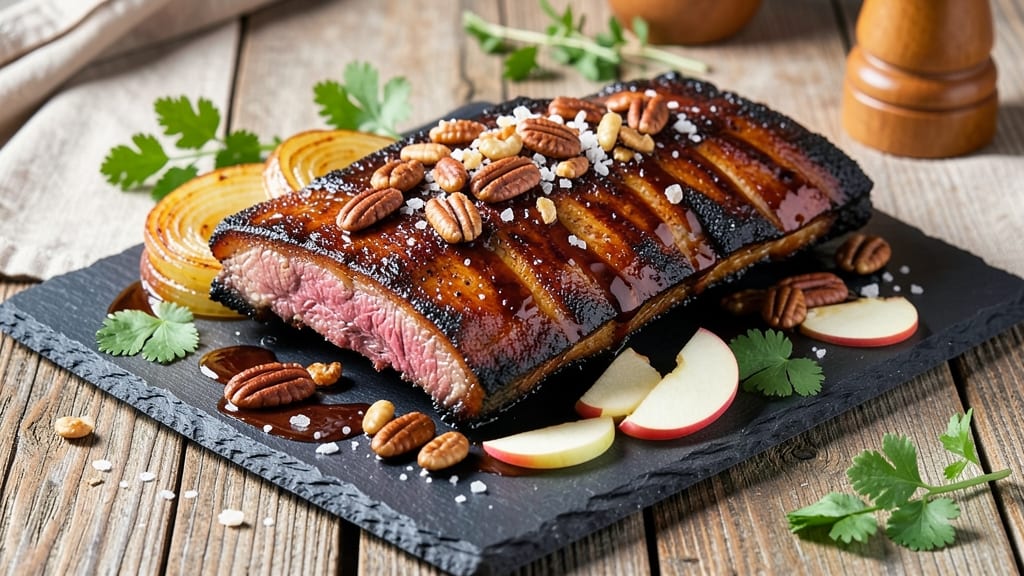
This barbecue beef spare ribs recipe delivers the perfect balance of smoky bark and melt-in-your-mouth tenderness—exactly what transforms a cookout into a memorable feast. 🔥 After years of perfecting my pitmaster technique, I've cracked the code for achieving that coveted fall-off-the-bone texture while maintaining a rich, caramelized crust.
The secret lies in a carefully balanced dry rub and the patience of low-and-slow cooking that lets all those connective tissues break down just right.
What sets this recipe apart is the combination of French technique precision with classic American BBQ tradition.
We'll start with a dry rub that builds layers of flavor—smoky paprika, sweet brown sugar, and a touch of cayenne—then let the ribs cook until they're so tender they practically fall apart at the touch.
The key is maintaining a consistent temperature and basting occasionally with apple cider vinegar to keep the meat moist and develop that signature bark.
By the time you're done, you'll have ribs that are crispy on the outside with a deep mahogany color, while the meat inside is so tender it practically dissolves.
The aroma alone will have everyone gathering around your grill, and each bite delivers that perfect harmony of smoky, sweet, and slightly spicy flavors. This is the kind of recipe that turns simple weeknight dinners into events worth celebrating.
Serve these ribs with classic sides like creamy coleslaw, cornbread, and baked beans for the full BBQ experience. The leftovers reheat beautifully too, making this the ultimate make-ahead meal for feeding a crowd. Let's get started on creating ribs that will have your guests begging for the recipe!
Ingredients for barbecue beef spare ribs
Six pounds of beef spare ribs plus a handful of pantry staples—this is your BBQ game-changer.
| Ingredient | Amount | Notes |
|---|---|---|
| Beef Spare Ribs 🥩 | 6 lb | Bone-in, trimmed of excess fat |
| Yellow Onion 🧅 | 1 whole | Large, sliced into wedges |
| Apple Cider Vinegar 🍎 | ½ cup | For basting and moisture |
| Smoked Paprika 🌶️ | ½ cup | High-quality for smoky depth |
| Brown Sugar 🍚 | ½ cup | Light or dark variety |
| Kosher Salt 🧂 | ¼ cup | Diamond Crystal preferred |
| Ground Black Pepper 🌶️ | 1 tbsp | Freshly cracked for heat |
| Cayenne Pepper 🔥 | 1 tsp | Adjust for spice preference |
| Garlic Powder 🧄 | 1 tbsp | Freshly ground preferred |
| Onion Powder 🧅 | 1 tbsp | For aromatic depth |
| Mustard Powder 🍯 | 1 tsp | For subtle tang |
| Extra-Virgin Olive Oil 🫒 | 2 tbsp | For rib coating |
| Yellow Mustard 🍯 | 2 tbsp | For initial coating |
| Fresh Rosemary 🌿 | ¼ cup | Chopped, for fresh aroma |
| Fresh Thyme 🌿 | ¼ cup | Chopped, for herbal notes |
The ribs are non-negotiable—look for bone-in, meaty spare ribs with good marbling. Costco or local butchers often have the best quality, but any grocery store with a meat counter will work. If you can't find spare ribs, back ribs will do in a pinch, but they'll cook faster. The apple cider vinegar is key for moisture and tang—Heinz or local orchard brands are my go-to. Fresh herbs like rosemary and thyme? Buy them from the grocery store's produce section—they're usually fresher than the pre-bundled stuff. For the dry rub, Penzeys or bulk spice bins give the best flavor, but the regular grocery store spices work fine if they're not ancient.
No smoked paprika? Substitute regular paprika plus a pinch of liquid smoke—it's a game-changer. Running low on apple cider vinegar? White vinegar or even lemon juice will work in a bind. The mustard powder is non-negotiable for that classic BBQ tang, but if you're out, a dash of Dijon mustard in the initial coating helps. Fresh herbs wilt fast, so wrap them in damp paper towels and store in the fridge. The olive oil should be extra-virgin—California brands like Corto or Filippo Berio have the best flavor. Prefer a sweeter rub? Swap half the brown sugar for maple syrup—it caramelizes beautifully.
These ribs are make-ahead magic. Prep the dry rub and coat the ribs up to 24 hours ahead—they'll keep in the fridge without drying out. Cook them low-and-slow, then reheat at 300°F for 15 minutes to restore that crispy bark. Leftovers? Portion into airtight containers and freeze for up to 3 months. The flavor actually improves after the first day—trust me on this. Serve with classic sides like creamy slaw or cornbread for the full BBQ experience.
Why You'll Love This Recipe
- Foolproof Prep: I swear by this method—just trim the ribs, toss them in a bowl with the onions and vinegar, then let the oven do the work. No brining, no fuss, and the meat falls off the bone like it’s been slow-cooked for hours.
- Smoky-Sweet Magic: That combo of smoked paprika and brown sugar? It’s where the real magic happens. The vinegar cuts through the richness, while the paprika gives it that deep, smoky warmth that makes every bite irresistible.
- Budget-Buster for Big Gatherings: A full pack of ribs feeds six without breaking the bank, and the ingredients? Most are pantry staples. Perfect for game day, potlucks, or when you’re craving something hearty but don’t want to spend a fortune.
Step-by-step instructions for smoky bark meets buttery fall-off-bone tenderness
Here's how to transform tough beef spare ribs into melt-in-your-mouth perfection with an irresistible bark.
🔥 Step 1: Prepare the Ribs for Maximum Flavor
Start by trimming any excess fat from the 6 lb beef spare ribs, leaving just a thin layer for moisture. Pat them completely dry with paper towels—this is crucial for that deep, smoky bark. In a large bowl, whisk together the 0.5 cup smoked paprika, 0.5 cup brown sugar, 0.25 cup kosher salt, 1 tbsp garlic powder, 1 tbsp onion powder, 1 tsp mustard powder, 1 tbsp ground black pepper, and 1 tsp cayenne pepper. This dry rub is your flavor foundation.
Generously coat every inch of the ribs with the dry rub, pressing it into the meat so it adheres well. Let them sit at room temperature for 30 minutes while you prep the oven. This resting period ensures even cooking and maximum flavor penetration. Here's the thing—don't skip this step. The ribs will develop a deeper, more complex flavor that you won't get if you rush straight to the oven.
🍳 Step 2: Create the Mustard-Oil Coating for Sticky Perfection
While the ribs rest, mix together the 2 tbsp yellow mustard and 2 tbsp extra-virgin olive oil in a small bowl. This combination is a game-changer—it creates a sticky coating that helps the rub cling to the meat and promotes that beautiful bark formation. Brush this mixture all over the rubbed ribs, making sure to get into all the crevices and cracks.
Place the ribs on a wire rack set inside a rimmed baking sheet. The rack allows air to circulate underneath, preventing soggy bottoms. Here's where it gets fun—toss the 1 whole yellow onion (sliced into wedges), 0.25 cup fresh rosemary, and 0.25 cup fresh thyme on the baking sheet around the ribs. These aromatics will infuse the ribs with incredible depth of flavor as they cook.
🔥 Step 3: Bake for Deep Flavor and Initial Tenderization
Preheat your oven to 300°F—this lower temperature is key for breaking down the tough collagen in the ribs without drying them out. Bake the ribs for 2 hours, flipping them over halfway through. You want to see the ribs developing a deep, sticky glaze from the mustard and rub. Here's the critical part: don't peek or open the oven door during this time. Every time you open it, you lose heat and moisture, which can set back your cooking progress.
After 2 hours, remove the ribs from the oven and increase the temperature to 375°F. This is when the magic really happens. The higher heat will help develop that beautiful bark while keeping the meat tender. Return the ribs to the oven and bake for another 30-45 minutes, until the internal temperature reaches 195°F and the meat is fork-tender with a deep mahogany bark. You'll know it's ready when the meat pulls away from the bone with just a gentle tug.
🥘 Step 4: Finish with Apple Cider Vinegar for Tangy Moisture
Once the ribs reach 195°F, remove them from the oven and transfer them to a platter. Here's the final touch—brush them generously with the 0.5 cup apple cider vinegar. The acidity in the vinegar cuts through the richness of the meat and adds a bright, tangy note that balances all those smoky, sweet flavors. Let the ribs rest for 10 minutes before serving—this resting period allows the juices to redistribute, ensuring every bite is moist and flavorful.
Slice between the bones to serve, and watch as your guests marvel at the perfect balance of smoky bark and buttery, fall-off-the-bone tenderness. This is the moment that matters: when you see that first perfect bite disappear, and you know you've nailed it. Serve with extra pan juices for dipping, and enjoy the fruits of your labor—these ribs are worth every minute of the process.
Pro Tips For Making Barbecue Beef Spare Ribs
- Trim the Fat First: Slice off that thick silver skin and any excess fat before cooking—it’s the only way to get real bark and even cooking. I learned this the hard way when my ribs turned greasy instead of crispy, and now I trim them like I’m prepping a steak.
- Brown Sugar Early: Mix the brown sugar into the sauce before the ribs go in—it caramelizes better and sticks to the meat instead of clumping. I used to add it at the end, and half of it just dissolved into the pan like sad, melted candy.
- Don’t Rush the Vinegar: Let the apple cider vinegar simmer for 2-3 minutes before adding the ribs—it mellows the sharpness and deepens the flavor. Skipping this step makes the sauce taste like a science experiment gone wrong (trust me, I’ve done it).
- Two-Zone Heat Works: Start ribs over direct heat for 10 minutes to sear, then move to indirect heat—this locks in moisture and prevents them from drying out. After burning ribs in a crowded pan, I finally cracked the lid and let the smoker do its job.
Dietary considerations for this dish
Gluten-Free Adaptation
This recipe is naturally gluten-free, but there are a few key adjustments to ensure perfect results. The dry rub contains no gluten-containing ingredients, but always double-check your smoked paprika and spices for cross-contamination warnings.
I recommend using certified gluten-free brands like Simply Organic or Bob's Red Mill for complete peace of mind. The mustard powder in the rub is typically gluten-free, but if you're sensitive, opt for a dedicated gluten-free mustard powder or use Dijon mustard instead. 🌾
Low-Carb Options
For a lower-carb version, reduce the brown sugar in the dry rub by half and replace it with erythritol or monk fruit sweetener (about ¼ cup). This maintains sweetness while cutting carbs significantly. The ribs will still develop that beautiful bark, though it may be slightly less sticky.
I've found Lakanto golden sweetener works beautifully for this purpose, as it caramelizes well. The apple cider vinegar remains unchanged as it's naturally low-carb.
Dairy-Free Considerations
This recipe is already dairy-free, but if you're serving guests with dairy sensitivities, keep an eye on the yellow mustard used in the coating. Some brands contain milk derivatives, so check labels or use a dedicated dairy-free mustard like French's Classic Yellow Mustard, which is typically safe.
The olive oil and vinegar components are naturally dairy-free, so no additional substitutions are needed. The ribs themselves are completely free of dairy ingredients throughout the entire process. 🥛
Allergen-Friendly Tips
For nut allergies, ensure all spices and rub ingredients are processed in nut-free facilities. The recipe as written contains no nuts, but cross-contamination is always a risk with bulk spices. I recommend purchasing individual packets of spices from brands like McCormick that clearly state their allergen-free processing.
For soy allergies, check your apple cider vinegar label, as some brands may contain soy-based processing aids. The extra-virgin olive oil is typically soy-free, but always verify with your specific brand.
Protein-Packed Focus
These ribs are an excellent high-protein option, with about 40 grams of protein per pound of ribs. To maximize protein content, trim excess fat carefully while leaving enough to keep the meat moist during cooking.
The low-and-slow cooking method actually increases protein bioavailability, making these ribs an ideal choice for muscle recovery. Pair them with protein-rich sides like black bean salad or grilled chicken skewers to create a complete protein profile. 💪
Keto-Friendly Modifications
For a fully keto-compliant version, create a sugar-free dry rub by replacing the brown sugar with 1 tbsp erythritol plus 1 tsp xanthan gum to maintain the sticky texture. The mustard-oil coating remains unchanged as it's already keto-friendly.
Monitor your total carb count carefully, as even small amounts of sugar substitutes can add up. I've found that using Walmart Great Value erythritol provides the best caramelization without significant sweetness. The apple cider vinegar adds minimal carbs, so it's safe to use as written.
Nutrition facts
Frequently asked questions
How long should I let the ribs rest before serving?
Always let the ribs rest for 10 minutes after removing them from the oven. This crucial step allows the juices to redistribute throughout the meat, ensuring every bite is moist and flavorful. Skipping this step can result in dry ribs, even if they're perfectly cooked internally.
Can I use a grill instead of an oven for this recipe?
For grill cooking, start with the ribs at 275°F and cook them low-and-slow for 3-4 hours, then crank up the heat to 350°F for the final 30-45 minutes to develop that beautiful bark. Use indirect heat for the majority of cooking time to maintain even temperature. The key is patience—don't rush the process, or you'll end up with tough ribs.
What's the best way to reheat leftover ribs?
Reheat ribs in a 300°F oven for 15-20 minutes until warmed through. Wrap them loosely in aluminum foil to retain moisture, then place on a baking sheet. For extra crispiness, broil for 2-3 minutes at the end. Never microwave—it turns the meat rubbery. These ribs actually taste better the next day!
Why do my ribs sometimes turn out dry?
Most common causes are overcooking (going past 195°F internal temp) or opening the oven too often. The ribs need consistent heat to render fat and collagen properly. Another culprit is not patting them dry before applying the rub—always remove excess moisture first. For extra insurance, baste occasionally with apple cider vinegar during cooking.
How do I adjust the spice level for different tastes?
For milder ribs, reduce the cayenne to ½ tsp or omit it entirely. For extra heat, add ½ tsp cayenne plus ¼ tsp red pepper flakes to the dry rub. Remember, the mustard-oil coating adds subtle tang—don't adjust that unless you're avoiding mustard. Always taste your rub before applying to get the balance right!