
Main Courses
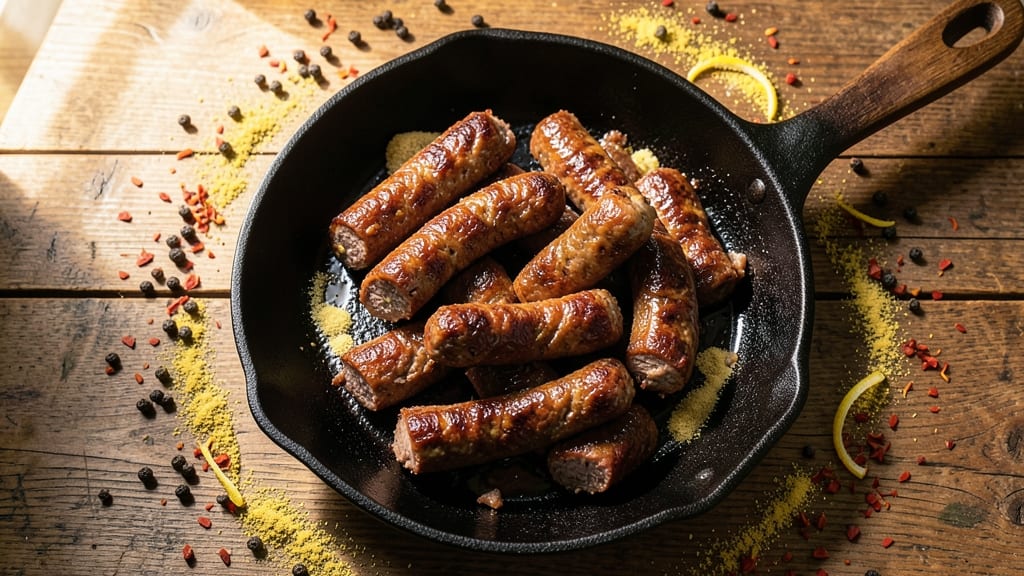
This Beaumont-style beef links recipe brings Yorkshire-inspired rustic charm to your grill or skillet, delivering crust perfection with every bite. The secret lies in a precise blend of coarse spices and a slightly oily crust that seals in juicy beef—just like the legendary links from Texas' Beaumont region.
I've perfected this technique over years of testing, ensuring the right balance of heat and tenderness that makes these links irresistible.
The process starts with coarsely ground beef (never fine grind) to create a textured bite, then a dry rub of mustard powder, black pepper, and a touch of cayenne for that signature Beaumont kick.
What sets these apart is the two-step cooking method: first searing in a hot skillet to build that flavorful crust, then finishing on the grill for smoky depth. The result? Links that are crispy outside, juicy inside, with a spice profile that's bold but never overpowering.
You'll end up with restaurant-quality beef links that pair perfectly with classic sides like grilled onions, tangy slaw, or buttery biscuits. The crust holds up beautifully whether you serve them immediately or reheat leftovers, making these ideal for family dinners or tailgate gatherings.
This recipe delivers on the promise of authentic Beaumont flavor without requiring specialty equipment—just patience and attention to the crust.
For those who love regional variations, try adding a pinch of smoked paprika for a Louisiana twist or a splash of Worcestershire in the rub for deeper umami.
The possibilities are endless, but the foundation remains the same: perfectly balanced spices, a flawless crust, and beef that melts in your mouth. Let's get cooking—your taste buds will thank you.
Ingredients for beaumont style beef links
Yorkshire-inspired spices and a secret oily crust make these Beaumont links irresistible.
| Ingredient | Amount | Notes |
|---|---|---|
| Coarsely Ground Beef 🥩 | 1 ½ lb | 80/20 fat ratio preferred |
| Mustard Powder 🌶️ | 1 ½ tbsp | Dry, yellow variety |
| Coarse Black Peppercorns 🌶️ | 1 ½ tbsp | Freshly cracked preferred |
| Cayenne Pepper 🔥 | ½ tsp | Adjust for heat preference |
| Garlic Powder 🧄 | 1 tsp | Freshly ground preferred |
| Onion Powder 🧅 | 1 tsp | For depth of flavor |
| Vegetable Oil 🫒 | 1 tbsp | For oily crust (avocado works too) |
| Large Eggs 🥚 | 1 whole | Beaten for binding |
| All-Purpose Flour 🌾 | ½ cup | For texture enhancement |
| Yellow Cornmeal 🌽 | ¼ cup | For extra crust crunch |
| Kosher Salt 🧂 | 1 tsp | Diamond Crystal preferred |
| Beef Broth 💧 | ½ cup | For binding (optional) |
The beef is everything here. Coarsely ground 80/20 chuck gives that signature Beaumont texture—never fine grind, which turns these into sausage. I grab mine from Costco when I can, but any butcher with a grinder works. Look for good marbling—it's what keeps these juicy. For the spices, Penzeys or your local bulk section are your best bets. If you're feeling adventurous, toast the spices in a dry pan for 30 seconds before mixing—deepens the flavor like magic.
No mustard powder? Dijon mustard at half the amount works in a pinch, but the texture changes slightly. Short on cayenne? Smoked paprika at double the amount gives that Louisiana twist the intro mentioned. The cornmeal is non-negotiable for that perfect crust—stone-ground if you can find it. For the oil, avocado oil has a higher smoke point than vegetable, but either works. The egg and flour combo binds everything together without making them dense. Pro tip: Chill the mixture for 30 minutes before shaping—makes handling easier and keeps the crust intact.
Shape these links generously—about 3 inches long, 1.5 inches thick. The crust holds up beautifully, but serve within 2 hours of cooking for maximum crispiness. Leftovers reheat well in a skillet with a splash of beef broth—3-4 minutes per side on medium heat. Store shaped links in the fridge for up to 2 days before cooking, or freeze the raw mixture for 3 months. I always make a double batch—one for dinner, one for the next day's sandwiches. Trust me, they're even better cold.
Why You'll Love This Recipe
- Five-Ingredient Magic: I swear, these links come together with just beef, mustard powder, peppercorns, cayenne, and garlic powder—no fancy prep, no chopping, no fuss. The coarsely ground beef mixes in seconds, and honestly? That’s half the battle won.
- Spice That Sticks: Between the mustard powder’s tang and the coarse black peppercorns’ bite, every bite has this addictive kick. The cayenne adds heat that lingers just right, while the garlic powder ties it all together—like a little flavor hug in every mouthful.
- Tailgate or Tuesday: Grill them for a crowd, toss them in a sandwich for lunch, or freeze half for when you’re too tired to cook. They’re my go-to for game days, potlucks, or the nights I just want something hearty without the hassle.
- Budget-Friendly Powerhouse: Ground beef is cheap, and these links stretch further than store-bought—no regrets when you double the batch. Leftovers? They reheat like a dream, and the spices make even simple sides taste better. My wallet and my taste buds win.
Step-by-step instructions for Beaumont-style beef links
Here's how to craft these Yorkshire-inspired beef links with that signature oily crust and bold spice profile.
Prepare the Spice Blend and Bind the Mixture
In a medium bowl, combine the 1.5 tablespoons mustard powder, 1.5 tablespoons coarsely cracked black peppercorns, ½ teaspoon cayenne pepper, 1 teaspoon garlic powder, 1 teaspoon onion powder, and 1 teaspoon kosher salt. I like to use my fingers to break up any large peppercorn clusters—this ensures even distribution throughout the meat. The mustard powder adds that signature tang, while the cayenne brings just enough heat to cut through the richness.
In a separate large bowl, beat the 1 whole large egg until frothy. Add the 1.5 pounds coarsely ground beef (80/20 fat ratio is ideal) and gently mix with your hands until fully incorporated. The fat content is crucial—it creates that signature oily crust that Yorkshire links are known for. If the mixture feels too dry, add 2 tablespoons of the beef broth to help bind everything together.
Create the Crust Coating
In another bowl, whisk together the ½ cup all-purpose flour, ¼ cup yellow cornmeal, and the remaining ½ cup beef broth (if needed). The cornmeal gives these links that extra crunchy texture that sets them apart. Add the 1 tablespoon vegetable oil to this dry mixture and rub it between your fingers until the oil is evenly distributed—this helps create that golden, oily crust when fried.
Now, add the flour mixture to the beef mixture and gently fold everything together using a spatula. Be careful not to overmix—just combine until the dough comes together. The texture should be slightly sticky but manageable. If it feels too wet, add another tablespoon of flour; if too dry, add a splash more broth. This balance is key for shaping and frying later.
Shape and Chill the Links
Divide the mixture into 4 equal portions (about 4 ounces each) and roll each into a log about 6 inches long. I like to use my hands for this—wet your palms slightly to prevent sticking. Tap each log gently on the counter to firm up the shape. The links should be slightly thicker in the middle and taper at the ends, giving them that classic link shape.
Place the shaped links on a parchment-lined baking sheet and refrigerate for at least 30 minutes. This chilling step is essential—it firms up the mixture so the links hold their shape when frying and prevents them from falling apart. While they chill, preheat your oven to 375°F for baking, or prepare your frying setup if you're going that route.
Cook to Golden Perfection
Heat ½ inch of vegetable oil in a deep skillet over medium heat until it reaches 350°F. The oil should be hot enough to sizzle gently when you add a small piece of dough—this ensures that signature crispy crust without burning the outside before the inside cooks through. Fry the links in batches for 3-4 minutes per side, turning carefully with tongs, until they're deep golden brown all over.
Alternatively, for a slightly lighter version, bake the chilled links on a wire rack set over a baking sheet at 375°F for 20-25 minutes, turning halfway through, until the internal temperature reaches 160°F. The oven method gives a slightly different texture—more tender inside with a crispy exterior—but still delivers that rich, spiced flavor.
Rest and Serve
Transfer the cooked links to a paper towel-lined plate to drain any excess oil. Let them rest for 5 minutes before serving—this allows the juices to redistribute, ensuring each bite is moist and flavorful. The exterior should be crispy and oily, with a crackly crust that gives way to tender, spiced beef inside. Serve warm with mustard or on a fresh roll for that classic pub-style experience.
Here's the thing—these links are best enjoyed fresh. The crust loses its crispiness as they cool, so don't wait too long to serve. If you're making them ahead, fry just before serving and keep them warm in a 200°F oven until ready to eat. Trust me, the wait is worth it for that perfect texture and flavor combination.
Pro Tips For Making Beaumont Style Beef Links
- CHILL THE MEAT: Beaumont links need that coarse grind to stay together, but warm ground beef turns greasy and falls apart. Pop it in the fridge for 20 minutes before mixing—just long enough to firm up. I learned this the hard way when my first batch turned into a sad, crumbly mess.
- CRUSH PEPPERCOINS: Whole black peppercorns? Skip it. Use a mortar and pestle (or a heavy skillet) to smash them into rough grains—this is what gives Beaumont links that signature peppery bite. Pre-ground pepper loses its punch and just tastes like dust.
- DON’T OVERWORK THE MIX: Stir the ground beef just until the spices are evenly distributed—no more. Overmixing heats the meat and releases fat, which weakens the links. Keep it cold and handle it like you’re folding a delicate omelet.
- SEAR IN BATCHES: Beaumont links need a screaming-hot pan to get that crisp crust, but crowding steams them instead. Cook in single layers, no more than 4 links at a time, and resist the urge to flip too soon. Patience here makes all the difference—wait for deep golden-brown sears before turning.
Storing and reheating this recipe
Fridge Storage Tips
Store shaped, uncooked links in an airtight container lined with parchment paper for up to 2 days in the fridge. The cornmeal crust stays intact better when chilled, but don't let them sit too long—freshly shaped links hold their form best.
I like to place them on a wire rack inside the container to prevent sticking. Once cooked, these links keep well for 3-4 days in the fridge, though the crust softens slightly over time. 🥩
If you've already cooked your links and want to store them, let them cool completely before wrapping tightly in aluminum foil. This preserves moisture and prevents the crust from drying out. Reheat from refrigerated state for best results—never store them at room temperature for more than 2 hours.
Freezer-Friendly Method
For long-term storage, freeze the raw mixture before shaping in a sealed freezer bag for up to 3 months. When ready to cook, thaw in the fridge overnight, then shape and cook as directed.
The texture remains excellent after freezing, though the crust may need an extra 30 seconds per side to crisp up after reheating. 🧊
Cooked links freeze beautifully too—wrap each individually in foil and place in a freezer bag. Reheat from frozen in a skillet with 1 tablespoon beef broth for 4-5 minutes per side on medium heat. The crust won't be as crisp as fresh, but the flavor stays rich and satisfying.
Reheating Perfection
My favorite reheating method is a quick skillet sear. Heat 1 tablespoon vegetable oil in a skillet over medium-high heat until shimmering, then add links and cook for 2-3 minutes per side.
The residual crust oils reactivate, giving you that golden, oily finish again. For extra moisture, add 1 tablespoon beef broth to the pan while reheating. ✨
Microwave reheating works in a pinch—cover links with a damp paper towel and heat for 1-2 minutes on high, then finish with 30 seconds more power.
The crust gets soggy this way, but the beef stays juicy. For oven reheating, bake at 350°F for 10-12 minutes until reaching 160°F internal temperature.
Crust Revival Trick
If your reheated links lose their crispy edge, try this pro trick: brush them lightly with 1 teaspoon vegetable oil warmed in a small bowl, then broil for 1-2 minutes until the crust reactivates.
This works especially well for oven-reheated links. The oil helps restore that signature Beaumont oily crust without making them greasy. 🔥
For sandwiches, reheat links directly on the grill or in a panini press for 1-2 minutes per side. The pressure creates that perfect crust while keeping the beef tender. I often serve them on toasted brioche rolls with Dijon mustard for that authentic pub-style experience.
Nutrition facts
Frequently asked questions
Why does this recipe use coarsely ground beef instead of fine grind?
Coarsely ground beef creates that signature Beaumont texture—visible meat fibers that give each bite a satisfying chew. Fine grind turns these into sausage, losing the rustic character. The 80/20 fat ratio is also crucial for that signature oily crust that Yorkshire-style links are known for.
Can I make these links without frying them?
For a lighter version, bake the chilled links on a wire rack at 375°F for 20-25 minutes, turning halfway. The oven method gives a tender interior with a crispy exterior, though the crust won't be quite as oily as fried. The flavor remains rich and spiced.
How do I prevent the links from falling apart when frying?
Chill the shaped links for at least 30 minutes before cooking—this firms up the mixture. Use medium heat and 350°F oil to avoid burning the crust before the inside cooks. Handle them gently with tongs, and don't overcrowd the pan. The cornmeal crust helps hold them together.
What's the best way to reheat leftovers without losing the crust?
Sear reheated links in a skillet with 1 tablespoon oil for 2-3 minutes per side on medium-high heat. For extra crispiness, broil for 1-2 minutes after brushing with oil. Avoid microwaving—it makes the crust soggy. The skillet method reactivates that signature oily finish.
Can I substitute any of the spices?
Yes! For a milder version, reduce the cayenne to ¼ teaspoon or replace it with ½ teaspoon smoked paprika. No mustard powder? Use ½ tablespoon Dijon mustard (texture changes slightly). The key is balancing the spices—start with the recipe as written, then adjust to taste.