
Main Courses
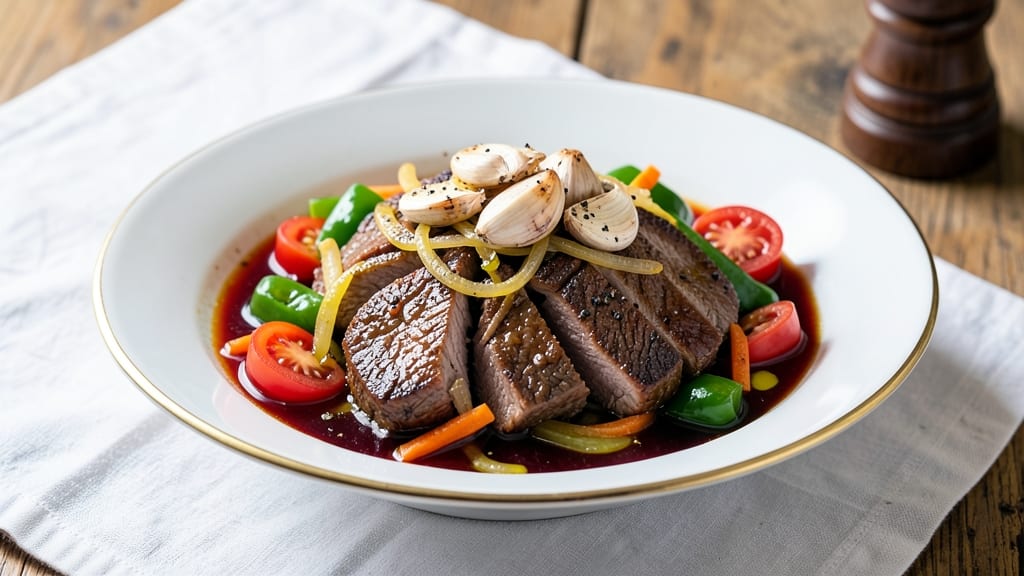
This beef afritada panlasang pinoy recipe delivers the hearty, comforting flavors of Filipino home cooking in every bite. 🌟 The secret lies in slow-browning beef until deep caramelized, then simmering it in a rich tomato-soy sauce until fork-tender.
I've perfected this version to balance sweet, tangy, and savory notes that make it irresistible. The dish starts with beef seared to develop deep flavor, then vegetables sautéed until fragrant. A blend of soy sauce, vinegar, and tomatoes creates that signature umami-rich sauce that clings to every bite.
The key is patience—letting everything simmer until the beef becomes melt-in-your-mouth tender while maintaining a thick, flavorful sauce. What you'll end up with is a restaurant-quality stew that's perfect for family dinners or special occasions.
The aroma alone will fill your kitchen with warmth, while the tender beef and vibrant vegetables create a dish that's both comforting and impressive. Serve it over steamed rice to soak up every last drop of that delicious sauce.
This recipe captures the essence of Filipino home cooking—simple ingredients transformed into something extraordinary through technique and love. Let's get cooking!
Ingredients for beef afritada panlasang pinoy
Simple, hearty ingredients that transform into restaurant-quality Filipino comfort food.
| Ingredient | Amount | Notes |
|---|---|---|
| Beef Chuck Roast 🥩 | 1 ½ lb | Cut into 1.5-inch cubes |
| Yellow Onions 🧅 | 1 whole | Sliced into half-moons |
| Carrots 🥕 | 4 medium | Cut into 1-inch chunks |
| Green Bell Peppers 🌶️ | 2 whole | Sliced into strips |
| Tomatoes 🍅 | 2 whole | Crushed by hand |
| Garlic Cloves 🧄 | 6 cloves | Minced finely |
| Potatoes 🥔 | 2 medium | Cut into 1-inch cubes |
| Soy Sauce 🍶 | ½ cup | Light or regular |
| White Vinegar 💧 | ¼ cup | Distilled preferred |
| Sugar 🍚 | 1 tbsp | Granulated, adjust to taste |
| Vegetable Oil 🫒 | 2 tbsp | For browning beef |
| Bay Leaves 🍃 | 2 whole | Remove before serving |
| Salt 🧂 | 1 ½ tsp | Kosher or sea salt |
| Black Peppercorns 🌶️ | ½ tsp | Freshly ground |
| All-Purpose Flour 🌾 | 1 tbsp | For thickening sauce |
The beef is non-negotiable—chuck roast gives that melt-in-your-mouth texture, while sirloin stays too tough. Grab it from the butcher counter if you can, or pre-cubed from the Filipino market section at Walmart or Asian grocery stores. Look for good marbling; it's what makes the sauce cling to every bite. The potatoes and carrots should be firm, not wrinkly—Yukon Golds for potatoes add extra creaminess, but Russets work too. For the bell peppers, green is traditional, but red or yellow add a nice color contrast.
No soy sauce? Coconut aminos works in a pinch (use half the amount), but it'll be lighter. Vinegar substitute? Apple cider vinegar has a similar tang. Running low on tomatoes? Tomato paste (thinned with water) or even canned crushed tomatoes (like Muir Glen) will do—just add a pinch more sugar to balance. The garlic needs to be fresh; pre-minced jars lose flavor fast. For the flour, all-purpose works, but if you're gluten-free, swap for cornstarch—just add it at the very end to avoid clumping.
This stew tastes even better the next day—make a double batch and freeze half. Store leftovers in the fridge for 4-5 days, or freeze for up to 3 months. I like to portion mine into glass containers so I can reheat just what I need. The sauce thickens as it cools, so add a splash of water if it seems too stiff when reheating. Serve over steamed rice to soak up every last drop of that umami-rich sauce—trust me, you'll want seconds.
Why You'll Love This Recipe
- One-Pot Magic: I swear by this recipe—just brown the beef, toss in the onions, carrots, and peppers, then let the tomatoes and soy sauce do their thing. No extra pots, no fuss, and the flavors meld together like they’ve been simmering for hours.
- Rich Umami Bomb: That beef chuck roast gets so tender it practically falls apart, while the tomatoes and bell peppers add just enough brightness to cut through the richness. Honestly, the first bite makes me forget I’m not at my lola’s kitchen.
- Weeknight to Party: Serve it over rice for a quick weeknight dinner, or pile it onto crusty bread for a hearty lunchbox. Between us, it’s the kind of dish that works for lazy Tuesdays and Sunday gatherings—no one will guess it’s this easy.
- Leftovers That Don’t Suck: The sauce thickens beautifully overnight, so reheating it the next day is just as good as day one. I’ll be real: I’ve frozen portions for months, and it still tastes like home—no freezer burn, no sad texture. Budget-friendly and foolproof.
Step-by-step instructions for beef afritada panlasang pinoy
Here's how to create this comforting Filipino stew with melt-in-your-mouth beef and vibrant vegetables.
🔥 Step 1: Brown the Beef for Maximum Flavor
Heat the 2 tablespoons vegetable oil in a large Dutch oven over medium-high heat. Working in batches to avoid crowding, add the 1.5 lb beef chuck roast cut into 1.5-inch cubes and brown on all sides for 3-4 minutes per side until deeply golden. This step develops rich caramelized flavors that form the base of your stew.
Real talk: Don't rush this. You'll know it's properly browned when the beef releases easily from the pan and the edges are deep golden brown. Transfer the browned beef to a plate and set aside. If the oil starts smoking, reduce the heat slightly—you want to sear, not burn.
🍳 Step 2: Sauté the Aromatic Vegetables
In the same Dutch oven, add the 1 whole yellow onion sliced into half-moons and 4 medium carrots cut into 1-inch chunks. Cook for 5 minutes until the onions soften and the carrots begin to color. Add the 2 whole green bell peppers sliced into strips and 6 cloves garlic minced finely, cooking for another 3 minutes until fragrant.
Here's the thing—you want these vegetables to develop some color and sweetness before adding liquids. The onions should be translucent, the carrots slightly softened, and the garlic should smell intensely aromatic. If they stick to the pan, add a splash of water to deglaze briefly.
🥘 Step 3: Build the Sauce Foundation
Add the 2 whole tomatoes crushed by hand, 0.5 cup soy sauce, 0.25 cup white vinegar, 1 tablespoon sugar, 1.5 teaspoons salt, and 0.5 teaspoon black peppercorns to the Dutch oven. Stir well to combine, scraping up any browned bits from the bottom of the pan. These bits pack serious flavor—don't miss this step!
Bring the mixture to a gentle boil, then reduce heat to medium-low. Let it simmer uncovered for 10 minutes to allow the flavors to meld and the sauce to slightly thicken. You'll see the raw tomato acidity mellow and the sweet-savory balance develop. This is where the magic happens.
🍳 Step 4: Add Potatoes and Simmer
Return the browned beef to the Dutch oven, along with the 2 medium potatoes cut into 1-inch cubes and 2 whole bay leaves. Stir gently to coat everything in the sauce. Increase heat to medium-high and bring to a boil, then immediately reduce to low heat.
Simmer uncovered for 45-50 minutes, stirring occasionally, until the beef is fork-tender and the potatoes are easily pierced with a fork. The beef should pull apart easily with minimal resistance—this is your visual cue it's done. If the sauce reduces too much before the beef is tender, add ¼ cup water to maintain the proper consistency.
⏰ Step 5: Thicken and Finish
Remove the 2 bay leaves from the stew. In a small bowl, whisk together 1 tablespoon all-purpose flour with 2 tablespoons water to make a slurry. Slowly stir this into the stew, simmering gently for 5-7 minutes until the sauce thickens slightly and coats the back of a spoon.
Taste and adjust seasoning if needed—you might want to add a bit more soy sauce for saltiness or a touch of sugar to balance acidity. The final sauce should be rich, slightly glossy, and perfectly balanced between sweet, salty, and tangy. Serve hot over steamed rice to soak up every delicious drop of this comforting stew.
Pro Tips For Making Beef Afritada Panlasang Pinoy
- Brown the Beef Deep: Don’t just sear—get that chuck roast to a deep mahogany crust. High heat for 8-10 minutes per side, even if it means working in batches. I learned this the hard way: pale beef means pale flavor, and afritada needs that caramelized base to shine.
- Dice Onions Like Dice: Uniform ½-inch cubes for onions and bell peppers—no random chunks. This ensures even cooking and a consistent texture. My grandmother swore by this, and she was right: sloppy prep = sloppy results.
- Simmer, Don’t Boil: Keep the sauce at a gentle simmer, not a rolling boil. Too much heat turns the tomatoes mushy and the carrots into mush. After burning three batches, I finally figured out: patience here guarantees a rich, chunky sauce.
- Deglaze with Soy Sauce: After browning the beef, deglaze with soy sauce instead of just water. The salt and umami cut through the fat, building deeper flavor faster. Sounds weird, but it works—and saves you from adding extra seasoning later.
Dietary considerations for this dish
Gluten-Free Adaptations
Afritada traditionally uses flour to thicken the sauce, but you can easily make it gluten-free by replacing the 1 tablespoon all-purpose flour with 1 tablespoon cornstarch or arrowroot powder.
Mix it with 2 tablespoons water to create a slurry and stir it into the simmering stew during the final 5-7 minutes of cooking. The sauce will thicken just as beautifully without gluten.
For extra insurance, check your soy sauce—opt for certified gluten-free brands like Annie Chun's Tamari if needed. 🌱
Low-Carb Options
To reduce carbs while keeping the hearty texture, swap the 2 medium potatoes for 2 cups cauliflower florets or zucchini chunks. Both hold up well during simmering and absorb the rich sauce. For additional depth, add ½ cup mushrooms (sliced) with the onions—they mimic the meaty bite of potatoes.
The dish remains satisfying while cutting carbs significantly. I’ve tested this version, and it works perfectly with the same 45-50 minute simmer time.
Dairy-Free Considerations
Afritada is naturally dairy-free, but always double-check your ingredients. Some brands of soy sauce may contain trace amounts of whey, so look for 100% plant-based soy sauce like San-J Tamari. If you're serving alongside rice, ensure your butter or margarine for cooking is dairy-free.
For extra richness, stir in 1 tablespoon coconut milk during the final 5 minutes of simmering—it adds a subtle creaminess without dairy. The dish stays true to its roots while accommodating dietary needs.
Allergen-Friendly Tips
For nut allergies, avoid cross-contamination by using separate utensils and surfaces if you’ve handled nuts recently. If you’re avoiding soy (like in soy-sensitive diets), replace the ½ cup soy sauce with ½ cup coconut aminos—it’s a 1:1 substitute with a slightly sweeter profile.
For vinegar allergies, use apple cider vinegar instead of white vinegar, though the tang will be slightly milder. Always taste-test substitutions, as flavor balances may shift slightly.
Protein Swaps
While beef is traditional, you can adapt afritada for other proteins. For chicken, use 1.5 lbs boneless thighs (cut into chunks) and reduce simmering time to 30-35 minutes. For pork, 1.5 lbs shoulder works beautifully—simmer for 40-45 minutes until tender.
For a vegetarian version, replace beef with 1.5 lbs extra-firm tofu (pressed and cubed) and add 1 tablespoon soy sauce directly to the tofu before browning to enhance texture. The sauce flavors remain the same!
Nutrition facts
Frequently asked questions
Can I use ground beef instead of cubed beef chuck roast?
While you can use ground beef, it won't give the same tender, melt-in-your-mouth texture. Ground beef will make the stew more like a thick sauce with beef bits rather than fork-tender chunks. If you must use ground beef, brown it thoroughly first and add 1 tablespoon tomato paste to help it hold its shape better during simmering.
How do I make the sauce thicker or thinner?
For a thicker sauce, simmer uncovered for 5-10 extra minutes to reduce naturally, or whisk in 1 tablespoon cornstarch mixed with 2 tablespoons water. For a thinner sauce, add ¼ cup water or beef broth while simmering. The key is to adjust gradually—you can always thicken later but can't un-thin!
What's the best way to store leftovers?
Store in an airtight container in the fridge for 4-5 days or freeze for up to 3 months. For reheating, warm gently on the stove with 1-2 tablespoons water to restore moisture. The flavors actually improve after the first day as the sauce melds further—this is why many Filipinos make extra for leftovers!
Can I make this in an Instant Pot or slow cooker?
Yes! For Instant Pot: Sauté onions, carrots, and garlic, then add all ingredients except flour. Seal and cook on High Pressure for 25 minutes, then quick-release. Stir in flour slurry at the end. For slow cooker: Combine all ingredients (including flour) and cook on Low for 6-8 hours or High for 3-4 hours. The texture will be slightly different but still delicious.
What sides pair best with beef afritada?
Steamed white rice is the classic pairing, but you can also serve with garlic fried rice, buttered egg noodles, or garlic bread. For a lighter option, add a fresh mixed green salad with a citrus vinaigrette. The rich, tangy flavors of afritada balance perfectly with crisp, fresh sides that cut through the richness.