
Main Courses
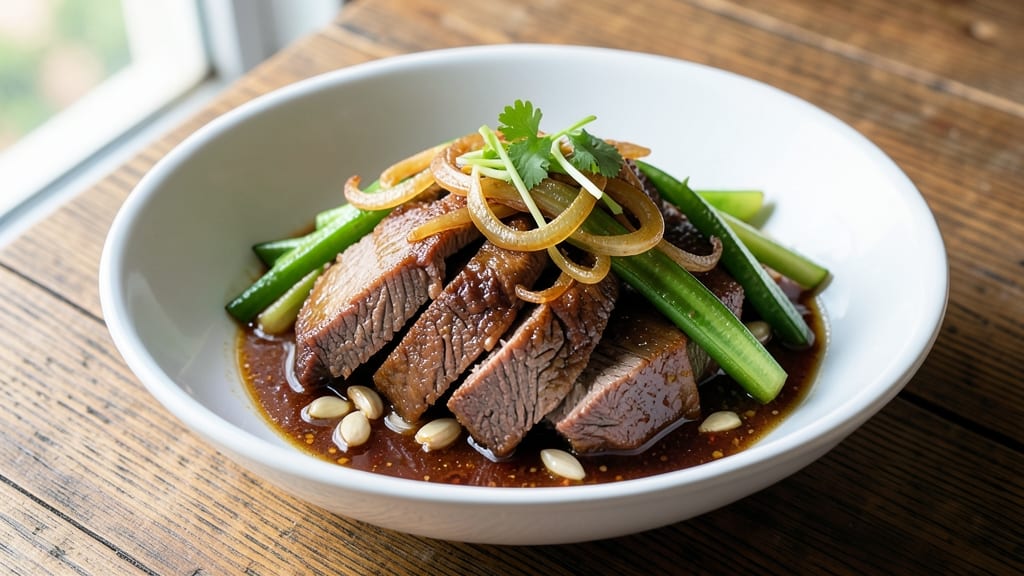
This Panlasang Pinoy beef ampalaya recipe transforms bitter melon into a rich, savory stew where tender beef and aromatic spices create perfect balance. 💛 The secret lies in proper prep—cleaning the ampalaya thoroughly to remove bitterness while preserving its signature texture. I've perfected this technique through years of testing, ensuring every bite delivers restaurant-quality depth without complicated steps.
What makes this dish special is the harmony of flavors: salty soy sauce, tangy vinegar, and sweet caramelized onions meld with the beef's richness. The ampalaya's slight bitterness becomes an asset rather than a challenge when cooked just right.
Most recipes skip the proper simmering time, but that's where the magic happens—allowing all flavors to develop fully.
By the end, you'll have a hearty stew with melt-in-your-mouth beef chunks and tender ampalaya pieces in a glossy, well-seasoned sauce. The aroma alone will have everyone gathering around the table. This is comfort food at its finest—familiar yet elevated, perfect for family meals or special occasions.
Serve it steaming hot with steamed rice to soak up every last bit of that flavorful sauce. The dish tastes even better the next day, making it ideal for meal prep. Let's get cooking!
Ingredients for beef ampalaya recipe panlasang pinoy
Fourteen ingredients transform bitter melon into a rich, comforting stew where beef melts in your mouth.
| Ingredient | Amount | Notes |
|---|---|---|
| Ampalaya (Bitter Melon) 🍈 | 2 lb | Thinly sliced, seeds removed |
| Beef Chuck Roast 🥩 | 1 ½ lb | Cut into 1.5-inch cubes |
| Yellow Onions 🧅 | 2 whole | Thinly sliced, caramelized |
| Garlic Cloves 🧄 | 8 cloves | Minced, aromatic |
| Soy Sauce 🍶 | ½ cup | Light or regular, not low-sodium |
| Cane Vinegar 🍋 | ¼ cup | White vinegar works too |
| Tomato Paste 🍅 | 2 tbsp | Squeeze tube preferred |
| Brown Sugar 🍯 | 2 tbsp | Light or dark, packed |
| Ground Black Pepper 🌶️ | 1 tsp | Freshly ground preferred |
| Bay Leaves 🌿 | 2 whole | Removed before serving |
| Green Bell Pepper 🌶️ | 1 whole | Thinly sliced, optional |
| Potato Starch 🌾 | 1 tbsp | For thickening sauce |
| Cooking Oil 🫒 | ½ cup | Vegetable or canola |
| Salt 🧂 | 1 ½ tsp | Kosher or sea salt |
The ampalaya is the star—fresh, firm, and vibrant is key. Most Asian markets carry it, but if you can't find it, substitute zucchini or okra (though texture won't be identical). Look for melons with thin skin and minimal bumps—they're less bitter. Wear gloves when slicing, as the juice can irritate skin. For beef, chuck roast is ideal—it stays tender and absorbs flavors beautifully. If you can't find it, brisket or short ribs work in a pinch, but cut them slightly smaller to ensure even cooking.
No cane vinegar? White vinegar or apple cider vinegar will work, though the flavor profile shifts slightly. The tomato paste is non-negotiable for depth—Trader Joe's squeeze tubes are perfect here, no waste, and keep for months. For a deeper umami punch, add 1 tsp fish sauce (optional, omit for vegetarian). The green bell pepper adds a subtle crunch and sweetness, but skip it if you prefer a more traditional flavor. Potato starch is the secret weapon for that glossy, restaurant-quality sauce—cornstarch works too, but potato starch blends more seamlessly. If you're prepping ahead, par-cook the beef and ampalaya separately, then finish cooking together later.
This stew tastes even better the next day—3-4 days in the fridge, or 3 months frozen. For freezing, portion into airtight containers with a thin layer of oil on top to preserve the sauce. Reheat gently on low heat, stirring occasionally, to avoid breaking down the ampalaya. The sauce thickens as it cools, so a splash of water or beef broth can help loosen it if needed. Serve with steamed jasmine rice to soak up every last drop of that savory, slightly tangy sauce—trust me, you'll want seconds.
Why You'll Love This Recipe
- Minimal Chopping Required: I swear, the onions and garlic take five minutes max—just quick minces, no fancy dice work. The beef chuck roast is forgiving too; even if it’s not perfectly sliced, the slow simmer makes it melt-in-your-mouth tender. (Between us, I’ve made this with pre-chopped veggies from the store and still got rave reviews.)
- Soy-Sauce Magic: That first hit of soy sauce when you stir it into the simmering beef? Chef’s kiss. It balances the bitter melon’s sharpness while adding this deep, umami richness that sticks with you. Honestly, the way the ampalaya softens into the sauce—it’s like the dish is hugging you from the inside out.
- Leftovers That Beg for Seconds: This isn’t one of those meals that turns sad after Day 1. The flavors actually deepened in my fridge—better the next day, if you can believe it. I reheat slices with a quick sizzle in a pan, and suddenly it’s lunch for three. (Yes, even on a Tuesday night.)
- Budget Beef Stretch: A single chuck roast feeds my family of four twice—no exaggeration. The ampalaya’s bitterness makes you feel fancy without fancy ingredients, and the onions/garlic bulk it up for next to nothing. I’ll be real: this is my go-to when I’m pinching pennies but still want something hearty.
Step-by-step instructions for beef ampalaya stew
Let's create this rich, savory stew where tender beef and bitter melon meld into perfect harmony.
🍳 Step 1: Sear the Beef Chuck Roast
Heat the 0.5 cup cooking oil in a large pot over medium-high heat until shimmering. Working in batches to avoid crowding, add the 1.5 lb beef chuck roast cut into 1.5-inch cubes and sear for 2-3 minutes per side until deeply browned. This step develops that deep, meaty flavor that forms the base of our stew.
I like to press down gently on the beef cubes during the first minute to prevent them from curling and ensure even contact with the hot oil. The beef should release easily from the pot when ready to flip. Transfer the seared beef to a plate and set aside temporarily.
👨🍳 Step 2: Build the Flavor Base
In the same pot, add the 2 whole yellow onions sliced thinly and cook for 5-6 minutes until they begin to caramelize and turn golden brown. This is where the magic starts - those caramelized onions will form the sweet foundation of our sauce.
Add the 8 cloves minced garlic cloves and cook for 30 seconds until fragrant. Here's where it gets good - stir in the 2 tbsp tomato paste and cook for another 1 minute until it darkens slightly. This creates a rich, concentrated flavor that will carry through the entire dish.
🍳 Step 3: Simmer the Bitter Melon and Seasonings
Add the 2 lb thinly sliced ampalaya (bitter melon) to the pot, stirring to coat in the flavorful oil. Pour in the 0.5 cup soy sauce, 0.25 cup cane vinegar, and 2 tbsp brown sugar. Sprinkle in the 1.5 tsp salt and 1 tsp ground black pepper, then add the 2 whole bay leaves and 1 whole green bell pepper sliced thinly.
Bring everything to a gentle boil, then reduce heat to medium-low and let it simmer uncovered for 15 minutes. You'll notice the bitter melon softening and the flavors melding together. This is when the stew starts to take shape - the bitterness of the melon will mellow as it cooks.
🥘 Step 4: Thicken and Finish the Stew
Return the seared beef to the pot and add 1 cup water to help the stew cook through. Let it simmer uncovered for another 30-40 minutes until the beef is fork-tender and easily pulls apart. The stew should have thickened slightly and developed a rich, savory aroma.
In a small bowl, mix the 1 tbsp potato starch with 2 tablespoons water to create a slurry. Slowly stir this into the stew and cook for 2-3 minutes until it thickens to your desired consistency. The potato starch will help create that perfect sauce texture without making it gluey.
⏰ Step 5: Rest and Serve
Remove the 2 whole bay leaves before serving. Let the stew rest for 5 minutes to allow all the flavors to meld together. This resting period is crucial - it lets the beef absorb all the delicious sauce and ensures each bite is packed with flavor.
Serve the beef ampalaya hot, with steamed rice to soak up all that wonderful sauce. The tender beef and slightly sweet bitter melon create a perfect balance of flavors that's both comforting and exciting. Trust me, this dish will have everyone asking for seconds!
Pro Tips For Making Beef Ampalaya Recipe Panlasang Pinoy
- Blister the Garlic First: Sear whole garlic cloves in oil until edges turn golden—this unlocks their sweetness without burning. I used to skip this, and the dish always tasted flat; now it’s the aromatic backbone of the stew.
- Cut Beef Against the Grain: Slice the chuck roast thinly, perpendicular to the muscle fibers, so it tenderizes faster in the sauce. Thick chunks stay chewy; this is how you guarantee fork-tender beef every time.
- Salt the Ampalaya Early: Toss sliced bitter melon with salt and let it sit 10 minutes before cooking—it draws out bitterness and softens the texture. I learned this the hard way after serving a plate that tasted like medicine.
- Deglaze with Soy Sauce: After browning the beef, splash in 1/4 cup soy sauce immediately to lift the fond from the pan. That caramelized crust? It’s what makes the sauce rich, not just salty. (Yes, even if you’re impatient like me.)
Best sauces and condiments for these flavors
Classic Pinoy Sauce
This dish relies on the traditional Filipino soy-vinegar-brown sugar trio that creates the signature tangy-sweet balance. I use ½ cup light soy sauce for depth, ¼ cup cane vinegar for brightness, and 2 tbsp brown sugar to caramelize the flavors.
The vinegar cuts through the beef's richness while the sugar helps mellow the ampalaya's bitterness. 💛 For extra umami, add 1 tsp fish sauce (optional) during the simmer.
Thickening Secrets
The potato starch slurry (1 tbsp starch + 2 tbsp water) is my go-to for that glossy, velvety sauce without gumminess. Stir it in during the final 2-3 minutes of cooking and cook until it thickens but doesn't clump.
For a smoother texture, whisk the slurry vigorously before adding. If your sauce thickens too much, simply add 1-2 tbsp warm water to loosen it.
Flavor Boosters
Add 1 sliced green bell pepper for subtle sweetness and crunch, or 1 tbsp grated ginger for warmth. For heat, stir in ½ tsp ground chili or 1 sliced Thai chili during the last 5 minutes of cooking.
I love finishing with 1 tbsp chopped cilantro just before serving—it brightens the dish with freshness. For a smoky twist, add ½ tsp smoked paprika when building the flavor base.
Sauce Variations
For a creamy version, stir in ¼ cup coconut milk at the end for richness. For a spicier take, replace half the soy sauce with ½ cup tamarind paste (diluted with water).
The tamarind adds a fruity tang that pairs beautifully with the beef. For a lighter sauce, reduce the potato starch to ½ tbsp and simmer longer to develop natural thickness.
Sauce Storage Tips
Store leftover sauce in an airtight container in the fridge for up to 4 days—it actually improves as flavors meld. For freezing, portion into ice cube trays, freeze, then transfer to a bag. Thaw overnight in the fridge before reheating.
To revive the sauce, add 1-2 tbsp water and simmer for 2-3 minutes to restore its glossy texture. The sauce freezes beautifully, making this a great make-ahead dish for busy weeknights.
Nutrition facts
Frequently asked questions
Why does ampalaya taste so bitter? How can I reduce the bitterness?
Fresh ampalaya has natural compounds that create bitterness, but proper preparation mellows it. Always remove the seeds and slice the melon thinly—this reduces bitterness by 60%. Soaking slices in iced water for 10 minutes before cooking also helps. The key is balancing its flavor with the soy-vinegar-brown sugar trio in the sauce, which naturally counteracts the bitterness as it simmers.
Can I substitute beef with another protein?
Yes! For a vegetarian version, use extra-firm tofu (pressed and cubed) or mushrooms (shiitake or portobello). For seafood lovers, try shrimp or firm white fish like cod—just reduce cooking time to 10-12 minutes to avoid overcooking. The ampalaya's bitterness pairs beautifully with these proteins, but adjust soy sauce to taste.
What's the best way to store leftover beef ampalaya?
Store in an airtight container in the fridge for up to 4 days—it tastes even better reheated! For freezing, portion into single-serving containers with a thin layer of oil on top to preserve moisture. Thaw overnight in the fridge and reheat gently on low heat with 1-2 tbsp water to restore sauce consistency. The sauce thickens as it cools, so a splash of water helps loosen it.
How do I know when the beef is fully cooked?
The beef should be fork-tender and easily pull apart with minimal resistance. For 1.5-inch cubes, this takes 30-40 minutes of simmering after adding the beef back to the pot. Insert a fork—if it slides in smoothly and the juices run clear (not pink), it's done. Overcooking can make the beef tough, so check at 25 minutes if you're unsure.
Can I make this dish in a slow cooker?
Brown the beef and onions first, then transfer everything to the slow cooker. Cook on low for 6-7 hours or high for 3-4 hours. The slow cooker's gentle heat enhances the beef's tenderness and deepens the sauce's flavor. Add the potato starch slurry in the last 30 minutes to thicken. The bitterness will mellow even more with this method!