
Soups & Stews
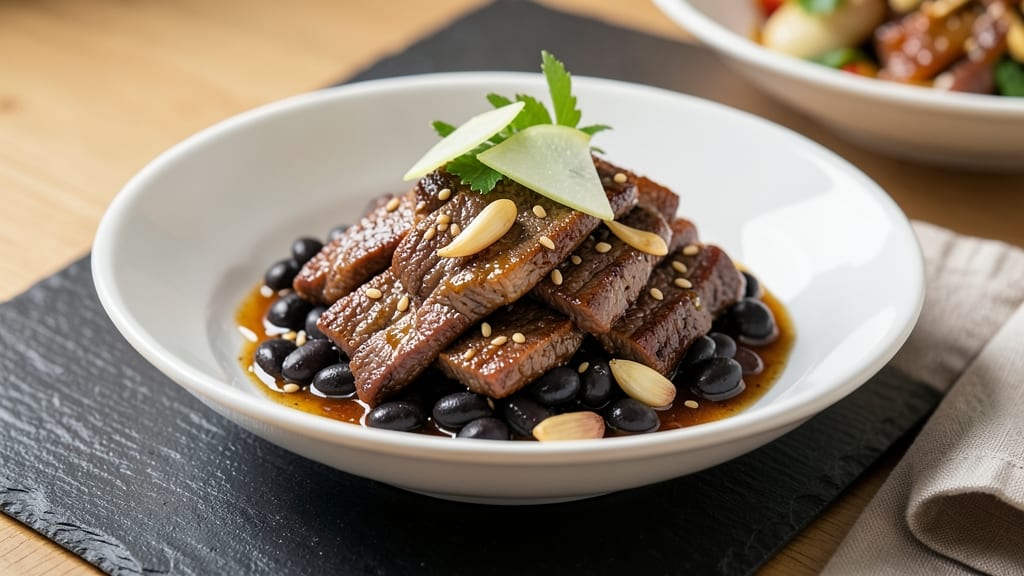
This beef and black bean Chinese recipe delivers restaurant-quality umami in every bite—silky garlic sauce clinging to tender beef and earthy black beans. The secret lies in proper stir-frying technique, where high heat sears the beef quickly while preserving its moisture, then melds everything together with a glossy, aromatic sauce.
I developed this version after years of adapting traditional Chinese recipes to home kitchens, focusing on balance: sweet, salty, and umami notes all working in harmony.
The dish starts with thinly sliced beef that cooks in batches to avoid overcrowding, ensuring each piece gets that perfect caramelized crust. Black beans add texture and depth, while garlic, ginger, and soy sauce form the flavor foundation.
What makes this recipe stand out is the silky garlic sauce—thickened just enough to coat the ingredients without making the dish heavy, yet still vibrant with fresh aromatics. The result is a dish that's hearty enough for a main course but light enough for a weeknight dinner.
By the time you're done, you'll have a wok-tossed masterpiece with tender beef, plump black beans, and a sauce that's rich yet balanced. The aroma alone will have everyone gathering at the table, and the first bite delivers that perfect combination of textures and flavors.
This recipe serves four generously, making it ideal for family dinners or meal prep—each portion packed with protein and satisfying umami that lingers.
Serve it over steamed jasmine rice to soak up every last bit of that flavorful sauce, or pair with simple steamed greens for a complete meal. The dish reheats beautifully, so it's perfect for making ahead and enjoying throughout the week.
Here's how to create this Chinese-inspired umami bomb in your own kitchen.
Ingredients for beef and black bean chinese
Restaurant-quality umami starts with these 14 ingredients—tender beef, earthy beans, and aromatic sauce essentials.
| Ingredient | Amount | Notes |
|---|---|---|
| Flank Steak 🥩 | 1 ½ lb | Thinly sliced against grain |
| Black Beans 🌱 | 1 can | Drained and rinsed |
| Garlic Cloves 🧄 | 8 cloves | Minced for sauce |
| Fresh Ginger 🌿 | 2 tbsp | Finely grated, peeled |
| Light Soy Sauce 🥄 | ½ cup | Kikkoman preferred |
| Oyster Sauce 🍜 | 2 tbsp | Lee Kum Kee brand |
| Sesame Oil 🫒 | 1 tbsp | Toasted for aroma |
| Brown Sugar 🍯 | 2 tbsp | Packed lightly |
| Cornstarch 🌾 | 1 tbsp | For sauce thickening |
| Vegetable Oil 🫒 | ½ cup | High smoke point |
| Green Onions 🧅 | 3 whole | Sliced for garnish |
| Sesame Seeds 🌰 | 1 tbsp | Toasted for crunch |
| Salt 🧂 | 1 tsp | Adjust to taste |
| Black Pepper 🌶️ | ½ tsp | Freshly cracked |
The flank steak is non-negotiable for this dish—it’s lean but packed with flavor when sliced thin against the grain. Ask your butcher to slice it if you can’t do it yourself, or freeze it for 30 minutes before slicing for easier cutting. I grab mine from Whole Foods or Costco when it’s on sale, but any quality grocery store carries it. For the black beans, Goya or Bush’s are my go-tos—they’re consistent and affordable. Skip the canned beans with weird additives; just look for plain, salt-free varieties. The garlic and ginger? Fresh is a must—dried or jarred won’t give you that vibrant, aromatic punch this dish needs.
No oyster sauce? Substitute with 1 tbsp soy sauce plus 1 tbsp hoisin, though it won’t be identical. Running low on sesame oil? Toasted peanut oil works in a pinch, but it’ll have a different flavor profile. The cornstarch is key for that silky sauce—don’t skip it, but if you’re out, arrowroot powder at the same amount is a decent swap. For the green onions, use the whites and greens separately: whites go into the stir-fry, greens save for garnish. And if you’re feeling fancy, toast the sesame seeds in a dry pan for 30 seconds before adding them—they’ll taste infinitely better.
This dish reheats like a dream—honestly, it tastes even better the next day as the flavors meld. Store leftovers in an airtight container for up to 4 days in the fridge, or freeze portions for 3 months. I always make extra because it’s perfect for meal prep: just reheat with a splash of water and a quick stir. The sauce thickens as it cools, so if it’s too thick when reheating, add a teaspoon of water at a time until it’s just right. Garnish with fresh cilantro if you’ve got it—it adds a bright contrast to the rich umami flavors.
Why You'll Love This Recipe
- One-Pan Magic: I swear by this recipe when I’m too tired to scrub a million dishes—just sear the steak, toss in the beans and aromatics, and let the garlic-ginger-soy sauce do the work. The black beans soften perfectly while the steak stays juicy, all in one skillet.
- Umami Bomb: That first bite? The charred edges of the flank steak meet the deep, smoky-sweet black beans, all brightened by fresh ginger and a splash of light soy. It’s the kind of flavor that makes you pause mid-chew because it’s ridiculously good.
- Lunchbox Hero: Between us, this dish is my secret weapon for work lunches. I’ll make a big batch on Sundays, portion it into containers, and boom—no sad desk salad. The steak stays tender even after a day, and the beans hold up like champs.
- Budget Win: Flank steak is affordable, black beans are a pantry staple, and you’re not drowning in expensive spices. A single pound of steak and a can of beans feed four, and the leftovers? Even better the next day, if you can wait that long.
Step-by-step instructions for wok-tossed beef and black bean stir-fry
This recipe delivers restaurant-quality wok hei in your kitchen—crisp edges, tender beef, and a glossy garlic sauce that ties it all together.
Prep the Flank Steak for Maximum Tender Texture
First, slice the 1.5 lb flank steak thinly against the grain—this is critical for tenderness. You want strips about ¼-inch thick. Pat them completely dry with paper towels and season generously with 1 tsp salt and ½ tsp black pepper. Let them sit at room temperature for 15 minutes while you prep everything else.
I like to marinate the beef briefly in 2 tbsp light soy sauce and 1 tbsp sesame oil for 10 minutes before cooking. This adds flavor without making the meat too soft. Toss the beef in a bowl with these ingredients, then let it sit while you prepare the aromatics.
Build the Garlic-Ginger Sauce Foundation
Heat ½ cup vegetable oil in a wok or large skillet over medium-high heat until shimmering. Add the 8 cloves minced garlic and 2 tbsp finely grated ginger—cook for just 30 seconds until fragrant but not browned. This quick cooking preserves their bright flavor.
Immediately add the 1 can drained and rinsed black beans and stir-fry for 2 minutes until heated through. Push the beans to one side of the wok and add the marinated beef in a single layer. Let it sear undisturbed for 1-2 minutes until browned on one side, then stir and repeat for the other side. Remove the beef to a plate and set aside.
Create the Silky Umami Sauce
In the same wok, reduce heat to medium and add 2 tbsp oyster sauce, 2 tbsp brown sugar, and 1 tbsp cornstarch. Stir constantly for 1 minute until the sauce thickens slightly. Pour in ½ cup light soy sauce and bring to a gentle simmer.
Here's the magic: Add the beef and black beans back to the wok. Toss everything together for 2-3 minutes until the sauce coats the beef evenly and the black beans are heated through. The sauce should be glossy but not watery—if it's too thick, add 1-2 tablespoons of water to loosen it.
Finish with Aromatics and Garnish
Turn off the heat and stir in 1 tbsp toasted sesame oil for that authentic wok aroma. Taste and adjust seasoning—you might need a pinch more salt or a splash of soy sauce to balance flavors. The dish should be savory, slightly sweet, and packed with umami.
Garnish with 3 sliced green onions and 1 tbsp toasted sesame seeds right before serving. The contrast of fresh green onions against the rich sauce and toasted seeds on top adds layers of texture and freshness. Serve immediately over steamed rice or noodles while everything is hot and vibrant.
Pro Tips For Making Beef And Black Bean Chinese
- Slice Against the Grain: Flank steak’s tough fibers run diagonally—cutting perpendicular to them turns chewy meat into tender strips. Use a sharp knife and angle it like you’re slicing a loaf of bread, not chopping wood.
- Blister the Garlic First: Toss minced garlic in a dry pan over medium heat until it’s golden and fragrant—about 30 seconds. This deepens the flavor way more than raw garlic ever will, and it won’t overpower the dish.
- Drain and Rinse Those Beans: Canned black beans are salty and often mushy. Drain them, give them a quick rinse, then drain again. Pat them dry if you’re frying them later—wet beans steam instead of sear.
- Deglaze with Soy Sauce Early: After searing the beef, add just 1 tablespoon of light soy sauce to the pan while it’s still hot. Let it bubble for 30 seconds to pull up all those meaty brown bits before adding the rest. That’s where the real flavor hides.
Best sauces and condiments for this recipe
Silky Garlic Sauce
This dish's signature sauce combines 2 tbsp oyster sauce (Lee Kum Kee brand), 2 tbsp brown sugar, and 1 tbsp cornstarch for that perfect silky texture.
I always toast the cornstarch in a dry pan for 30 seconds before mixing it with the other ingredients—this removes any raw taste and helps thicken the sauce beautifully.
The secret is simmering it just until it coats the back of a spoon, then tossing everything together while still hot. 💫
For extra depth, I sometimes add 1 tsp fish sauce to the sauce mixture—it enhances the umami without overpowering. If you're not a fan of fish sauce, a pinch of white pepper adds warmth instead.
The sauce should cling to the beef and beans like a glossy coat, so don't be afraid to adjust the cornstarch amount if your wok is particularly large.
Sesame Oil Magic
The 1 tbsp toasted sesame oil added at the very end is non-negotiable for authentic flavor. I always toast the sesame seeds separately in a dry skillet for 1-2 minutes until fragrant, then mix them with the oil to infuse every drop.
This aromatic oil carries the nutty, toasty notes that balance the rich umami of the dish. Use only toasted sesame oil—regular sesame oil won't have the same depth of flavor.
For a smoky twist, I sometimes swap out ½ tbsp of the sesame oil for chili oil (like Lao Gan Ma brand) in the final toss.
The heat cuts through the richness while adding a subtle spicy kick. If you're sensitive to spice, start with just ½ teaspoon and adjust to taste.
Umami Boosters
To deepen the umami flavor, I often add 1 tbsp of mushroom powder (like Nutiva brand) to the sauce mixture. This earthy ingredient amplifies the savory notes without adding bulk.
For a vegetarian-friendly version, substitute the beef with extra-firm tofu pressed and sliced thinly, then marinate in the same soy sauce and sesame oil mixture.
Another umami powerhouse is 1 tsp of MSG (like Ajinomotos brand). Just a pinch enhances the savory depth, but it's optional if you prefer to keep the dish natural.
The combination of oyster sauce, soy sauce, and black beans already provides plenty of umami, so use MSG sparingly if at all.
Sweet-Savory Balance
The 2 tbsp brown sugar in the sauce creates that perfect balance between sweet and savory that's characteristic of Chinese stir-fries. I always use light brown sugar because it dissolves more smoothly than dark brown sugar.
For a caramelized touch, I sometimes add 1 tsp of molasses to the sauce mixture—it adds complexity without overpowering the other flavors.
If you prefer less sweetness, reduce the brown sugar to 1 tbsp and add ½ tsp of white pepper to compensate. The key is to taste as you go—Chinese cuisine relies on balancing five flavors: sweet, sour, bitter, salty, and umami.
Adjust each component until you achieve harmony in every bite.
Nutrition facts
Frequently asked questions
Can I substitute black beans with another type of bean?
Yes, but with some adjustments! Kidney beans or pinto beans work well, but soak them overnight first to reduce cooking time. For a quicker option, use 1 cup cooked edamame instead—they add a sweeter, nuttier flavor. Avoid chickpeas as they have a different texture and won't absorb the sauce as well.
How do I prevent the beef from becoming tough?
Slice the beef thinly against the grain (¼-inch strips) and marinate for at least 10 minutes in soy sauce and sesame oil. Never overcrowd the wok—cook in batches if needed. High heat and quick cooking are key to keeping it tender.
Can I make this dish in a regular skillet?
While a wok gives the best "wok hei" aroma, a large, heavy skillet works perfectly. Use medium-high heat and make sure your pan is hot enough to sear the beef quickly. Stir-fry in batches if needed to avoid steaming instead of searing.
What's the best way to store leftovers?
Store in an airtight container in the fridge for up to 4 days or freeze for 3 months. Reheat gently with a splash of water to restore the sauce's glossiness. The flavors actually improve overnight as the sauce melds with the beef!
How can I make this dish spicier?
Add ½ tsp chili flakes to the sauce mixture or swap ½ tbsp sesame oil for chili oil at the end. For extra heat, stir in 1 tsp sriracha when tossing everything together. Start with small amounts and adjust to taste!