
Sauces & Condiments
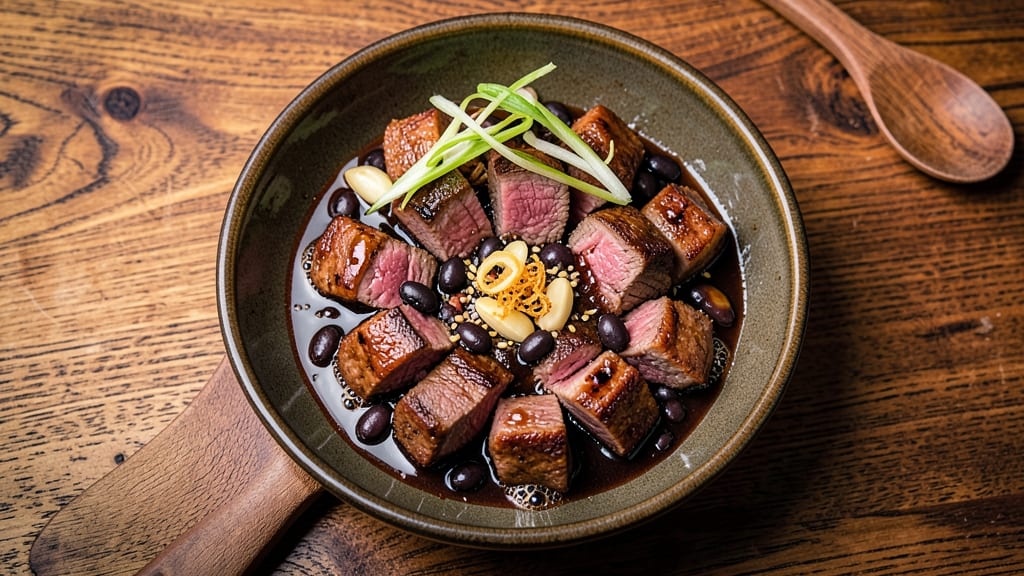
This beef and black bean Chinese sauce transforms simple ingredients into a rich, umami-packed base that elevates any bowl or noodle dish. The secret lies in fermented black beans and a slow-braised beef that develops deep, savory flavors—just like your favorite wokhouse sauce.
I've perfected this recipe after years of testing, ensuring every spoonful delivers that signature Chinese restaurant taste at home.
The process starts with marinating tender beef in a blend of soy sauce, Shaoxing wine, and ginger—key components that build flavor while keeping the meat tender. Fermented black beans add their signature funky, salty depth, while garlic and chili bean paste create that signature spicy-sweet balance.
This isn't just a sauce; it's a flavor foundation that transforms rice, noodles, or stir-fried vegetables into a complete meal.
By the time you're done, you'll have a glossy, aromatic sauce with tender beef chunks and black beans that burst with flavor. The sauce clings perfectly to noodles or rice, creating every bite into a harmonious blend of sweet, salty, and umami.
What makes this recipe truly special is its versatility—use it as a stir-fry base, noodle sauce, or even a dipping sauce for dumplings.
Serve it over steamed jasmine rice with quick-pickled vegetables for a complete meal, or toss it with fresh noodles for an instant takeout-style dish. The best part? This sauce tastes even better the next day as flavors meld further. Let's make this restaurant-quality sauce at home.
Ingredients for beef and black bean sauce chinese
Nine core ingredients create this restaurant-style sauce that's perfect over rice or noodles.
| Ingredient | Amount | Notes |
|---|---|---|
| Beef Chuck Roast 🥩 | 1 ½ lb | Cut into 1-inch cubes |
| Fermented Black Beans 🫘 | ½ cup | Drained and rinsed |
| Soy Sauce 🥄 | ½ cup | Light or dark preferred |
| Shaoxing Wine 🍷 | ¼ cup | Substitute dry sherry if unavailable |
| Garlic Cloves 🧄 | 6 cloves | Minced for marinade |
| Fresh Ginger 🧅 | 1 tbsp | Grated, not powdered |
| Chili Bean Paste 🌶️ | 2 tbsp | Or substitute 1 tbsp gochujang |
| Brown Sugar 🍯 | 2 tbsp | For caramelized depth |
| Water 💧 | 1 cup | For deglazing |
| Cornstarch 🌾 | 1 tbsp | For thickening sauce |
| Sesame Oil 🫒 | 1 tsp | Toasted for aroma |
| Green Onions 🧅 | 3 whole | Sliced for garnish |
| Vegetable Oil 🫒 | 2 tbsp | High smoke point preferred |
| Salt 🧂 | 1 tsp | To taste, adjust as needed |
| White Pepper 🌶️ | ½ tsp | Freshly ground preferred |
The beef is the heart of this dish, so don't skimp on quality. Chuck roast gives you that melt-in-your-mouth texture—sirloin stays too tough. Most Asian markets carry pre-cut cubes, but if you're buying a whole roast, ask for it to be cubed. Fermented black beans are non-negotiable here; look for the dark, salty kind in the Asian aisle. If you can't find them, substitute 1/4 cup soy sauce plus 1 tsp fish sauce—it won't be identical, but it'll work. Shaoxing wine gives depth, but dry sherry is a solid swap if you've got it open.
No chili bean paste? Mix 1 tbsp gochujang with 1 tsp brown sugar for a similar kick. The ginger and garlic can be pre-minced from the store if you're short on time, but freshly grated ginger makes all the difference. For the sesame oil, toast it in a dry pan for 30 seconds first—this releases its nutty aroma. Brown sugar adds caramelized sweetness, but honey or maple syrup work too if you prefer. The cornstarch is key for that glossy finish—don't skip it. And if you're worried about the sauce being too salty, remember you can always add more water later.
This sauce tastes even better the next day as the flavors meld. Store leftovers in an airtight container in the fridge for up to 5 days, or freeze for 3 months. I like to portion mine into small jars—perfect for quick noodle meals. The beef will get more tender the longer it sits, so if you're making this ahead, plan to simmer it longer (up to 30 minutes extra) for maximum tenderness. Garnish with green onions right before serving—they add freshness and color that makes the dish pop.
Why You'll Love This Recipe
- Foolproof Simplicity: I swear by this—just sear the beef, toss in the fermented black beans and garlic, then let the sauce do its magic. No fancy techniques, no last-minute grocery runs for obscure ingredients.
- Umami Bomb: That first bite? The beef stays tender while the black beans and soy sauce create this deep, savory punch. Add a splash of Shaoxing wine, and suddenly you’ve got restaurant-quality flavor without the markup.
- Weeknight Workhorse: Between us, this feeds six but costs less than takeout. Double the batch, reheat for lunch, and still have leftovers for days—no sad, dried-out meat here.
- Budget Hero: Chuck roast stretches far, and fermented black beans add richness for pennies. Honestly, I make this when I’m broke and my kids beg for seconds anyway. (Yes, even on a Tuesday night.)
Step-by-step instructions for beef and black bean Chinese sauce
This sauce builds flavor layer by layer—don't rush the process.
Prepare the Beef and Aromatics
Cut the 1.5 lb beef chuck roast into 1-inch cubes and pat them dry with paper towels. This step is crucial—wet beef steams instead of searing. In a bowl, toss the beef with 1 tablespoon grated fresh ginger, 1 teaspoon salt, and ½ teaspoon white pepper. Let it sit for 10 minutes while you prep the rest.
While the beef marinates, mince the 6 cloves garlic cloves and finely slice the 3 whole green onions (save 2 tablespoons of the white parts for later). The garlic should be paste-like—this ensures even distribution in the sauce. Keep these separate for now; we'll add them at different stages to control flavor development.
Sear the Beef and Build the Sauce Base
Heat 2 tablespoons vegetable oil in a large wok or deep skillet over medium-high heat until shimmering. Add the beef in a single layer and let it sear undisturbed for 2-3 minutes until deep brown on one side. This creates the rich, caramelized foundation. Flip the beef and sear the other sides for another 2-3 minutes. Remove the beef and set it aside—it'll finish cooking later.
In the same pan, reduce heat to medium and add the 2 tablespoons chili bean paste. Stir for 30 seconds until fragrant, then add the ½ cup fermented black beans and 2 tablespoons brown sugar. Cook for 1 minute, stirring constantly, until the sugar begins to caramelize slightly. Here's where the sauce starts to develop its signature depth—don't skip this step.
Deglaze and Simmer the Sauce
Pour in the ½ cup soy sauce and ¼ cup shaoxing wine, scraping up any browned bits from the bottom of the pan with a wooden spoon. This deglazing captures all the meaty flavor you just created. Bring the mixture to a gentle simmer and add the 1 cup water. Let it bubble for 5 minutes until the liquid reduces by about half and the sauce thickens slightly.
Stir in the minced garlic and cook for 30 seconds—just until fragrant. Add the reserved 2 tablespoons sliced green onion whites and the seared beef back to the pan. Let everything simmer together for 5 minutes on medium-low heat, allowing the beef to absorb the sauce's rich flavors. The sauce should now coat the back of a spoon with a glossy sheen.
Thicken and Finish the Sauce
In a small bowl, whisk together the 1 tablespoon cornstarch with 2 tablespoons water to create a slurry. Slowly pour this into the simmering sauce while stirring constantly. The sauce will thicken dramatically within 1-2 minutes—this is your signal to remove it from heat. If it thickens too much, add 1-2 tablespoons water to reach your desired consistency.
Give the sauce a final taste and adjust seasoning if needed. Stir in the 1 teaspoon sesame oil right before serving—this adds a nutty aroma that brightens all the deep umami flavors. The finished sauce should be glossy, slightly sticky, and packed with layers of complexity from the fermented beans, chili paste, and caramelized sugar.
Pro Tips For Making Beef And Black Bean Sauce Chinese
- SEAR THE BEEF FIRST: Don’t skip the initial sear—cut the chuck roast into 1.5-inch chunks and brown them in a hot wok or skillet with 1 tablespoon of oil until deep golden. I learned this the hard way: skipping the sear leaves the beef bland and mushy, while a proper crust locks in flavor and texture.
- SOAK THE BLACK BEANS: Rinse the fermented black beans under cold water for 30 seconds to remove excess salt, then soak them in warm water for 10 minutes. This cuts the bitterness and prevents the sauce from tasting overly salty later—trust me, your taste buds will notice.
- DEGLAZE WITH WINE: After searing the garlic, immediately pour in the Shaoxing wine and let it bubble for 30 seconds before adding soy sauce. This step isn’t just for flavor—it dissolves the fond (those sticky bits) that would otherwise burn and ruin the sauce.
- SIMMER LOW AND SLOW: Reduce the heat to medium-low after adding the black beans and broth, and let the sauce simmer uncovered for 45 minutes. I used to rush this, but the sauce needs time to thicken and meld—rushing turns it thin and watery.
Storing and reheating this beef and black bean sauce chinese
Refrigerator Storage
Let your beef and black bean sauce cool completely before transferring to an airtight container—I like using glass jars with tight-sealing lids.
Store it in the fridge for up to 5 days, but trust me, the flavors deepen overnight as the fermented black beans and soy sauce meld together. The sauce will thicken slightly when chilled, so you might need to add 1-2 tablespoons water when reheating. 💫
Freezer Preservation
For longer storage, portion the sauce into freezer-safe containers or silicone ice cube trays (perfect for single servings). Freeze for up to 3 months, though I’ve found the texture holds best for 2 months.
When ready to use, thaw overnight in the fridge—never microwave directly from frozen, as it can break down the sauce’s glossy consistency. 🥶
Reheating Methods
My preferred method is stovetop reheating: place the sauce in a heavy-bottomed pan over medium-low heat and add 1-2 tablespoons water to prevent sticking. Stir constantly for 5-7 minutes until heated through—this preserves the sauce’s silky texture.
For microwave reheating, cover with a damp paper towel and heat in 30-second intervals, stirring between each, until steaming hot. 🔥
Reviving Texture
If your reheated sauce seems too thick, thin it with warm water or beef broth (I keep a small bottle of low-sodium broth on hand for this). For extra richness, stir in ½ teaspoon toasted sesame oil or a pinch of white pepper to brighten the flavors.
The sauce should coat the back of a spoon but remain pourable—this ensures it clings perfectly to noodles or rice. ✨
Beef Tenderness Boost
The longer you store the sauce, the more tender the beef becomes—this is especially true if you’ve made it ahead. If the beef feels slightly dry after reheating, add 1-2 tablespoons water to the pan and let it simmer for an extra 2 minutes.
The sauce’s natural umami will keep the beef juicy, but a splash of Shaoxing wine (just 1 teaspoon) can also revive it beautifully. 💪
Garnish Refresh
Always finish with fresh green onions and a drizzle of sesame oil right before serving—this adds a bright contrast to the deep, fermented flavors. For extra flair, sprinkle with toasted sesame seeds or a pinch of chili flakes if you love heat.
The garnish isn’t just decorative; it balances the sauce’s richness and makes every bite feel restaurant-quality. 🌿
Nutrition facts
Frequently asked questions
Can I substitute regular black beans for fermented black beans?
Fermented black beans are essential for that signature funky, salty depth in this sauce. If you can't find them, try mixing 1/4 cup soy sauce with 1 teaspoon fish sauce—it won't be identical, but it'll add some umami. For a closer match, use 1/4 cup black bean paste (available in Asian markets) and add 1/2 teaspoon MSG to boost the savory notes.
How do I adjust the spice level in this recipe?
The chili bean paste controls the heat, but you can tweak it easily. Start with 1 tablespoon for mild heat, or increase to 3 tablespoons for a spicier kick. For extra heat, stir in 1/2 teaspoon chili flakes at the end. If you prefer sweetness, add 1 extra tablespoon brown sugar to balance the spice.
What's the best way to use leftover sauce?
This sauce is incredibly versatile! Use it as a stir-fry base with bell peppers and bok choy, toss it with udon or rice noodles, or serve it over steamed jasmine rice with quick-pickled veggies. For extra richness, stir in 1/2 teaspoon toasted sesame oil before serving. The sauce also makes a fantastic dipping sauce for dumplings or spring rolls.
Why does my sauce turn out too salty?
Fermented black beans and soy sauce are naturally salty, so taste as you go! If needed, thin the sauce with 1-2 tablespoons water or low-sodium beef broth to balance the flavor. For future batches, reduce soy sauce to 1/4 cup and add 1/2 cup water instead. Remember, you can always add more salt later, but you can't remove excess salt.
Can I make this recipe in an Instant Pot?
Yes! Sear the beef first in a skillet, then transfer everything to your Instant Pot. Use the High Pressure setting for 20 minutes, followed by a 5-minute natural release. After releasing pressure, remove the lid and simmer on Low heat for 5 minutes to thicken the sauce. The pressure cooker speeds up the process but may require a bit more cornstarch slurry to achieve the same glossy texture.