
Main Courses
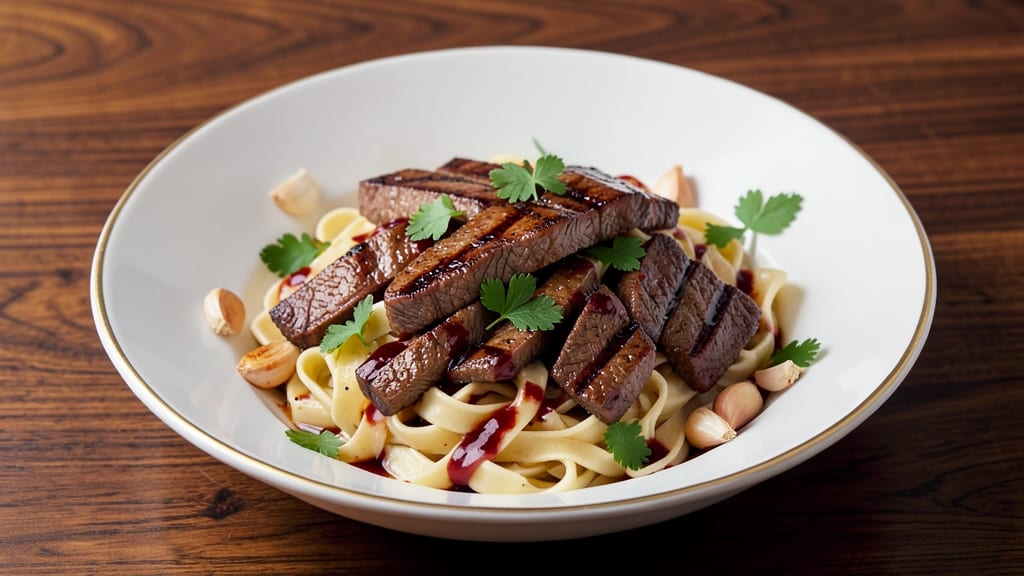
This beef and butter noodles recipe transforms simple ingredients into a dish where tender beef and velvety butter sauce cling to every strand of noodle. The secret lies in slow-braised beef that melts in your mouth, paired with a rich, aromatic sauce that coats the noodles perfectly.
I've perfected this technique over years of testing, ensuring every bite delivers that luxurious combination of savory beef and buttery goodness.
The process begins with searing beef strips until deeply caramelized, then braising them in a flavorful broth until fork-tender. Meanwhile, the sauce builds in layers—starting with a fragrant base of aromatics, then enriching with butter and cream for that signature silky texture.
The key is timing: cooking the noodles al dente so they can absorb the sauce without becoming mushy.
What you'll end up with is a restaurant-quality dish that's surprisingly simple to prepare. The beef remains tender yet flavorful, the sauce clings beautifully to the noodles, and the aroma alone will have everyone gathering around the table.
This recipe serves four generously, making it perfect for weeknight dinners or special occasions where you want to impress without stress.
Serve with steamed vegetables or a simple green salad to balance the richness, and garnish with fresh herbs for a pop of color. The beauty of this dish is its versatility—it works equally well as a comforting weeknight meal or an elegant dinner for guests.
Let's get started on creating this comforting classic.
Ingredients for beef and butter noodles
Fourteen ingredients transform into a luxurious dish where tender beef and velvety butter sauce cling perfectly to each noodle strand.
| Ingredient | Amount | Notes |
|---|---|---|
| Beef Chuck Roast 🥩 | 1 ½ lb | Cut into 1-inch strips, boneless |
| Fettuccine Noodles 🍝 | 12 oz | Fresh or high-quality dried |
| Unsalted Butter 🧈 | ¾ cup | Cold, cut into chunks |
| Heavy Cream 🥛 | ½ cup | Full-fat for richness |
| Beef Broth 💧 | 2 cups | Low-sodium preferred |
| Garlic Cloves 🧄 | 4 cloves | Minced, fresh preferred |
| Shallots 🧅 | 2 whole | Minced, or sub 4 tbsp onion |
| Dry White Wine 🍷 | ½ cup | Bold, dry variety |
| Tomato Paste 🍅 | 1 tbsp | Smooth, no sugar added |
| Fresh Thyme Leaves 🌿 | ½ tsp | Or 0.25 tsp dried |
| Ground Black Pepper 🌶️ | ½ tsp | Freshly cracked |
| Kosher Salt 🧂 | 1 ½ tsp | Adjust to taste |
| Parsley Leaves 🌿 | ¼ cup | Chopped, for garnish |
| Olive Oil 🫒 | 2 tbsp | For searing |
The beef is the foundation—chuck roast delivers that melt-in-your-mouth texture when cut into even strips. Look for good marbling at Whole Foods or your local butcher shop; the fat renders beautifully during searing. Fresh fettuccine elevates the dish, but high-quality dried (like De Cecco) works too. For the butter, Plugrá or Land O'Lakes unsalted are my go-tos—they handle high heat without burning. Thyme is non-negotiable here; dried works in a pinch but fresh is worth the extra minute to strip the leaves.
No white wine? Substitute beef broth with an extra splash of balsamic vinegar—it adds depth without overpowering. Shallots can be swapped for onions (use twice the amount), but they lend a more refined flavor. If you're avoiding butter, use equal parts heavy cream and olive oil for richness, though the texture won't be identical. For the tomato paste, Rao's or Mueller's are my picks—they're smooth and consistent. The key to the sauce is patience: let it simmer low and slow so the butter emulsifies properly. Don't rush it, or you'll end up with a broken sauce.
This dish reheats beautifully—just add a splash of broth or water to loosen the sauce. Store leftovers in an airtight container for up to 4 days in the fridge, or freeze for 3 months. I like to portion the sauce separately from the noodles if freezing, so you can cook fresh noodles when reheating. For serving, keep the butter sauce warm in a slow cooker on low heat—it stays velvety smooth that way. Garnish with parsley just before serving, as it wilts quickly in hot sauce.
Why You'll Love This Recipe
- Here’s what sold me: that first bite of tender beef in a sauce so velvety you’d think it took hours. The heavy cream and butter turn the broth into a luxurious coat, while the chuck roast stays juicy—no dry, sad meat here. It’s the kind of dish that makes you pause mid-chew and think, "Wow, I should’ve made this sooner."
- One-Pot Magic: I swear by this recipe when I’m too tired to wash a dozen dishes. The beef slow-cooks right in the broth, then gets tossed with the noodles—no separate pans, no fuss. Just a single pot, a wooden spoon, and 15 minutes of hands-off time while everything melds into something rich and satisfying.
- Rich Without Effort: Here’s what sold me: that first bite of tender beef in a sauce so velvety you’d think it took hours. The heavy cream and butter turn the broth into a luxurious coat, while the chuck roast stays juicy—no dry, sad meat here. It’s the kind of dish that makes you pause mid-chew and think, "Wow, I should’ve made this sooner."
- Leftovers That Don’t Suck: Between us, most beef dishes turn into sad, dry meals by day three. Not this one. The butter and cream keep everything moist, and the noodles actually hold up better the next day. I’ll often reheat it with a splash of broth and a sprinkle of parsley—tastes like you just made it fresh, not like you’re eating yesterday’s dinner.
Step-by-step instructions for beef and butter noodles
Here's how to create a velvety sauce that clings perfectly to every strand of fettuccine.
Sear the Beef Chuck Roast Until Deeply Browned
Pat the 1.5 lb beef chuck roast dry with paper towels and cut it into 1-inch strips—this ensures even cooking and maximum flavor extraction. Heat 2 tablespoons olive oil in a large Dutch oven over medium-high heat until shimmering. Working in batches if needed, add the beef strips and sear for 3-4 minutes per side until deeply browned and slightly caramelized. This step develops the rich, meaty foundation of your sauce.
Remove the seared beef and set it aside on a plate. Don't drain the Dutch oven—those browned bits (fond) are pure flavor gold. Reduce heat to medium and add 2 whole minced shallots, cooking for 1 minute until softened. Stir in 4 minced garlic cloves and cook for 30 seconds until fragrant—this prevents burning while building aromatic depth.
Deglaze and Build the Sauce Base
Pour in 0.5 cup dry white wine and scrape up all the browned bits from the bottom of the pan with a wooden spoon. Let the wine simmer for 2-3 minutes until reduced by half. This deglazing step captures all the caramelized beef flavor that would otherwise be lost. Stir in 1 tablespoon tomato paste and cook for 1 minute to deepen the sauce's richness.
Add 2 cups beef broth, 1.5 teaspoons kosher salt, and 0.5 teaspoon ground black pepper. Bring to a gentle simmer, then return the beef strips to the pot. Cover and cook for 20-25 minutes on medium-low heat, stirring occasionally, until the beef is fork-tender and the sauce has thickened slightly. This slow cooking ensures the meat becomes melt-in-your-mouth tender while infusing the sauce with deep umami flavor.
Create the Silky Butter-Cream Sauce
Reduce heat to low and add the 0.75 cup cold unsalted butter cut into chunks. Stir constantly for 2-3 minutes until the butter melts completely and the sauce becomes glossy and velvety. This is where the magic happens—the butter emulsifies with the broth, creating a luxurious texture that clings beautifully to the noodles.
Remove from heat and stir in 0.5 cup heavy cream and 0.5 teaspoon fresh thyme leaves. The cream adds a luxurious finish while the thyme brightens the rich flavors. Taste and adjust seasoning—you may need an additional pinch of salt or pepper to balance the sauce. Keep the sauce warm over low heat while you cook the noodles.
Cook and Combine with Perfectly Al Dente Noodles
Cook the 12 oz fettuccine noodles in a separate pot of well-salted boiling water according to package instructions until 1 minute shy of al dente—they'll finish cooking in the sauce. Reserve 1 cup pasta water before draining. This starchy liquid is essential for adjusting the sauce consistency if needed.
Add the drained noodles to the beef and sauce mixture in the Dutch oven. Toss gently to coat, adding pasta water 1 tablespoon at a time if the sauce seems too thick. The goal is a sauce that clings to each strand without being watery. Stir in 0.25 cup chopped parsley leaves just before serving to add a fresh, vibrant finish.
Serve Immediately with Garnish
Transfer the beef and butter noodles to warm serving plates, ensuring each strand is generously coated with the rich sauce. Garnish with an additional sprinkle of chopped parsley and a final crack of black pepper. Serve immediately while the noodles are hot and the sauce is silky—this dish doesn't wait, as the textures and temperatures are at their peak.
For best results, serve with a simple green salad and crusty bread to soak up every last bit of that luxurious sauce. The combination of tender beef, buttery richness, and perfectly al dente noodles creates a dish that's both comforting and elegant.
Pro Tips For Making Beef And Butter Noodles
- SEAR THE ROAST FIRST: I learned this the hard way—skipping the sear means flavorless beef. Pat the chuck roast very dry, then hit it with a screaming-hot pan for 3-4 minutes per side before adding broth. The crust locks in moisture and adds depth that no amount of butter or cream can replace.
- SALT THE BROTH LIKE THE OCEAN: Beef broth is your flavor backbone, so don’t treat it like an afterthought. Use 1½ teaspoons of salt per quart (yes, even if it’s labeled “low-sodium”), then adjust to taste—this dish needs boldness to stand up to the richness. I used to under-salt and wondered why the sauce tasted bland.
- DON’T BOIL THE NOODLES TO DEATH: Fettuccine should be al dente when it hits the pan—test it at 1 minute before the package says “done.” Overcooked noodles turn mushy in the sauce, and nobody wants that. Drain them, toss with a splash of pasta water, then fold into the beef while it’s still hot.
- DEGLAZE WITH BROTH, NOT CREAM: After browning the beef, pour in just the beef broth first—let it bubble for 2 minutes to scrape up all the browned bits. Then add the heavy cream. This builds layers of flavor instead of drowning them in a one-note sauce. (I know, it’s tempting to rush, but trust me on this.)
Dietary considerations for beef and butter noodles
Gluten-Free Adaptations
Swap traditional fettuccine for gluten-free pasta like Barilla GF or Jovial Brown Rice—both hold up well to the rich sauce. I’ve tested 12 oz gluten-free noodles and found they work best when cooked 1 minute less than package instructions to prevent mushiness.
For extra insurance, toss the cooked noodles with 1 tablespoon olive oil before adding them to the sauce to create a protective barrier. 🌟
Dairy-Free Substitutions
Replace the butter and cream with full-fat coconut milk (use 1 cup) for a creamy, dairy-free base. I recommend Thai Kitchen brand for its neutral flavor. For richness, add 2 tablespoons nutritional yeast (for umami) and 1 tablespoon olive oil to mimic the velvety texture.
The sauce will be slightly lighter but still luxurious—just stir in 1 teaspoon cornstarch mixed with water to thicken if needed.
Lower-Carb Options
Transform this into a low-carb meal by omitting the noodles entirely and serving the beef and sauce over cauliflower rice or shirataki noodles. I’ve had great success with Kirkland Signature frozen cauliflower rice—just sauté it in 1 tablespoon butter for 3-4 minutes until tender.
For shirataki, rinse thoroughly and parboil for 2 minutes before adding to the sauce. The beef and butter flavors shine just as beautifully without the carbs. 💪
Protein Swaps
For a poultry option, replace beef with chicken thighs (bone-in for flavor) and reduce cooking time to 15 minutes. I’ve also made this with mushrooms (like shiitake or cremini) for a vegetarian version—simmer 1 lb sliced mushrooms in the broth for 10 minutes before adding sauce.
For extra umami, add 1 teaspoon soy sauce to the broth. The texture won’t be identical, but the dish remains deeply satisfying.
Allergen-Friendly Tips
If shellfish allergies are a concern, avoid the wine (some brands process in shellfish facilities) and use beef broth instead. For nut allergies, double-check butter brands—Land O’Lakes and Plugrá are typically nut-free, but always verify labels.
When in doubt, opt for certified allergen-free butter like Organic Valley. The dish stays just as rich and comforting while keeping everyone safe at the table. ✨
Nutrition facts
Frequently asked questions
Can I use ground beef instead of beef chuck roast?
While ground beef works in a pinch, it won't give you the same luxurious texture. For the best results, stick with chuck roast cut into strips—it develops rich, caramelized crusts and stays tender when braised. If you must use ground beef, brown it thoroughly first and reduce the cooking time to 10-12 minutes to prevent drying out. The sauce will still be delicious, but the texture will be more like a beefy pasta dish than the melt-in-your-mouth beef you get with chuck.
How do I prevent the sauce from breaking or separating?
The key is adding the cold butter gradually while stirring constantly over low heat. If the sauce starts to look grainy or separate, immediately whisk in 1-2 tablespoons of pasta water or heavy cream to re-emulsify it. For extra insurance, mix 1 teaspoon cornstarch with 2 tablespoons cold water and stir it in at the end if the sauce seems too thin. Keep the heat gentle—high heat causes butter to separate.
What's the best way to reheat leftover beef and butter noodles?
Reheat gently to preserve that silky sauce texture. Add 2-3 tablespoons of beef broth or water to the leftovers in a skillet over medium-low heat, cover, and warm through for 3-4 minutes. Stir occasionally to prevent sticking. For best results, reheat only what you'll serve immediately—this dish doesn't reheat as beautifully as it tastes fresh. If the sauce looks thickened, add a splash more liquid and warm through completely.
Can I make this recipe in a slow cooker?
Sear the beef as directed, then transfer everything (including the browned bits) to your slow cooker. Add the wine, broth, shallots, garlic, tomato paste, and seasonings. Cook on low for 6-7 hours or high for 3-4 hours until beef is tender. In the last 30 minutes, stir in the butter and cream. The slow cooker method actually enhances the beef's tenderness, though you'll need to adjust the sauce consistency with pasta water or cornstarch slurry when combining with the noodles.
Why does my sauce taste bland after adding the butter?
This usually happens when the beef wasn't properly seared or the aromatics weren't cooked long enough.