
Soups & Stews
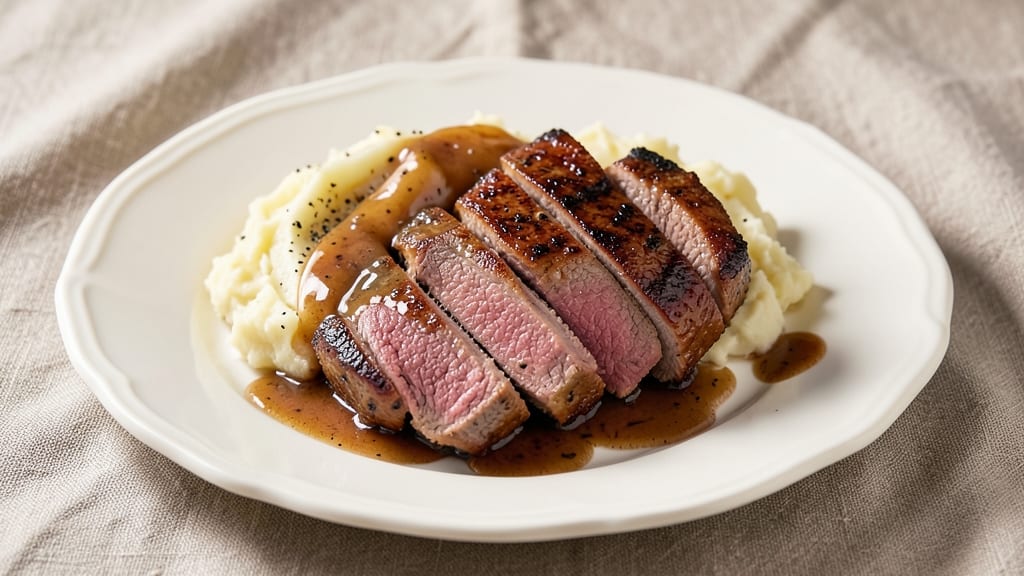
This beef and mash recipe delivers the comforting, hearty meal you crave after a long day—tender beef, velvety mashed potatoes, and rich gravy that clings to every bite.
The secret lies in slow-roasting the beef until it’s fall-apart tender while building a gravy so flavorful it transforms simple potatoes into something extraordinary. I’ve perfected this dish over years of testing, ensuring the mashed potatoes are perfectly smooth and the gravy achieves that signature buttery richness.
What sets this recipe apart is the balance of techniques: a dry-roasted beef develops deep, caramelized flavors without drying out, while the mashed potatoes use a mix of butter and cream for a texture that’s neither too heavy nor too light.
The gravy, made from the beef drippings, is the star—it’s thick enough to coat each potato generously but light enough to let the beef’s natural richness shine through. This isn’t just a meal; it’s a restaurant-quality experience you can recreate at home.
The result is a plate that feels indulgent yet satisfying—golden-brown beef slices resting on a mound of fluffy mashed potatoes, all smothered in gravy that makes every bite worth savoring.
Serve it with buttered green beans or a simple side salad to round out the meal, and you’ll have a dish that’s as comforting as it is impressive. The key is patience: letting the beef rest after roasting and allowing the gravy to reduce slowly for maximum flavor.
Whether you’re hosting a dinner party or treating yourself to a cozy weeknight meal, this beef and mash recipe delivers the warmth and satisfaction of a classic comfort food.
The technique is straightforward, but the results are anything but ordinary—this is the kind of dish that turns a simple dinner into a memorable experience. Let’s get started on creating it.
Ingredients for beef and mash
Short list. Big flavor. Everything you need for restaurant-quality beef and mash at home.
| Ingredient | Amount | Notes |
|---|---|---|
| Beef Chuck Roast 🥩 | 2 lb | Bone-in preferred for flavor |
| Russet Potatoes 🥔 | 2 ½ lb | Medium size, peeled and cubed |
| Unsalted Butter 🧈 | ½ cup | Cold, cut into pats |
| Heavy Cream 🥛 | ½ cup | Full-fat for richness |
| Beef Broth 💧 | 2 cups | Homemade or quality store-bought |
| All-Purpose Flour 🌾 | 2 tbsp | For gravy thickening |
| Yellow Onion 🧅 | 1 whole | Diced, medium size |
| Garlic Cloves 🧄 | 4 cloves | Minced, fresh preferred |
| Fresh Thyme 🌿 | 2 sprigs | Or 1 tsp dried thyme |
| Salt 🧂 | 1 ½ tsp | Kosher or sea salt |
| Ground Black Pepper 🌶️ | ½ tsp | Freshly ground preferred |
| Olive Oil 🫒 | 2 tbsp | For searing beef |
The beef is everything here. Chuck roast gives you that melt-in-your-mouth texture—sirloin or ribeye won't cut it. Grab it from the butcher section, not the pre-cut counter. Look for good marbling—those little fat streaks are what make the meat tender. I always ask for it to be cut into 1-inch chunks before I leave the store. For the potatoes, Russets are non-negotiable—they're starchy enough to mash smoothly. If you can't find them, Yukon Golds work in a pinch, but they'll be slightly creamier. Peeling them takes two minutes with a vegetable peeler, and it's worth it for that silky texture.
No beef broth? Water plus 1 tbsp soy sauce gets you close, but it won't be as deep. Fresh thyme is ideal, but dried works at half the amount. The flour for gravy? Diamond Crystal is my go-to—it absorbs moisture differently than regular all-purpose, so you might need a tad less. For the onion, yellow or red both work, but yellow has a slightly sweeter flavor. The butter matters here—unsalted, cold pats brown better than melted butter. And trust me on the heavy cream—light cream makes the gravy watery. If you're out of cream, half-and-half with an extra splash of milk works, but it won't be as rich.
This reheats beautifully—honestly tastes better the next day once everything melds. Store the beef and gravy separately in airtight containers for 3-4 days in the fridge. The mashed potatoes? 2 days max—they get gummy after that. For leftovers, I like to portion everything into individual containers so I can just reheat what I need. The beef and gravy freeze for up to 3 months—just thaw overnight in the fridge. The potatoes? Freeze them with a little butter mixed in to prevent drying out. And if you're making this ahead, roast the beef and mash the potatoes the day before, then just reheat and make fresh gravy.
Why You'll Love This Recipe
- I swear by this trick: toss the beef and potatoes in the same pot, slow-cook them together, then finish with butter and cream. No chopping, no fuss—just hands-off magic while you stir in the broth and let the flavors meld.
- One-Pot Wonder: I swear by this trick: toss the beef and potatoes in the same pot, slow-cook them together, then finish with butter and cream. No chopping, no fuss—just hands-off magic while you stir in the broth and let the flavors meld.
- Creamy Crisp Perfection: That buttery mash with its golden crust? It’s the star. The heavy cream makes it velvety, but the crispy edges—thanks to that final broil—are what turn this into a dish I’ll fight anyone over.
- Leftovers That Shine: Between us, my beef and mash actually tastes better the next day. The flavors deepen, the potatoes soften just right, and I’ve reheated it three times for lunch without a single complaint.
Step-by-step instructions for beef and mash recipe
Here's how to make the ultimate comfort meal with tender beef and velvety mash.
Sear the Beef Chuck Roast to Lock in Flavor
Heat a heavy skillet or Dutch oven over medium-high heat and add the 2 tablespoons olive oil. Once shimmering, place the 2 lb beef chuck roast in the pan, fat-side down. Let it sear undisturbed for 5-6 minutes until a deep golden-brown crust forms. This step is crucial—it creates the Maillard reaction that builds rich, caramelized flavor.
Flip the roast and sear the other side for another 4-5 minutes. Then reduce heat to medium and add the 1 whole yellow onion, 4 cloves garlic cloves, and 2 sprigs fresh thyme. Cook for 3-4 minutes until the onion softens and the garlic becomes fragrant. Remove the roast and set it aside on a plate.
Roast the Beef Until Fork-Tender
Preheat your oven to 325°F. Place the seared roast back in the skillet, fat-side up, and add 2 cups beef broth. Cover tightly with a lid or foil, then transfer to the oven. Roast for 2.5-3 hours until the beef is fork-tender and the internal temperature reaches 200-203°F. You'll know it's done when the meat easily pulls apart with minimal resistance.
During the last 30 minutes, sprinkle 1.5 teaspoons salt and 0.5 teaspoon ground black pepper over the roast to enhance flavor. The long, slow cook ensures the beef stays juicy and develops deep, savory notes that pair perfectly with the creamy mash.
Boil and Mash the Potatoes to Perfection
While the beef roasts, peel and cube the 2.5 lb russet potatoes into 1.5-inch chunks. Place them in a large pot and cover with cold water by about 1 inch. Add 1 teaspoon salt to the water and bring to a boil over high heat. Once boiling, reduce heat to medium-low and simmer for 15-20 minutes until the potatoes are fork-tender.
Drain the potatoes thoroughly, then return them to the pot. Add the 0.5 cup unsalted butter and mash until smooth. For extra creaminess, add 0.5 cup heavy cream and mash again until the potatoes reach your desired consistency—light and fluffy, with no lumps. Cover and keep warm while you finish the gravy.
Make a Rich, Clinging Gravy
Remove the beef from the oven and let it rest for 10 minutes before slicing. Skim any excess fat from the roasting juices in the skillet, leaving about 2 tablespoons. Place the skillet over medium heat and sprinkle in the 2 tablespoons all-purpose flour, stirring constantly for 1-2 minutes until golden brown.
Slowly whisk in the 2 cups beef broth from the roasting pan, scraping up any browned bits from the bottom. Bring to a simmer and cook for 5-7 minutes until the gravy thickens to a velvety consistency. Stir in the 0.5 cup heavy cream and season with additional salt and pepper if needed. The gravy should coat the back of a spoon and cling beautifully to every bite of mash.
Pro Tips For Making Beef And Mash
- SEAR THE ROAST FIRST: That deep brown crust on your chuck roast isn’t just for looks—it locks in flavor. Hit the meat with a hot pan (no oil needed) and let it sit undisturbed for 3-4 minutes per side until it’s dark, not just pink. I used to rush this, and the beef always tasted flat afterward.
- PEEL POTATOES AFTER BOILING: Yes, I know—it sounds counterintuitive. But boiling whole Russets first (skin on) preserves their starch, then peeling afterward gives you creamier mash with fewer lumps. Skip the peeling step if you’re lazy, but the texture won’t be as velvety.
- DON’T SKIP THE REST: Pull the beef off the bone and tent it with foil for 5-10 minutes before slicing. This keeps it juicy, and I’ve learned the hard way that cutting into hot meat means dry, stringy results. (Your knife will thank you too—hot beef is a nightmare to slice.)
- STARCH THE MASH WITH BROTH: Save the starchy water from boiling the potatoes and mix half a cup into your mashed potatoes before adding butter or cream. It makes the mash lighter and silkier without needing extra fat. I was skeptical until I tried it—now it’s non-negotiable.
Make-ahead tips for beef and mash
Beef Prep Ahead
Roast the beef chuck roast 24 hours ahead and store it in an airtight container in the refrigerator. The flavors deepen overnight, and you’ll save time on the day of serving.
When reheating, warm it in the oven at 325°F for 15-20 minutes with a splash of beef broth to keep it moist. I like to slice it thin against the grain right before serving so it stays tender. 🥩
Mashed Potato Prep
Cook and mash the potatoes 1-2 days ahead and store them in an airtight container. Reheat them in a dry skillet over low heat, adding a pat of butter and a splash of warm milk or cream to restore creaminess.
For extra fluffiness, cover the pot while reheating to prevent drying out. I find they taste even better the next day when all the starches have settled. 🥔
Gravy Make-Ahead
Make the gravy fresh on serving day—it’s best when made from the beef drippings while they’re still warm. However, if you’re short on time, you can make a basic roux (butter + flour) ahead and store it in the fridge.
When ready to serve, just whisk in warm beef broth and cream to finish. The flavor won’t be as deep, but it’s a lifesaver for busy evenings. 💛
Full Meal Assembly
For a complete make-ahead meal, roast the beef and mash the potatoes the day before. Store them separately in the fridge, then reheat everything individually. Assemble the plates just before serving to keep the potatoes from absorbing too much gravy.
This is perfect for dinner parties—just warm and plate while guests arrive. The key is keeping components separate until the last minute. ✨
Freezer-Friendly Tips
Both the beef and gravy freeze beautifully for up to 3 months. Store them in separate airtight containers, labeling with dates. When ready to serve, thaw overnight in the fridge, then reheat gently.
For the mashed potatoes, mix in an extra 2 tablespoons butter before freezing to prevent drying out. Reheat in a covered pot with a splash of warm milk. ❄️
Garnish Last-Minute
Fresh herbs like parsley or thyme add brightness to the dish, so always add them just before serving. A sprinkle of crushed black pepper or a drizzle of extra gravy elevates the presentation.
For a restaurant touch, top with a butter pat and a pinch of flaky sea salt. These final details make the dish feel special without extra effort. 💡
Nutrition facts
Frequently asked questions
Can I use a different cut of beef instead of chuck roast?
Chuck roast is ideal because of its fat marbling, which keeps the meat tender during long cooking. You could try beef short ribs or brisket for similar results, but they require longer cooking times. Avoid lean cuts like sirloin—they'll dry out. If you must substitute, add an extra 15-20 minutes to the roasting time and check for tenderness more frequently.
How do I make the mashed potatoes extra creamy?
The secret is in the technique: use hot potatoes right out of the pot, mash with a potato masher (not a mixer) to retain some texture, and fold in the butter and cream gradually. For restaurant-style fluffiness, add 1/4 cup warm milk at the end and mash vigorously. If they're still lumpy, strain them through a fine-mesh sieve before serving.
Why is my gravy too thin or too thick?
Gravy thickness depends on the ratio of liquid to flour. For a richer consistency, reduce the broth by 10-15 minutes before adding cream. If too thin, simmer uncovered for 2-3 extra minutes to evaporate moisture. Too thick? Thin with warm beef broth, 1 tablespoon at a time. Always remember: less liquid = thicker gravy, more liquid = thinner gravy.
Can I make this dish vegetarian?
Swap the beef for mushrooms or lentils (for texture) and use vegetable broth. For a hearty alternative, try jackfruit or portobello mushrooms seared with the same spices. The mashed potatoes and gravy recipes remain identical—just ensure your broth is flavorful enough to carry the dish.
How do I prevent my mashed potatoes from getting gummy?
Gummy potatoes happen when they're overcooked or not drained properly. Always boil them in well-salted water and drain thoroughly before mashing. For extra insurance, dry the potatoes in a clean kitchen towel for 1-2 minutes before adding butter. Never reheat them in the microwave—use a dry skillet over low heat with a splash of warm milk.