
Soups & Stews
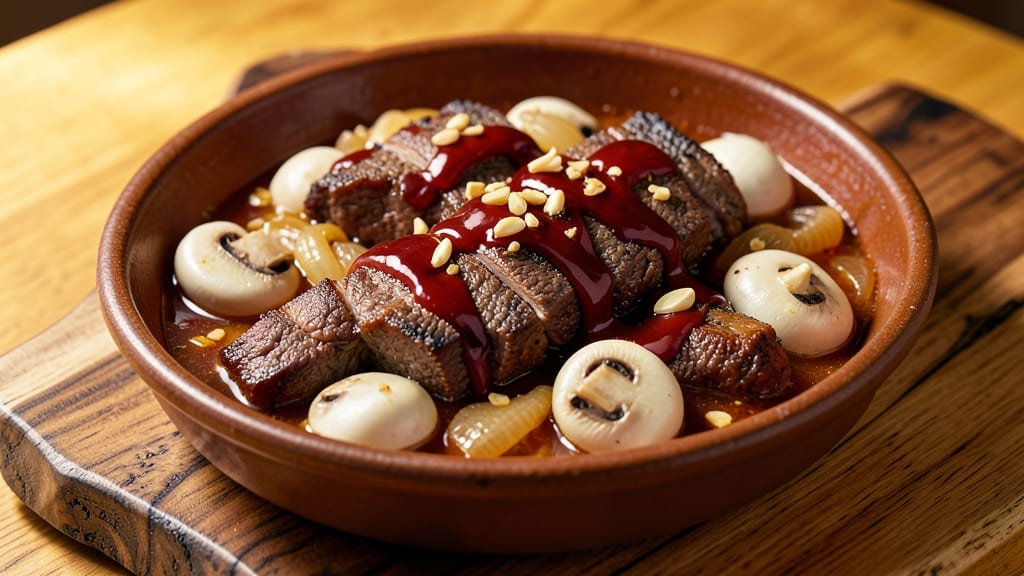
This Filipino-style beef and mushroom recipe delivers the perfect balance of soy-braised richness and crispy edges that make every bite unforgettable. The secret lies in a slow-cooked soy-vinegar marinade that tenderizes the beef while mushrooms soak up deep umami flavors. I developed this dish after years of perfecting the art of Filipino braising—where the magic happens in the slow simmer, not the quick sear.
The dish begins with searing beef strips until golden, then braising them in a aromatic blend of soy sauce, vinegar, and garlic until fork-tender. Mushrooms are added later to maintain their texture, absorbing the rich, caramelized sauce.
Traditional Filipino techniques like adobo seasoning and sinigang broth notes elevate this beyond ordinary beef stews, creating layers of complexity that will impress even the most discerning palates.
What you'll end up with is a dish that's hearty yet balanced—crispy beef edges contrast beautifully with tender centers, while mushrooms add earthy depth. The sauce clings perfectly, delivering that signature Filipino soy-vinegar tang with every bite.
This recipe serves as both a comforting family meal and an impressive centerpiece for gatherings.
Pair it with steamed jasmine rice to soak up every last drop of that flavorful sauce, or serve with atchara (Filipino pickled papaya) for a tangy contrast. The crispy edges promise satisfaction, while the tender beef and mushrooms deliver on umami richness. Let's create this Filipino masterpiece together.
Ingredients for beef and mushroom recipe filipino style
Filipino braising essentials—where soy meets vinegar for rich, crispy beef perfection.
| Ingredient | Amount | Notes |
|---|---|---|
| Beef Chuck Roast 🥩 | 1 ½ lb | Cut into 1-inch strips, trimmed of fat |
| White Button Mushrooms 🍄 | 16 oz | Whole, halved lengthwise if large |
| Garlic Cloves 🧄 | 6 cloves | Minced, for marinade and sauce |
| Yellow Onion 🧅 | 1 whole | Thinly sliced, for braising |
| Canned Tomatoes 🍅 | 14 ½ oz | San Marzano preferred, crushed by hand |
| Soy Sauce 🍶 | ½ cup | High-quality, preferably Filipino-style |
| Cane Vinegar 💧 | ¼ cup | White vinegar works in a pinch |
| Olive Oil 🫒 | 2 tbsp | Extra-virgin for searing |
| Black Peppercorns 🌶️ | 1 tsp | Freshly cracked, for depth |
| Bay Leaves 🌿 | 2 whole | Dried, for aromatic base |
| Salt 🧂 | 1 ½ tsp | Diamond Crystal preferred |
| Jasmine Rice 🍚 | 1 ½ cups | Uncooked, for serving |
| Green Onions 🧅 | 3 whole | Sliced, for garnish |
The beef selection is critical here. Chuck roast delivers that signature Filipino texture—tender yet crispy at the edges—while leaner cuts like sirloin will stay tough. Trim excess fat to avoid greasiness in the sauce. For mushrooms, white button or cremini work best—their mild flavor lets the soy and vinegar shine. I source my beef from Filipino markets when possible, but any quality butcher will do. Look for well-marbled meat with vibrant color, not grayish hues. The San Marzano tomatoes are non-negotiable for their sweetness and acid balance—regular canned tomatoes will work but lack depth.
No Filipino soy sauce? Substitute with a mix of regular soy sauce and a splash of oyster sauce (if vegetarian, use vegetarian oyster sauce). Vinegar shortages? Lemon juice at half the amount provides similar acidity. For mushrooms, shiitake or oyster mushrooms add umami but require adjusting cook time. The garlic can be pre-minced from a jar (though fresh is ideal), and if you're short on time, garlic powder at one-third the amount works. For the rice, jasmine or basmati are traditional—long-grain varieties hold up best to soaking in the sauce. The green onions are purely decorative but add freshness—skip if you prefer a more concentrated flavor.
This dish tastes even better the next day as flavors meld. Store leftovers in an airtight container for up to 5 days in the fridge, though I recommend reheating gently to preserve the crispy edges. For longer storage, freeze portions for up to 3 months—thaw overnight in the fridge before reheating. The sauce thickens as it cools, so add a splash of water or vinegar when reheating. For serving, I always double the rice portion—everyone will want seconds of that rich sauce. Garnish with extra green onions right before eating to keep them vibrant.
Why You'll Love This Recipe
- One-Pot Magic: Honestly, this dish is chef’s kiss for lazy nights—just sear the beef, toss in the mushrooms and onions, then let the slow cooker or pot do its thing. No chopping boards full of scraps, no extra pots to wash.
- Umami Bomb: That combo of beef chuck (tender when braised) and earthy mushrooms with garlic? It’s like a flavor explosion in your mouth. The canned tomatoes add just enough tang to cut through the richness—simple, but ridiculously satisfying.
- Meal Prep MVP: Between us, this is my go-to for busy weeks. Cook a big batch on Sunday, and you’ve got hearty lunches for days. Even better? It reheats like a dream—no dry, sad leftovers here.
- Budget-Friendly Feast: Beef chuck is affordable, mushrooms stretch far, and canned tomatoes? Always on sale. You’re feeding a crowd for less than takeout, and honestly, who doesn’t love that? Plus, the leftovers taste just as good cold in sandwiches.
Step-by-step instructions for soy-braised beef and mushrooms
Here's how to achieve that signature Filipino balance of tender beef, rich umami, and crispy edges.
Sear the Beef for Maximum Flavor
Heat the 2 tablespoons olive oil in a large, heavy pot over medium-high heat until shimmering. Add the 1.5 lb beef chuck roast cut into 1-inch strips in a single layer, working in batches if needed. Let each piece sear undisturbed for 2-3 minutes until deeply browned on all sides—this creates the crispy edges and concentrated flavor we're after.
Don't rush this step. You'll know it's ready when the beef releases easily from the pan and develops a rich mahogany crust. Remove the beef and set aside on a plate, leaving all the browned bits in the pot. These fond bits will form the base of your sauce, so don't scrape them out.
Build the Aromatic Base
In the same pot, add the 1 whole yellow onion sliced thinly and the 16 oz white button mushrooms halved lengthwise. Cook over medium heat for 5-6 minutes until the onions soften and the mushrooms release their moisture, which should mostly evaporate by the end. Stir occasionally to prevent sticking.
Add the 6 cloves minced garlic and cook for 30 seconds until fragrant—don't let it brown or it'll turn bitter. Sprinkle in the 1 teaspoon black peppercorns and 1.5 teaspoons salt, stirring to combine. This aromatic base forms the flavor foundation of your dish.
Create the Signature Soy-Braised Sauce
Pour in the 0.5 cup soy sauce and 0.25 cup cane vinegar, scraping up all those browned bits from the bottom of the pot. Add the 14.5 oz canned tomatoes (crushed by hand if possible) and the 2 whole bay leaves. Bring the mixture to a simmer over medium heat, then reduce to low heat and cover partially.
Return the seared beef to the pot, along with any accumulated juices. Let it simmer gently for 1 hour, stirring occasionally. The sauce should reduce slightly and coat the beef, creating that signature soy-braised texture. If the sauce gets too thick, add 2-3 tablespoons water to maintain the right consistency.
Finish with Perfect Texture
After 1 hour, the beef should be fork-tender with crispy edges. Remove the bay leaves and check the seasoning—adjust with additional soy sauce or salt if needed. Let the beef and sauce rest together off the heat for 10 minutes to allow the flavors to meld completely.
While the beef rests, prepare the 1.5 cups jasmine rice according to package instructions. Serve the beef and mushroom mixture over the rice, garnished with the 3 sliced green onions. The dish should have a rich, glossy sauce with tender beef that pulls apart easily and mushrooms that have absorbed all the savory flavors.
Pro Tips For Making Beef And Mushroom Recipe Filipino Style
- Sear the Beef First: I learned this the hard way—skipping the sear means flavorless beef. Get that chuck roast screaming hot in a dry pan with oil for 3-4 minutes per side until it’s deep brown. The crust locks in juices and builds the base for the rich, caramelized sauce that defines Filipino beef dishes.
- Slice Mushrooms Thin: Thin slices cook faster and absorb flavors better. Cut those white buttons into even ¼-inch pieces—no need to overcrowd the pan. If they’re thick, they’ll turn to mush instead of soaking up the garlic and tomato goodness. (Yes, even if you’re impatient like me, resist the urge to rush this.)
- Deglaze with Soy Sauce: After browning the beef, don’t just toss in water or broth. Scrape up those browned bits with 2 tablespoons of soy sauce first—it cuts through the richness and adds that umami punch Filipino recipes crave. Let it bubble for 30 seconds before adding the onions and garlic.
- Simmer Low and Slow: This isn’t a race. After adding tomatoes and liquid, drop the heat to a gentle simmer and cover partially. Too high, and the sauce turns gloppy; too low, and the beef stays tough. Aim for 1.5–2 hours—just until the beef shreds easily. (Your future self will thank you for not rushing this part.)
Pro cooking tips for beef and mushroom recipe filipino style
Sear Like a Pro
For those crispy edges that define Filipino braising, high-heat searing is non-negotiable. Use a heavy-bottomed pot (I love my Le Creuset Dutch oven) to distribute heat evenly. Work in batches if needed—crowding the pan steams the beef instead of searing it.
The key is patience: let each piece develop a deep mahogany crust before touching it. I've learned the hard way that rushing this step results in pale, mushy edges that ruin the dish. 🔥
Vinegar's Dual Role
Filipino cuisine relies on vinegar for both acidity and tenderness. The 0.25 cup cane vinegar here serves two purposes: it tenderizes the beef during the long braise, and its tang cuts through the richness of the soy sauce.
For best results, add it with the soy sauce at the beginning—this ensures even distribution. If you're using white vinegar as a substitute, add it gradually to avoid over-acidifying the dish. Trust me, the balance between sweet, salty, and tangy is what makes this dish sing.
Mushroom Timing Matters
Adding mushrooms too early turns them to mush, while adding them too late leaves them bland. My trick? Sauté them with the onions until they release most of their moisture (about 5-6 minutes), then set them aside.
Just before returning the beef to the pot, add them back—this ensures they absorb the rich braising liquid without turning soggy. For extra umami, I sometimes toast 1 tbsp mushroom powder> (made from dried mushrooms) with the garlic. It's a secret weapon for depth.
Sauce Consistency Secrets
The perfect sauce should coat the back of a spoon but still glaze the beef. If it thickens too much during braising, add 2-3 tbsp water or vinegar to maintain balance.
I've found that Filipino-style soy sauce (like Silver Swan) has a thicker body than regular soy sauce, so you might need slightly more water. For extra richness, stir in 1 tbsp cornstarch> mixed with 2 tbsp water> at the very end if you prefer a glossier finish.
The sauce should be sticky enough to cling to every bite but still allow the beef's texture to shine.
Resting for Flavor Fusion
Never skip the 10-minute rest> after braising. This crucial step allows the beef to reabsorb its juices and the sauce to fully meld with the meat. I like to tent the pot loosely with foil during resting to prevent drying.
The flavors will develop deeper during this time, and the beef will become even more tender. Pro tip: If you're serving this dish to guests, use this time to prepare your rice and garnishes—it's the perfect opportunity to set the table and create a memorable presentation. ✨
Equipment Upgrades
While you can make this dish with basic pots and pans, a few upgrades make all the difference. A meat thermometer ensures perfect doneness (aim for 203°F> for pull-apart tenderness). For searing, a cast-iron skillet (like Lodge) conducts heat better than stainless steel.
And if you're braising for large groups, a slow cooker on low for 6-8 hours> works beautifully—just add the mushrooms in the last 30 minutes**> to preserve texture. These small investments elevate home cooking from good to restaurant-quality. 💡
Nutrition facts
Frequently asked questions
What makes this Filipino-style beef and mushrooms different from regular beef stew?
The magic lies in the soy-vinegar balance and high-heat searing technique. Filipino cooking uses cane vinegar for tangy brightness that tenderizes the beef while cutting through richness, plus Filipino-style soy sauce (like Silver Swan) for deeper umami. The crispy edges come from proper searing before slow braising—unlike stews that simmer everything together.
Can I substitute beef with chicken or pork?
Yes, but adjust cooking times! Chicken thighs work best (braise 30 minutes less), while pork shoulder needs 1 hour extra for tenderness. For chicken, use bone-in thighs—they stay juicier. Pork benefits from extra vinegar (add 1 tbsp) to balance fat. Never use lean cuts like chicken breast—they dry out.
How do I fix if the sauce turns out too thin or too thick?
For thin sauce, simmer uncovered for 5-10 minutes to reduce, or stir in 1 tbsp cornstarch mixed with 2 tbsp water. For thick sauce, add 2-3 tbsp water or vinegar while heating. Pro tip: Filipino-style soy sauce thickens more than regular—adjust gradually! The perfect consistency coats the back of a spoon but still glides over beef.
What sides pair best with this dish?
Classic Filipino pairings: steamed jasmine rice (essential for soaking sauce), atchara (pickled papaya) for tangy contrast, or sautéed string beans with garlic. For heartier meals, add garlic fried rice or bagoong (shrimp paste) with rice. Avoid heavy sides—the sauce is rich enough! Garnish with kalamansi (Filipino lime) wedges for freshness.