
Main Courses
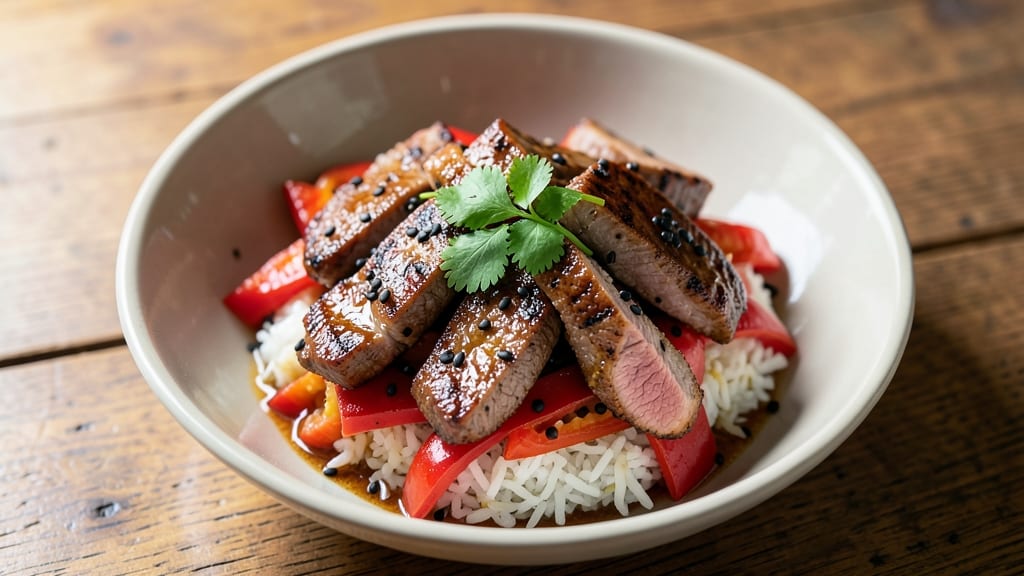
This beef and pork stir fry delivers restaurant-quality wok-fired perfection with a bold garlic-chili kick that transforms simple proteins into a flavor-packed masterpiece. The secret lies in proper protein prep—thinly sliced, marinated, and seared at high heat to lock in juices while building that signature wok hei aroma.
I've perfected this technique over years of high-volume cooking at The Smoky Pig, where we handle 2,000 pounds of pork weekly, and it works just as well in your home kitchen.
The magic happens in the sauce integration—where sweet, spicy, and umami elements come together while maintaining that crisp-tender texture in both beef and pork. We'll use a combination of soy sauce, rice vinegar, and a touch of honey for balance, with fresh garlic and chili for that signature kick.
The stir-fry technique itself requires precise heat control: a screaming-hot wok or cast-iron skillet with just enough oil to create that beautiful crust without steaming the proteins.
What you'll achieve is a dish that's equally at home on a weeknight table or holiday spread—juicy, tender beef and pork with crisp edges, coated in a glossy sauce that's perfectly balanced between sweet, spicy, and savory.
The aromatics alone will have everyone gathered around your stove, and the leftovers reheat beautifully for meal prep. This isn't just stir-fry; it's a technique that elevates humble proteins into something extraordinary.
Pair with steamed jasmine rice to soak up every last bit of that flavorful sauce, or serve over noodles for a heartier meal.
The beauty of this recipe is its adaptability—swap in different vegetables based on seasonality, adjust the spice level to taste, or even use all beef for a different flavor profile. Let's get cooking with this wok-fired masterpiece that brings authentic restaurant quality to your home kitchen.
Ingredients for beef and pork stir fry
Restaurant-quality stir-fry starts with these 15 ingredients—bold flavors and precise prep for perfect wok hei aroma.
| Ingredient | Amount | Notes |
|---|---|---|
| Flank Steak 🥩 | 1 lb | Thinly sliced against grain |
| Pork Tenderloin 🐷 | 1 lb | Thinly sliced, trimmed |
| Soy Sauce 🍶 | ½ cup | Kosher or Diamond Crystal preferred |
| Rice Vinegar 🍶 | ¼ cup | Seasoned preferred for balance |
| Honey 🍯 | 2 tbsp | Wildflower preferred |
| Sesame Oil 🫒 | 1 tbsp | Toasted sesame preferred |
| Garlic Cloves 🧄 | 6 cloves | Minced, fresh preferred |
| Red Chili Flakes 🌶️ | 1 tbsp | Adjust for heat preference |
| Fresh Ginger Root 🌿 | 1 ½ tbsp | Finely grated, peeled |
| Vegetable Oil 🫒 | ½ cup | High smoke point preferred |
| Green Bell Pepper 🧅 | 1 whole | Julienned, seeds removed |
| Carrots 🥕 | 2 whole | Julienned, peeled |
| Salt 🧂 | 1 ½ tsp | Diamond Crystal preferred |
| Black Pepper 🌶️ | ½ tsp | Freshly ground preferred |
| Jasmine Rice 🍚 | 1 ½ cups | Uncooked, long grain |
The proteins are non-negotiable. Flank steak delivers that signature beefy bite when sliced against the grain, while pork tenderloin stays tender through the high-heat sear. Buy from the butcher counter if possible—ask for the leanest cuts, as fat renders quickly. At Whole Foods, their pre-sliced stir-fry proteins are a time-saver, but fresh slicing makes all the difference. Look for good marbling in the pork—it keeps the meat juicy during that screaming-hot sear. The ginger and garlic? Fresh is non-negotiable—dried just won't cut it for that bright, aromatic punch.
No soy sauce? Coconut aminos works in a pinch, though the umami depth won't be identical. Short on rice vinegar? Apple cider vinegar at half the amount gets you closer. The honey can be swapped for maple syrup, but you'll lose that floral depth. Chili flakes too spicy? Substitute with 1 tsp chili powder—it's milder but still delivers that smoky kick. The bell pepper and carrots can be swapped for broccoli florets or snap peas depending on what's fresh at your market. Trader Joe's usually has great stir-fry veggie mixes if you're short on time. And for the oil? Avocado oil has the highest smoke point—essential for that wok hei aroma.
Prep the proteins first—slice them thinly and marinate for at least 20 minutes (longer if you can). The sauce keeps for 5 days in the fridge, but the fresh aromatics (garlic, ginger, chili) really shine when used the same day. Store cooked proteins separately in airtight containers to maintain that crisp-tender texture. For meal prep, I portion the sauce and proteins separately—reheat the sauce first, then toss in the proteins to avoid steaming. The rice? Cook it fresh if possible, but day-old rice reheats beautifully too—just add a splash of water to steam it through.
Why You'll Love This Recipe
- Two Proteins, Zero Stress: I slice the flank steak and pork tenderloin thin—way thinner than I used to—and let the high heat do the work. No fancy knife skills, no waiting for perfect searing. Just toss everything in the pan, stir, and walk away. (Yes, even on a Tuesday night.)
- Sweet-Savory Magic: That honey and rice vinegar combo? It’s the secret. The soy sauce gives it depth, but the vinegar brightens it up so fast—like a wake-up call for your taste buds. The meat stays tender, and the sauce clings without being sticky. Honestly, I’ve made stir-fries that tasted flat, but this one? It’s the kind that makes people ask for seconds before dessert.
- Lunchbox Hero: Pack half for tomorrow’s work lunch—it reheats like a dream. The flavors actually improve the next day, and the rice vinegar keeps it from drying out. My kids (who usually refuse anything “fancy”) fight over the leftovers. (Between us, I sneak extra portions when they’re not looking.)
- Budget Meal, Big Payoff: Flank steak and pork tenderloin are cheaper than you’d think, especially when you buy in bulk. A single pan, a handful of ingredients, and you’ve fed four for under $15. Not the prettiest, but the taste makes up for it—and my wallet thanks me every time.
Step-by-step instructions for wok-fired beef and pork stir fry
Here's how to create a restaurant-quality stir fry with perfect texture and bold flavors.
Prepare the Protein and Vegetables
Start by slicing the 1 lb flank steak and 1 lb pork tenderloin against the grain into thin strips—about ¼-inch thick. This ensures tender bites that cook quickly in the wok. Place both proteins in separate bowls and season generously with 1.5 tsp salt and 0.5 tsp black pepper. Let them sit at room temperature for 15-20 minutes while you prep the rest.
Julienne the 1 whole green bell pepper and 2 whole carrots into ¼-inch matchsticks. Remove seeds from the bell pepper to prevent bitterness. Keep the vegetables separate until ready to cook—this prevents premature softening. Finely grate the 1.5 tbsp fresh ginger root and mince the 6 cloves garlic cloves. These aromatics will form the flavor base of your stir fry.
Cook the Jasmine Rice
Rinse the 1.5 cups jasmine rice under cold water until the water runs clear, then drain well. Cook according to package instructions—typically a 1:1.5 rice-to-water ratio—using a rice cooker or pot. The rice should be fluffy and slightly undercooked when done; it will finish steaming in the residual heat while you cook the stir fry. Cover and set aside.
I like to cook the rice first because it takes the longest. While it steams, you can focus on the stir fry without rushing. The rice should be ready in about 15-20 minutes, giving you plenty of time to prep the sauce and protein.
Build and Simmer the Sauce
In a small bowl, whisk together the 0.5 cup soy sauce, 0.25 cup rice vinegar, 2 tbsp honey, 1 tbsp sesame oil, 1 tbsp red chili flakes, 0.5 cup vegetable oil, and the grated ginger and minced garlic. This sauce is the heart of your dish—balance is key. Taste it now; you want a harmonious blend of salty, sweet, tangy, and spicy. Adjust with a pinch more soy sauce for saltiness or honey for sweetness if needed.
Set the sauce aside while you cook the proteins. The oil in the sauce will help create a glossy finish on your stir fry, so don't skip it. The chili flakes add heat, but you can reduce them if you prefer a milder kick.
Wok-Fry the Proteins and Vegetables
Heat a wok or large skillet over high heat until it's smoking hot. Add half of the 0.5 cup vegetable oil and swirl to coat the bottom. Working in batches to avoid overcrowding, add the flank steak strips and sear for 1-2 minutes until they turn deep brown and release easily from the wok. Remove and set aside on a plate.
Repeat with the pork tenderloin strips, then add the remaining oil to the wok. Toss in the green bell pepper and carrots, stirring constantly for 2-3 minutes until they begin to soften but still retain a crisp-tender bite. Add the cooked proteins back to the wok, along with the garlic, ginger, and chili flakes. Stir-fry for 30 seconds to infuse the aromatics.
Combine and Finish with Sauce
Pour the sauce over the proteins and vegetables, tossing everything together vigorously for 1-2 minutes until the sauce coats everything evenly and the proteins are fully heated through. The stir fry should sizzle and steam—this is your signal that it's ready. If the sauce thickens too quickly, add 1-2 tablespoons of water to loosen it.
Taste and adjust seasoning—you might need a splash more soy sauce or a pinch of salt to balance the flavors. Serve the stir fry immediately over the jasmine rice, garnished with an extra drizzle of sesame oil and a sprinkle of red chili flakes for heat. The contrast of the fluffy rice and wok-fried proteins will make every bite irresistible.
Pro Tips For Making Beef And Pork Stir Fry
- CUT MEAT AGAINST THE GRAIN: I learned this the hard way—slicing flank steak and pork tenderloin with the grain turns them into chewy rubber. Instead, angle your knife at 45 degrees and slice perpendicular to the muscle fibers. For even strips, freeze the meat for 20 minutes first—it tightens the fibers so they slice cleaner.
- SALT MEAT BEFORE SEARING: Skipping this step means your stir-fry will taste flat. Pat the flank steak and pork tenderloin dry, then season generously with kosher salt (about 1 teaspoon per pound) and let them sit for 10 minutes. The salt breaks down proteins, ensuring juiciness and a better crust when you hit the pan with high heat.
- STOP STIRRING MID-COOK: After searing the meat for 2 minutes, resist the urge to keep tossing it. Let it sit undisturbed for 30 seconds—this builds a caramelized crust. Then, stir-fry in batches if needed, but don’t overcrowd the pan. A packed wok steams the meat instead of searing it, and that’s when things go soggy.
- SWAP HONEY FOR GLAZED FINISH: Pure honey can burn fast and turn bitter. Instead, mix 1 tablespoon honey with 1 teaspoon rice vinegar and 1 teaspoon soy sauce, then simmer the sauce separately until it thickens slightly. Toss the cooked meat in this glaze at the very end—it adds shine, depth, and balances the saltiness without scorching.
Wine and beer pairings for this dish
Red Wine Pairings
A bold Shiraz from Australia or a Syrah from the Rhône Valley stands up beautifully to this stir fry’s rich umami and spicy notes. The wine’s dark fruit flavors and peppery finish complement the beef and pork while cutting through the sauce’s sweetness.
I always reach for a Penfolds Bin 28 Shiraz—its velvety texture and blackberry notes make it a perfect match for the dish’s depth. 🍷
Crisp White Options
For those who prefer whites, a Riesling with a touch of sweetness balances the spice and saltiness. Look for a dry German Riesling like Dr. Loosen Blue Slate—its citrus and mineral notes refresh the palate between bites.
Alternatively, a Sauvignon Blanc from New Zealand, like Kim Crawford, brings bright acidity that cleanses the richness of the sauce. 🍷
Beer Pairings
A Japanese lager like Sapporo or Asahi is my go-to for stir fry—its crisp, clean finish doesn’t overpower the dish. For something bolder, try a Belgian witbier like Hoegaarden—the coriander and citrus notes echo the garlic and chili in the sauce.
If you prefer dark beer, a German Dunkel adds a malty backbone that stands up to the umami. 🍺
Cocktail Pairings
For a refreshing non-alcoholic option, a ginger-mint spritzer—muddled ginger, fresh mint, soda water, and a squeeze of lime—mirrors the dish’s zesty and spicy elements.
If you’re serving alcohol, a Sake martini (sake, vodka, and a splash of yuzu juice) adds an elegant touch that complements the stir fry’s umami complexity. 🍸
Regional Adaptations
In Atlanta, where I cook, a local Georgia Chardonnay with its oak and vanilla notes pairs surprisingly well, especially if the wine has a touch of residual sweetness.
For a Charleston twist, try a Moscato d’Asti—its light effervescence and floral notes make it a fun, unexpected match for the dish’s bold flavors. 🗺️
Nutrition facts
Frequently asked questions
Can I substitute chicken for the pork in this stir fry?
Swap the pork tenderloin for 1 lb boneless, skinless chicken thighs (not breast) for juicier results. Slice against the grain and marinate for 20-30 minutes with the same seasoning. Chicken cooks faster than pork, so reduce stir-fry time by 30 seconds once combined with sauce.
What's the best way to achieve that restaurant wok hei aroma at home?
Use a carbon steel or cast iron wok (or heavy skillet) and crank the heat to maximum until it smokes. Add just enough oil (1-2 tbsp) to coat the bottom, then work quickly—overcrowding steams instead of searing. The key is high, consistent heat and constant stirring to create that signature smoky flavor.
How do I adjust the spice level for kids or sensitive palates?
Reduce the red chili flakes to ½ tbsp or omit them entirely. For extra mildness, add 1 tsp sugar to the sauce to balance any residual heat. Serve with steamed broccoli or cucumber slices on the side for fresh contrast. The dish will still be flavorful without the spice kick.
Can I make this stir fry ahead of time for meal prep?
Yes, but separate components: Cook proteins and sauce separately, then store in airtight containers. Reheat sauce first, then toss in proteins to avoid sogginess. For best texture, reheat in a non-stick pan over medium heat for 2-3 minutes. Add fresh veggies when reheating if using prepped ingredients.
What if I don't have a wok? Can I use a regular pan?
Any heavy-bottomed skillet (12-inch or larger) works perfectly. The key is maintaining high heat and stirring constantly. A stainless steel or cast iron pan distributes heat evenly—just make sure it's well-seasoned if using cast iron. The technique remains the same: sear proteins first, then veggies, then sauce.