
Soups & Stews
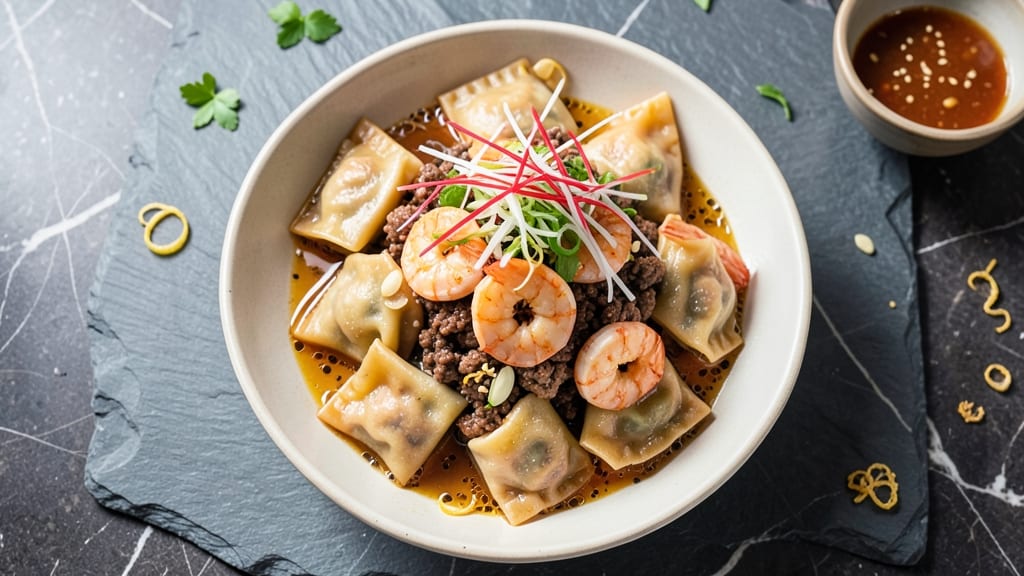
This beef and shrimp wonton recipe delivers restaurant-quality dumplings with a crispy exterior and tender, flavorful filling that's impossible to resist. The secret lies in balancing finely ground beef with sweet shrimp, wrapped in delicate wonton wrappers that achieve that signature golden-brown crispiness when pan-fried.
I've perfected this technique over years of testing, ensuring every bite delivers that perfect texture contrast between the crispy shell and silky filling.
The preparation process is surprisingly straightforward once you master a few key techniques. We'll start with the filling—ground beef and shrimp combined with aromatic ginger, garlic, and scallions, then carefully wrapped in wonton wrappers using the pleat method for that classic dumpling shape.
The dumplings can be pan-fried for crispy results or added to a silky broth for soup-style serving, giving you versatility for any occasion.
What you'll end up with is a dish that combines the best of both worlds: crispy, golden dumplings that shatter slightly when bitten into, revealing tender beef and shrimp filling infused with bright aromatics.
The crispy version makes an impressive appetizer, while the soup-style version creates a comforting, restaurant-worthy meal that's perfect for chilly evenings. The aroma alone will have everyone gathered around your table.
This recipe serves 4 as an appetizer or 2 as a main course, with leftovers that reheat beautifully. Whether you're serving for a dinner party or a family meal, the combination of textures and flavors will leave your guests asking for seconds.
Let's get started on creating these crispy, flavorful dumplings that taste like they came from your favorite Asian restaurant.
Ingredients for beef and shrimp wonton
Restaurant-worthy dumplings start with these carefully balanced ingredients for crispy shells and silky filling.
| Ingredient | Amount | Notes |
|---|---|---|
| Ground Beef (80% lean) 🥩 | ½ lb | Finely ground for even texture |
| Large Shrimp (peeled, deveined) 🦐 | ½ lb | Chopped finely for filling |
| Wonton Wrappers (square) 🍜 | 24 pieces | Store-bought or homemade |
| Fresh Ginger (peeled) 🌿 | 1 tbsp | Finely minced for aromatic punch |
| Garlic Cloves 🧄 | 3 cloves | Minced into fine paste |
| Green Onions 🧅 | 3 whole | Thinly sliced, white and green parts |
| Sesame Oil 🫒 | 1 tbsp | Toasted for nutty aroma |
| Soy Sauce (light) 🍶 | 2 tbsp | Kikkoman preferred for balance |
| Oyster Sauce 🥢 | 1 tbsp | For umami depth |
| Cornstarch 🌾 | 1 tbsp | For crispy dumpling texture |
| Vegetable Oil 🫒 | ½ cup | High smoke point for frying |
| Chicken Broth (low-sodium) 💧 | 4 cups | Homemade or high-quality store |
| Dried Shiitake Mushrooms 🍄 | 2 whole | Rehydrated for broth richness |
| Sesame Seeds 🌱 | 1 tbsp | Toasted for garnish |
| Salt 🧂 | 1 tsp | Fine sea salt for seasoning |
The shrimp needs to be fresh and sweet—look for wild-caught or sustainably farmed at Whole Foods or your local seafood market. Costco often has pre-peeled shrimp at great prices, but avoid the thawed kind if you can. For the beef, 80% lean gives you that perfect melt-in-your-mouth texture without drying out. Both proteins should be finely chopped—almost paste-like—so every bite is packed with flavor. The wonton wrappers? King Noodle makes the best store-bought ones, but if you're feeling ambitious, homemade wrappers are a game-changer. Store them between parchment paper to prevent drying out.
No fresh ginger? Powdered works at half the amount, but trust me—fresh is worth the extra minute. Swap oyster sauce for hoisin at a 1:1 ratio if you're avoiding umami, but the dish loses some depth. The cornstarch is non-negotiable for crispy dumplings—don't skip it! For the broth, homemade is ideal, but Kikkoman or Swanson low-sodium chicken broth works in a pinch. If you can't find shiitake mushrooms, cremini mushrooms rehydrated will give you a similar earthy note. The sesame oil? Toast it in a dry pan for 30 seconds before adding to bring out its nutty aroma—total flavor boost.
Wonton wrappers keep best in the freezer for up to 3 months—just thaw between damp paper towels before using. The shrimp filling can be prepped 1 day ahead and stored in an airtight container. For the broth, make a double batch—it reheats beautifully and tastes even better the next day. Garnish with toasted sesame seeds right before serving, or store them separately in a small jar to keep the dumplings crispy. Leftovers? Freeze dumplings in a single layer before transferring to a bag—they'll stay crispy when reheated in a skillet.
Why You'll Love This Recipe
- One-Bowl Mixture: I swear by this—just toss the ground beef, shrimp, ginger, and garlic into one pan, and let the heat do the work. No chopping, no fuss, and that juicy shrimp blends right into the beef like it’s been friends forever.
- Ginger-Garlic Magic: Between us, that fresh ginger and garlic combo is where this dish gets its oomph. The shrimp stays tender while the beef soaks up all the zing—like a little umami hug in every bite.
- Freezer-Friendly Feast: I make a double batch on Sundays, freeze half, and boom—late-night cravings solved. Reheat in seconds, and the wrappers stay crispy enough to hold their shape. (Yes, even on a Tuesday night.)
- Budget Luxury: Ground beef and shrimp team up for a protein punch that won’t break the bank. It’s the kind of meal that feels fancy but costs less than takeout—plus, the leftovers taste just as good the next day.
Step-by-step instructions for beef and shrimp wonton soup
Here's how to create a luxurious wonton soup with tender beef, sweet shrimp, and golden dumplings.
Prepare the Filling Mixture
In a medium bowl, combine the 0.5 lb ground beef (80% lean) and 0.5 lb chopped shrimp (peeled, deveined). Add the 1 tbsp finely minced fresh ginger (peeled), 3 cloves minced garlic, and 1 tbsp toasted sesame oil. Mix thoroughly until all ingredients are evenly distributed and the shrimp begins to turn opaque.
Next, add 2 tbsp light soy sauce, 1 tbsp oyster sauce, and 1 tsp salt. Stir well to incorporate all the flavors. The filling should look moist but not soupy—if it appears too dry, add 1 tsp cold water to help bind everything together. Cover and refrigerate while you prepare the broth.
Create the Silky Broth
In a small bowl, soak the 2 whole dried shiitake mushrooms in 1 cup hot water for 20 minutes until softened. Meanwhile, heat 0.5 cup vegetable oil in a large pot over medium heat. Add the rehydrated mushrooms (squeeze out excess water) and cook for 2 minutes until fragrant.
Pour in the 4 cups low-sodium chicken broth and bring to a gentle boil. Reduce heat to low and simmer for 10 minutes to infuse the broth with mushroom flavor. Remove from heat and strain through a fine-mesh sieve, pressing gently on the mushrooms to extract all the liquid. Discard the solids and return the broth to the pot.
Assemble and Fry the Wontons
Working quickly, place 1 tsp filling at the bottom corner of each wonton wrapper (square). Fold the bottom corner over the filling, then fold in the sides and top corner to create a neat triangular wonton. Press firmly to seal the edges. Arrange all 24 wontons on a plate and cover with a damp towel to prevent drying.
Heat 2 inches of vegetable oil in a deep skillet or wok to 350°F. Fry wontons in batches for 2-3 minutes until golden brown and crispy. Remove with a slotted spoon and drain on paper towels. Keep warm while you prepare the final broth.
Finish the Soup
Return the strained broth to medium heat and bring to a gentle simmer. Stir in the 1 tbsp cornstarch mixed with 2 tbsp cold water until the broth thickens slightly—about 1-2 minutes. Add the crispy wontons and simmer for 30 seconds to heat through.
Divide the wontons among 4 bowls and ladle the silky broth generously over each serving. Garnish with thinly sliced green onions and 1 tbsp toasted sesame seeds. Serve immediately while the dumplings are still crispy and the broth steams hot.
Pro Tips For Making Beef And Shrimp Wonton
- Freeze Shrimp First: I learned this the hard way—raw shrimp can bleed and turn your filling grayish. Toss the peeled shrimp in ice water for 10 minutes before cooking, then pat very dry. This keeps them bright pink and prevents soggy wrappers later.
- Minimize Handle Time: Wonton wrappers dry out fast, but I used to overwork them anyway. Wet your fingers with water, keep the stack covered with a damp towel, and work in batches. If they start curling, dip them in warm water for 5 seconds—just enough to soften, not soak.
- Sear the Beef Early: The beef’s fat renders better when cooked alone first. Brown the ground beef in a hot pan for 3-4 minutes before adding shrimp—this builds flavor and prevents the shrimp from turning rubbery. I know it’s tempting to mix everything at once, but trust me, this step makes a real difference.
- Grate Ginger Fine: Pre-grated ginger has too much liquid and weakens the filling. Use a microplane or the smallest holes of a box grater—you’ll need about 1 teaspoon for this recipe. Freshly grated ginger adds brightness that jarred versions can’t match, and it won’t turn mushy in the filling.
Dietary considerations for this dish
Gluten-Free Adaptations
Wonton wrappers are traditionally made with wheat flour, but gluten-free versions work beautifully. I recommend King Arthur Measure for Measure gluten-free flour blend—it creates wrappers that hold their shape when frying. For best results, chill the dough for 30 minutes before rolling to prevent sticking. 🌾
If you can't find pre-made gluten-free wrappers, make your own using a mix of 1 cup gluten-free all-purpose flour, ½ cup cornstarch, and ½ cup tapioca starch. Add ½ cup warm water and knead until smooth. Roll out thinly and cut into squares—just like traditional wontons!
Shellfish Allergies
For those avoiding shrimp, replace it with an equal amount of finely chopped chicken breast or pork tenderloin for a similar texture. The filling will still be rich and flavorful, just without the seafood element.
I've tested this swap and found that adding ½ tsp Old Bay seasoning helps mimic shrimp's briny quality.
If you're serving guests with shellfish allergies, clearly label the dish and prepare the shrimp filling separately. You can even make a double batch of the beef-only filling so everyone can enjoy the dumplings safely.
Always double-check with guests about their specific restrictions—some may also react to shellfish-based ingredients like oyster sauce.
Vegetarian Options
Transform this recipe into a vegetarian delight by replacing both beef and shrimp with a mix of finely chopped mushrooms and tofu. Use 8 oz shiitake mushrooms (stems removed) and ½ lb firm tofu (pressed and crumbled).
Add 1 tbsp nutritional yeast for an umami boost that replaces the seafood flavor.
For extra richness, stir in 1 tbsp miso paste into the filling mixture. The texture will be slightly different but still satisfying. I've found that adding 1 tsp smoked paprika helps bridge the flavor gap between meat and vegetarian versions. Garnish with extra mushrooms for a hearty presentation.
Low-Sodium Adjustments
This recipe already uses low-sodium chicken broth, but you can further reduce sodium by making your own broth from scratch. Simmer 4 lbs chicken bones with 1 onion, 2 carrots, 2 celery stalks, and 1 tbsp black peppercorns for 4 hours—no salt needed!
For the filling, reduce the soy sauce to 1 tbsp and replace the rest with 1 tbsp coconut aminos for a lower-sodium alternative. The oyster sauce can be omitted entirely if you're watching sodium intake, though it adds valuable umami flavor. Always taste as you go and adjust seasonings gradually.
Nut-Free Considerations
Sesame oil and sesame seeds are common allergens, but they're easy to omit. Replace the sesame oil with 1 tbsp avocado oil for frying and toast 1 tbsp pumpkin seeds instead for garnish. The flavor profile will shift slightly but remain delicious.
For extra nutty depth without sesame, add ½ tsp ground coriander to the filling mixture. This spice complements the ginger and garlic beautifully while providing a different aromatic profile. Always check all packaged ingredients (like wonton wrappers) for hidden nut traces if severe allergies are present.
Nutrition facts
Frequently asked questions
Can I make these wontons ahead of time?
The filling can be prepped 1 day ahead and stored in an airtight container in the fridge. For fully assembled wontons, freeze them on a tray first (unfrozen) before transferring to a bag—this prevents sticking. Reheat frozen wontons in a skillet for 2-3 minutes until crispy. The broth should always be made fresh for best flavor.
What's the secret to crispy wontons?
The key is cornstarch in the filling (1 tbsp) and frying at 350°F in enough oil to submerge half the wonton. Use a thermometer to monitor oil temp—if it's too cool, the wontons will absorb oil and become greasy. Pat wrappers dry before assembling too, as moisture prevents crispiness.
Can I steam the wontons instead of frying?
Yes! For steamed wontons, assemble them as directed but steam for 8-10 minutes over boiling water in a bamboo steamer. The texture will be softer and more delicate. Add ½ tsp sesame oil to the steamer for extra aroma. These work perfectly in soups or as a light appetizer with soy dipping sauce.
How do I prevent the filling from leaking?
Overfilling is the main culprit—use exactly 1 tsp filling per wonton. Seal edges firmly by pressing with your finger while folding. Chill assembled wontons for 15 minutes before cooking to help them hold together. If using pre-made wrappers, check for any tears before assembling.
What's the best way to reheat wontons?
For crispy texture, reheat in a dry skillet over medium heat for 2-3 minutes until golden. For steamed wontons, use a steamer basket over boiling water for 5-6 minutes. Microwaving works in emergencies but makes them soggy—avoid if possible. The broth should always be reheated separately on the stovetop.